
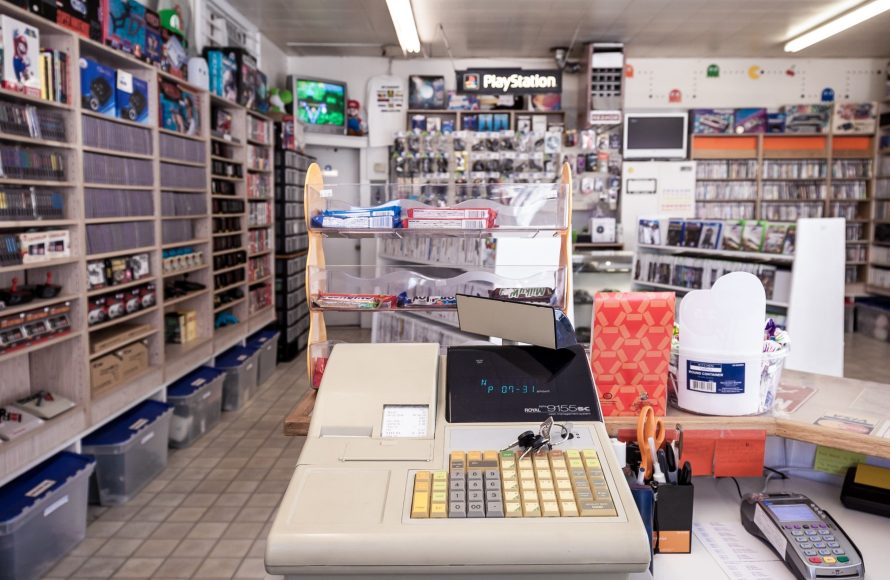
The cost to open a game store varies greatly, but expect to spend anywhere from $10,000 to over $100,000, depending on location, size, and inventory.
Ever wondered about starting your own haven for tabletop games and consoles? It’s a fun dream, but the big question quickly arises, exactly how much does it cost to open a game store? This isn’t a one-size-fits-all answer, as numerous factors come into play.
Opening a game store requires careful financial planning, from securing a space to purchasing initial stock. The amount of money needed depends heavily on if you want a small local shop or an expansive retail space.
Knowing your budget beforehand is crucial. Let’s break down some typical costs you will encounter on your journey.

How Much Does it Cost to Open a Game Store?
So, you’re dreaming of opening your own game store? That’s awesome! It’s a fun business, but like any business, it takes planning and, yes, money. Figuring out exactly how much it will cost to open a game store can feel like a puzzle, and it’s important to get all the pieces right. This isn’t a one-size-fits-all kind of thing – the price tag can change depending on many things. Let’s dive in and explore all the different costs so you can start planning your own awesome game store.
Understanding the Initial Investment
The very first costs you’ll encounter are what we call the initial investment, or the start-up costs. These are the one-time expenses that get your store off the ground and running. This is the biggest chunk of money you’ll spend at the beginning, so understanding each part of it is key.
Lease and Location
Finding the right location is a really important part. The price of rent can change a lot depending on where you are. If you want a spot in a busy city center, you’ll pay much more than if you choose a spot in the suburbs or a small town. The size of the space also matters: a big store costs more to rent than a smaller one.
- Deposit: Landlords often want a deposit equal to one or two months’ rent.
- First Month’s Rent: You usually have to pay this upfront.
- Leasehold Improvements: This includes any changes you need to make to the space, like painting, building shelves, or fixing up the bathroom.
- Location Factors: Think about foot traffic, parking, and how easy it is for people to find your store.
For example, a small shop in a quiet town may only cost $1,000-$2,000 per month to rent. A bigger store in a shopping center in a big city could easily cost $5,000-$10,000 or more. Make sure to research the average rent rates in the locations you are thinking about.
Inventory: Games, Games, Games!
What’s a game store without games? The cost of your initial inventory will likely be one of your highest expenses. You’ll need a good mix of different kinds of games to attract a wide group of customers.
- Board Games: These can range in price from $15 to $100 or more.
- Card Games: Collectible card games (like Magic: The Gathering or Pokémon) and deck-building card games are popular choices.
- Role-Playing Games (RPGs): Books and dice for games like Dungeons & Dragons.
- Video Games: New and used games, consoles, and accessories (if you plan to sell these).
- Miniatures: For wargames and other tabletop games.
- Accessories: Dice, card sleeves, playmats, and storage solutions.
A good starting inventory can easily cost between $10,000 and $50,000, and even more if you plan on a large selection. It’s better to stock a variety of items to see what sells best. You can always order more when you see what your customers like.
Fixtures and Equipment
Beyond the games, you need things to display them, ring people up, and make your store look good. Here’s a breakdown:
- Shelves and Display Cases: You’ll need places to show off your products.
- Point of Sale (POS) System: This includes a cash register, a barcode scanner, and software to track sales.
- Computer and Printer: For managing inventory, orders, and printing receipts.
- Furniture: Chairs, tables, and maybe even a gaming area if you want.
- Security System: To keep your valuable merchandise safe.
- Lighting: Good lighting will make your store more inviting.
These items can quickly add up, costing anywhere from $5,000 to $20,000 depending on how fancy you want to get. You can save money by buying some used items, but make sure everything works well.
Licenses and Permits
Don’t forget about the legal stuff! Depending on where you live, you’ll need business licenses and permits before you open your doors. These costs can vary quite a bit.
- Business License: This lets you legally operate your store.
- Sales Tax Permit: You need this to collect sales taxes from customers.
- Zoning Permits: Check if your location allows for a retail business.
These costs could range from a few hundred dollars to a few thousand, so check with your local government agencies to find out what you’ll need.
Marketing and Advertising
You need to tell people you are open! Marketing can help you get people through your doors. Initial marketing costs might include:
- Signage: To make your store easy to find.
- Website or Online Store: A place for customers to find you online.
- Social Media Advertising: To spread the word about your store.
- Grand Opening Promotion: To draw customers in on opening day.
- Local Advertising: Flyers, ads in local papers, and other local promotion.
Budget at least $1,000 – $5,000 for initial marketing efforts. If you make a good plan for marketing, you can attract more people to your store.
Legal and Professional Fees
Getting some help from lawyers and accountants can be a smart choice. They can help you with contracts and make sure you are following the law. Expect to pay between $500-$3000 for these kinds of services, especially if you need help setting up your business.
Ongoing Operational Expenses
After you’ve opened your store, the bills don’t stop there. You’ll have ongoing expenses to keep your business running smoothly. These are important to budget for, and they will happen every month.
Rent and Utilities
These are recurring expenses. You’ll need to pay for rent every month, and utilities like electricity, water, and internet. Keep in mind that your utility costs may change with the season.
Keep these expenses in mind:
- Rent: As agreed upon in your lease.
- Electricity: For lights, equipment, and climate control.
- Water: For restroom and cleaning.
- Internet: For POS system and online communication.
- Trash Removal: Regular waste management.
Inventory Replenishment
As you sell games, you will need to buy more. This includes ordering new items to keep your selection fresh and also restocking popular items. Setting a regular budget for inventory replenishment is very important.
- New Releases: Stay up-to-date with the latest games.
- Restocking: Keeping popular items in stock.
- Sales and Promotions: Buying inventory for discounts.
This will be an ongoing expense, and you may need to spend a few thousand dollars every month. Monitor your sales data carefully to make good decisions about what to restock.
Payroll and Staffing
If you’re not running the store by yourself, you’ll need to pay your employees. Consider:
- Salaries and Wages: Hourly pay for employees.
- Payroll Taxes: Taxes associated with paying employees.
- Benefits: Health insurance or paid time off, if you choose to offer them.
Payroll can easily be a large part of your expenses, so make sure to have a budget that allows for enough help.
Marketing and Advertising (Ongoing)
Marketing is not just a one-time expense. You should keep promoting your store to bring in new customers. This might include:
- Social Media Marketing: Continue promoting your store online.
- In-Store Events: Hosting events to attract customers.
- Loyalty Programs: Giving rewards to regular customers.
- Promotions and Sales: Having regular deals.
- Email Marketing: Connecting with customers by email.
Set a budget each month to keep the word out about your store. Consistent marketing helps bring in customers.
Insurance
You need insurance to protect your store from accidents and other problems. Common types of insurance include:
- General Liability Insurance: To cover accidents on your property.
- Property Insurance: To cover the cost of replacing damaged property.
- Workers’ Compensation: To cover injuries to your employees.
Insurance costs can vary, but it’s good to factor in these expenses to protect your business.
Maintenance and Repairs
Things can break or wear out. You will need a budget for repairs, like broken shelves or a computer that quits working. Setting aside money for these costs is a smart move.
Other Hidden Costs
There are always some unexpected costs that can come up. This is why it’s good to have some extra money set aside just in case. Here are a few other costs to think about:
- POS fees: Some POS systems charge a percentage on every sale.
- Credit card processing fees: Fees for using credit cards.
- Accounting software: To track finances.
- Banking fees: Checking and savings fees.
- Delivery costs: When ordering items from suppliers.
- Losses and Shrinkage: Damage to items or theft.
Estimating Total Costs
Alright, so how much are we really talking about here? It’s hard to give one number because costs vary a lot. But, here are some general ranges:
Small Game Store (in a low-cost area)
- Initial Investment: $30,000 – $60,000
- Monthly Operating Costs: $3,000 – $8,000
Medium Game Store (in a more typical area)
- Initial Investment: $70,000 – $150,000
- Monthly Operating Costs: $8,000 – $15,000
Large Game Store (in a prime location)
- Initial Investment: $150,000+
- Monthly Operating Costs: $15,000+
These are just estimates, and your expenses could be higher or lower depending on many factors. It’s really important to make a complete and detailed business plan and budget that is specific to your situation. Also, if you need to borrow money, you can get a business loan. Before you start your game store, make sure you research all your options for financial support.
Opening a game store involves many different costs, from initial investments to ongoing expenses. It’s very important to do your homework, create a budget, and get expert help when you need it. With good planning and hard work, your game store dream can become a reality. Always remember to adapt and be flexible, and always keep learning, and you will build a successful business.
How I Grew my game store with only $2,500 to start
Final Thoughts
Starting a game store requires careful budgeting. Costs vary significantly, covering rent, inventory, and licenses. Expect initial expenses for shelving and point-of-sale systems.
Inventory is a major investment, with board games, video games, and accessories adding up. Marketing and employee wages are also essential for running a game store.
In conclusion, how much does it cost to open a game store? The total can range from tens of thousands to well over a hundred thousand dollars depending on the scale and location. Your budget should accommodate all of these factors.

