
The cost to print a board game varies greatly, from a few dollars for a basic print-on-demand version to tens of thousands for a large-scale, custom production run.
Thinking about bringing your board game idea to life? The question of “how much does it cost to print a board game” is probably at the forefront of your mind. It’s a common concern for aspiring game designers.
Many factors affect the final price, such as the game’s complexity, materials, and the number of copies you’re printing. Understanding these will help you budget accurately.

How Much Does It Cost to Print a Board Game?
So, you’ve designed an awesome board game – congratulations! Now comes the exciting, but sometimes tricky, part: figuring out how much it will cost to actually bring it to life. Printing a board game isn’t as simple as printing a document at home; there are many things that can affect the price. It’s like building a house, you need to think about all the materials and people involved. We’re here to guide you through all of these aspects so you can plan your budget effectively. Let’s dive in and see what makes up the cost of printing a board game.
Understanding the Basics: What Factors Impact Printing Costs?
Before we get into specific numbers, it’s important to realize that the cost of printing a board game isn’t a single price tag. It’s a combination of many things. Think of it like buying a pizza. The price changes based on the toppings, the size, and where you buy it from. Board games have their own “toppings,” which we’ll discuss now:
Game Components: The Stars of the Show
The different pieces that make up your game are a big part of the cost. Here’s a breakdown of common components and how they influence price:
- Game Board: A simple, foldable board will be less expensive than a large, thick, multi-fold board. The material used, whether it’s regular cardboard, grey board, or linen-finished, also changes the price.
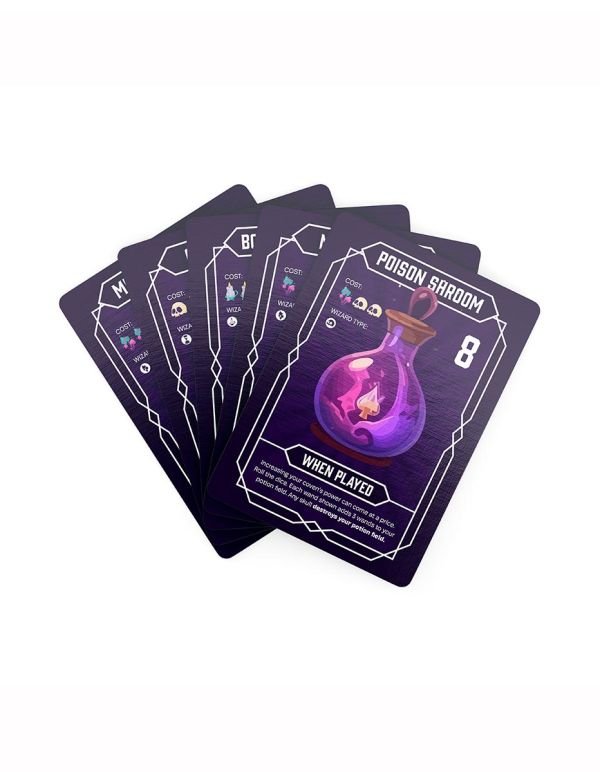
- Game Cards: The number of cards, their size, the paper quality (thin, regular or premium) , and if they have a special finish all play a role. A deck of 50 simple cards will be cheaper than 200 premium, large cards with rounded corners.
- Game Pieces/Tokens: Small wooden cubes cost less than custom-made plastic miniatures or metal components. The detail and color also affect the cost.
- Dice: Simple dice are inexpensive, but special shapes, sizes, and engraved or printed numbers will increase the cost.
- Rulebook: The length of the rulebook, the paper used, and if it’s in color or black and white changes the price. A 20-page booklet with color pictures costs more than a 4-page black and white pamphlet.
- Packaging: The box itself, the insert that holds all the pieces in place, and any outer wrapping all affect cost. Simple tuck boxes are cheaper than custom-printed rigid boxes with foam inserts.
The material choices can make a real difference. For instance, using standard cardboard for your game board is cheaper than using thick, linen-finished board. The same goes for cards: thinner card stock is more affordable than thicker, premium card stock. Even the printing process for cards (coated vs. uncoated) impacts the final cost. And when it comes to game pieces, mass-produced wooden meeples are gentler on your wallet than custom-sculpted miniatures.
Printing Volume: The More, the Merrier (and Cheaper?)
This is a big one! Just like buying in bulk at the grocery store, printing more copies of your board game usually brings the price down per unit. This is because printers set up machines and ink for a production run. The more you print in that run, the lower the cost will be per game.
- Small Print Runs (50-200 copies): Expect higher per-unit costs. This is good for prototypes or very small, limited edition runs.
- Medium Print Runs (200-1000 copies): Prices per game come down as the quantity increases. This is a good starting point for most indie board game creators.
- Large Print Runs (1000+ copies): The lowest per-unit price can be achieved in these large production runs, making it the ideal way to mass-produce your game.
Printing Location: Local vs. Overseas
Where you choose to print your game is also important to your budget. There are two main options to consider:
- Local Printing: This means using a printing company that’s in your country or even your city. It can have some advantages such as faster shipping times, easier communication, and sometimes better quality control. However, it’s often more expensive than overseas printing.
- Overseas Printing: This usually means printing in places like China, where printing costs can be much lower due to lower labor costs and access to mass-production facilities. However, communication can be slower, quality may be a little more risky, and shipping can take a while and cost extra, especially when you are doing a small run.
Which one you choose depends on your budget, timelines, and risk tolerance. If you need a few copies quickly and aren’t worried about costs, local printing might work. If you’re aiming for a larger run and want to save money, overseas printing might be the best choice.
Customization and Special Finishes: Adding the Flair
Adding special things to your board game can make it look amazing and stand out from the crowd, but these additions can increase the cost. Some popular customizations include:
- Linen Finish: Adds a nice texture to the game components and can make them feel higher quality.
- Spot UV Coating: Makes certain areas of the game cards, boards, or box shiny and stands out more.
- Rounded Corners: Makes cards more durable.
- Embossing/Debossing: Creates a raised or lowered effect on the box or rulebook.
- Custom Inserts: Inserts made of plastic or foam that are perfectly designed to hold all of the game pieces.
- Foil Stamping: Adds a metallic or shiny effect on the box or components.
Each one of these special finishes adds to the overall cost of printing your board game. It’s all about finding the right balance between budget and the desired look and feel.
Getting Down to Numbers: A Cost Estimate
Now, let’s get to the part you’ve been waiting for – some actual numbers. Keep in mind, these are estimates and can vary significantly based on the factors we discussed. For easier understanding, we are providing average prices for different printing amounts.
Small Print Run (50-200 Copies):
This type of run is suitable for making prototypes, limited edition versions, or testing the waters of the market. It’s a good starting point before you fully commit to a larger print.
Here’s a rough price range for a game with basic components:
- Per game: $30 – $60 USD
- Total cost range: $1,500 – $12,000 USD
Factors affecting this cost range:
- Using simpler components (e.g., cardboard tokens instead of plastic miniatures).
- Choosing standard paper for cards.
- Printing with local printers (can be more expensive).
- Using a simple box design.
Example of the components:
- A standard game board of about 20 inches x 20 inches made of basic card stock material,
- One deck of 50 playing cards with basic coated paper stock,
- 20 tokens made of standard card stock,
- Two simple six-sided dice,
- A simple tuck box,
- A rulebook of 4 pages, black and white printing.
Medium Print Run (200-1000 Copies):
This is the sweet spot for many independent creators who are ready to have more copies of the game. The per unit cost will come down.
Here’s a rough price range for a game with standard components:
- Per game: $15 – $30 USD
- Total cost range: $3,000 – $30,000 USD
Factors affecting this cost range:
- Overseas printing usually leads to better prices per unit.
- Using more complex game components like dice, tokens, wooden pieces and more cards.
- Adding more color printing to components and the rule book.
- Using medium quality paper and box components.
Example of the components:
- A medium sized game board of about 20 inches x 20 inches made of standard card stock material,
- Two decks of playing cards with 100 cards in total, made of good quality coated paper stock,
- 30 wooden tokens or meeples,
- 4 standard six-sided dice,
- A custom printed box with a simple insert,
- A rulebook of 8 pages, with color printing.
Large Print Run (1000+ Copies):
This is when you are really serious about mass production and want the most cost effective way to print your game. Per unit price comes down drastically.
Here’s a rough price range for a game with a medium to high quality:
- Per game: $5 – $15 USD
- Total cost range: $5,000 – $15,000+ USD
Factors affecting this cost range:
- Printing overseas will make prices lower per unit.
- Using high quality material for all the components.
- Adding special finishes like linen finish, rounded corners to the cards.
- Using a custom box with foam or plastic inserts.
Example of the components:
- A large sized game board of about 25 inches x 25 inches made of linen finished material,
- Two decks of playing cards with 100 cards in total, made of premium quality coated card stock, with rounded corners,
- 50 custom wooden tokens or plastic miniatures,
- 6 special designed dice,
- A custom printed rigid box with custom foam insert,
- A rulebook of 16 pages, with color printing.
Important Note: These numbers are only an estimate. The actual cost will depend on your specific game, the printing choices, and the company you decide to work with. It’s always a good idea to get multiple quotes from different printers to compare prices. A complex game with lots of miniatures and high-end finishes will be much more expensive than a simple card game.
Other Costs to Consider
Printing your game isn’t the end of the money you will need to spend. You’ll need to think about other costs, too:
- Design and Illustration: If you need a professional to design the layout, artwork, and graphics for your game, this will add to your budget. This can range from a few hundred to a few thousand dollars, depending on the quality of work and the artist’s experience.
- Prototyping Costs: Before mass production, you need to make sure your game is fun and works well. This may involve making a few prototypes, which will add to your cost, and the more you tweak the game, the more you will spend.
- Shipping and Distribution: Don’t forget the cost of shipping the games to your location and distributing them to your customers. Shipping heavy boxes can add to the cost significantly.
- Marketing and Promotion: To get your game known you will need to market it by advertising, going to events, or using online promotions, and those cost money.
- Fulfillment Fees: If you plan to use a fulfillment service (which takes care of packing and shipping the game to your customers), you’ll need to factor those fees in.
Tips for Saving Money on Printing
While you need to print your game, you can save money by making smart choices.
- Simplify Your Design: Complex designs cost more to print. Simpler, cleaner designs can still be just as fun and engaging but more affordable.
- Use Standard Components: Instead of custom-made pieces, you can use common things like wooden meeples, plastic cubes, or standard dice, which cost less.
- Choose Cheaper Materials: Choosing a cheaper but good quality paper stock will lower the printing costs.
- Print in Bulk: The more copies you print, the less the per-unit cost will be. If you can afford it, printing in bulk can save you a lot of money long term.
- Research Different Printers: Don’t settle for the first quote you get. Get quotes from multiple printers, both local and overseas to compare prices.
- Plan Ahead: Starting early in the process helps you avoid extra costs like rush fees.
By taking these steps, you can help make your game printing more affordable, without compromising on the game’s quality.
Printing a board game is a complex process with many factors influencing cost. Understanding these factors, from component choices to printing volume and location, can help you make informed decisions and better plan your budget. It’s all about balancing the quality, cost, and what is important to you. By carefully considering all of these, you can bring your game to life without spending more than you planned.
Designing Board Games on a Budget
Final Thoughts
Ultimately, the cost to print a board game varies greatly. Factors like game components, quantity, and printing complexity significantly impact the final price. Smaller, simpler games printed in lower quantities cost much less than elaborate ones.
Large print runs bring the unit cost down, therefore making them more economical overall. Therefore considering all the variables that affect production cost, it’s essential to get quotes based on your specific requirements. Answering ‘how much does it cost to print a board game’ requires careful planning and research.

