
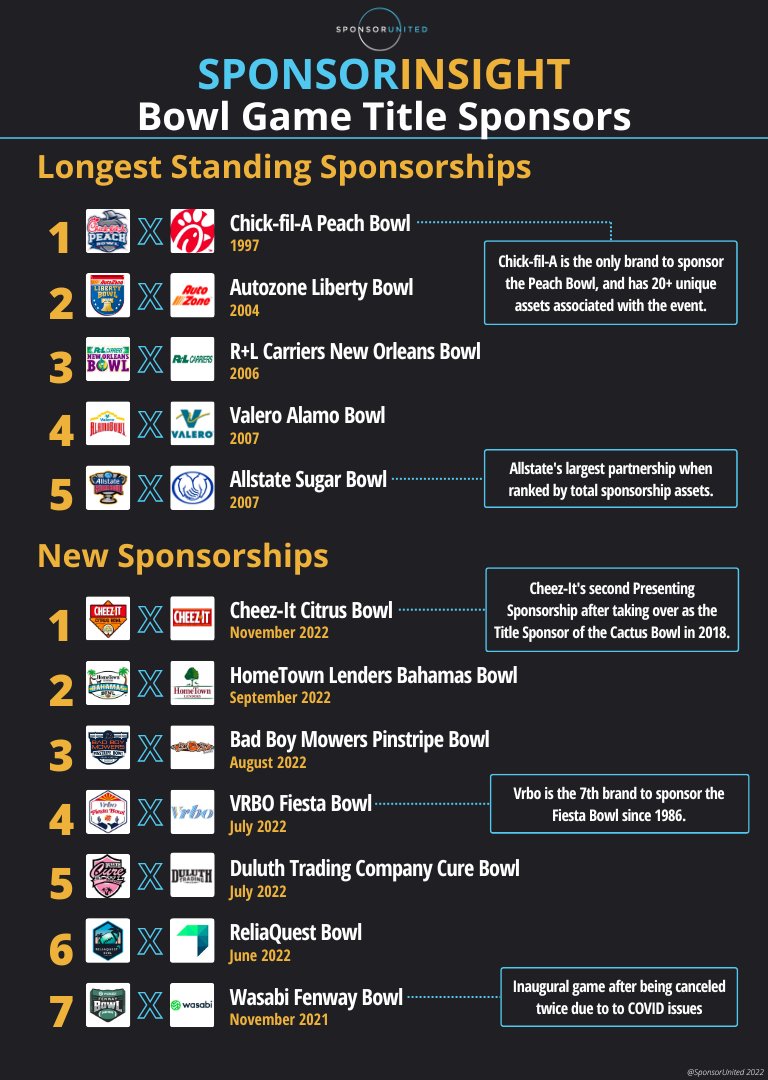
Sponsorship costs for a bowl game range dramatically, from several hundred thousand dollars for smaller games to over twenty million dollars for the prestigious ones.
Thinking about getting your brand in front of millions of college football fans? The question of how much to sponsor bowl game is a big one, and the answer isn’t simple. It varies greatly based on the bowl’s prestige, network coverage, and even its location.
These costs can include stadium signage, TV ads, and various other promotional opportunities. The return on investment depends on strategic planning and target audience alignment.

How Much to Sponsor a Bowl Game: A Deep Dive
Okay, so you’re thinking about sponsoring a college football bowl game? That’s a big decision, and it involves a lot more than just writing a check. It’s like buying a giant billboard that millions of people will see, except this billboard is a whole game, with all the excitement and energy that goes with it. But how much does this massive kind of advertising actually cost? Well, let’s get into the nitty-gritty of how much to sponsor a bowl game and what you get for your money.
Understanding the Basics of Bowl Game Sponsorship
Before we talk about specific numbers, let’s understand what bowl game sponsorship is all about. When a company sponsors a bowl game, it’s basically paying to have its name and logo associated with that game. This could mean the game is officially called “The [Company Name] Bowl”, or it could mean their logos are plastered all over the stadium, and their commercials air during the broadcast. Bowl game sponsorships are a way for businesses to get their brand in front of a huge, engaged audience. Millions of people watch these games on TV, and lots of fans come to the stadium, making it a fantastic chance to reach a lot of people. It’s a strategic move for businesses, a way to build brand awareness, connect with sports fans, and, of course, increase visibility.
Factors Affecting Bowl Game Sponsorship Costs
Now, let’s get to the money part. Figuring out how much to sponsor a bowl game isn’t a simple one-size-fits-all answer. Several important things affect the cost. Here are the main ones:
Game Prestige and Tier
Just like some baseball teams are more famous than others, some bowl games are more important and watched by more people than other bowl games. The bigger and more well-known the bowl, the higher the sponsorship cost. Games that are part of the New Year’s Six (like the Rose Bowl or Sugar Bowl) are the most expensive to sponsor, because many people want to watch them. Other games in smaller conferences usually cost less, simply because they have smaller audiences.
Television Contract and Exposure
How many people watch the game on TV matters a lot. A game broadcast on a big national network, like ESPN or ABC, will cost more to sponsor because it reaches more people. The more people who watch, the more your logo and name get seen. Games on smaller channels or that are only streamed online generally have lower sponsorship prices.
Geographical Location
Where the game is held also matters. Games in popular vacation spots or big cities might cost more to sponsor. For instance, a game in a warm place like Florida or a place like Southern California might have a higher price tag since fans are more likely to want to travel there. Also, a place which attracts larger and loyal fanbases often costs more for sponsoring.
Timing of the Bowl Game
The date and time of the game impacts cost, too. Games that happen during the holidays, when people are more likely to watch sports, tend to cost more to sponsor. Games played on less popular days or times generally have lower price tags.
Specific Sponsorship Package
Sponsorship packages vary greatly. You can just get your company name on the game’s title, or you can choose a big package with a lot of extra benefits. Some packages include tickets, in-game advertising, social media promotion, opportunities to meet with coaches and teams, and even branded merchandise. More of these extras means a higher cost.
Typical Cost Ranges for Bowl Game Sponsorship
Now that we know what makes the price go up or down, let’s talk about actual numbers. These numbers are estimates, and the exact cost can change from year to year and from bowl to bowl. However, this will give you a general idea:
- Lower-Tier Bowl Games: These games often have smaller audiences and less media attention. The sponsorship costs can range from around $300,000 to $1 million. These games might be an affordable option for local or regional businesses.
- Mid-Tier Bowl Games: These games are more popular than lower-tier games, with larger audiences and better TV exposure. Sponsoring one of these games could cost you between $1 million and $5 million. These are popular for many national businesses.
- New Year’s Six Bowl Games: These are the most prestigious games outside of the College Football Playoff National Championship. They draw massive audiences and high TV ratings. Sponsorship prices for these games can run from $5 million to over $20 million. Only the biggest, most established companies can afford these sponsorships.
Please note these figures are just for the title sponsorship. There are often other less expensive sponsorship opportunities such as in-stadium banners, game day promotions, on-site activation etc. These can run from a few thousand dollars to several hundred thousand dollars depending on the size, and prominence.
What You Get For Your Sponsorship Money
Okay, so you’re paying a pretty big chunk of change to sponsor a bowl game. What do you actually get for it? It’s not just about having your name on a sign. Here’s a breakdown of what’s usually included:
Title Sponsorship Rights
This is the big one. Your company name becomes part of the official name of the bowl game. This means your name will be mentioned on TV, in news stories, on social media, and everywhere the game is discussed. It’s like having your brand be a part of the big game.
Branding and Signage
Your company’s logo will be all over the stadium. This could include on the scoreboard, on sideline banners, and even on the field itself. You’ll see your logo on the screens and posters.
Television Commercials
Sponsors usually get a certain number of commercials during the broadcast of the game. These ads give you a chance to show your message to millions of viewers watching the game from home.
Promotional Opportunities
Many sponsorship packages include opportunities to promote your business through the bowl game’s social media channels. This could mean posting things about your company or running contests and giveaways that involve the game and the fans. Some packages might also offer the opportunity to set up displays or booths at the stadium on game day to interact with fans.
Tickets and Hospitality
Many sponsors get a lot of tickets to the game. They might also get access to special hospitality areas where they can talk to customers and clients in a fancy environment. This helps with client relations and rewarding staff.
Involvement with Teams and Players
Some packages can get you opportunities to meet the team, coaches, or players. This could be a meet-and-greet, photo opportunity, or a chance to give a message to a football team. These experiences create great stories and memories, enhancing your brand’s association with the game.
Data and Insights
Bowl games often provide sponsors with data about the people who watched the game, such as their age, location, and interests. This data can be super useful for marketing in the future and learning who to target.
Community Impact
Sponsoring a bowl game can positively impact the local community through job creation, increase in tourism and associated business and engagement in local charities. This positive connection to the community, and the game itself can help improve the company’s image.
Is Bowl Game Sponsorship Right for You?
Before you decide to become a bowl game sponsor, you need to ask yourself a few important questions:
- Does Your Company Have the Budget? Sponsoring a bowl game is a large investment. You need to be sure you have the money to commit to it, plus a marketing strategy to go along with it.
- Is Your Target Audience Watching? If your business sells goods that are mostly used by young adults, a bowl game that attracts them might be a good fit. You need to check to see if the fans that are going to the game are your target audience.
- Do the Benefits Match Your Goals? You should decide if the things you get as part of the sponsorship match what you want for your company. Do you mostly want to build brand awareness, or get leads, or improve your public image? The goals need to match the benefits.
- Can You Take Advantage of the Opportunities? To make the most of a bowl sponsorship, you need to be ready to use all the opportunities the package offers. You need to promote your company before, during, and after the game to get the best return from your investment.
Making the Most of Your Bowl Game Sponsorship
If you decide to go ahead with sponsoring a bowl game, here are some tips to make the most of it:
Plan Ahead
Don’t wait until the last minute. You need to work with the bowl game organizers for many months before the game to make sure your plan to market your brand is ready to go.
Create a Special Marketing Strategy
You cannot just use a general advertising plan. You need to make a special plan just for your bowl game sponsorship. This plan should outline how you will get people to know about your company through your association with the game.
Engage With the Fans
Connect with fans through social media, giveaways, and special events on game day. When fans feel like you care about them, it makes your brand look better. Interacting with people directly will create a better understanding of the brand.
Use Data to Adjust Your Strategy
Pay attention to the data you get from your sponsorship. See what’s working and what isn’t, and then adjust your marketing plan as needed. Keeping track of what’s working will help you make sure you are getting the best return on your money.
Long-Term Goals
Think about the big picture. Bowl game sponsorship is not a quick solution to your business goals. It’s a chance to build your brand and create a lasting connection with sports fans. Therefore, make sure you make plans to continue to engage with the people after the bowl game ends.
Negotiating Your Sponsorship Deal
The prices that are advertised are not always fixed. There is often room for negotiating, and here are a few things to consider:
- Ask For More: Don’t be afraid to ask for more, for example, additional tickets, more advertising time or other add-ons that are beneficial to your brand.
- Use Your Relationships: If your company has a relationship with a television network or the university involved in the bowl game, this can be a bargaining chip when negotiating.
- Compare Offers: If you are seriously looking into sponsoring a bowl game, compare offers from different bowls to see which ones best fit your budget and your brand goals.
Sponsoring a bowl game is a big decision that could be great for your business, but it takes careful planning, a good strategy and a decent understanding of how much it costs. By taking time to think carefully and making smart plans, your company might be able to enjoy the many good things that come from sponsoring one of the biggest sports events in the country. Remember to research the games carefully and create a plan that helps you meet your company goals.
5 Brands/Creators that should sponsor a bowl game #collegefootball
Final Thoughts
Sponsorship costs for bowl games vary significantly. Several factors determine the price, including the game’s prestige, television viewership, and location. Major bowl games command multi-million dollar investments.
Smaller, less prominent bowls offer sponsorship opportunities at lower costs. Companies must consider their marketing budget and goals to determine the best fit. Calculating a return on investment is crucial.
Therefore, deciding how much to sponsor bowl game involves a careful assessment of these variables. Each business must evaluate their budget and determine the most effective strategy for their marketing needs. The process is always a business decision for the company.

