
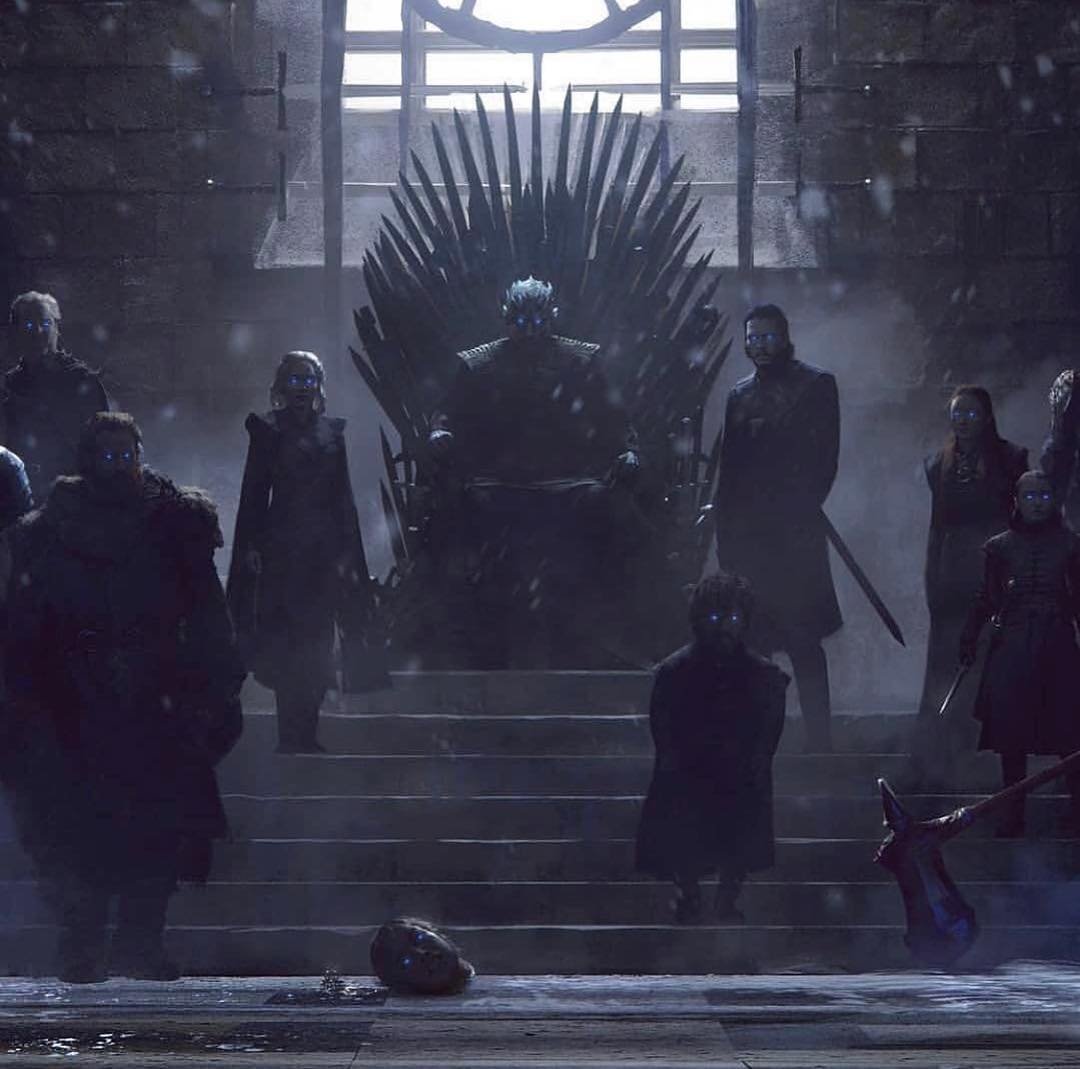
Game of Thrones should have ended with Jon Snow, having killed Daenerys, embracing his Targaryen heritage and becoming a wise and just king, ushering in an era of peace with the support of the remaining houses.
The final season of Game of Thrones left many viewers feeling disappointed and frustrated. Conversations continue even now about what went wrong. The biggest question is, of course, how should game of thrones have ended? Fan theories and alternative endings abound, each proposing different solutions to the problems that plagued the show’s conclusion.
The direction the writers took diverged from established character arcs and plot points. This made the ending feel rushed and unearned. Let’s consider ways the series could have concluded with a more satisfying result for dedicated fans.

How Should Game of Thrones Have Ended?
The ending of Game of Thrones sparked a lot of debate, and for good reason. After years of building complex characters and intricate storylines, many fans felt the final season rushed, didn’t make sense, or simply didn’t honor the epic journey they had invested in. So, let’s dive deep into how the show could have ended, exploring some key storylines and character arcs that deserved better treatment.
The Fumbled Prophecy: Azor Ahai and the Prince That Was Promised
One of the biggest disappointments was how the show handled the prophecy of Azor Ahai, also known as the Prince That Was Promised. This prophecy, deeply ingrained in the lore, hinted at a hero who would wield a flaming sword, Lightbringer, and defeat the darkness. The show seemed to point to Jon Snow, then to Daenerys Targaryen, and then it was, well, nobody really.
What Went Wrong?
The problem wasn’t necessarily that the prophecy wasn’t fulfilled literally. It’s that the show seemed to just… forget about it. Instead of offering a satisfying twist or a deeper understanding of the prophecy’s meaning, it simply fizzled out. This left many fans feeling like a major plot point was just abandoned.
A Better Approach:
Here’s how the prophecy could have been handled more effectively:
- Jon’s Internal Struggle: Jon’s internal conflict between his Targaryen heritage and his duty to the North could have been more central. Perhaps he grapples with the possibility that the ‘Prince’ isn’t about being a literal prince but a leader who unites, not conquers.
- The ‘Light’ as Unity: The ‘light’ could have been interpreted metaphorically. Maybe the true victory against darkness isn’t about a magical sword but about bringing the disparate kingdoms together. Jon could have been the catalyst for this, embodying both ice and fire.
- A Shared Sacrifice: Perhaps the prophecy’s fulfillment involves multiple players. Maybe Jon and Daenerys working together, each making their own difficult choices, would lead to the ultimate victory, showing that heroism isn’t always a solo journey.
Daenerys Targaryen: The Descent into Madness
Daenerys’s sudden shift into becoming the “Mad Queen” was one of the most controversial aspects of the finale. While the show tried to hint at this possibility, it felt rushed and unearned. Her character’s actions in the final episodes simply didn’t align with the development of her character until that point. It appeared forced.
The Problematic Rushed Transformation:
The transformation from compassionate liberator to ruthless tyrant felt abrupt. Here are some issues with how it was depicted:
- Lack of Nuance: We didn’t see a slow, believable progression into darkness. The show rushed her arc, sacrificing character development for shock value.
- Contradictory Actions: Her previous actions in freeing slaves and advocating for the common people clashed sharply with her final choices.
- Motivations Not Clear: The show failed to clearly define the reasons why Daenerys suddenly went mad, making her motivations feel shallow and illogical.
A More Compelling Arc for Daenerys:
Here’s what could have created a more believable and tragic arc for Daenerys:
- Internal Conflicts: Explore her growing paranoia and fear of losing power. Perhaps show her struggling with the weight of her lineage and the pressure of expectations.
- Grey Area Morality: Instead of pure evil, show her making increasingly tough choices in the name of a greater good, slowly compromising her values and alienating her allies.
- A Gradual Descent: Allow her transformation to unfold over a longer period of time, with clear cause-and-effect relationships, allowing her actions to feel more earned. This also could involve showing some of the internal corruption within the government she’s creating
- A Deeper Exploration of Power: Explore the corruptive nature of absolute power. Show how even someone with good intentions can be twisted by it, this could include her advisors, such as Varys and Tyrion, actually attempting to influence her to do better, and a deeper look at the consequences if she refuses to listen.
Bran the Broken: The Unlikely King
Bran Stark becoming King of the Six Kingdoms was a perplexing choice for many viewers. While his role as the Three-Eyed Raven is important, his ascension to the throne felt anticlimactic and lacked any real emotional connection. Why would a character who has expressed no desire for power be crowned the ruler of Westeros?
The Issue with Bran’s Kingship:
Here’s where the issue lies:
- Lack of Stakes: Bran’s story had become very separate from the main plot, and as a result, his role as king felt tacked on.
- No Motivation: He had shown zero interest in ruling, making his selection as King feel out of place.
- Emotionless Decision: The scene where he is chosen lacked emotion and impact. No one had a good reason to select him, and it feels like he was just the easiest choice.
A More Fitting Outcome for Bran:
Here are some alternative ideas that would have been better aligned with Bran’s story:
- The Historian: Instead of king, Bran could have been the keeper of Westeros’ history, using his powers to record the events and knowledge of the world, ensuring they were not forgotten. This aligns better with his role as the Three-Eyed Raven.
- The Advisor: He could have served as an impartial advisor to the ruling council, using his knowledge to guide them instead of taking direct control.
- Guardians of the Weirwoods Maybe Bran and a few other characters who have a connection to magic go on a quest to discover why the White Walkers came and find a way to ensure it never happens again, leading to them being guardians of knowledge beyond what any human or king could have known.
Jon Snow: The Unresolved Hero
Jon Snow, the supposed hero of the story, ended up exiled back to the Night’s Watch, which felt like a very underwhelming end to his journey. He had sacrificed so much, both emotionally and physically, and his ending didn’t feel like a fitting reward. His return to the Night’s Watch was presented as a form of punishment, even though that position is now a shell of what it once was.
The Disappointing Fate of Jon Snow:
Here’s why his ending didn’t resonate with many fans:
- Underwhelming Punishment: Exile to the Night’s Watch felt anticlimactic given his lineage and heroism. It was a punishment that didn’t fit the crime, given that he was doing what he thought was right.
- Unnecessary Sacrifice: He was never given the opportunity to properly mourn Daenerys or process his actions.
- Lack of Recognition: He was stripped of all agency and any reward for his sacrifices.
A More Meaningful Path for Jon Snow:
Here are several alternative ways his story could have concluded more satisfyingly:
- The Uniter: He could have acted as a bridge between the North and the rest of the kingdoms, fostering peace and understanding.
- The Wanderer: After being the hero, Jon might have decided that power isn’t what he wanted. So he could have gone off exploring with the Wildlings, or even alone.
- The King Beyond the Wall: Jon could have helped create an independent nation North of the Wall where he and his fellow brothers and sisters of the Night’s Watch could have ruled, ensuring peace, while also being outside of the control of the Seven Kingdoms.
The Importance of Political Intrigue
A key component of Game of Thrones that went missing in the final season was the political intrigue and clever maneuvering of previous seasons. The final episodes felt too straightforward, lacking the complex plots that made the show so compelling. This element is what drove the story forward and also what made the show so much more than just a fantasy with dragons.
The Missing Political Chess Game:
Here is what was missing:
- Forced Decision Making: Characters made decisions without proper strategic planning, and seemed to have no long-term goals.
- Lack of Factions: There should have been more clear factions and different goals among the great houses, which would have given greater weight and complexity to the ending.
- Missed Opportunities: So many clever political players were sidelined without being given any chance to showcase their skills.
How to Restore Political Complexity:
Here’s how to bring back the political maneuvering:
- Hidden Agendas: Introduce more characters with their own agendas and ambitions, even after the defeat of the White Walkers.
- Alliances and Betrayals: Bring back political intrigue that could involve shifting alliances and betrayals that reshape the landscape of power, and have it be something more than just for the sake of betrayal.
- Council Decisions: Showcase how the new governing council tackles new issues, while also dealing with lingering conflicts from the past. This would have created a much more realistic political landscape.
The Fate of the Supporting Characters
Many supporting characters, who had significant roles to play earlier in the series, were given very rushed and unsatisfying conclusions. Characters like Varys, Grey Worm, and many others seemed to be shoehorned into plots that had nothing to do with their character motivations.
Missed Opportunities with Supporting Characters:
Here are a few ways their fates could have been handled better:
- Varys’s Intrigues: Instead of being executed so easily, Varys could have been given a more complex and intricate plan to try and influence the new ruling powers.
- Grey Worm’s Ambitions: Grey Worm’s decision to go to Naath felt random. The show could have shown him trying to build a society free from slavery, but he also could have had some issues given that he is a warrior and not a ruler.
- Character Arcs Cut Short: Numerous other characters’ stories just ended abruptly or were completely forgotten. They deserved to be fully resolved.
Giving Supporting Characters Meaningful Endings:
Here are some ideas for giving more depth to their endings:
- Personal Growth: Show more growth and development in the lives of each character. Instead of focusing on just the most important characters, give them endings where they can grow and learn.
- Character Motivations: Ensure that their decisions align with their past actions and personality traits. This will make it feel like their stories are complete.
- Tying Up Loose Ends: Address any outstanding plot threads involving supporting characters. They should not just disappear from the show.
Revisiting Key Moments and Foreshadowing
A key element of a successful conclusion is how well it ties back to the themes and foreshadowing set up earlier in the series. The final season of Game of Thrones failed to fully connect the beginning of the show to the end, leaving many fans feeling confused and unsatisfied.
The Missed Connections:
Here are some important elements that could have been tied better together:
- The Long Night: While the White Walkers were defeated, the deeper meaning of the long night could have been explored more. It shouldn’t have just been a physical threat but also have had a metaphorical weight.
- The Wheel: Daenerys wanted to “break the wheel”, the system of the ruling houses. This theme felt lost as the final episodes progressed. Maybe Daenerys could have tried to set up a new system to stop the cycle of greed for power, and its failure could have been her downfall.
- Recurring Imagery: Recurring symbols and motifs should have had more clear meanings. They could have been used to tie everything together thematically and give a more satisfying conclusion.
Connecting the Beginning and End:
Here are some ways to ensure the conclusion resonates:
- Call Backs: The finale should have included call backs to important moments from the show’s beginning, and have them be meaningful instead of just easter eggs.
- Full Circle Moments: Characters should have had full circle moments, completing their journey and character development.
- Thematic Consistency: The ending should be consistent with the core themes of the show like duty, honor, justice, and the nature of power.
In the end, a better Game of Thrones ending should have honored the characters, the story, and the audience. It should have been a conclusion that felt earned, logical, and emotionally resonant. While nothing can change the ending we got, exploring these alternate possibilities can remind us of the potential the show once held.
How Game of Thrones Should Have Ended
Final Thoughts
A compelling ending would have seen Daenerys’ descent into tyranny fully realized, with a council of remaining lords and ladies working to limit any single person’s power. Jon’s true lineage would have created a dilemma, compelling him to either rule, or instead choose to protect the realm.
Bran’s ascension as king felt anticlimactic; a far better conclusion was his choice to explore his visions and find a way to truly undo the damage from war and injustice. This leads to the essential question: how should game of thrones have ended? The answer must include a balance of justice and realistic consequences.

