
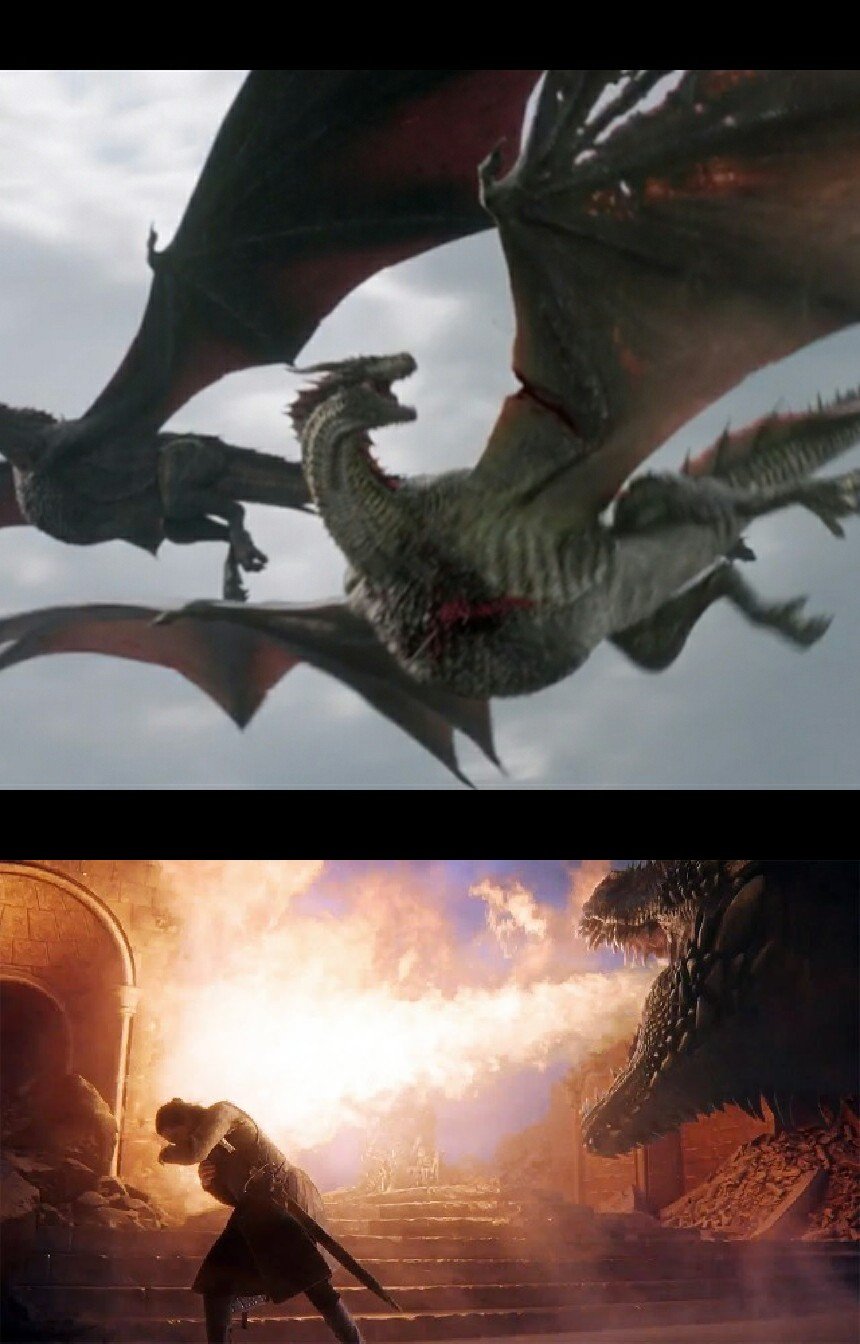
Dragons in Game of Thrones exhibit a complex intelligence, demonstrating problem-solving abilities and strong emotional bonds with their riders, suggesting they are quite smart.
Ever wondered about the minds behind the fiery breath and scales? The question of how smart are dragons in Game of Thrones is a fascinating one. These aren’t just mindless beasts; they display behaviors that hint at a deeper level of understanding.
They clearly learn from experience, understand commands, and form strong relationships. This level of interaction with their riders shows a cognitive capacity that exceeds simple animalistic instincts.

How Smart Are Dragons in Game of Thrones?
Dragons in Game of Thrones aren’t just big, fire-breathing lizards; they’re complex creatures with intelligence that often surprises us. We’ve watched them grow from tiny hatchlings to fearsome war beasts, and along the way, we’ve seen glimpses of just how smart they can be. It’s not like they’re solving math problems, but their smarts are shown in different ways. So, let’s dive deep into the minds of these amazing creatures and explore what makes them so unique.
Understanding Dragon Intelligence
First, it’s important to realize that dragon intelligence isn’t the same as human intelligence. We shouldn’t expect them to talk or write essays. Instead, their intelligence shows through their ability to learn, adapt, and understand certain situations. They’re creatures of instinct, but they also seem to possess a level of understanding that goes beyond simple reactions. One key aspect of their intelligence is their powerful connection with their riders, especially Daenerys Targaryen.
The Bond Between Dragons and Riders
The special bond that dragons share with their riders is a very important part of their smarts. This isn’t just about obedience; it’s about a deep, almost telepathic connection. Dragons appear to recognize and respond to the emotions and intentions of their riders, particularly those of Targaryen blood. This bond is most clearly seen with Daenerys and her dragons, Drogon, Rhaegal, and Viserion. They knew her voice, responded to her commands, and even seemed to sense her feelings. This indicates a level of emotional intelligence and understanding of human behavior. Consider this, when Drogon finally takes Daenerys away at the end of the series, he does it because he understands she is no longer alive.
Here are some specific things that highlights their connection:
- Voice Recognition: They could identify their riders’ voices and would respond to their specific commands.
- Emotional Connection: The dragons seem to sense their riders’ moods, offering comfort during times of sadness or frustration.
- Loyalty: Their loyalty to their riders is fierce and unquestioning, often placing themselves in harm’s way to protect them.
Learning and Adaptation
Another sign of their intelligence is their ability to learn and adapt. Dragons aren’t born knowing how to fight in a battle; they learn through experience. They quickly figure out how to use their strengths, like their fire breath and powerful claws, to their best advantage. This ability to adapt is crucial for survival in the dangerous world of Westeros.
Battle Tactics
Over the course of the series, we see dragons improving their battle strategies. Initially, they are more instinctual and reactive. As they face different opponents, they develop more nuanced tactics. For example, instead of just flying straight at an enemy, they learn to swoop, attack from different angles, and cooperate with each other during a battle. When Daenerys and her armies attack King’s Landing, her dragons are seen to strategically decimate the iron fleet and the city’s defenses, showing a developed understanding of aerial warfare.
Here’s a table summarizing the way dragons learn in battle:
| Stage of Battle | Learning & Adaptation |
|---|---|
| Initial Battles | More instinctual, relying on fire breath and claws. |
| Developing Stage | Start to learn from experiences, learning the advantages of flying and attack from different angles. |
| Later Battles | Demonstrate strategy, cooperative attacks, and targeted destructions. |
Problem Solving and Awareness
While dragons don’t solve complex puzzles, they show an ability to figure out solutions to simpler problems. They demonstrate situational awareness and an understanding of their surroundings. They aren’t just blindly following commands; they seem to understand the overall goals and objectives.
Situational Awareness
Dragons often show that they are aware of the happenings around them. When they are together, it is clear that they are aware of each other and their well being. They are also aware of the happenings on the ground, often targeting specific enemies or threats during battles. This situational awareness is very important for survival.
Understanding Objectives
Dragons don’t just follow commands, but rather understand the aim of what they are doing. For example, during attacks, they are not just burning everything, but rather they seem to understand what to burn, and who is their friend and foe. Even though they are creatures of destruction, they have a sense of purpose. They also understand when they need to protect their rider, and what is the danger to their rider. Drogon understood when Daenerys died and even took her body. This understanding of larger objectives showcases a form of intelligence.
Communication Among Dragons
While dragons don’t use language in the way humans do, they clearly communicate with each other. They use growls, roars, and body language to convey meaning. This communication is important for cooperation during battles and for maintaining their social structure. This form of communication also highlights their intelligence.
Dragon Social Structure
It is difficult to say whether the dragons have a social structure or not, as for most part they only interact with their rider and in very few instances they interact with each other. But during the series, we see them working together on a battle front and helping each other when necessary. Also, their close bond with each other also suggests a sort of social structure. It isn’t a very well-defined social structure like humans or wolves, but we can be sure that it exists in some way.
Dragon Communication Methods
Dragons do not speak the human language, but they communicate using various methods. These methods include:
- Roars and Growls: They use different sounds to show various emotions, from aggression to curiosity.
- Body Language: Posture, wing movements, and head positions are all used to communicate with each other.
- Eye Contact: Dragons often use eye contact as a communication method, especially with their riders.
Comparing Dragon Intelligence to Other Creatures in Westeros
When we think about how intelligent dragons are, it is necessary to compare them to other creatures in the world of Westeros. Dragons are clearly at a higher level of intelligence than most creatures. Wolves are intelligent, but they are not able to breath fire and learn battle tactics. Direwolves also share special bonds with humans, but they are nothing like the bond of dragons and their riders. The other animals in Westeros are also not at the level of dragon intelligence.
Superior Intellect
Dragons are the apex creatures in Westeros, and their level of intelligence seems to align with their dominance. They are able to outsmart and overpower most other creatures in their world. Their ability to learn and adapt makes them much smarter than the common animals, and their connection with their riders makes them unique.
Limitations of Dragon Intelligence
It’s also important to remember that dragons have limitations in their intellect. They are not as complex as humans. They act mostly on their instincts, emotions, and through the connection that they have with their riders. They cannot engage in complex reasoning. They are powerful and smart but they also act on what they feel.
Instinct and Emotion
Dragons act largely on their instincts and emotions. This means that sometimes they do things that are very harmful and brutal. They cannot control their anger and might destroy anything in their rage. This instinct also shows that they are not able to control themselves like humans do.
Dragons in Game of Thrones are undeniably intelligent creatures. They exhibit learning abilities, situational awareness, powerful connections with their riders, and the capacity to communicate with each other. Their form of intelligence is different from human intelligence, focusing more on instinct, adaptability, and emotional bonds. They are not capable of solving complex mathematics or other high level thinking, but their ability to learn, adapt, and connect with their riders makes them truly remarkable beings in the world of Westeros. They are not just powerful beasts; they are also intelligent and fascinating creatures that add a unique dimension to the Game of Thrones universe. They are much smarter than most of the other creatures in Westeros. They are able to dominate the world, not only by their powers but also through their developed intelligence.
Dragons of the Game of Thrones Universe ALL Explained!
Final Thoughts
Dragons in Game of Thrones exhibit a complex intelligence. They demonstrate understanding of commands and tactical awareness during battles. Drogon, for instance, shows independent judgment.
The dragons’ ability to learn from past experiences further suggests their cognitive capacity. They also display emotional connections with their riders. This provides insight into how smart are dragons in game of thrones. Their intelligence is clearly more than just instinct.

