
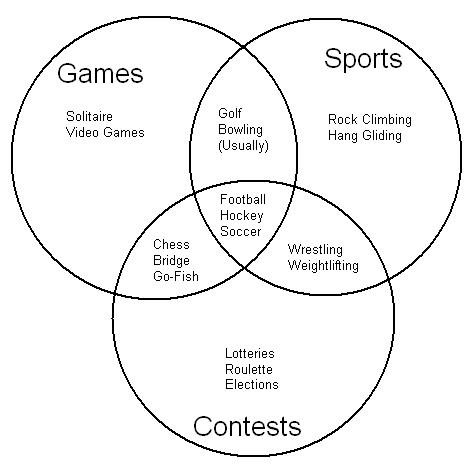
Chess is considered a sport by many due to its intense mental exertion and competitive nature, while others view it as a game of strategy.
The question, is chess a game or a sport, often sparks lively debate. Some see chess as purely an intellectual pastime, a game of careful planning and tactical execution. Yet, others recognize the significant cognitive demands and competitive spirit it fosters.
Professional chess players train rigorously, honing their skills through study and practice, mirroring the preparation of athletes. The intense focus and psychological battles that take place during matches clearly show the challenges inherent in this pursuit.

Is Chess a Game or a Sport? A Deep Dive into the Debate
The question of whether chess is a game or a sport has been debated for years. It’s a topic that sparks lively conversations among chess enthusiasts, sports fans, and academics alike. At first glance, it might seem like a simple question, but when you really start to think about it, the answer becomes much more complex. We use the word ‘sport’ for things like running, swimming, and basketball. On the other hand, we call things like Monopoly and video games as games. So, where does chess fit in? Let’s look closely at the arguments from both sides and explore what makes chess so unique.
Defining the Terms: What Makes a Game a Game and a Sport a Sport?
Before we can decide if chess is a game or a sport, we need to understand what we mean by those words. Let’s break down the key features that generally define a “game” and a “sport.”
Characteristics of a Game
Generally, a game involves some form of structured play, often with rules. Games can be for fun or for competition. They often have goals or objectives that players aim to achieve.
- Rules-based: Games usually have a set of specific rules that players must follow. These rules help create structure and ensure fairness.
- Recreational: Many games are played for enjoyment and fun. They can be a relaxing way to spend time.
- Competitive: Many games have an element of competition, where players try to outdo each other.
- Strategy and Tactics: Many games involve strategy, where players plan their moves, and tactics, where they make specific actions to gain an advantage.
Characteristics of a Sport
Sports are often seen as more physically demanding, but not always. They often involve competition, and can be at local, national, or even international level. Many sports have rules and require skill to perform well.
- Physical Exertion: Many sports involve physical activity, which may make you sweat or raise your heart rate. But this is not always true.
- Competition: Sports are often competitive, with winners and losers. There’s usually a goal, like scoring points or finishing first.
- Skill: Sports require specific skills, like running fast, shooting a ball, or planning your moves.
- Rules: Just like games, sports have rules. Referees and judges help make sure everyone follows them.
The Case for Chess as a Game
Many people believe that chess is a game, and there are many good reasons why they think this way. The arguments often focus on chess as a primarily mental activity, distinct from traditional sports.
The Mental Nature of Chess
The core of chess is mental. Chess involves deep thinking, planning, and calculating. It is often called a “battle of the minds”. You have to consider every move carefully, thinking many steps ahead. The ability to visualize different moves and their consequences is very important. This deep mental involvement makes chess feel like a classic game of strategy and tactics. It focuses on intellectual skills instead of physical ones.
- Strategic Planning: Chess players need to develop long-term plans to control the board, using their pieces in a coordinated way.
- Tactical Thinking: Players have to analyze positions to find immediate tactical opportunities, like capturing a piece or delivering a checkmate.
- Memory and Pattern Recognition: Chess players often remember patterns and recognize common positions to help them plan better.
Chess as a Form of Entertainment
Many people enjoy chess as a form of entertainment. They may play casual games with friends and family to pass the time, or they may watch chess tournaments for fun and excitement. While chess can be very competitive, many players also enjoy it as a hobby, seeing the game as more fun than work.
- Relaxing Hobby: Many people play chess to relax and unwind after a hard day.
- Social Activity: Chess can be a great social activity, allowing people to interact and have fun.
- Mind Exercise: Many players see chess as a great mind exercise, helping them sharpen their cognitive abilities.
The Case for Chess as a Sport
On the other hand, many people believe chess is indeed a sport. There are lots of things that make chess look like a sport. Many international chess bodies, like the International Chess Federation (FIDE), are even recognized by the International Olympic Committee.
The Competitive Element
Chess is a very competitive game. Top chess players participate in many tournaments, both at the national and international levels. These tournaments have rules, rankings, and titles. There are world championships. The world chess champion is often very famous, which is like many other sports. Just like in any sport, these players train hard to be good at chess. They study past games, train, and practice their skills. They are very dedicated to the game.
- World Championships: The World Chess Championship is a very big competition with top chess players from all over the world.
- Rankings and Titles: Players earn rankings and titles, such as Grandmaster (GM), International Master (IM), and FIDE Master (FM).
- Training and Preparation: High-level chess players spend many hours studying openings, endings, and specific positions, just like any other athlete.
The Rigorous Training Regimen
High-level chess players don’t just sit down and play; they prepare just like athletes do. Many chess players work with coaches, analyze games, and study chess strategies. They also focus on things like concentration, stamina, and mental toughness. Even though they are not doing physical activities like running, they still use a lot of energy when they play a chess game. These mental workouts can be very exhausting. Chess players work hard to stay fit and healthy to have enough focus and endurance during long competitions. They need to be in peak condition to perform their best. This discipline and dedication look like what you see in other sports.
- Coaching and Analysis: Professional chess players often have coaches who help them to improve their skills, understand their weaknesses and develop their game.
- Study and Practice: They spend hours studying chess books, databases of games, and they play many practice games.
- Mental Preparation: They work on their mental strength and endurance to make sure they can focus during games that can last many hours.
The Physical Demands of High-Level Chess
While chess isn’t a physically exerting sport like basketball or soccer, it does have physical aspects. Top-level games can last for hours. Players need to have mental stamina. They also need to stay calm and focused. All these factors make chess more demanding than it might seem. Even if you are not moving a lot physically, your brain is working very hard. This can make you tired just like physical work. Also, when playing high-pressure games, players have higher heart rates and breathing patterns because of the stress. This shows how physically taxing chess can be, even though it seems like you are just sitting still.
- Mental Stamina: High level chess games can last for many hours, requiring players to maintain focus and concentration.
- Stress and Tension: Competitive chess matches can be very stressful, causing physical responses like increased heart rate and sweating.
- Ergonomics and Posture: Players have to sit for extended periods, and maintaining good posture can be very important for comfort and health.
Chess: A Unique Blend of Game and Sport
After looking at all the arguments, it’s clear that chess is a unique activity. It mixes things from both games and sports. The mental focus, tactics, and planning in chess can make it look like a game. The fierce competition, training needed, and the long hours can make it seem like a sport. Maybe chess is somewhere in the middle, an activity that has elements of both. Ultimately, whether you call it a game or a sport depends on what you value most.
The Cognitive Benefits of Chess
Regardless of whether we classify chess as a game or a sport, the cognitive advantages it offers are undeniable. Studies show that playing chess can help improve your ability to think. It helps with memory, and problem-solving skills. It teaches players how to plan ahead and think strategically, and helps with focus and attention. These abilities help people in everyday life and in school. Because of its many benefits, chess is used in schools to help young children develop key thinking skills.
- Improved Memory: Remembering board positions and previous moves.
- Enhanced Problem-Solving: Finding solutions to complex situations on the chessboard.
- Strategic Thinking: Planning moves and long-term plans to control the board.
- Concentration and Focus: Staying focused during long chess games.
The Social and Cultural Impact of Chess
Chess is also more than just a game or a sport. It’s a social and cultural phenomenon. It is enjoyed by people all over the world. It’s played by people of all ages and cultures. Many communities use chess as a way to bring people together. Chess tournaments and clubs provide opportunities for players to make new friends and make bonds through the game. Chess has been an inspiration in art, literature, and movies, showing how deeply it’s rooted in our culture. It is a language that many people around the world understand. This makes chess more than just an activity; it’s a way for people to connect.
- Global Community: Chess is played in many countries and cultures.
- Social Interaction: Chess clubs and tournaments are great places to meet other chess players.
- Cultural Inspiration: Chess has been featured in many works of art, literature, and film, showing the rich cultural history of chess.
In conclusion, whether chess is considered a game or a sport is really a matter of perspective. It has elements of both, making it a very unique activity. The mental focus and planning make it look like a game, while the fierce competition and training involved make it look like a sport. Ultimately, chess is a challenging activity enjoyed by many people. It promotes deep thinking, strategic skills, and brings people together from around the world. So, next time you play a game of chess, remember the history and depth of this amazing pastime.
is chess a sport?
Final Thoughts
Chess blends mental skill and strategy; physical exertion isn’t essential. People often debate its classification. The competitive aspect and rigorous training schedules point towards a sport.
However, the lack of traditional athletic components suggests it’s a game. Ultimately, is chess a game or a sport remains subjective, with compelling arguments on both sides. A precise definitive answer must come through general acceptance.

