
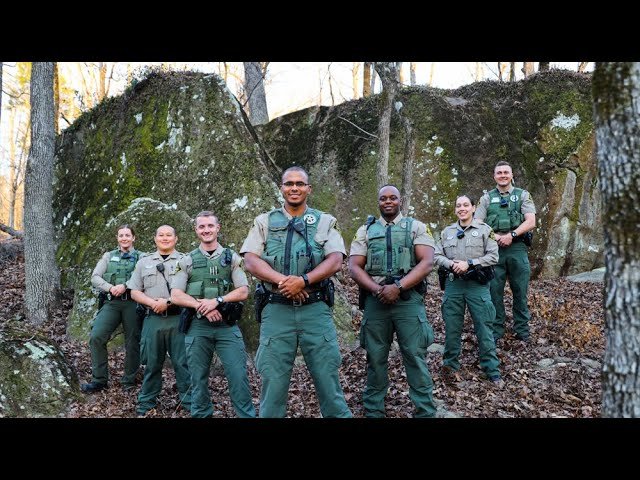
To become a game warden in NC, you must meet specific requirements including age, education, and passing physical and psychological evaluations. Then you’ll complete law enforcement training.
Ever dreamt of protecting North Carolina’s wildlife and natural resources? The path to becoming a game warden in NC is challenging yet rewarding. It involves a combination of dedication, specific training, and a love for the outdoors. This career offers a unique opportunity to serve the state while working in diverse environments.
The process requires meeting certain qualifications like a minimum age of 21, and having a valid driver’s license. Further steps include completing educational requirements, such as an associate’s degree or relevant work experience. You will also need to successfully complete the required law enforcement training. Let’s explore the key steps in more detail to understand exactly how to become a game warden in NC.

How to Become a Game Warden in NC
Ever wondered what it’s like to protect North Carolina’s amazing wildlife and natural spaces? Becoming a game warden, also known as a wildlife enforcement officer, is a challenging but super rewarding career. It’s more than just chasing poachers; it’s about conservation, education, and making sure everyone can enjoy the outdoors responsibly. This article will guide you through everything you need to know to start your journey toward becoming a game warden in North Carolina.
Understanding the Role of a North Carolina Game Warden
Before jumping into the “how,” it’s helpful to understand exactly what game wardens in North Carolina do. These dedicated individuals are law enforcement officers first and foremost, but they also have a strong connection to the environment. Their job involves a diverse range of tasks, from enforcing hunting and fishing regulations to educating the public about wildlife conservation.
Key Responsibilities of NC Game Wardens
- Enforcing Wildlife Laws: This is a big part of the job. Game wardens make sure people are following hunting, fishing, and boating regulations. This includes checking licenses, inspecting equipment, and investigating violations.
- Protecting Wildlife: They work to prevent illegal hunting and fishing, and protect endangered species. Game wardens help keep populations healthy and make sure there’s a balance in nature.
- Responding to Emergencies: Game wardens often respond to emergencies in the wilderness, such as search and rescue operations, or dealing with injured animals.
- Educating the Public: A key part of the job is to teach people about wildlife conservation and responsible outdoor recreation. They give presentations, work with schools and community groups, and engage with the public at events.
- Investigating Complaints: When someone reports a possible wildlife crime or violation, game wardens investigate it.
- Community Engagement: Building positive relationships with the local communities is important. This involves working with landowners, hunters, anglers, and other outdoor enthusiasts.
Where NC Game Wardens Work
Game wardens in North Carolina operate in a variety of environments. They patrol the state’s mountains, forests, coastal areas, and waterways. You might find them:
- On boats, patrolling lakes, rivers, and the Atlantic Ocean.
- Driving in trucks through the woods and along backroads.
- Walking through forests, marshes, and fields.
- Working at local offices or headquarters.
- At community events, educating people about conservation.
Essential Qualifications for Game Warden Candidates
Becoming a game warden isn’t easy; it requires specific qualifications and a strong desire to protect our natural world. Let’s delve into what it takes to be eligible for the job.
Educational Requirements
A solid educational background is crucial. While not always required, many successful candidates hold a college degree. Here’s a more detailed look:
- High School Diploma or GED: This is the basic requirement for applying to become a game warden.
- Associate’s Degree or Higher: While not mandatory, having an associate’s degree in a relevant field like wildlife management, criminal justice, or environmental science is highly beneficial. Candidates with a bachelor’s degree often have better chances of being hired. Relevant fields of study include:
- Wildlife Management
- Biology
- Criminal Justice
- Environmental Science
- Natural Resources Management
- Coursework: Focused coursework in biology, ecology, and law enforcement, and criminal justice can give you a competitive edge
Age and Citizenship Requirements
- Age: You must be at least 21 years of age to become a game warden in NC.
- Citizenship: You need to be a U.S. citizen to qualify.
Physical and Psychological Fitness
Game wardens often work in challenging environments, so they must be physically fit. They need to be able to:
- Run, swim, and hike in rugged conditions.
- Lift heavy equipment.
- Remain alert and focused during long hours.
Candidates also undergo psychological evaluations to ensure they can handle the demands of law enforcement.
Background Check
Because they are law enforcement officers, game wardens undergo a thorough background check. This includes checks of your:
- Criminal record.
- Driving record.
- Credit history.
Any serious offenses or a pattern of irresponsible behavior could disqualify you from the selection process.
Other Essential Skills and Qualities
Beyond the formal requirements, game wardens need a specific set of skills and qualities to succeed in this job.
- Strong Communication Skills: Game wardens interact with many different types of people, so it’s essential to communicate clearly and effectively. They need to be good listeners and explain complicated rules in simple terms.
- Problem-Solving Skills: They encounter a wide variety of challenges in the field and must be able to think critically and make quick decisions.
- Integrity and Honesty: Game wardens hold positions of public trust, and must be honest and ethical in all their actions.
- Passion for the Outdoors: A love for nature and wildlife is at the heart of the job.
- Ability to Work Independently: Game wardens often work alone in remote locations, so they need to be able to manage their time and work without constant supervision.
- First Aid and CPR Skills: Responding to emergencies is a part of the job, and knowledge of first aid and CPR is vital.
The Application and Hiring Process
Now that we have explored the qualifications, let’s examine how you can actually apply for and become a North Carolina game warden.
Step 1: Exploring Job Openings
The first step is to regularly check the North Carolina Wildlife Resources Commission (NCWRC) website for job openings. Opportunities may also be posted on other government job boards.
Step 2: Submitting an Application
Once you have found a position, you’ll need to submit a detailed application, which will likely include:
- Personal information.
- Educational background.
- Work experience.
- References.
- Answers to supplemental questions that assess your qualifications.
Pay close attention to the application requirements, making sure you provide all necessary information and any requested documents.
Step 3: Initial Review and Testing
After the applications are submitted, the NCWRC reviews them. Candidates who meet the minimum qualifications may be invited to participate in:
- Physical Agility Test: This test assesses your physical fitness level. It can involve things like running, push-ups, sit-ups, and dragging a weighted object.
- Written Exam: This may include tests of general knowledge, aptitude, and situational judgment, as well as law enforcement related knowledge.
Step 4: Interviews
If you pass the initial screening, you will likely be invited to a series of interviews. These interviews may include:
- Panel Interviews: A group of officials from NCWRC will assess your communication skills, problem-solving abilities, and suitability for the job.
- Individual Interviews: You will speak one-on-one with specific individuals involved in the hiring process to discuss in more detail your experiences and suitability.
Step 5: Background Investigation
If you are successful in the interviews, NCWRC will conduct a thorough background investigation, as mentioned earlier.
Step 6: Conditional Job Offer
If the background investigation clears, you will receive a conditional job offer. This offer is contingent on completing the next phase of training.
The Training Process: Preparing for the Field
Receiving a conditional job offer is a significant step, but it also means that you must now successfully complete rigorous training to become a sworn game warden.
Basic Law Enforcement Training (BLET)
All new game wardens in North Carolina must complete the Basic Law Enforcement Training (BLET) program. This program includes:
- Classroom instruction on criminal law, procedure, and ethics.
- Practical exercises in defensive tactics, firearms, and first aid.
- Physical fitness training.
- Driving and emergency vehicle operation training.
BLET is intensive and requires commitment and discipline. You have to pass all the exams and practical skills evaluations in order to graduate.
NCWRC Specific Training
In addition to BLET, you will also participate in training programs specific to the NCWRC. This will focus on:
- Wildlife laws and regulations specific to North Carolina.
- Wildlife identification.
- Conservation and environmental management principles.
- Boating safety.
- Use of agency equipment such as boats, ATVs, and radios.
- Community engagement and public education strategies.
Field Training
After completing your initial training, you will be assigned to a field training officer (FTO). This phase will include:
- Working side-by-side with an experienced warden.
- Learning how to handle real-world situations.
- Applying all of the skills and knowledge you gained during training.
- Receiving feedback from your FTO.
Career Progression and Opportunities
The journey of a game warden doesn’t end after you are fully trained. There are possibilities for growth and advancement within the NCWRC.
Potential Career Paths
- Field Officer: The most common position, you will patrol a specific area, enforce regulations, respond to calls, and educate the public.
- Investigator: You may specialize in investigations of more serious wildlife violations.
- Sergeant: Supervisors who lead and manage a team of game wardens.
- Lieutenant: Command officers responsible for operations within a larger geographic area.
- Captain: High-ranking officers responsible for overseeing multiple districts or sections.
- Specialized Units: Some wardens work in specialized units such as K-9, air support, or a dive team.
- Training Officer: You can help train new game wardens.
Continued Training and Development
Game wardens are encouraged to pursue ongoing training and education. This can include:
- Advanced law enforcement courses.
- Specialized training in wildlife management.
- Attending workshops and conferences.
- Earning certifications in specific areas.
Salary and Benefits
Being a game warden is not a high-paying profession but they have a stable income and good benefits. Salaries for a game warden vary depending on their education, experience, and location. Generally, NC game wardens receive:
- A competitive starting salary that increases with experience and promotions.
- Health and retirement benefits.
- Paid vacation and sick leave.
- Opportunities for career advancement.
Becoming a game warden in North Carolina is an attainable goal for anyone who has a passion for the outdoors, and the discipline to succeed. It takes hard work, dedication, and a commitment to protecting the state’s natural resources. But the rewards—a challenging and meaningful career, spending time in nature, and contributing to the conservation of wildlife—are more than worth it. If you love nature, want to make a difference and enjoy helping people, becoming a game warden might just be the perfect path for you. Take the time to do your research, meet the required qualifications, and you’ll be well on your way.
How to Become a Game Warden in North Carolina
Final Thoughts
To become a game warden in NC, you must first meet specific age and education requirements. Passing a background check is crucial. You must then complete rigorous training at the academy.
Physical fitness tests also form a key component of the selection process. Successful candidates then undergo field training. This involves practical work experience.
Ultimately, becoming a game warden in NC requires dedication and commitment. It is a must to meet all the set criteria and complete the training.

