
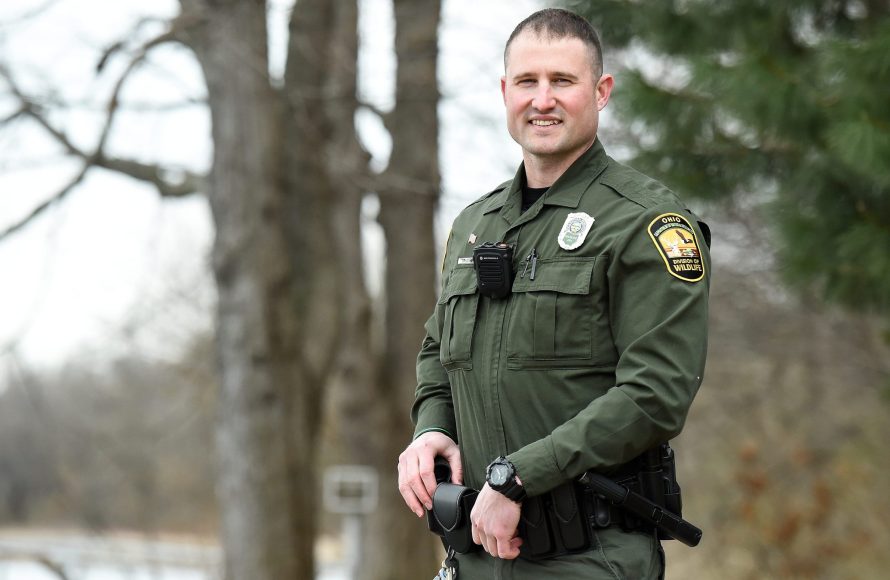
Becoming a game warden in Ohio typically requires a bachelor’s degree in a related field, successful completion of the Ohio Peace Officer Training Academy, and passing a thorough background check.
Ever wondered how to become a game warden in Ohio? It’s a challenging but rewarding career protecting Ohio’s natural resources. This path blends a love for the outdoors with law enforcement.
So, what does it take? Expect to dedicate yourself to rigorous training and education. You will need a solid academic background and a commitment to serving your community.
Let’s explore the key steps you must take to turn your passion for wildlife into a fulfilling career as a game warden in Ohio.

How to Become a Game Warden in Ohio
Becoming a game warden in Ohio is a challenging but rewarding career. It requires dedication, physical fitness, and a strong commitment to conservation. Let’s explore the steps involved.
Understanding the Role of an Ohio Game Warden
Ohio game wardens, officially known as Wildlife Officers, are law enforcement professionals. They are responsible for enforcing wildlife laws, protecting natural resources, and ensuring public safety.
Their duties extend beyond just catching poachers. They also educate the public, conduct search and rescue operations, and respond to environmental emergencies.
Meeting the Basic Requirements
Before you can even apply, you need to meet certain minimum qualifications. These are non-negotiable.
Age Requirement: You must be at least 21 years old.
Citizenship: You must be a United States citizen.
Driver’s License: A valid Ohio driver’s license is essential.
Background Check: A clean criminal record is a must, as you will be a law enforcement officer.
Educational Requirements for Ohio Wildlife Officers
Ohio has specific education requirements for aspiring game wardens. This typically involves a college degree.
Minimum Education: You usually need a bachelor’s degree in wildlife management, criminal justice, conservation law enforcement, or a related field.
Preferred Degree Paths: A degree focusing on natural resources or law enforcement is highly advantageous.
Why Education Matters: The coursework provides a foundational understanding of wildlife biology, law, and investigative techniques.
Gaining Relevant Experience
While a degree is important, practical experience can also significantly strengthen your application. It shows you are genuinely interested and capable.
Volunteer Work: Consider volunteering with the Ohio Department of Natural Resources (ODNR) or other conservation organizations.
Internships: Look for internship opportunities with ODNR or related agencies.
Related Jobs: Working as a park ranger or in a related field can provide valuable experience.
The Ohio Wildlife Officer Training Academy
If you are selected, you will attend the Ohio Wildlife Officer Training Academy. This is a rigorous program designed to prepare you for the challenges of the job.
Comprehensive Training: The academy covers a wide range of topics, including law enforcement, firearms training, wildlife identification, and first aid.
Physical Fitness: Expect intense physical training to ensure you meet the physical demands of the job.
Classroom Instruction: You will also receive extensive classroom instruction on relevant laws, policies, and procedures.
Scenario-Based Training: Realistic scenario-based training helps you apply your knowledge and skills in real-world situations.
The Application Process: A Detailed Breakdown
The application process can be lengthy and competitive. Prepare thoroughly and pay close attention to detail.
Submitting Your Application
Online Application: Applications are typically submitted online through the ODNR website or the state’s job portal.
Required Documents: You will need to submit transcripts, resumes, and other supporting documents.
Accuracy is Key: Ensure all information is accurate and complete.
The Written Examination
Aptitude Testing: Expect to take a written examination that assesses your aptitude and knowledge.
Subject Areas: The exam may cover topics such as reading comprehension, math, and reasoning skills.
Physical Fitness Testing
Meeting the Standards: You must pass a physical fitness test to demonstrate your ability to perform the essential functions of the job.
Test Components: The test usually includes components such as running, push-ups, sit-ups, and other exercises.
Preparation is Crucial: Start training well in advance of the test to ensure you meet the required standards.
The Interview Process
Multiple Interviews: The interview process may involve multiple interviews with different panels.
Behavioral Questions: Be prepared to answer behavioral questions that assess your judgment, problem-solving skills, and communication abilities.
Knowledge of ODNR: Demonstrate your knowledge of the ODNR and its mission.
Professionalism Matters: Dress professionally and maintain a positive attitude throughout the interview process.
Background Investigation
Thorough Review: A thorough background investigation will be conducted to verify your information and assess your suitability for the position.
Honesty is Paramount: Be honest and upfront about your past.
Credit Check: A credit check may also be part of the background investigation.
Psychological Evaluation
Ensuring Fitness: A psychological evaluation may be required to ensure you are mentally and emotionally fit for the job.
Professional Assessment: This evaluation is conducted by a qualified psychologist.
Job Duties and Responsibilities: A Day in the Life
What does a typical day look like for an Ohio game warden? It’s more varied than you might think.
Enforcing Wildlife Laws: This includes patrolling hunting and fishing areas to ensure compliance with regulations.
Investigating Violations: Investigating reports of poaching, illegal dumping, and other environmental crimes.
Public Education: Educating the public about wildlife conservation and responsible outdoor recreation.
Search and Rescue: Participating in search and rescue operations in wilderness areas.
Responding to Emergencies: Responding to environmental emergencies, such as oil spills or wildfires.
Community Engagement: Engaging with local communities to build relationships and promote conservation.
Report Writing: Preparing detailed reports on investigations and activities.
Essential Skills for Ohio Game Wardens
Success as a game warden requires a unique blend of skills. Some are learned, others are inherent.
Law Enforcement Skills: Knowledge of law enforcement procedures, including arrest techniques, evidence collection, and courtroom testimony.
Wildlife Knowledge: A deep understanding of wildlife biology, ecology, and conservation principles.
Communication Skills: Excellent communication skills to effectively interact with the public, fellow officers, and other stakeholders.
Physical Fitness: The ability to perform physically demanding tasks in challenging environments.
Problem-Solving Skills: The ability to quickly assess situations and make sound decisions under pressure.
Decision-Making: Sound judgement and the ability to make critical decisions in high-pressure scenarios.
Navigation Skills: Proficiency in using maps, compasses, and GPS devices for navigation.
Advancement Opportunities for Ohio Wildlife Officers
With experience and dedication, you can advance your career as an Ohio game warden. There are several paths you can take.
Field Training Officer: Train new recruits and provide guidance in the field.
Investigator: Specialize in investigating complex wildlife crimes.
Supervisor: Oversee a team of wildlife officers and manage resources.
Specialized Units: Join specialized units, such as the K-9 unit or the dive team.
Salary and Benefits for Ohio Game Wardens
The salary and benefits for Ohio game wardens are competitive and reflect the responsibilities of the job. Compensation motivates, but it is not the only reward.
Competitive Salary: The salary typically depends on experience, education, and rank.
Health Insurance: Comprehensive health insurance coverage for you and your family.
Retirement Benefits: A generous retirement plan to help you secure your future.
Paid Time Off: Paid vacation, sick leave, and holidays.
Other Benefits: Other benefits may include life insurance, disability insurance, and tuition reimbursement.
The Ohio Department of Natural Resources (ODNR): Your Future Employer
Understanding the organization you want to join is crucial. The ODNR is responsible for managing and protecting Ohio’s natural resources.
Mission Statement: Familiarize yourself with the ODNR’s mission and values.
Divisions: Learn about the different divisions within the ODNR, such as the Division of Wildlife, the Division of Parks and Watercraft, and the Division of Forestry.
Strategic Goals: Understand the ODNR’s strategic goals and how they align with your career aspirations.
Staying Informed and Prepared
The requirements and procedures for becoming a game warden can change. Stay up-to-date and be prepared.
ODNR Website: Regularly check the ODNR website for updates on job openings, requirements, and training programs.
Networking: Network with current game wardens and other professionals in the field.
Professional Organizations: Join professional organizations related to wildlife management and law enforcement.
Resources for Aspiring Ohio Game Wardens
Utilize available resources to help you succeed. Knowledge is power.
Ohio Department of Natural Resources (ODNR): The official website for information on becoming a wildlife officer in Ohio.
Ohio Peace Officer Training Academy (OPOTA): Provides training and certification for law enforcement officers in Ohio.
Colleges and Universities: Research colleges and universities in Ohio that offer degree programs in wildlife management, criminal justice, and related fields.
The Importance of Conservation Ethics
Being a game warden is about more than just enforcing laws. It’s about protecting our natural heritage for future generations.
Commitment to Conservation: A strong commitment to conservation and ethical hunting and fishing practices.
Environmental Stewardship: A deep respect for the environment and a desire to protect it.
Role Model: Be a role model for responsible outdoor recreation.
Passion for the Outdoors: A genuine love for the outdoors and a passion for wildlife.
Preparing for the Psychological Demands of the Job
The job can be stressful and emotionally challenging. Be prepared for the psychological demands.
Dealing with Stress: Develop coping mechanisms for dealing with stress and trauma.
Maintaining Professionalism: Maintain professionalism in difficult situations.
Seeking Support: Don’t hesitate to seek support from colleagues, family, or mental health professionals.
Continual Learning and Development
The field of wildlife management and law enforcement is constantly evolving. Commit to continual learning and development.
Staying Up-to-Date: Stay up-to-date on new laws, regulations, and technologies.
Professional Development: Participate in professional development opportunities to enhance your skills and knowledge.
Advanced Training: Seek advanced training in specialized areas, such as wildlife forensics or crime scene investigation.
Addressing Common Misconceptions About Game Wardens
There are many misconceptions about what game wardens do. Let’s address some of them.
Myth: Game wardens only catch poachers.
Fact: Game wardens have a wide range of responsibilities, including public education, search and rescue, and environmental protection.
Myth: Game wardens are only concerned with enforcing laws.
Fact: Game wardens are also dedicated to protecting wildlife and natural resources.
Myth: Game wardens work alone.
Fact: Game wardens often work in teams and collaborate with other agencies.
The Future of Game Wardenry in Ohio
The role of game wardens is becoming increasingly important as we face new challenges to our natural resources. Stay adaptable to a changing world.
Climate Change: Addressing the impacts of climate change on wildlife and habitats.
Habitat Loss: Protecting and restoring critical habitats.
Human-Wildlife Conflict: Managing human-wildlife conflict.
Technological Advancements: Utilizing new technologies to enhance law enforcement and conservation efforts.
How Do You Become A Fish And Game Warden? – Law Enforcement Insider
Final Thoughts
To become a game warden in Ohio, you must first meet the minimum requirements, including being a U.S. citizen and possessing a valid driver’s license. Next, you need to pursue a relevant degree, such as wildlife management or criminal justice.
The application process involves completing a comprehensive form and passing physical and psychological evaluations. Successful candidates then enter a rigorous training academy. This phase covers law enforcement procedures and wildlife conservation practices.
After graduation, you will begin your career as an Ohio game warden, protecting the state’s natural resources. how to become a game warden in ohio requires dedication, education, and a passion for the outdoors.

