
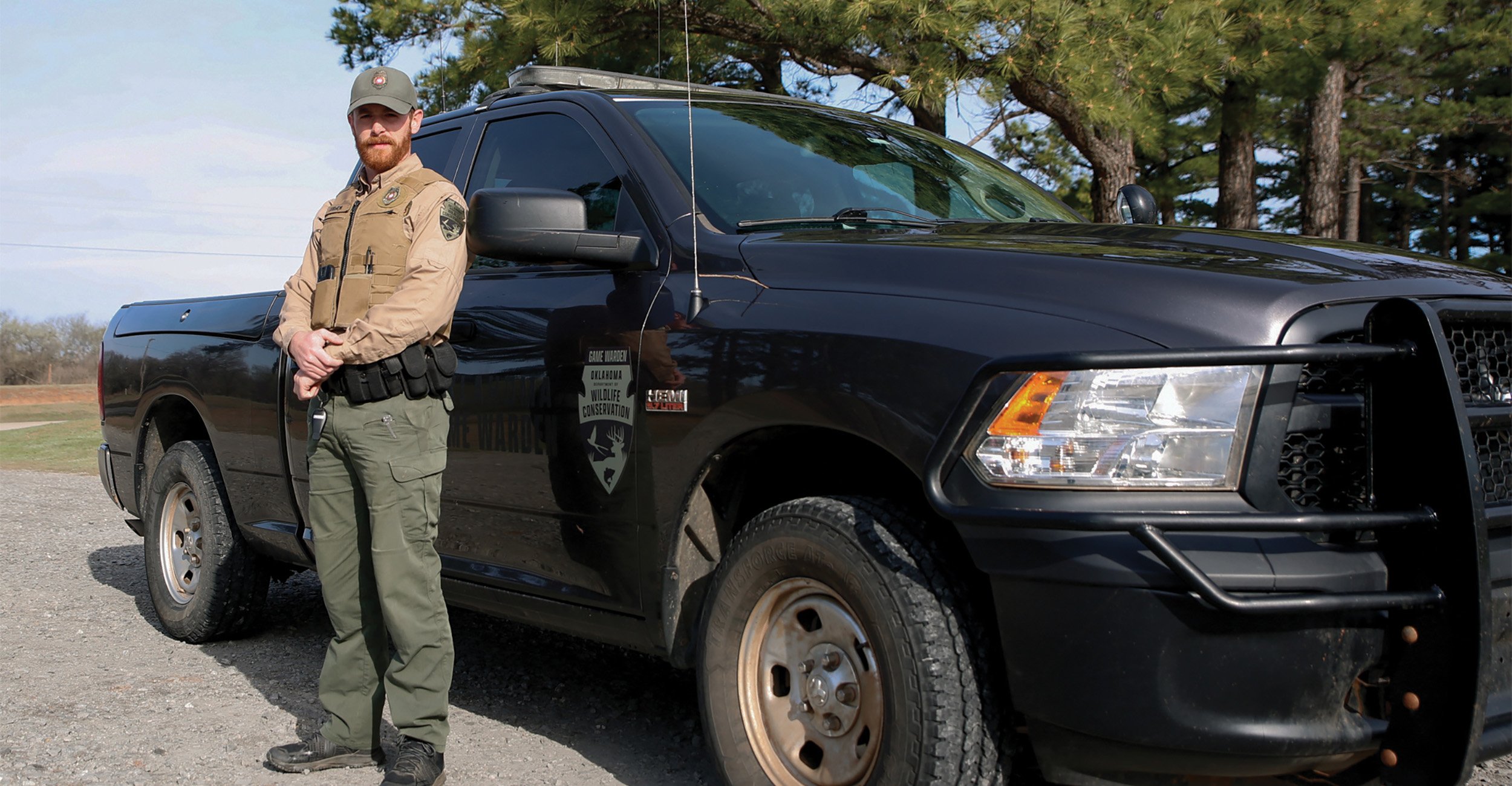
To become a game warden in Oklahoma, you must meet specific requirements, including being at least 21 years old, possessing a bachelor’s degree, passing physical and psychological exams, and successfully completing the Oklahoma Law Enforcement Academy training.
Ever dreamt of protecting Oklahoma’s wildlife and wild spaces? Many people ponder how to become a game warden in Oklahoma, and it’s a fascinating path to explore. This career offers a unique blend of law enforcement and conservation.
The journey demands dedication, discipline, and a genuine passion for the outdoors. It’s not just about chasing poachers; game wardens play a vital role in educating the public. They also manage natural resources.

How to Become a Game Warden in Oklahoma
Want to work outdoors, protect wildlife, and keep people safe? Becoming a game warden in Oklahoma might be the perfect job for you! Oklahoma game wardens are law enforcement officers who focus on natural resources. They work to make sure people follow hunting and fishing laws, keep public lands safe and enjoyable, and protect animals and their habitats. It’s a challenging but rewarding career that takes dedication and hard work. This article will guide you through the steps to becoming an Oklahoma game warden. We’ll explore the necessary qualifications, the training process, and what a day in the life of a game warden might look like.
Understanding the Role of an Oklahoma Game Warden
Before diving into the ‘how-to,’ let’s understand exactly what a game warden does. Oklahoma game wardens, officially called Wildlife Conservation Officers, are more than just people who check licenses. They are highly trained law enforcement professionals who have a deep understanding of wildlife management, environmental laws, and public safety. Their work is varied, and a single day may involve several different tasks.
Key Responsibilities of a Game Warden
- Enforcing Wildlife Laws: They make sure hunters and anglers follow the state’s rules and regulations, preventing illegal activities like poaching.
- Patrolling Public Lands: Wardens patrol state parks, wildlife management areas, and other public lands to ensure compliance and respond to emergencies.
- Investigating Violations: They investigate reports of wildlife crimes, collecting evidence and making arrests when needed.
- Public Education: Game wardens teach the public about wildlife, conservation, and outdoor safety through programs and workshops.
- Search and Rescue: They participate in search and rescue operations, assisting people who are lost or injured in the outdoors.
- Community Involvement: Wardens often participate in community events and build relationships with local residents.
- Managing Wildlife: They may help manage wildlife populations through surveys, habitat management, and other programs.
Skills Needed to Be a Successful Game Warden
To be a successful game warden, you need a combination of skills and personal qualities:
- Physical Fitness: Game wardens spend a lot of time outdoors, often in challenging environments. You need to be physically fit and capable of handling demanding situations.
- Excellent Communication: You’ll interact with a wide variety of people, so you need to be able to communicate effectively and clearly.
- Problem-Solving Abilities: You’ll often face complex situations that require quick thinking and good judgment.
- Knowledge of Wildlife and the Outdoors: You need a good understanding of wildlife, their habitats, and how to navigate the outdoors.
- Integrity and Ethics: Game wardens must be honest and follow the law to maintain public trust.
- Ability to Work Independently: While you’ll work with other wardens, you’ll also spend a lot of time working alone.
- Law Enforcement Skills: You must be trained in law enforcement procedures, such as making arrests and handling firearms.
Meeting the Basic Requirements
Before you can even apply, you need to meet some basic requirements set by the Oklahoma Department of Wildlife Conservation (ODWC). These criteria ensure that only qualified individuals are considered for the position.
Age and Citizenship
- Age: You must be at least 21 years old by the time you complete the required law enforcement training.
- Citizenship: You must be a United States citizen.
Education Requirements
- Minimum Education: You must have at least a high school diploma or a GED certificate.
- Preferred Education: A college degree, particularly in fields like wildlife management, criminal justice, natural resources, or a related area, is beneficial and often makes you more competitive. Coursework in biology, ecology, or conservation science can be very useful.
Background Checks and Driving Records
A clean background is very important for this law enforcement job. Here’s what the ODWC will check:
- Criminal Background: You’ll have a thorough background check, and a criminal record could disqualify you. Any serious felonies will be major hurdle.
- Driving Record: A clean driving record is also important. Frequent traffic violations or serious driving offenses can harm your chances. You must have a valid driver’s license to drive department vehicles.
The Application Process
Once you meet the basic requirements, you can start the application process. This usually involves several steps, and it can take time.
Where to Find Openings
The ODWC typically posts job openings on its official website. You’ll find them in the careers section or human resources section. It’s also a good idea to check state job boards and other online job websites that list government positions. Check these resources regularly because openings may not be available all the time.
The Initial Application
The first step is to submit an application, either online or via mail. You’ll need to provide:
- Your contact information
- Education history
- Work history
- References
- Other relevant information
Make sure all your information is accurate and that you follow all the directions in the job posting very carefully. Any mistake may cost you your chance for this career. This is a competitive field, so take the time to make sure your application makes a good first impression.
Testing and Interview
If your initial application is accepted, you’ll likely need to complete a written exam. This exam often tests your knowledge of:
- Law enforcement procedures
- Wildlife conservation
- Environmental regulations
- General knowledge
If you pass the written exam, you’ll move on to the interview stage. Here, the ODWC team will evaluate your:
- Communication skills
- Problem-solving ability
- Relevant work experience
- Your passion for the job
This interview will be quite detailed and it’s best to be prepared and have practiced with several common interview questions. You might be asked about your experiences in the outdoors, your knowledge of wildlife management, and how you would handle various law enforcement scenarios.
Attending the Oklahoma Game Warden Academy
If you pass the interview, congratulations! You’re one step closer. The next step is attending the Oklahoma Game Warden Academy. This is a very important part of your training, as you’ll be taught the necessary skills and knowledge for the job.
What to Expect at the Academy
The academy is a rigorous training program that can last for several months. You’ll learn about:
- Law Enforcement: You will study state and federal laws, police procedures, arrest techniques, and firearms training.
- Wildlife Management: You’ll gain knowledge about various wildlife species, their habitats, and population management techniques.
- Environmental Regulations: You’ll study laws concerning water, soil, and air quality, as well as regulations about pollution and hazardous materials.
- First Aid and Safety: You’ll learn first aid, CPR, and other safety procedures to prepare for medical emergencies and other dangerous situations in the outdoors.
- Physical Fitness: There will be physical training to make sure you are in shape for the job. You will need to complete physical challenges to show your endurance and stamina.
The Importance of the Academy
The academy is essential because it prepares you for real-world situations. It’s not just about learning from textbooks or lectures; you’ll also participate in practical exercises, simulations, and scenario-based training. The training you get at the academy is needed to make sure that you can be a successful and safe officer in the field. This also helps you to be prepared to handle different situations that may arise during your career. This training will build not only your physical strength, but your mental strength as well.
Field Training and Probation
After graduating from the academy, you will go through a period of field training. This is when you will work with an experienced game warden who will help you apply the knowledge you gained at the academy.
Working with a Field Training Officer
Your field training officer (FTO) will teach you the practical side of the job. You will go on patrol with them, assist in investigations, and learn how to interact with the public. The FTO will evaluate your performance and give you feedback so that you can keep improving.
Probation Period
Most game warden positions have a probation period. During this time, you’ll continue to be supervised, and your performance will be closely reviewed. This is like a trial period to determine if you’re a good fit for the job. To pass the probation period, you must consistently demonstrate that you have the skills and work ethic to be a game warden.
Continuing Education and Career Advancement
Even after you complete the training, becoming a game warden is a continuous journey of learning and professional growth. You will need to keep your skills sharp and stay up-to-date on new laws and best practices.
Ongoing Training and Certification
The ODWC provides ongoing training and opportunities for certification in different areas. You may receive training in new technologies, advanced law enforcement tactics, or specialized wildlife management topics. These trainings are important to help you stay current in your career.
Career Advancement Opportunities
There are many ways you can advance your career as a game warden. You could move into a leadership position, such as a supervisor or captain. You may also choose to specialize in an area, such as investigations, training, or K-9 handling. The amount of opportunities will depend on your hard work, your qualifications, and your dedication to your career.
Life as an Oklahoma Game Warden
Becoming a game warden is not just a job; it’s a lifestyle. It can be very challenging, but it can also be extremely rewarding.
Daily Activities and Challenges
Game wardens work a wide variety of hours and will be in all kinds of conditions. Some of the things they do in their work include:
- Patrols: Much time is spent patrolling public lands, by truck, boat, and on foot.
- Enforcement: Checking licenses, enforcing laws, and apprehending people who are in violation of the law.
- Public Interaction: Educating the public, answering questions, and building relationships.
- Investigations: Investigating reports of wildlife violations and collecting evidence.
- Paperwork: Completing reports and handling the administrative side of the job.
- Emergency Response: Participating in search and rescue operations and responding to emergencies.
Rewards and Benefits
The benefits of a game warden career include:
- Making a Difference: You are working to protect wildlife and the environment.
- Outdoor Lifestyle: Working outdoors every day.
- Job Security: Government jobs tend to be stable.
- Competitive Salary: Good salary and benefits package.
- Variety: Every day brings a new challenge.
Work-Life Balance
It can sometimes be difficult for game wardens to balance their work and personal lives, due to the unusual hours and demanding nature of the job. You must learn to manage your time and priorities, especially when you are on-call and may have to work different shifts. A good support system can make it easier to deal with the work related challenges that come with the job.
Additional Resources for Aspiring Game Wardens
For more information and resources, you can explore the following options:
- Oklahoma Department of Wildlife Conservation Website: Check the ODWC’s official site for job listings and detailed information about the agency.
- State Job Boards: These resources list government job openings throughout Oklahoma, including game warden positions.
- Professional Organizations: Look for organizations related to wildlife, conservation, or law enforcement for networking and educational opportunities.
- Mentorships: Try to connect with a current game warden in Oklahoma and ask them about the job and career. You can often learn the most from people working in the field.
Becoming a game warden in Oklahoma is not a simple task. It requires dedication, hard work, and a deep passion for wildlife and the outdoors. If you possess these qualities, then this can be a rewarding career for you. Remember to stay focused on the goal and keep pursuing your dream of becoming a game warden.
Become an Oklahoma Game Warden
Final Thoughts
Becoming a game warden in Oklahoma requires meeting specific criteria. You must be at least 21 years old and possess a bachelor’s degree in a related field. Completing the Oklahoma Law Enforcement Academy is also a must.
Next, pass a rigorous background check and physical fitness test. Candidates must demonstrate strong communication and problem-solving skills. The Oklahoma Department of Wildlife Conservation provides detailed application information.
In conclusion, understanding the education, training, and testing requirements is key to achieving your goal. Successfully completing these steps outlines how to become a game warden in Oklahoma.

