
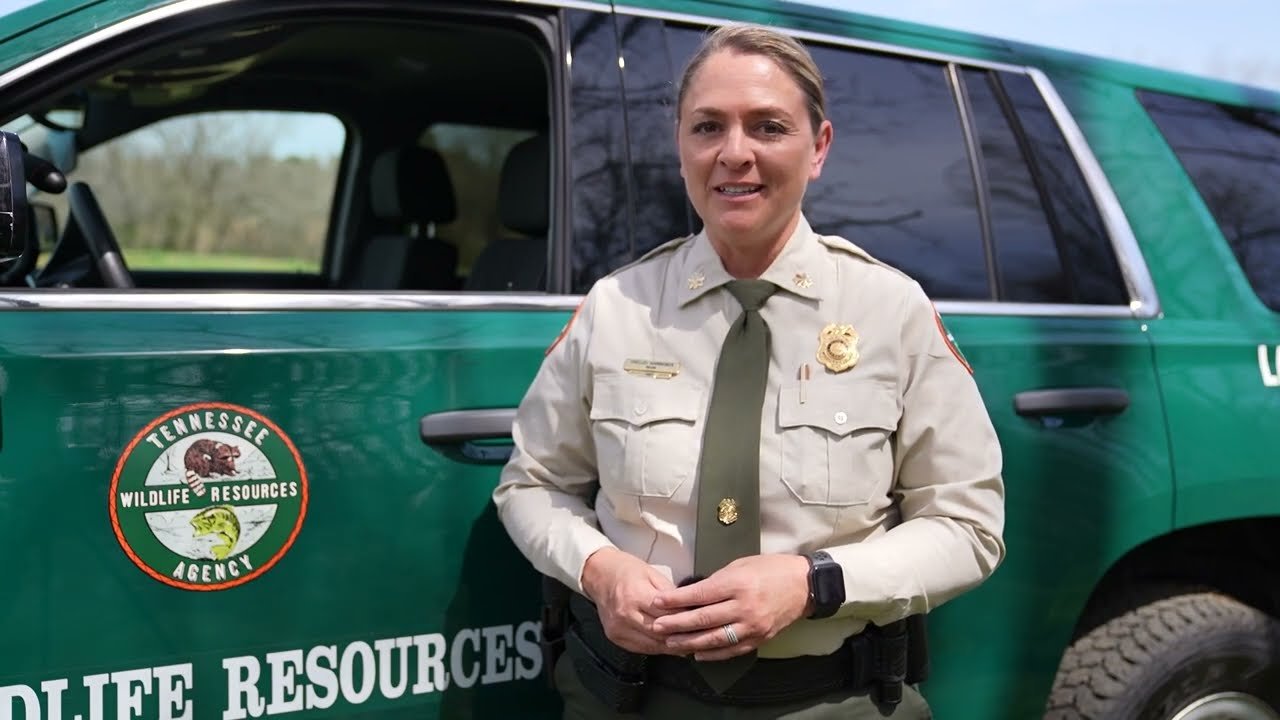
To become a game warden in Tennessee, you’ll generally need a bachelor’s degree, often in a related field like wildlife management or criminal justice, and successfully complete the Tennessee Wildlife Resources Agency’s (TWRA) rigorous training academy.
Ever wondered what it takes to protect Tennessee’s diverse wildlife and stunning natural resources? Many find themselves asking: how to become a game warden in Tennessee. It’s a rewarding career path that combines a love for the outdoors with a commitment to law enforcement and conservation.
The journey demands dedication. It starts with the right education and physical fitness. Then, you must successfully navigate a competitive selection process.
Ultimately, becoming a Tennessee game warden is about serving as a guardian of the state’s wild spaces, ensuring their preservation for generations to come.

How to Become a Game Warden in Tennessee
Becoming a game warden in Tennessee is a challenging but rewarding career path. It requires dedication, physical fitness, and a strong commitment to conservation.
Game wardens, also known as wildlife officers, are responsible for enforcing hunting and fishing laws. They also protect wildlife and their habitats.
Educational Requirements
A solid educational foundation is crucial. Most aspiring game wardens need at least a bachelor’s degree.
A degree in wildlife management, criminal justice, or a related field is highly recommended. These programs provide valuable knowledge and skills.
Consider focusing your studies on biology, ecology, or law enforcement. These areas are directly relevant to the job.
Tennessee Wildlife Resources Agency (TWRA) Requirements
The TWRA sets specific requirements for game warden candidates. Meeting these requirements is essential for consideration.
You must be at least 21 years old. A valid driver’s license is also necessary.
Applicants must also possess a good moral character. A background check will be conducted.
Application Process
The application process can be competitive. Thorough preparation is key to a successful application.
The TWRA typically posts job openings on its website. Check the website regularly for opportunities.
Submit a complete and accurate application. Include all required documents and information.
Written Exam
Applicants must pass a written exam. This exam tests knowledge of wildlife laws and regulations.
It also assesses general knowledge and reasoning skills. Studying relevant materials is crucial.
Practice tests can help you prepare. Familiarize yourself with the exam format and content.
Physical Agility Test
Physical fitness is vital for game wardens. The physical agility test evaluates your physical capabilities.
The test typically includes running, swimming, and other physically demanding activities. Train regularly to improve your fitness level.
Prepare for the specific requirements of the TWRA physical agility test. Know what to expect on test day.
Interview Process
Successful candidates will be invited for an interview. This is your opportunity to demonstrate your qualifications and passion.
Prepare for common interview questions. Practice your responses to ensure you articulate your thoughts clearly.
Highlight your relevant experience and skills. Emphasize your commitment to conservation.
Background Investigation
A thorough background investigation is conducted. This includes a criminal history check and reference checks.
Be honest and transparent throughout the process. Disclosing any relevant information is essential.
Maintain a clean record. This will increase your chances of passing the background check.
Psychological Evaluation
A psychological evaluation is often required. This assesses your mental and emotional suitability for the job.
Be prepared to answer questions about your personality and behavior. Answer honestly and openly.
The evaluation helps ensure you can handle the stress and demands of the job.
TWRA Training Academy
Selected candidates will attend the TWRA Training Academy. This intensive training program prepares you for your role.
The academy covers various topics, including law enforcement, wildlife management, and firearms training. Participate actively in all training sessions.
Learn from experienced instructors and fellow recruits. Build strong relationships with your colleagues.
Field Training
After graduating from the academy, you’ll undergo field training. This involves working with experienced game wardens.
This hands-on experience allows you to apply what you learned in the academy. Learn from experienced officers.
Observe different situations and how they are handled. Develop your skills and confidence.
Continuing Education
Game wardens are required to participate in continuing education. This ensures they stay up-to-date on the latest laws and regulations.
It also provides opportunities to enhance their skills and knowledge. Attend relevant workshops and seminars.
Stay informed about current issues in wildlife management and conservation.
Essential Skills for Game Wardens
Several skills are crucial for success as a game warden. These skills help you effectively perform your duties.
Communication Skills: Effectively communicate with the public, other law enforcement agencies, and TWRA personnel.
Problem-Solving Skills: Analyze situations and make sound decisions in challenging circumstances.
Physical Fitness: Maintain a high level of physical fitness to perform demanding tasks.
Knowledge of Wildlife: Possess a thorough understanding of wildlife and their habitats.
Law Enforcement Skills: Enforce laws and regulations effectively and fairly.
Responsibilities of a Game Warden
Game wardens have a wide range of responsibilities. These responsibilities contribute to the protection of wildlife and natural resources.
Enforcing Hunting and Fishing Laws: Ensure compliance with regulations to protect wildlife populations.
Investigating Wildlife Crimes: Investigate poaching and other illegal activities that harm wildlife.
Patrolling Assigned Areas: Monitor wildlife populations and enforce regulations in assigned areas.
Educating the Public: Promote conservation and responsible outdoor recreation.
Responding to Emergencies: Assist in search and rescue operations and other emergencies.
Career Advancement Opportunities
Game wardens can advance in their careers. Opportunities exist for promotion and specialization.
Supervisory positions offer leadership opportunities. These positions involve managing and overseeing other game wardens.
Specialized roles focus on specific areas, such as wildlife investigations or conservation education. Pursue certifications and training to enhance your career prospects.
Salary and Benefits
The salary for game wardens in Tennessee varies. It depends on experience and rank.
The TWRA offers a comprehensive benefits package. This includes health insurance, retirement plans, and paid time off.
Consider the long-term benefits of a career as a game warden. The rewards extend beyond financial compensation.
Job Outlook
The job outlook for game wardens is stable. There is a continued need for individuals dedicated to conservation.
Competition for positions can be strong. A strong education and relevant experience will make you competitive.
Be prepared to work in challenging conditions. The work can be physically and mentally demanding.
The Daily Life of a Tennessee Game Warden
The daily life of a Tennessee Game Warden is varied and unpredictable. It requires adaptability and a commitment to serving the community and protecting wildlife.
Game wardens rarely have a typical day. Their schedules are often dictated by the seasons, weather, and specific needs of their assigned areas.
Patrolling Waterways: Monitoring fishing activity and enforcing regulations on Tennessee’s lakes and rivers. This involves checking fishing licenses and ensuring compliance with size and creel limits.
Checking Hunters: Ensuring hunters possess valid licenses and are following all hunting regulations. This includes verifying proper permits and checking for illegal game.
Responding to Wildlife Calls: Addressing issues such as injured animals or nuisance wildlife. This could involve rescuing an injured deer or relocating a bear that has wandered into a residential area.
Enforcing Regulations
Enforcement is a crucial aspect of a game warden’s role. They must be knowledgeable about all relevant laws and regulations.
They must also be able to effectively communicate these regulations to the public. This can involve issuing warnings or citations, depending on the severity of the violation.
Investigating Violations: Investigating reports of illegal hunting, fishing, or trapping activities. This can involve collecting evidence, interviewing witnesses, and preparing cases for prosecution.
Testifying in Court: Presenting evidence and testimony in court cases related to wildlife violations. They need to be credible witnesses and effectively communicate their findings.
Community Engagement
Game wardens also play an important role in community engagement. They work to educate the public about wildlife conservation.
They also promote responsible outdoor recreation. This helps build positive relationships with the community.
Giving Presentations: Presenting educational programs to schools, civic groups, and other organizations. They often cover topics such as wildlife identification, habitat conservation, and outdoor safety.
Participating in Events: Attending community events to promote conservation and answer questions from the public. This helps build trust and positive relationships.
Habitat Management
Tennessee Game Wardens are involved in habitat management and conservation efforts. They work to protect and enhance wildlife habitats.
This includes monitoring habitat conditions and participating in habitat restoration projects. They collaborate with other agencies and organizations to achieve conservation goals.
Monitoring Wildlife Populations: Conducting surveys and collecting data to monitor wildlife populations. This information is used to make informed management decisions.
Habitat Restoration: Participating in projects to restore degraded habitats. This can involve planting trees, restoring wetlands, and improving water quality.
Responding to Natural Disasters
Game Wardens are often called upon to assist during natural disasters. Their skills and training are valuable in emergency situations.
They may assist with search and rescue operations. They may also help with evacuations and providing aid to affected communities.
Search and Rescue: Participating in search and rescue operations in wilderness areas. Their knowledge of the terrain and survival skills are invaluable in these situations.
Evacuation Assistance: Assisting with the evacuation of people and animals during natural disasters. They ensure the safety of the public and their pets.
Different TWRA Divisions and Specializations
The TWRA offers various divisions and specializations for game wardens. Each division focuses on a specific area of wildlife management and law enforcement.
Choosing a specialization allows you to focus your skills and knowledge in a particular area of interest. Consider your strengths and interests when selecting a specialization.
Wildlife Investigations: Focuses on investigating complex wildlife crimes. This division often deals with poaching rings and other large-scale violations.
Boating Enforcement: Focuses on enforcing boating laws and regulations. This includes ensuring boater safety and preventing boating accidents.
Fisheries Management: Focuses on managing and protecting fish populations. This involves conducting fish surveys, managing fishing regulations, and restoring fish habitats.
Wildlife Investigations Division
This specialized unit handles complex and high-profile wildlife crimes. They often work undercover to investigate illegal activities.
The unit also utilizes advanced technology and forensic techniques. These investigations can be lengthy and require extensive training.
Undercover Operations: Conducting undercover operations to infiltrate illegal wildlife trafficking networks. This requires specialized training and skills in surveillance and deception.
Forensic Analysis: Utilizing forensic techniques to analyze evidence collected at crime scenes. This can include DNA analysis, ballistics analysis, and other scientific methods.
Boating Enforcement Division
This division focuses on ensuring safety on Tennessee’s waterways. They enforce boating laws and regulations.
They also respond to boating accidents and assist with search and rescue operations. This division requires specialized training in boating safety and rescue techniques.
Boating Safety Inspections: Conducting safety inspections on boats to ensure they meet safety requirements. This includes checking for proper equipment, such as life jackets and fire extinguishers.
Accident Investigation: Investigating boating accidents to determine the cause and prevent future incidents. This involves collecting evidence, interviewing witnesses, and reconstructing the accident.
Fisheries Management Division
This division manages and protects Tennessee’s fish populations. They conduct fish surveys to assess fish populations.
They also manage fishing regulations to ensure sustainable fishing practices. Habitat restoration projects are also a key part of their work.
Fish Population Surveys: Conducting surveys to monitor fish populations and assess their health. This involves collecting data on fish abundance, size, and species composition.
Habitat Restoration Projects: Participating in projects to restore degraded fish habitats. This can involve removing dams, restoring stream banks, and improving water quality.
Become A Tennessee Wildlife Officer
Final Thoughts
To become a game warden in Tennessee, you must meet specific requirements. It involves education, often a bachelor’s degree. Furthermore, you must pass physical and psychological evaluations.
Training at the Tennessee Law Enforcement Training Academy is also essential. This academy provides comprehensive law enforcement education. It also prepares you for the demands of the job.
Ultimately, how to become a game warden in Tennessee requires dedication and perseverance. Meeting the necessary requirements and excelling in training prepares you for a challenging, rewarding career.

