
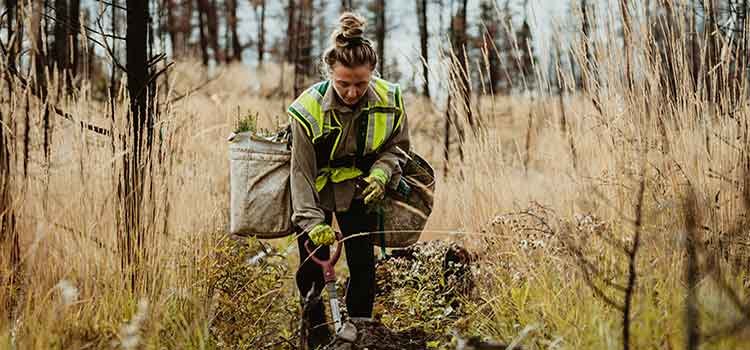
To become a game warden, you generally need a bachelor’s degree in a related field, pass a physical fitness test, complete a training academy, and get certified by your state.
Have you ever dreamed of protecting wildlife and conserving natural resources? Many people have a strong passion for the outdoors and a desire to make a difference. Learning how to become a game warden is a common goal for those with such interests.
This path requires dedication and hard work, starting with education and rigorous training. It involves a commitment to public service and a love for the wild.

How to Become a Game Warden
Becoming a game warden is a really cool job! Imagine spending your days in nature, protecting animals and their homes. If you love the outdoors and care about wildlife, this might just be the perfect career for you. But how exactly do you become one? It’s not as simple as putting on a hat and walking into the woods. There are steps to take, skills to learn, and a lot of dedication involved. Let’s explore the path to becoming a game warden.
Understanding the Role of a Game Warden
Before we dive into the how-to, let’s talk about what a game warden actually does. These dedicated professionals are like the guardians of nature. They are law enforcement officers, but instead of patrolling cities, they patrol forests, lakes, and other wild areas. Game wardens work for state or federal agencies, and their primary duty is to enforce laws and regulations designed to protect wildlife and the environment.
What does a Game Warden do?
- Enforce Hunting and Fishing Laws: They make sure people have the correct licenses and are following rules about when and what they can hunt or fish.
- Investigate Violations: If someone breaks the law, like hunting out of season, game wardens will investigate and take necessary actions.
- Protect Wildlife: They work to prevent poaching and make sure animals have safe places to live.
- Educate the Public: They teach people about wildlife conservation and how to enjoy nature responsibly.
- Respond to Emergencies: Game wardens might assist during natural disasters, search and rescue operations, or with injured animals.
- Maintain Natural Habitats: They help in managing and protecting the places where animals live, making sure they are healthy and safe.
This job requires not just a love for nature, but also a strong sense of responsibility and a willingness to work hard, sometimes in challenging conditions. It is much more than simply being outdoors; it’s about conservation and helping our planet.
Educational Requirements: Starting Your Journey
The first step on your path to becoming a game warden is getting the right education. The requirements can vary, depending on the state you want to work in, but some general educational guidelines apply across the board.
High School Diploma or Equivalent
A high school diploma or a General Educational Development (GED) certificate is usually the minimum requirement to begin the journey to becoming a game warden. This forms a base and shows that you can learn and understand subjects. Courses in biology, environmental science, and math can be helpful, too.
Associate’s or Bachelor’s Degree
While some states might accept an associate’s degree, most prefer, or even require, a bachelor’s degree. A bachelor’s degree in a relevant field will greatly improve your chances of getting hired and also help you to progress through the agency. Here are some fields that are particularly relevant:
- Wildlife Management: This is a popular choice because it teaches you about animal behavior, habitat management, and conservation practices.
- Ecology: Learning about how different species interact within their environments is crucial. This degree provides an excellent base for understanding the science behind conservation.
- Environmental Science: This degree covers a broad area that includes ecology, resource management, and conservation and also addresses pollution and its impact on wildlife.
- Criminal Justice: Since game wardens are also law enforcement officers, a background in criminal justice can give you useful insights into law enforcement procedures and legal regulations.
- Natural Resources Management: This is another good option that focuses on the sustainable management of natural resources, including forests, water bodies, and wildlife.
- Biology: A basic understanding of living organisms and their functions.
During your college years, try to gain experience by doing internships or volunteer work in related areas, which will be a big plus in your resume.
Gaining Essential Skills and Experience
Education is important, but it’s not everything. You need to acquire some practical skills and experience to be a good game warden. Here are ways to build your skill set.
Physical Fitness
Game wardens often work in demanding physical conditions. You could be hiking through forests, swimming across streams, or climbing steep hills. You should be physically fit to meet the demands of the job. Here’s how you should work on your physical fitness:
- Regular Exercise: Develop a workout routine that includes cardiovascular exercises like running, swimming, or cycling, and strength training.
- Practice Outdoor Activities: Get involved in hiking, camping, and other outdoor activities. This will also help you become comfortable working in nature.
Law Enforcement Training
Remember, game wardens are law enforcement officers. You’ll need to attend a police academy or a similar training program. These programs will teach you:
- Law and Procedures: You’ll learn about laws, arrest procedures, and rules of evidence.
- Self-Defense and Firearms: You will be taught how to handle firearms safely and how to defend yourself if necessary.
- First Aid and CPR: Knowing how to respond to emergencies and provide aid is a must for any law enforcement officer.
- Communication Skills: It is important to communicate effectively with the public, your peers, and superiors.
Wilderness Skills
Living in the wilderness sometimes means being able to deal with unexpected situations. Skills you should develop include:
- Navigation: Learning to use a map and compass is very important, as there are no roads in the wild. Also understanding of GPS and other digital navigation methods.
- Survival Techniques: Know how to build shelters, start a fire, and find food and water in the wild.
- Tracking: Ability to identify animals by their footprints, scat, and other signs is a great skill.
Wildlife Knowledge
A deep understanding of local wildlife is crucial for any game warden. This knowledge will help you identify species and notice if anything is amiss in the habitats.
- Identify Species: You should be able to identify local animals and plants.
- Understand Behavior: Learning about animal behavior patterns will help you protect the wildlife.
- Know Their Needs: Understanding the needs of different animals in terms of food, water, and shelter helps with habitat management.
The Application and Hiring Process
So, you have the education, skills, and experience. Now what? It’s time to apply to be a game warden. This process can be competitive, so being prepared is crucial. Here’s what you can expect:
Job Openings and Requirements
Start by researching the game warden agencies in your state. Look at their websites to learn about job openings and specific requirements. Each state may have slightly different qualifications.
- State Agencies: Most game wardens are employed by state-level agencies like the Department of Natural Resources, Fish and Wildlife Agency, or similar.
- Federal Agencies: If you want to work in a National Park or Wildlife Refuge, look at the job opportunities with federal agencies like the U.S. Fish and Wildlife Service.
The Application
Once you find an opening you are interested in, make sure your application is well-written, and you follow all guidelines.
- Resume and Cover Letter: Highlight your education, experience, and skills and make sure to tailor them to the job description.
- Background Check: You will have a thorough background check, so make sure you have a clean record.
The Interview
Interviews are usually a very important part of the process. Be prepared to answer questions about why you want to be a game warden, what you can bring to the agency, and how you would handle different situations in the field.
Physical and Psychological Tests
Most agencies require you to pass physical fitness and psychological tests to make sure that you are mentally and physically fit to handle the demands of the job.
Academy Training
If you are selected for the position, you’ll likely have to attend the agency’s training academy. This training program typically covers law enforcement procedures, environmental law, wildlife management, and more. You will also spend time doing practical training in the field.
Life as a Game Warden
After you finish the hiring process, you will get to start your new career as a game warden. Your daily life will likely be different from a regular office job.
Day-to-Day Activities
- Patrolling: You’ll spend time patrolling assigned areas in your state to enforce wildlife laws.
- Investigating: You will investigate hunting and fishing violations.
- Working Odd Hours: Many game wardens work evenings, weekends, and holidays since these are common times for people to hunt or fish.
- Working Outside: Most of your job will be spent outdoors, regardless of the weather, so be prepared to work in the sun, rain, snow, and other weather.
- Meeting People: You will interact with people, educate the public, and answer their questions.
- Paperwork: It’s not all about being outside. Game wardens have a lot of paperwork including completing reports and documenting their findings.
Challenges of the Job
Being a game warden isn’t always easy. Here are some of the difficulties that you may face:
- Dangerous Situations: You might encounter people breaking the law, and they could be armed.
- Working Alone: Sometimes, you may work by yourself in remote areas, which could be dangerous if you run into trouble.
- Long Hours: The job can be unpredictable and often requires long hours.
- Emotional Toll: Dealing with animal cruelty, injured animals, and poachers can be emotionally challenging.
Rewards of the Job
Despite these challenges, the job can be very rewarding. Here are a few of the positive aspects of the role of game warden:
- Helping Wildlife: You get to protect wildlife and their habitats.
- Being Outdoors: If you enjoy nature, you get to work in beautiful outdoor locations every day.
- Making a Difference: You will be making a real difference in protecting the environment for future generations.
- Sense of Accomplishment: Knowing you are enforcing the law and making sure nature is respected gives a great sense of achievement.
Continuing Education and Career Advancement
Even after you get the job, learning doesn’t stop. Game wardens are required to take continuing education courses to stay updated on new laws, techniques, and equipment. With experience, you can move into specialized roles like detective, trainer, or supervisor.
Game Warden Salary and Benefits
The salary of a game warden varies from state to state and depends on experience. Generally, starting salaries are lower, and you can earn more with experience and rank.
In addition to the salary, game wardens also often receive benefits like:
- Health Insurance
- Retirement Plans
- Paid Time Off
It’s a career path that demands dedication, but for those with a passion for the outdoors and a desire to make a difference, being a game warden is a very worthwhile and fulfilling career choice. It is a combination of outdoor adventure, law enforcement, and nature conservation.
Becoming a game warden requires dedication, hard work, and a true love for the outdoors and wildlife. It’s a job that combines law enforcement with a commitment to conservation and the well-being of our natural world. If this sounds like a career you’d be passionate about, remember to prepare thoroughly, stay focused, and you too can make a difference in protecting our environment.
How to Become a Game & Fish Warden
Final Thoughts
Becoming a game warden requires a blend of education and practical experience. Aspiring wardens typically need a degree in wildlife management or a related field. Relevant internships or volunteer work with conservation agencies are extremely beneficial.
This experience helps build critical skills like law enforcement and outdoor expertise. Candidates must also pass physical and psychological tests. Remember, knowing how to become a game warden also involves dedication to protecting wildlife.

