
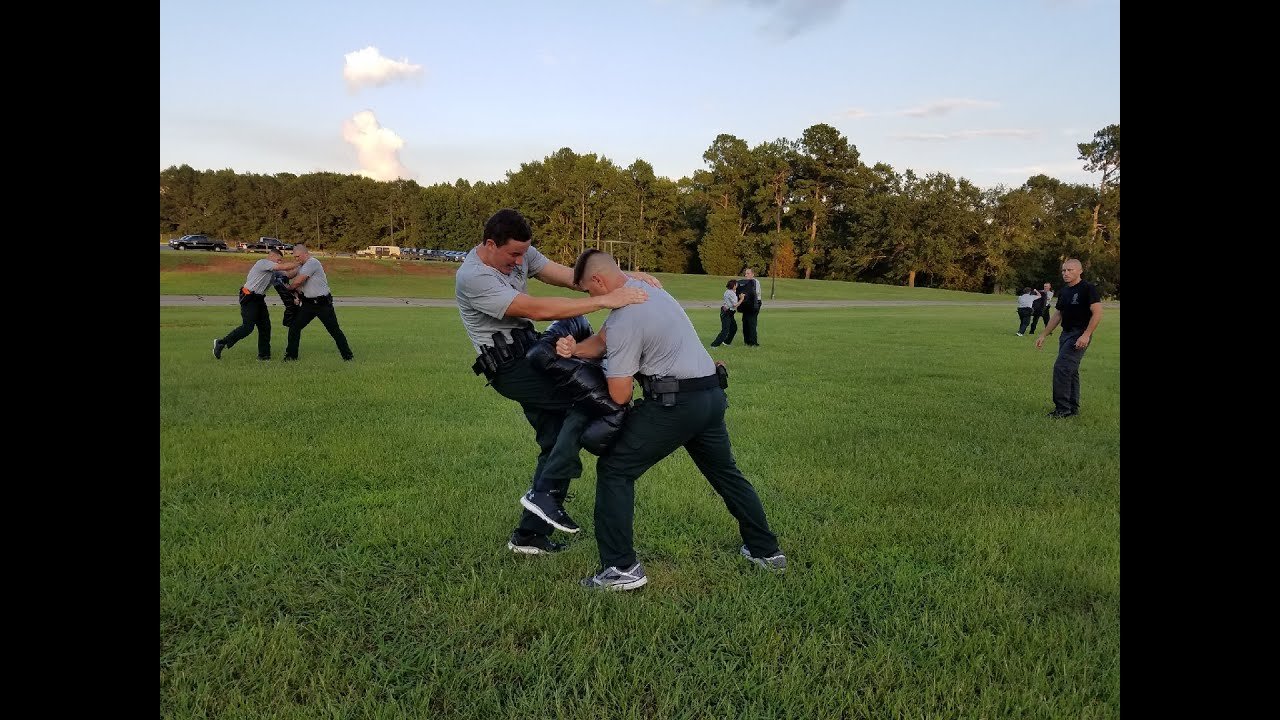
Becoming a Georgia game warden requires completing a rigorous training program after meeting minimum qualifications like age and education, then passing exams and background checks.
Ever dreamt of protecting Georgia’s natural resources? Do you envision a career spent outdoors, ensuring the state’s wildlife thrives? If so, you’re probably wondering how to become a Georgia game warden. It’s a challenging path, but a deeply rewarding one for those passionate about conservation.
This career path isn’t for everyone; it demands dedication and physical fitness. The process involves specific educational requirements, thorough training, and passing stringent background investigations. The journey, however, leads to a fulfilling position safeguarding the beauty of Georgia.

How to Become a Georgia Game Warden
Becoming a Georgia Game Warden, also known as a Conservation Ranger, is a rewarding career path for those who love the outdoors, wildlife, and protecting natural resources. It’s more than just a job; it’s a calling to serve and conserve Georgia’s beautiful landscapes. If you’re dreaming of spending your days in nature, enforcing laws, and educating the public, this detailed guide will show you the steps to achieve your goal. Let’s explore what it takes to join the ranks of Georgia’s finest protectors of the wild.
Understanding the Role of a Georgia Game Warden
Before diving into the specific steps, let’s first understand what a Georgia Game Warden does. These dedicated professionals are sworn law enforcement officers with the Georgia Department of Natural Resources (DNR), Wildlife Resources Division. Their responsibilities are diverse and challenging, making each day unique.
Core Responsibilities
- Enforcing Wildlife Laws: Game wardens enforce state laws and regulations related to hunting, fishing, boating, and other outdoor activities. They ensure that everyone follows the rules to protect wildlife populations and habitats.
- Investigating Violations: When someone breaks the law, it’s the game warden’s job to investigate. This could involve anything from illegal hunting to polluting waterways. They gather evidence, interview witnesses, and prepare cases for court.
- Public Education: Game wardens aren’t just about enforcement. They also play a crucial role in educating the public about conservation, safety, and responsible use of natural resources. They might give presentations to schools, community groups, or at public events.
- Search and Rescue: When people get lost or injured in the outdoors, game wardens often participate in search and rescue operations. Their knowledge of the terrain and their training make them valuable assets in these situations.
- Wildlife Management: Game wardens also assist with wildlife management projects, such as tracking animal populations, conducting habitat assessments, and relocating animals when necessary.
- Maintaining Equipment: They are responsible for the upkeep of their equipment, such as vehicles, boats, and firearms.
Daily Life of a Georgia Game Warden
The daily life of a game warden is anything but monotonous. It’s often dictated by the seasons and specific needs of the region. Some days, they might be patrolling a lake, checking fishing licenses; other days, they could be hiking through the woods, looking for signs of illegal hunting. They might also be responding to a call about an injured animal, teaching a hunter safety class, or assisting other law enforcement agencies. Working hours are not always regular, and they might have to work weekends, evenings, and holidays.
The job requires physical fitness, a strong work ethic, and a commitment to protecting Georgia’s natural resources. Game wardens are often working alone, so they need to be self-reliant and capable of handling challenging situations.
Educational Requirements for Becoming a Georgia Game Warden
The path to becoming a Georgia Game Warden begins with meeting certain educational qualifications. While a bachelor’s degree isn’t mandatory, it can significantly improve your chances of being selected and can lead to higher starting pay and career advancement opportunities.
Minimum Educational Standards
To be considered for a position, you need to have a minimum education level. Here is the requirement:
- High School Diploma or GED: At the very least, you must have a high school diploma or a General Education Development (GED) certificate. This proves that you have finished secondary education and can read and write.
Preferred Educational Background
While the minimum requirement is a high school diploma, candidates with higher education are often preferred. A degree in a relevant field is beneficial. Here are some preferred majors:
- Natural Resources: A degree in natural resource management, conservation, forestry, or a similar field is highly valued. These programs provide a solid understanding of ecosystems, wildlife biology, and environmental issues.
- Criminal Justice: A background in criminal justice or law enforcement is also advantageous. This education prepares you for the law enforcement aspects of the job, including investigations and legal procedures.
- Biology or Ecology: A degree in biology or ecology can give you valuable insight into the natural world, how ecosystems work, and the biology of the animals you’ll be working to protect.
- Environmental Science: With a focus on environmental processes and issues, this degree aligns well with the conservation goals of a game warden.
Having a relevant college degree not only provides you with the knowledge you’ll need, but it also demonstrates your dedication and commitment to the field. It often comes with preference in the selection process.
Importance of Continuing Education
The learning doesn’t stop after you’re hired. Georgia DNR provides ongoing training and professional development opportunities to keep game wardens updated on new laws, technologies, and conservation strategies. Continuing education helps game wardens stay effective in their roles throughout their careers.
Age and Citizenship Requirements
Beyond educational qualifications, there are specific age and citizenship requirements you must meet to become a Georgia Game Warden. These ensure that candidates are mature and eligible to work for the state.
Age Limitations
You must be of a certain age to apply for this position. This requirement is in place to make sure you’re mature enough to handle the responsibilities and challenges of a law enforcement career.
- Minimum Age: You must be at least 21 years old by the date you’re appointed as a game warden.
Citizenship
To be a state employee, you have to be a U.S. citizen. Here is what you should have
- U.S. Citizenship: You must be a United States citizen. This ensures you’re eligible to work for the government and uphold its laws.
These requirements are strictly enforced, and you must meet them before you can begin the application process.
Physical and Psychological Requirements
Being a Georgia Game Warden requires not just mental strength, but also physical and emotional resilience. This job can be demanding, and candidates must be fit enough to handle the physical and psychological challenges.
Physical Fitness Standards
Game wardens need to be physically fit to perform their duties effectively. You will be spending time outdoors in various weather conditions, hiking through rough terrain, and responding to emergencies.
- Physical Agility Test: Candidates must pass a physical agility test, which assesses their endurance, strength, and overall fitness. This may include running, push-ups, sit-ups, and other exercises.
- Medical Examination: You will also be required to undergo a thorough medical examination. This ensures that you are in good health and able to perform the job’s duties.
- Vision Requirements: Normal vision is typically a requirement, and candidates may be tested for visual acuity and color blindness.
- Hearing Requirements: Similarly, they’ll test your hearing ability.
Psychological Evaluation
Beyond physical fitness, psychological stability is equally important. As a law enforcement officer, you will encounter stressful situations, make critical decisions, and handle sensitive issues.
- Psychological Screening: Applicants undergo a psychological evaluation to assess their mental and emotional fitness for the job. This assessment ensures that candidates can handle the stress and pressure involved in law enforcement.
- Background Check: A comprehensive background check is a crucial part of the hiring process. This check delves into your criminal history, personal background, and any past issues that may disqualify you. A history of serious violations can prevent you from becoming a game warden.
The Application Process: Step-by-Step
The application process to become a Georgia Game Warden is rigorous and competitive. It involves several stages, from initial application to completing training. Here’s a step-by-step overview:
Step 1: Online Application
The first step in this process is completing an online application. The Georgia Department of Natural Resources (DNR) often has a specific website or portal where you can apply. You can find application information on the DNR’s official website.
- Gather Required Information: Before you start, gather all required information, including personal information, education details, work history, and references.
- Complete the Form Carefully: Take your time and complete the form carefully and accurately. Mistakes could affect the success of your application.
- Submit the Application: Once you have completed everything and verified all the details, you may submit your online application
Step 2: Initial Screening
Once the DNR receives your application, they will screen it based on the minimum requirements. Only candidates who meet the initial criteria will move to the next stage.
- Review of Qualifications: The DNR will carefully review your educational background, work experience, and other qualifications to make sure you fit the required guidelines.
- Meeting Minimum Standards: It is important that you fulfill all the basic requirements for the game warden position, such as being of the right age and a U.S. citizen. Failing to meet these will disqualify your application.
Step 3: Written Examination
If your application passes the initial screening, you will be invited to take a written examination. This test often evaluates skills like reading comprehension, writing, and basic math, as well as your knowledge of natural resources and law enforcement. Preparation is key for this step.
- Study Materials: Make sure to obtain all the study materials, and study them well.
- Testing Areas: Be ready to face questions on natural resource related topics.
- Time Management: Be prepared to manage the time, so you can complete the test in given time.
Step 4: Physical Agility Test
Those who pass the written test will then be invited to participate in the physical agility test. This is where your physical fitness is tested through a series of exercises. You will need to be in good shape to pass this part.
- Practice Regularly: Start practicing for the physical agility test well in advance.
- Focus on Strength and Endurance: Focus on exercises that build your strength and endurance, like running, push-ups, and sit-ups.
- Rest and Hydrate: Get enough sleep the night before the test, and make sure you are well hydrated.
Step 5: Background Investigation
If you pass the physical fitness test, then you will be subject to a detailed background investigation, which includes checking your personal history, criminal records, and references. This in-depth investigation ensures that you are a suitable candidate for the job.
- Truthfulness: Be truthful on all documents, and when giving information to investigators.
- Provide Accurate Information: Make sure all your information is accurate and complete. Do not try to hide any information from them.
- Cooperation: You must cooperate fully with the investigators and provide them with all the necessary information.
Step 6: Interviews
The next step is a series of interviews, where you will be asked questions about your qualifications, interests, and knowledge of wildlife conservation. These interviews evaluate your suitability for the position and your ability to communicate well.
- Prepare Answers: Prepare thoughtful answers to common interview questions related to conservation, law enforcement, and your personal experiences.
- Be Confident: Be confident and clear while speaking in an interview. Practice before the interview.
- Dress Professionally: Dress professionally and demonstrate enthusiasm for the position.
Step 7: Psychological Evaluation
Candidates who successfully pass the interview stage will undergo a psychological evaluation. This assessment will check your emotional stability and mental health to ensure that you can cope with the stressors of the job.
- Be Open and Honest: Be open and honest during the evaluation and answer all questions truthfully.
- Follow Instructions: Carefully follow all the instructions given by the evaluator.
- Prepare Yourself: Be aware of this process, so that you can go through it without any hassle.
Step 8: Offer of Employment
If you successfully pass all the previous steps, then you will receive a job offer. This is an exciting moment, and a culmination of all the hard work you have put into this. You’re one step closer to becoming a Georgia Game Warden!
- Review the Offer Carefully: Read the job offer and benefits details thoroughly before making a decision.
- Understand Terms: Before signing the offer, make sure you understand all the terms and conditions.
- Confirm the Decision: After you are sure, confirm your acceptance.
Step 9: Training Academy
Once you accept the position, you will attend a basic training academy. This is where you’ll receive formal training in law enforcement, conservation, and other related subjects.
- Rigorous Training: Be prepared for a rigorous training program that combines classroom learning with practical skills development.
- Firearms Training: You will also get training in using and handling firearms safely.
- First Aid Training: Game wardens need to be ready to handle medical emergencies, so they need first aid training.
Step 10: Field Training
After you graduate from the academy, you will enter a field training program. Here, you will work alongside experienced game wardens, and you can learn how to apply your classroom skills in real-life situations.
- Practical Experience: Get real-world practical experience in the field.
- Mentorship: Benefit from mentorship from experienced game wardens.
- Apply what you learned: Learn to apply everything you learned during the academy in the real world.
Step 11: Probationary Period
After your field training, you will complete a probationary period. During this time, your performance is continuously assessed and you will gain the skills and experience to become a full-fledged Georgia Game Warden.
- Performance Evaluation: Be prepared to be evaluated on your performance throughout this period.
- Professionalism: Maintain a high level of professionalism and ethical behavior.
- Ongoing Development: Make the most of the opportunities to grow in your career.
Key Skills and Qualities for Success
To be a successful Georgia Game Warden, you need more than just the required qualifications. Certain skills and personal qualities will help you perform your duties effectively and thrive in this role.
Essential Skills
- Communication Skills: Strong communication skills, both verbal and written, are crucial. You need to be able to interact with the public, educate them about laws, and communicate effectively with fellow officers and the community.
- Problem-Solving Skills: Game wardens often face complex situations that require quick thinking and sound judgment. You need to be able to assess a situation, make decisions, and find appropriate solutions.
- Observation Skills: Being observant is very important. You need to be able to notice small details, track animal signs, and identify signs of illegal activity.
- Physical Fitness: This is the most important point as mentioned above. You have to be in good shape and should be able to do all the physical tasks.
- Navigation Skills: This skill is very important, as you have to navigate through rough terrain and diverse environments, so having a solid navigation skill is crucial.
- Law Enforcement Skills: Knowledge of law and enforcement procedures is critical. You need to be able to enforce laws and handle law enforcement situations appropriately.
- First Aid and Emergency Skills: This is an important skill that is required for search and rescue operations, or if someone needs medical assistance in the field.
Essential Qualities
- Integrity: As a law enforcement officer, you need to have a strong sense of integrity and ethics. You must be fair and unbiased in your duties.
- Dedication: You need to have dedication and a deep commitment to the protection of the wildlife and natural resources.
- Courage: This job can be dangerous and you will face difficult situations, so you need to have courage and be ready to act.
- Responsibility: Game wardens have a huge responsibility and should be able to take that responsibly and be dependable.
- Resilience: This job comes with pressure, so you need to be resilient and should be able to handle any tough situations.
- Patience: Sometimes, you have to be patient while dealing with the public and different situations, so having patience is very important.
- Respect: You need to be respectful to the people and nature. Always treat people and the environment with respect.
Career Advancement Opportunities
A career as a Georgia Game Warden can lead to different paths and opportunities for growth and development. After putting in some years of experience, you can look for a chance to advance in the career path.
Potential Career Paths
- Senior Game Warden: With experience, you can be promoted to a senior game warden, where you would supervise other game wardens and oversee a larger area.
- Investigator: Game wardens with experience can join the investigations team. They focus on complex and severe wildlife crimes.
- Training Officer: Some game wardens become training officers, where they train new recruits at the academy and field.
- Specialized Units: You can also join specialized units such as the K9 unit, boating enforcement unit, or the search and rescue team.
- Management Positions: You can also advance to managerial positions, where you can handle the division or different departments.
Professional Development
Georgia DNR encourages the professional growth of its game wardens by offering various training and development programs to sharpen your knowledge, skills and keep them up to date with the best practices and methods in law enforcement and conservation. These programs help game wardens stay effective in their roles.
Salary and Benefits
While the salary should not be the main reason for choosing this career, it is still important to know what the compensation looks like. Georgia DNR provides benefits to game wardens, making the job even more attractive.
Compensation
The salary of a Georgia Game Warden can vary based on factors such as experience and educational background. But the starting salary is around $40,000 a year. The salary can increase with years of service and promotions.
Benefits
Aside from a competitive salary, Georgia DNR offers some great benefits to its game wardens. Here are some of the common benefits:
- Health Insurance: You will get comprehensive health insurance for yourself and your family.
- Retirement Plan: There is a solid retirement plan with a contribution to your retirement fund.
- Paid Time Off: Paid vacation days, sick time, and holidays.
- Life Insurance: You will get life insurance coverage for your peace of mind.
- Professional Development: Opportunities for continuous professional development to advance in your career.
- Uniforms and Equipment: Georgia DNR provides uniforms and all the equipment necessary for the job.
These benefits contribute to the overall appeal of the position and make it a financially secure choice.
Becoming a Georgia Game Warden is a great opportunity for those who love the outdoors, have a passion for conservation, and want to make a difference. It is a demanding job, but with hard work and passion, it is also a very fulfilling career path.
The GA DNR Game Warden Academy is Challenging
Final Thoughts
To become a Georgia game warden, you must meet specific age and education requirements. You will need to pass background checks and various physical and psychological evaluations. Complete the necessary training at the Georgia Public Safety Training Center.
A thorough understanding of wildlife laws and regulations is must, and you should pursue an applicable degree program. Applying for a position and succeeding in the hiring process concludes your journey on how to become a Georgia game warden.

