
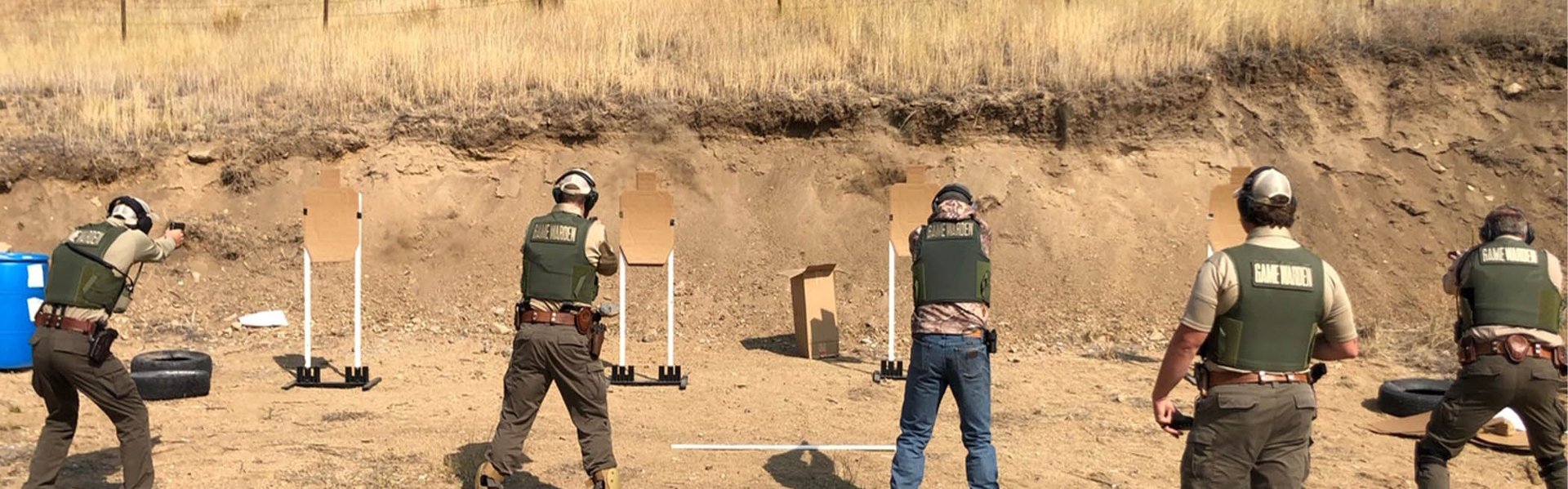
To become a Montana game warden, you must complete required education, pass exams, and undergo training with Montana Fish, Wildlife & Parks.
Ever dreamed of protecting Montana’s stunning landscapes and wildlife? Many people wonder about how to become a Montana game warden. It’s a challenging yet rewarding career path for those passionate about conservation and law enforcement.
The process involves fulfilling educational criteria, succeeding on rigorous tests and completing intensive field training. Aspiring wardens develop specialized skills needed for the job. You will learn a lot about the wildlife and people of this great state.

How to Become a Montana Game Warden
So, you dream of protecting Montana’s incredible wildlife and wild spaces? Becoming a Montana game warden is a challenging but incredibly rewarding career path. It’s not just about catching bad guys; it’s about educating the public, conserving resources, and ensuring everyone can enjoy Montana’s outdoor heritage responsibly. This article will guide you through the steps you’ll need to take to turn that dream into a reality.
Understanding the Role of a Montana Game Warden
Before we dive into the specifics, let’s talk about what a game warden actually does. These dedicated individuals are law enforcement officers, but their focus is on fish and wildlife. They’re often called “conservation officers” because their work is directly tied to preserving Montana’s natural resources for future generations. Here’s a glimpse at their daily tasks:
- Enforcing hunting and fishing laws: This means making sure people have the proper licenses, follow regulations, and don’t harvest animals illegally.
- Investigating wildlife crimes: Game wardens look into cases of poaching, illegal trafficking, and other offenses against wildlife.
- Responding to wildlife conflicts: They handle situations where animals and people clash, such as bears getting into trash or deer causing problems in gardens.
- Conducting public outreach and education: Game wardens teach people about wildlife safety, conservation, and ethical hunting and fishing.
- Patrolling vast and varied landscapes: They work in diverse terrains, from high mountains to plains, on foot, by vehicle, and sometimes even by boat or horseback.
- Collecting data and monitoring wildlife populations: Game wardens gather important information on animal numbers and health to help manage wildlife effectively.
Game wardens don’t work a typical nine-to-five job. Their hours can be irregular, they often work weekends and holidays, and they need to be ready to respond to emergencies at a moment’s notice. This job requires dedication and a passion for the outdoors, and a deep commitment to the principles of conservation.
Educational Requirements
A strong educational foundation is essential to becoming a Montana game warden. Here’s a look at what kind of schooling you’ll need:
Minimum Education
The minimum educational requirement for a Montana game warden is a Bachelor’s degree from an accredited college or university. While there isn’t a specific required major, many successful candidates have degrees in:
- Wildlife Management
- Fisheries Management
- Natural Resource Management
- Criminal Justice
- Environmental Science
- Biology
Why a Bachelor’s Degree Matters
A bachelor’s degree provides a broad base of knowledge in areas critical to conservation law enforcement. These programs help develop skills in:
- Understanding wildlife behavior, ecology, and biology.
- Learning about environmental law and regulations.
- Developing strong writing and communication abilities.
- Gaining proficiency in data collection and analysis.
- Enhancing problem-solving and critical-thinking capabilities.
Even if your degree is in a different field, relevant coursework or experience in these areas can strengthen your application. It’s worth taking classes or seeking volunteer opportunities that align with the work of a game warden.
Preferred Coursework
While the Montana Fish, Wildlife & Parks (FWP) doesn’t specify mandatory coursework, some subjects are exceptionally beneficial. Consider taking classes in:
- Wildlife Law Enforcement: This covers the legal aspects of wildlife management and enforcement procedures.
- Wildlife Ecology: This will help you understand how animals interact with their environment.
- Natural Resource Management: This focuses on sustainable use and conservation of resources.
- Criminal Justice: This gives you insight into law enforcement practices and procedures.
- Conservation Biology: This explains the science of preserving biodiversity and habitats.
- Public Speaking and Communication: This helps you effectively communicate with the public and colleagues.
- First Aid and CPR: This is vital for responding to emergencies in the field.
The Application Process
Once you meet the educational requirements, you can start the application process. This can be competitive, so it’s important to prepare well. Here’s what you can expect:
Checking for Openings
The first step is to find open positions. Montana FWP usually posts job openings on their website and through other state government job boards. You should regularly monitor these sites for “Game Warden” or “Conservation Officer” positions.
Completing the Application
Once you see an open position that matches your background, carefully fill out the application. Make sure to highlight:
- Your relevant education, including any applicable coursework.
- Any related work experience, such as seasonal work with FWP or other wildlife agencies.
- Volunteer work you’ve done in conservation, wildlife, or outdoor fields.
- Any specific outdoor skills, like navigation, hunting, fishing, or backcountry travel.
- Your ability to communicate clearly and effectively.
It’s very important that you accurately and honestly complete the application. Be thorough, and provide clear examples of how you meet each requirement.
The Entrance Exam
After the initial application screening, you might have to take an entrance exam. The exact exam varies, but it typically evaluates your skills in these areas:
- Reading Comprehension: Your ability to understand complex text.
- Writing Proficiency: Your ability to communicate effectively in writing.
- Math Skills: Your ability to handle basic calculations.
- Problem-Solving: Your capacity for thinking logically and resolving issues.
- Situational Judgement: This exam measures your ability to make sound decisions in real-life work situations.
Practice tests and study guides can be beneficial in preparing for these types of tests.
The Interview
If you do well on the entrance exam, you will likely be invited to an interview. This is where the hiring panel gets to know you, your motivation, and your qualifications. Be prepared to discuss:
- Your interest in conservation and wildlife protection.
- Your understanding of Montana’s fish and wildlife laws.
- Your experience in the outdoors and with various outdoor activities.
- Your ability to handle stressful or challenging situations.
- Your problem-solving skills.
- Your communication and interpersonal abilities.
- Your ability to work independently and as a team player.
Dress professionally, be enthusiastic, and clearly explain why you want to be a Montana game warden. Practicing your interview skills with a friend or family member can boost your confidence.
Background Checks and Psychological Evaluations
Successful candidates will then be subjected to background checks and psychological evaluations. Law enforcement positions require high ethical standards and sound mental health. Be honest and upfront about your background to avoid problems later in the process.
Physical Fitness Tests
Being a Montana game warden is physically demanding. You’ll be on your feet a lot, trekking across varied terrain, and sometimes in challenging conditions. Consequently, you’ll have to complete a physical fitness assessment. The tests typically measure your abilities in:
- Running: Demonstrating your endurance.
- Push-ups: Showing your upper-body strength.
- Sit-ups: Assessing your core strength.
- Agility: Proving your coordination and mobility.
You should start a fitness regimen early to improve your physical fitness, focusing on endurance, strength, and agility.
The Montana Law Enforcement Academy (MLEA)
If you pass all these steps, you’ll likely need to attend the Montana Law Enforcement Academy (MLEA). This intensive training program provides the foundation you’ll need to operate as a law enforcement officer in the state. You’ll learn about:
- Montana Criminal Law: Covering the legal aspects of your job.
- Use of Force: Learning proper and legal self-defense and de-escalation techniques.
- Traffic Law: Gaining knowledge of laws pertaining to vehicles.
- Investigative Techniques: Studying how to gather and preserve evidence.
- Firearms Training: Becoming proficient with firearms and safety.
- Defensive Tactics: Mastering techniques for physical defense and restraint.
- First Aid and CPR: Obtaining certifications for emergency response.
MLEA training is very demanding, and it’s crucial to take it seriously and perform well.
Field Training
Once you graduate from the MLEA, you’re not immediately on your own. You will go through a period of field training, where you work with experienced game wardens. During this phase, you will learn:
- How to apply what you learned in the academy to real situations.
- How to interact with the public.
- How to effectively patrol your assigned area.
- How to write reports and manage cases.
- How to use all the equipment involved in the job.
- Local laws and regulations specific to your area.
Field training is an essential part of your development. It’s a time to absorb as much knowledge as possible from experienced officers.
Skills and Qualities Needed
Beyond the educational requirements and training, you’ll also need certain skills and qualities to be a successful Montana game warden:
Essential Skills
- Physical Fitness: As discussed earlier, you need to be physically fit and have the endurance to work in the outdoors.
- Strong Ethical Principles: You need to be honest and make fair decisions.
- Communication Skills: You must be able to interact effectively with different people.
- Problem-Solving Skills: You will need to make critical decisions quickly and effectively.
- Observation Skills: You need to be able to pay attention to detail to catch illegal activity.
- Report Writing Skills: You must document your work accurately and clearly.
- Navigation Skills: You need to be able to travel through different terrains using map and compass or GPS.
Essential Qualities
- Dedication: You need a strong commitment to conservation and public service.
- Integrity: You must be honest, trustworthy, and unbiased in your work.
- Adaptability: You need to be flexible and handle unforeseen circumstances.
- Resilience: You must be able to face challenges and persevere through difficult times.
- Passion: A genuine love for the outdoors and wildlife will be essential to succeed.
- Patience: Working with the public can sometimes test your patience.
Career Progression and Advancement
Becoming a Montana game warden is a great career in itself, but there are also opportunities for advancement. With experience and continued education, you can move up to positions such as:
- Field Training Officer: Mentoring and guiding new game wardens.
- Sergeant: Supervising a group of game wardens in a specific region.
- Lieutenant: Taking on greater leadership responsibilities.
- Captain: Overseeing a district or large geographical area.
- Specialized Investigator: Focusing on specific crimes, like wildlife trafficking.
- Wildlife Management Staff: Moving into roles that guide wildlife programs and policies.
Continuing your professional development by attending additional trainings and workshops will help you advance your career further and help you gain valuable skills and knowledge.
A career as a Montana Game Warden is demanding and challenging, but it is also incredibly rewarding. For those with a love of the outdoors, a commitment to wildlife conservation, and a desire to serve their community, it is a very fulfilling path.
Want to be a game warden? Montana FWP is hiring
Final Thoughts
To become a Montana game warden, aspiring candidates must first complete a bachelor’s degree, often in a related field like wildlife management. You also must complete rigorous training at the Montana Law Enforcement Academy. This includes passing physical and psychological evaluations.
Gaining experience through internships or volunteer work is beneficial. Applicants must demonstrate a deep passion for conservation and the outdoors. After completing the required steps, future wardens can begin protecting Montana’s precious resources. The process to become a montana game warden is challenging but rewarding.

