
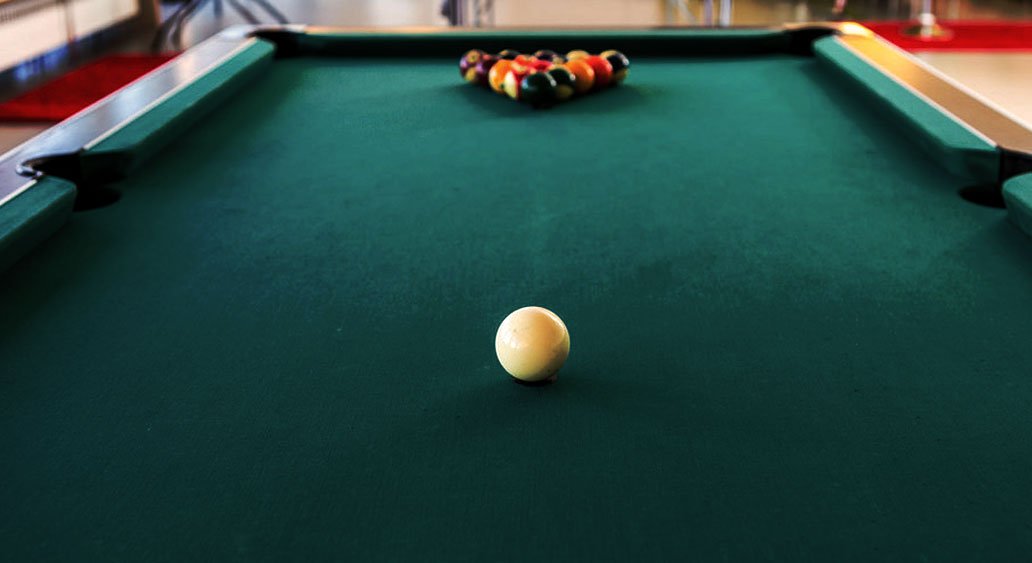
The average snooker game lasts between 30 minutes and an hour, but professional matches can extend to several hours.
Ever wondered how long does a snooker game last? It’s a question many newcomers to the sport, and even some seasoned viewers, often have. The time a match takes can vary quite a bit.
Factors like player skill, the number of frames, and tactical approaches all impact the overall duration. Some frames might end quickly, while others might involve lengthy safety exchanges and strategic play.
Understanding these variables gives a better sense of how much time to set aside for a viewing session.

How Long Does a Snooker Game Last?
Snooker, with its green baize and colorful balls, is a game of skill, strategy, and sometimes, sheer patience. One of the most common questions for those new to the game, or even seasoned watchers, is: how long does a snooker game actually last? The answer, like many things in snooker, isn’t a simple one. It depends on several factors, and we’re about to dive deep into each of them.
Understanding the Basics of a Snooker Frame
Before we talk about total match time, it’s important to understand what a single snooker “frame” is. Think of a frame like a round in a boxing match or a set in tennis. A frame ends when a player pots all the balls, their opponent concedes (gives up), or when a player needs more points on the table than are possible to score. This basic unit of a snooker game is crucial to understanding how long a match will take.
Factors Influencing the Duration of a Snooker Frame
Several things can affect how long a single frame lasts. Here are the key factors:
- Player Skill and Strategy: Skilled players, with precise shots and well-thought-out plans, tend to finish frames faster. They make fewer mistakes and often pot balls in quick succession. Less experienced players may take longer because they need more time to consider their shots and might make more errors.
- Safety Play: Sometimes, players will focus on playing a “safety” shot, which makes it hard for their opponent to pot a ball. This can lead to a series of tactical shots with minimal potting, extending the frame time. When players are going for safety, not going for potting any ball, it takes time to finish the frame.
- The Number of Reds Left: At the start of each frame, there are 15 red balls. The number of reds remaining significantly impacts frame duration. When there are many reds left, the players generally have more opportunities to score points, but also more options for safety and tactical play. As the number of reds dwindles, frames tend to speed up.
- Fouls: Fouls, where a player breaks a rule of the game, can slow things down as the opponent then gets penalty points. Also, when there are fouls, the opponent player gets a chance to play.
- Breaks: A “break” in snooker means a series of successful pots by the same player without the opponent taking a turn. Big breaks (where a player pots many balls in a row) can shorten a frame considerably.
- Tight Situations: Sometimes players will enter into difficult situations, where they will have to struggle to pot the ball or to do something.
Average Frame Duration
Considering all these factors, the average snooker frame might last anywhere from 15 to 45 minutes. However, some frames can be much shorter, finishing in just a few minutes with a quick break, while some frames can last over an hour when there is tight or safety play.
How Match Length is Determined
Now that we understand frame times, let’s look at how a snooker match’s length is determined. Unlike other sports with set time limits, snooker matches are played to a set number of frames.
Frames Required to Win a Match
The number of frames needed to win a match varies depending on the tournament and round. Here’s a general overview:
- Early Rounds of Tournaments: In the earlier stages of tournaments, matches might be a “best of 7 frames,” meaning the first player to win 4 frames wins the match.
- Later Rounds: As tournaments progress, the matches become longer. You might see “best of 9,” “best of 11,” “best of 17,” or even “best of 19” frame matches.
- Major Championships: The biggest tournaments, like the World Snooker Championship, often have matches extending to “best of 35” frames in the final. This means the first player to win 18 frames wins the title.
Calculating Potential Match Length
Let’s do some simple math to get an idea of potential match lengths. Using our earlier average frame time of 15 to 45 minutes, here’s what we can expect:
- Best of 7 Match:
- Minimum time: 4 frames 15 minutes/frame = 1 hour
- Maximum time: 7 frames 45 minutes/frame = 5 hours 15 minutes
- Best of 11 Match:
- Minimum time: 6 frames 15 minutes/frame = 1 hour 30 minutes
- Maximum time: 11 frames 45 minutes/frame = 8 hours 15 minutes
- Best of 19 Match:
- Minimum time: 10 frames 15 minutes/frame = 2 hours 30 minutes
- Maximum time: 19 frames 45 minutes/frame = 14 hours 15 minutes
- Best of 35 Match (World Championship Final):
- Minimum time: 18 frames 15 minutes/frame = 4 hours 30 minutes
- Maximum time: 35 frames 45 minutes/frame = 26 hours 15 minutes
It’s crucial to understand these are estimated times. A match can finish far faster than predicted or might go over the maximum predicted time, depending on the different factors that are present in that match. For example, there might be several quick frames in the starting or in the last of the match which will help in finishing the match faster.
Session Play and Breaks
Longer matches are usually split into sessions. This helps the players to rest and also provides TV broadcasting with breaks. For instance, a best-of-19 match might be split into two sessions: one in the afternoon, and another in the evening. There is also a shorter break in between frames, just to prepare the players for the next frame. This also includes cleaning and setting up the snooker table to be fully prepared for the next frame.
During major tournaments, matches that run for a long time are often scheduled over multiple days. That gives more time for both players to rest and come back stronger in the next session.
Here is the typical session for matches:
- Short Matches: Matches that are best of 7 or 9 frames are often played in a single session of a few hours.
- Longer Matches: Matches that are more than 10 frames are split over multiple sessions and might be played over one day or multiple days, depending on how long the matches is.
Factors Affecting Overall Match Duration
While we’ve covered average frame time and match formats, there are other things that can cause a snooker match to run longer than expected. These can include:
Slow and Cautious Play
Some players are naturally slower and more methodical in their approach. They take their time, assess their options carefully, and often play safety shots, which can make a match very long. While a cautious approach is good strategy, it can be time consuming.
Close Frames and Tactical Battles
When frames are very close, players will play even more carefully, because they don’t want to make any mistakes. This is because every single point matters in the tight frame situation. These can often turn into prolonged tactical battles where players are aiming to be the first one to give the other player a chance to score. This adds significant time to frame duration.
Referee Interventions
Sometimes the referee needs to get involved and intervene. When there is a foul, the referee often needs to spend a little time to decide on the penalty points given to the other player. Also, if the ball is stuck in a difficult place, or if there is a dispute about something, the referee will intervene, which all contributes to the match’s time duration.
Unusual Incidents
Unusual incidents, such as a ball falling off the table, or equipment failure, can occur and can cause a stop in play and take time to sort out these issues, which causes an increase in overall match duration.
How Match Length Differs Across Tournaments
The length of a snooker match can differ a lot depending on the type of tournament being played. Professional tournaments tend to be much longer than amateur events. For instance:
- Professional World Snooker Tour: Here, matches can range from best-of-7 to best-of-35, as explained above. These matches are often broadcast on TV and involve the best players in the world.
- Amateur Events: These games can be much shorter, often with best-of-5 or best-of-7 matches. These are typically local events, and don’t run for multiple days or include sessions.
- Exhibition Matches: These matches are less formal. Exhibition matches often vary in the frame numbers, but they are usually much shorter than the professional games, just so the players have fun and entertain the crowd.
Table of Estimated Match Lengths
To summarize our discussions, let’s take a look at some estimated match lengths based on different frame formats, keeping in mind that these are approximations:
| Match Format | Minimum Estimated Match Length | Maximum Estimated Match Length |
|---|---|---|
| Best of 5 | 45 minutes | 3 hours 45 minutes |
| Best of 7 | 1 hour | 5 hours 15 minutes |
| Best of 9 | 1 hour 15 minutes | 6 hours 45 minutes |
| Best of 11 | 1 hour 30 minutes | 8 hours 15 minutes |
| Best of 17 | 2 hours 15 minutes | 12 hours 45 minutes |
| Best of 19 | 2 hours 30 minutes | 14 hours 15 minutes |
| Best of 35 | 4 hours 30 minutes | 26 hours 15 minutes |
Why the Variable Time?
The beauty of snooker, and the reason why the game can vary so much in time, lies in its complexity and the many different ways players can approach each frame. It’s not just about potting balls; it’s about strategy, planning, risk, and reacting to what the other player is doing. This makes snooker interesting to watch and difficult to master. It is not possible to predict the time of the snooker match, because of all these complex things in the game.
The unpredictable nature of snooker is also a big part of the appeal. Every match is different, every frame is a story in itself, and that’s what makes the game so intriguing.
Therefore, when you ask, “how long does a snooker game last?” the answer is that it depends. It’s a mix of the set match length and how the players approach the game, so sit back and enjoy the ride!
The Rules of Snooker – EXPLAINED!
Final Thoughts
A single snooker frame typically takes between 15 and 45 minutes. However, a complete match consists of several frames. The total match time can greatly vary.
Factors like player skill and tactical approaches greatly influence game duration. The number of frames needed to win also extends the overall time. So, how long does a snooker game last? It can range from one hour to several hours.

