
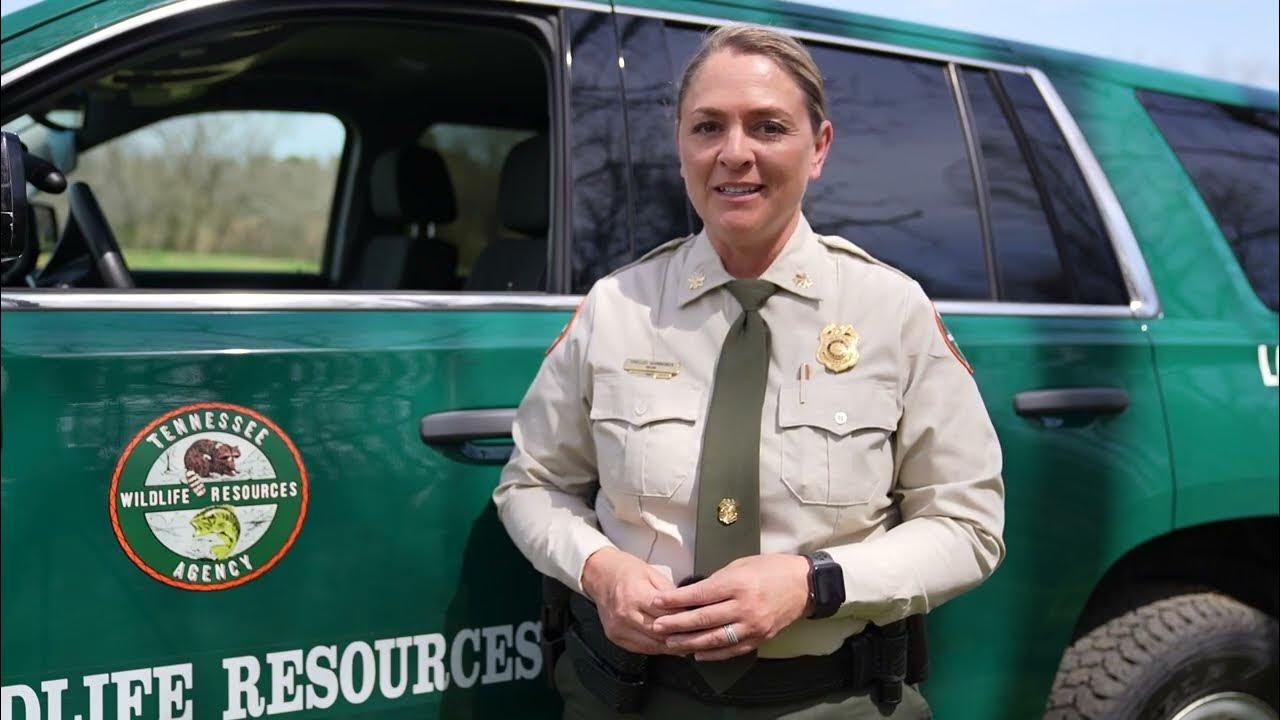
To become a Tennessee game warden, you must meet minimum requirements, pass written and physical tests, complete training at the Tennessee Law Enforcement Training Academy, and then apply for open positions with the Tennessee Wildlife Resources Agency.
Ever dreamt of protecting Tennessee’s wild landscapes and wildlife? Learning how to become a Tennessee game warden is a challenging but rewarding path. It requires dedication, physical fitness, and a genuine passion for conservation. The process involves meeting specific criteria set by the state.
This journey includes written tests, physical challenges, and rigorous academy training. It is not a walk in the park, but for those committed, it offers a fulfilling career. The selection process is competitive, ensuring only the best candidates join their ranks.

How to Become a Tennessee Game Warden
So, you’re dreaming of becoming a Tennessee Game Warden? That’s awesome! It’s a job that lets you spend time in the great outdoors, protect wildlife, and help people who love nature as much as you do. But, becoming a game warden isn’t just about loving the woods. It takes hard work, dedication, and following specific steps. Let’s break down exactly what it takes to earn that badge and become a protector of Tennessee’s wild places.
Understanding the Role of a Tennessee Game Warden
Before we dive into the ‘how,’ let’s talk about the ‘what.’ What does a Tennessee Game Warden actually do? Well, they are the law enforcement officers for the Tennessee Wildlife Resources Agency (TWRA). They’re responsible for:
- Enforcing Hunting and Fishing Laws: Game wardens make sure hunters and anglers are following the rules, like having the right licenses, respecting bag limits, and using legal gear.
- Protecting Wildlife: They work to keep animals safe from poaching, habitat loss, and other threats. This can involve investigations, rescue operations, and managing animal populations.
- Promoting Safety: Game wardens educate the public about safe hunting, boating, and outdoor recreation practices. They also respond to accidents and emergencies in the field.
- Educating the Public: They teach people about wildlife conservation and the importance of responsible use of natural resources. You might see them giving talks at schools or community events.
- Community Engagement: They build relationships with the communities they serve, helping to prevent and solve local wildlife and environmental issues.
Being a game warden means you’re a protector, an educator, and a law enforcement officer all rolled into one. It’s a varied job that requires you to be flexible and ready for anything, from patrolling forests and lakes to handling paperwork and public interactions.
Essential Qualifications and Requirements
Okay, so you like the job description. Now let’s get to the nuts and bolts of what you need to qualify. Tennessee has specific requirements that you have to meet to even be considered for the position. Here’s what you’ll need:
Age and Citizenship
You must be at least 21 years old and a United States citizen to become a game warden in Tennessee.
Education
Having a good education is really important. Here’s the educational level requirements:
- You must have a bachelor’s degree from an accredited college or university. It’s beneficial if your degree is in a field like wildlife management, natural resources, criminal justice, or a related field. Having a degree shows you can learn and adapt to new things, which is crucial for the job.
Physical and Mental Fitness
This job demands a high level of physical and mental strength. Game wardens often work in challenging conditions, walk long distances, and handle stressful situations. So, you’ll need to:
- Pass a physical fitness test which usually involves running, push-ups, sit-ups, and other exercises to assess your overall physical ability.
- Pass a psychological evaluation to ensure that you can handle the stress and responsibility that comes with the job.
Background Checks
Because game wardens are law enforcement officers, you’ll need to have a squeaky clean background. This includes:
- Passing a thorough background check. They’ll look into your criminal and driving records to ensure you are a person of integrity.
- No felony convictions or history of any serious misdemeanors.
Keep in mind that any previous offenses might disqualify you, so it’s best to be mindful of this while you are preparing for your career.
Other Important Factors
Aside from the basics, there are some additional things that can help you get your foot in the door.
- Valid Driver’s License: You must have a valid driver’s license, as driving is a big part of the job. You’ll also need a good driving record.
- Firearms Proficiency: Game wardens carry firearms, so you must demonstrate proficiency in their safe handling and usage. This means going through firearms training and qualification.
The Application Process: Step-by-Step
Okay, so you think you meet all the qualifications? Great! Now let’s talk about the application process. It’s not a walk in the park, but with preparation and organization, you can navigate it successfully.
Checking for Openings
The first step is to find open positions. The TWRA will post available game warden positions on their official website, as well as the state’s employment website. Keep an eye out there regularly. Make sure you also check social media and other job boards. When applying, carefully read through all the requirements so you don’t waste your time or theirs.
Submitting Your Application
When there are openings, you’ll need to submit a formal application. This usually includes:
- A detailed online application form. Be honest and thorough in your responses. Double-check everything before you submit.
- A resume that highlights your skills, education, and any relevant experience. Focus on experiences that demonstrate you’re a good fit for the job.
- Copies of transcripts. Make sure all the information is accurate and up-to-date.
- Any other supporting documents they might ask for.
Be sure you meet all the submission dates, and that you submit all the requested documents.
The Initial Screening
After you apply, TWRA will screen applications. This is when they look to make sure you meet all the requirements. If your application looks good, they’ll call you in for the next step.
The Interview Process
If you pass the screening, you’ll move on to the interviews. This is where you get to talk about your passion for the outdoors and explain why you’re the right choice for the job. Here’s what to expect:
- Initial Interview(s): This might be a panel interview with multiple people asking you questions. Be ready to explain your interest in the position, discuss your qualifications, and provide examples of past experiences that demonstrate your ability to do the job.
- Personal Interview: Sometimes you’ll have one on one interviews with higher ranking officers. Again be honest, direct, and professional in your responses.
The Background Investigation
Once you’ve aced the interviews, the real digging begins. The TWRA will conduct an in-depth background check, as described earlier. This can take time, so be patient. They will contact your previous employers, personal references, and any institutions you attended.
Physical and Psychological Evaluation
As we mentioned before, this is when you’ll go through a series of physical and psychological tests to make sure you can handle the demands of the job. You might also be asked to undergo a medical exam.
Conditional Job Offer
If you clear all the hurdles, you’ll receive a conditional job offer. This means that the job is yours as long as you complete any remaining requirements. This might involve additional training or certification.
Training at the TWRA Academy
Once you’ve been officially hired, the real learning starts. All new game wardens go through intensive training at the TWRA training academy. Here’s what you can expect:
- Law Enforcement Training: This includes courses on criminal law, search and seizure, traffic laws, and other police procedures.
- Wildlife Management and Conservation: You’ll gain in-depth knowledge of Tennessee wildlife, their habitats, and conservation efforts.
- Firearms Training: You will be trained in firearms safety, maintenance, and usage, learning to use your service weapon effectively.
- First Aid and Emergency Response: You’ll learn how to respond to various emergencies, including giving first aid in the field.
- Physical Training: You’ll keep improving your physical fitness and your defensive tactics and skills.
- Field Training: You’ll get real-world experience with experienced officers. This is where you put your learning into action, learning how to handle all situations in the field.
Tips for Success: How to Stand Out
So, now that you know all the steps, let’s go over some tips to help you be more successful in this process. Getting hired as a game warden is competitive, so you need to make yourself stand out.
Gain Relevant Experience
Get some experience in the field, this helps show that you’re truly dedicated to this work. Here are some ideas:
- Volunteer Work: Volunteer with the TWRA or other conservation organizations. This will help give you insight into wildlife management, and it can add a lot to your application.
- Internships: Find internships in fields like wildlife biology or environmental conservation.
- Outdoor Skills: Learn wilderness survival skills, fishing, hunting, and even boating. The more comfortable you are outdoors, the better.
Build Your Knowledge
The more you know about Tennessee’s wildlife and the laws, the more attractive a candidate you will be. Here’s what you should focus on:
- Study Wildlife: Learn about the different animal species in Tennessee, their habitats, and their behaviors. Read books, attend webinars, and even visit nature centers to gain more knowledge.
- Know the Laws: Become familiar with Tennessee’s hunting and fishing regulations. Knowing these will be a plus.
- Stay Updated: Read news articles and journals about wildlife conservation and environmental issues.
Network and Connect
Talk to people already doing the job. Networking can be invaluable, so you should:
- Attend TWRA events: Go to public meetings or workshops hosted by the TWRA. You can learn about their programs and make connections with current officers.
- Talk to Game Wardens: When you see a game warden in the field, approach them and introduce yourself. Ask them about their experiences and get advice on entering the profession.
- Join Conservation Groups: Become a member of conservation groups. They’re a great way to meet like-minded people and expand your network.
Practice for Interviews
Practice makes perfect, especially in interviews. Be prepared to explain why you love this career field. You can do this by:
- Mock Interviews: Have friends or family members conduct mock interviews with you. The more you practice, the more confident you’ll be.
- Prepare Stories: Think about situations in your life where you demonstrated leadership, problem-solving, and dedication. These will help you when answering interview questions.
Stay in Shape
Start your physical fitness program and get in shape now. It will help you with the physical demands of the job and the physical testing. Make sure you are:
- Working Out Regularly: Maintain a consistent workout routine, including running, strength training, and flexibility exercises.
- Focusing on Endurance: The ability to walk long distances will also be helpful, so don’t just work on pure strength.
Be Professional
Always be professional and have integrity. This means you should:
- Present yourself Well: Always dress professionally and act accordingly. This helps you show your respect for the process.
- Be Honest: Always tell the truth in your application and in interviews. Your integrity will be evaluated.
Life as a Tennessee Game Warden: Beyond the Application
So, you’ve jumped through the hoops and have earned your badge. Now what? What’s life really like as a game warden in Tennessee?
A Typical Day
There’s no such thing as a “typical day.” Here’s what might happen:
- Patrolling: You might spend a lot of your time patrolling areas either on foot, by boat, or in your vehicle.
- Checking Licenses: You’ll check licenses for hunters and anglers and verify that they’re following all the rules and regulations.
- Responding to Calls: You might be called in to deal with situations like injured wildlife, illegal dumping, or boating accidents.
- Investigating Violations: You’ll investigate illegal activities like poaching or illegal sales of wildlife.
- Educating the Public: Sometimes you’ll educate the public about safety, wildlife, and the laws.
Challenges
Being a game warden isn’t all sunshine and rainbows. Here are some challenges:
- Long Hours: Your hours might be irregular, especially during hunting season.
- Remote Locations: You may have to work in very remote areas, away from your home base.
- Dangerous Situations: You might have to deal with dangerous people or dangerous situations.
- Frustrations: Sometimes you might have to deal with people who don’t appreciate your work.
Rewards
Despite all the challenges, this is still a great job with many rewards.
- Making a Difference: You’re protecting wildlife and natural resources.
- Being Outdoors: You get to work outside in beautiful natural surroundings.
- Variety: Every day is different.
- Serving the Public: You get to work with the public and educate them on how to enjoy and preserve our state’s natural wonders.
Continued Education and Career Advancement
Becoming a game warden is not the end, it’s the beginning of a career. TWRA promotes continuous learning and offers advancement opportunities. Here’s what to expect:
Ongoing Training
Game wardens take ongoing training courses throughout their careers. This helps them stay current on the latest laws, procedures, and conservation techniques.
Specialized Roles
As you gain experience, you can specialize in certain areas, such as:
- K-9 Unit: Become a K-9 handler and work with a trained detection dog.
- Investigations: Join the investigation unit and solve more complex crimes.
- Education: Focus on public education and outreach programs.
- Leadership: Climb the ranks and manage other officers.
Promotions
You can move up in ranks, and they typically include:
- Game Warden Sergeant
- Game Warden Lieutenant
- Game Warden Captain
These all have different responsibilities, pay levels, and positions within the TWRA.
Becoming a Tennessee Game Warden is a journey, not a quick trip. It takes dedication, education, physical fitness, and a true passion for the outdoors. If you’re ready for the challenge, then you may very well become a guardian of Tennessee’s wild spaces.
How to Become a Game Warden in Tennessee
Final Thoughts
Aspiring game wardens in Tennessee must complete required education and training. A relevant degree and rigorous physical tests are part of the process. Gaining experience through related roles is also beneficial.
The Tennessee Wildlife Resources Agency provides specific application instructions. Successfully completing their academy is vital. Understanding laws and regulations is a must.
Therefore, ‘how to become a tennessee game warden’ involves education, physical fitness, proper training, and diligent adherence to all agency requirements. Your dedication and passion are crucial for this vital role.

