
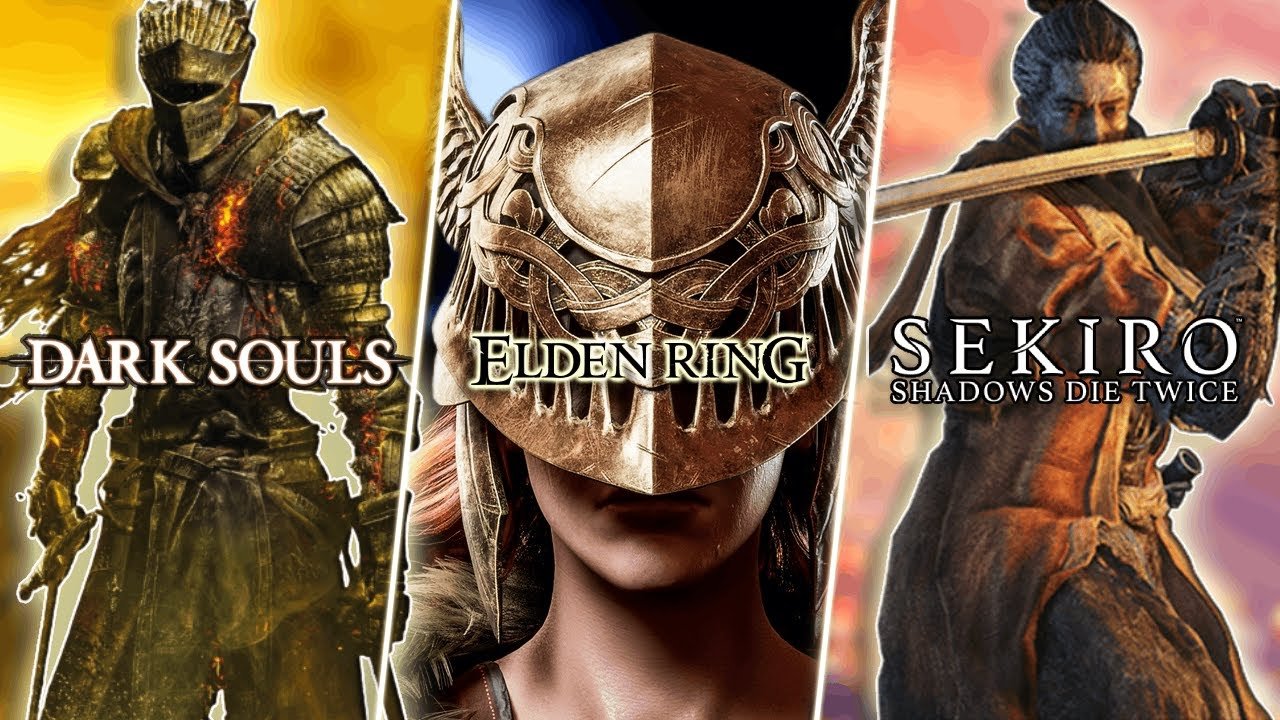
The hardest Dark Souls game is generally considered to be Dark Souls II due to its enemy placement and adaptability stat.
So, you’ve braved the unforgiving lands of Lordran, perhaps even conquered the bleak world of Drangleic, and maybe even faced the painted world of Ariandel. But which entry in the series truly tests your resolve? Many players debate which game takes the crown in difficulty.
The question, “what is the hardest dark souls game,” is a common one, and the answer isn’t always clear cut, because difficulty can be subjective. However, certain titles tend to be mentioned more often than others when discussing the pure, controller-smashing challenge within the Dark Souls universe.

What is the Hardest Dark Souls Game?
Figuring out which Dark Souls game is the “hardest” is like trying to pick the spiciest pepper – it really depends on who you ask! Each game in the series throws unique challenges at players. There’s no single answer that satisfies everyone, because what one person finds tricky, another might breeze through. Instead of a simple “this one is the hardest” conclusion, let’s explore why each game makes a case for being the most difficult, looking at various factors that contribute to that feeling of intense challenge. We’ll break down what makes each title unique and why it might just be your toughest Dark Souls experience.
Dark Souls: The Original Gauntlet
The very first Dark Souls, often called Dark Souls: Prepare to Die Edition, is where many players began their painful journey. It sets the foundation for everything that followed. Its difficulty comes from a few key areas:
Level Design: A Twisted Maze
The interconnected world of Dark Souls is both a marvel and a menace. Unlike the later games which may feel more linear, Dark Souls throws you into a web of pathways that loop and intertwine. You will find yourself in a dead end or face a high-level enemy if you wander off the beaten path. This complex design, while incredibly rewarding when you finally figure it out, is initially very disorienting. It makes even simple exploration a risk.
- Hidden paths and traps: The game loves to surprise you. A seemingly normal wall could hide a passage to a dangerous area, and treasure chests aren’t always filled with loot but could have deadly surprises.
- Verticality: Navigating levels is not just about left or right; it often requires climbing, dropping, and using elevators, and one wrong step could mean a long fall.
- Limited fast travel: Initially, you must traverse the world on foot. This reinforces the sense of journey and makes each part feel significant, but it also means lengthy treks back to previously visited areas, which adds to the frustration if you fail a lot.
Combat Mechanics: Brutal and Unforgiving
The combat in Dark Souls is deliberate. Every action matters. Spamming the attack button won’t work. You have to be mindful of your stamina, manage your equipment load, and learn enemy patterns.
- Stamina management: Every action, including attacking, blocking, and rolling, depletes your stamina. Running out at the wrong time can make you a sitting duck for enemy attacks.
- Slow and methodical: The game favors calculated moves. Rushing into fights gets you punished. Players must learn to anticipate enemy attacks and time their actions carefully.
- Limited healing: You start with a limited number of Estus Flasks, your primary source of healing. This scarcity forces you to be cautious and precise, as you have to play perfectly to avoid wasting your limited resources.
Enemy Variety: A Menagerie of Death
From hollow soldiers to the Capra Demon, the enemy roster in Dark Souls is a scary one. Each enemy type presents its own challenges, forcing you to change your approach and learn new strategies. There are also quite a few enemies that can inflict very nasty status effects, which makes the fight much harder for you.
- Unique AI: Enemies don’t just run at you blindly; they’ll try to flank you, use ranged attacks, and even use ambushes.
- Environmental hazards: Some enemies are made more dangerous by the environment. Fighting skeletal creatures on a narrow bridge is very different from fighting them in an open space.
- Boss Difficulty: Boss fights are usually very challenging. They require learning their patterns, adapting your approach, and staying calm under pressure, this can be a very stressful experience for new players.
Dark Souls II: A Different Kind of Challenge
Dark Souls II took a different path and introduced new mechanics that drastically changed the way the game played. While not always considered as hard as the first, it certainly presents its own difficulties:
Enemy Placement: Gangs of Foes
One of the main issues players have with Dark Souls II is the enemy placement. The game often throws numerous enemies at you at once, making it difficult to fight enemies one-on-one. This approach can feel unfair, especially when combined with the game’s other challenges.
- Ganking encounters: You’ll regularly find yourself facing multiple enemies at once, which can feel overwhelming, particularly at lower levels.
- Ambush tactics: Enemies often wait in hiding spots or ambush you from behind corners, which requires you to always stay alert and be cautious when exploring a new area.
- Dense enemy population: Many areas feel heavily populated with enemies, making progression feel like a constant struggle for survival.
Adaptability Stat: A Necessary Evil
Dark Souls II introduced the Adaptability (ADP) stat, which affects your agility and iframes (the short time you have while rolling where you can’t be damaged). You must invest points in this stat to perform actions that you could do easily in other Souls games. This adds an extra layer of complexity to character building and makes it much harder for newcomers.
- Affects roll invincibility: The lower the ADP, the fewer invincibility frames your roll will have. You will often find yourself getting hit by attacks that you could easily dodge in the other titles.
- Impacts estus speed: ADP also makes your healing from the Estus Flasks much slower, which means you can heal at very inconvenient times, making you vulnerable to enemy attacks.
- Requires investment: New players may not realize the importance of ADP, which leads to more unnecessary deaths.
Durability: Your Gear Won’t Last Long
Dark Souls II has a rather strict durability system. Weapons degrade faster, which forces you to carry multiple weapons or constantly repair your equipment. This mechanic punishes players for being aggressive and also makes exploration dangerous, as you could run out of weapons at any time if you have not bought the needed materials to repair your weapons.
- Frequent breakages: Weapons break much quicker compared to other games in the series.
- Resource management: You have to keep a constant eye on your weapons, constantly using repair powder or having to go back to a blacksmith to fix them.
- Limiting play styles: The frequent breaking of your weapons forces you to adjust your play style to be less aggressive and more careful.
Boss Design: Unique Challenges
Boss fights in Dark Souls II are mixed. While some are memorable and have interesting mechanics, others can feel a little unfair and cheesy. Some bosses also can have multiple adds, increasing the overall difficulty of the fight.
- Multiple Bosses: Many boss fights involve fighting multiple bosses at once, which can be confusing and overwhelming for the player.
- Unusual mechanics: Some boss mechanics may seem cheap or unfair. For example, some bosses have tracking attacks that are difficult to dodge.
- Large attack radius: Certain bosses have attacks that cover large areas, making it very hard to find a safe spot during the fight.
Dark Souls III: Fast-Paced Punishment
Dark Souls III is the last game in the original trilogy. This game took a faster approach in combat and also increased the difficulty in various ways, which led to a very difficult and rewarding experience.
Aggressive Enemies: Constant Pressure
One of the main things that make Dark Souls III difficult is the enemy aggression. Enemies attack more often and can chain their attacks, leaving very little room to counter-attack. This means you need to play very carefully and think about when to dodge and when to attack.
- Fast attack patterns: Enemies usually have a lot of fast attacks that can be hard to react to. This forces the player to be precise with their timings when dodging.
- Less breathing room: Enemies rarely let up their aggression. They will constantly attack you, which leaves very little time to heal, making resource management a key element.
- Punishing mistakes: One wrong move can lead to a chain of attacks that can kill you quickly. This forces you to pay attention to your timing.
Boss Variety: Intense Encounters
Many players praise Dark Souls III for its amazing boss encounters. The bosses are more aggressive and have much more complex movesets. The game tests your skills and pushes you to your limits with every encounter.
- Phases and Transformations: Many bosses have multiple phases, and their move sets will change during the fight, requiring players to constantly adapt their strategies.
- Swift attacks: The bosses have swift, unpredictable attacks. You must pay very close attention and adapt to their moves in order to beat them.
- High damage output: Boss attacks are usually very strong, so one wrong move can mean that you’ll lose most of your health.
Level Complexity: Tricky Navigation
While not as interconnected as the first game, Dark Souls III still has complex and confusing areas. The locations are filled with hidden traps, and it is easy to get lost if you don’t pay attention to where you’re going.
- Ambush points: Enemies are often hidden in corners or behind objects and ambush you if you’re not careful.
- Environmental hazards: Many levels have hazards like fire, poison, or cliffs. You must be aware of your surroundings to avoid falling off the map or taking extra damage from the environment.
- Varied terrain: Each level changes, which can be confusing and make you lose your way.
Combat Speed: A Fast Paced Fight
The biggest change in Dark Souls III is how fast the game is compared to the previous titles. Everything feels much faster: characters move quickly, enemies attack relentlessly, and boss battles become a dance of dodges and attacks. This faster pace can be very hard for players that are used to a slower, more methodical style of gameplay that the previous Souls games have.
- Quick movement: You must be able to react to different situations very quickly and adapt to the faster pace of the game.
- More challenging: The increase in pace requires players to be more precise and time their movements perfectly to avoid enemy attacks.
- Different play styles: The fast-paced combat makes some play styles that worked well in older games feel clunkier and not very viable.
Factors Beyond the Games
The “hardest” game is more than just the mechanics within each title. There are other factors that contribute to why you may consider one game more difficult than the others.
Player Experience: A Personal Journey
Your first Souls game is often considered the hardest. When you start the first game in the franchise you’re not familiar with the mechanics, you don’t know how to fight bosses, and you will struggle to understand how the game works. Once you have a grasp of the mechanics and understand how the game works it will be much easier for you to approach another title in the series.
- Learning curve: The initial learning process for any Dark Souls game can be very overwhelming. You have to learn how to move, attack, and defend against complex enemies.
- Familiarity: Your first experience often feels more difficult because you have not developed the skills and mindsets that the game requires.
- Expectations: The difficulty of the first game will set your expectations, which might make other titles feel different and either harder or easier than the original.
Build Variety: Play Your Way
How you decide to play the game can dramatically change your experience. Certain builds can be more challenging to play than others. Playing as a mage or using a strength build, for example, can change the challenge considerably.
- Character builds: A weak character build will make the game much more difficult. This happens if you don’t understand the game’s mechanics or if you use certain play styles that don’t adapt well to the game.
- Weapon choice: Some weapons are more effective than others. You could have an easier time with certain weapons that are easy to use and can deal a lot of damage.
- Playstyle preference: Your play style is one of the major factors of how difficult the game will feel. Some play styles that worked well in the previous titles might not be as viable.
Community Help: Shared Struggles
The Dark Souls community is one of the most important parts of the game experience. The ability to summon other players for help or learn from other people’s tips can help players that are struggling. Playing offline may add extra difficulty to the experience.
- Online play: Playing with others can make some sections much easier, as you can share the burden with your friends.
- Community advice: Access to online guides and tips can help you understand the mechanics, find useful equipment, and also learn how to fight specific bosses.
- Offline mode: If you can’t access online help, the game will feel much harder, as you have to discover everything by yourself.
Ultimately, the hardest Dark Souls game is a very personal choice. Whether you struggle with the original’s world design, Dark Souls II’s tricky mechanics, or Dark Souls III’s fast-paced combat, there is no simple right answer. Each game offers a different kind of pain and reward, and the fun is in finding out which one pushes your buttons the most. There’s no right or wrong choice here, so enjoy your journey through the unique difficulties that each game offers.
Ranking EVERY Souls Game From Easiest To Hardest #shorts
Final Thoughts
Ultimately, difficulty is subjective, yet many find Dark Souls II the most challenging. Its enemy placement and gank squads frustrate players. Dark Souls’ early design choices contribute to its notorious reputation.
Some argue that the original Dark Souls is the hardest game. They cite the clunkier mechanics and unforgiving level design. The question of ‘what is the hardest dark souls game’ remains debated amongst fans.

