
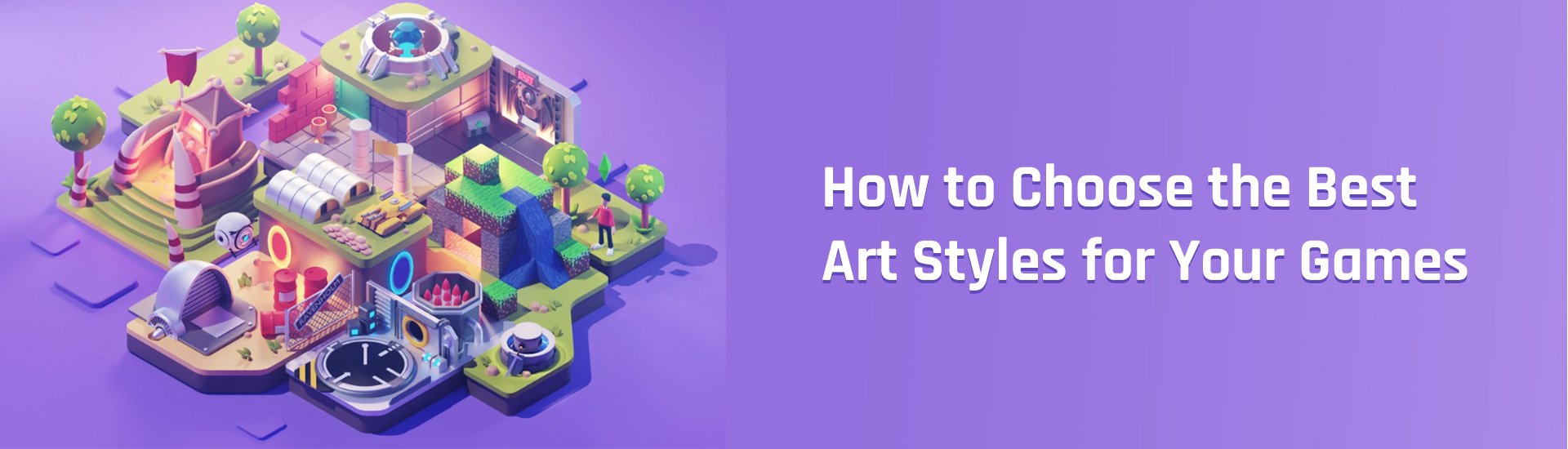
Choosing an art style for your game requires careful consideration of your game’s genre, intended mood, technical limitations, and target audience to ensure visual coherence.
Have you ever pondered how crucial visuals are for drawing players into your digital worlds? The art style significantly shapes the overall feel and identity of your game. Deciding on the perfect one can seem like a daunting task, but it’s a crucial step.
We often wonder how to choose an art style for your game, considering it will impact how players perceive your game from the very first glance. The right aesthetic enhances the gameplay experience. It makes a lasting impression.

How to Choose an Art Style for Your Game
Choosing the right art style for your video game is like picking the perfect outfit for a party. It needs to fit the mood, make you feel good, and grab everyone’s attention! But with so many cool styles out there, how do you pick the one that’s just right for your game? Don’t worry, we’re here to help you explore the exciting world of game art styles and figure out which one will make your creation shine.
Understanding the Importance of Art Style
Before we jump into different art styles, let’s talk about why it matters so much. The art style isn’t just about pretty pictures; it’s a big part of what makes your game unique and memorable. Think of your favorite games – the art style is probably one of the first things you remember about them. It can:
- Set the Tone: Is your game supposed to be scary, funny, adventurous, or relaxing? The art style helps create the right feeling. For instance, dark, realistic graphics can add tension to a horror game, while bright, cartoonish visuals might make a game feel more lighthearted.
- Attract Players: A striking art style can make your game stand out in a crowded market. People are drawn to visuals they find appealing, and the art is often the first impression your game makes.
- Tell a Story: The art style can communicate a lot about your game’s world, characters, and story without saying a word. Is the world futuristic or old-fashioned? Are the characters cute and friendly, or gritty and serious? The visuals provide important clues.
- Impact Gameplay: Sometimes, the art style can even affect the way your game plays! For instance, a simplistic art style can make it easier for players to focus on the core gameplay, while a very detailed style can add an extra level of immersion.
In short, choosing the art style is a very important part of making a great game. It’s not something you should pick last minute or ignore. It is a main component in the development process.
Factors to Consider When Selecting an Art Style
Okay, so art style is important. But where do you start? Here’s a checklist of things to think about when you’re picking your game’s look:
Game Genre
The type of game you’re making greatly influences the best art style for it. Some genres naturally pair well with specific styles. Here are some examples:
- Platformers: Often use bright, colorful, and cartoony styles, think Mario or Rayman.
- First-Person Shooters (FPS): Usually go for realistic or gritty styles, like Call of Duty or Doom, but not always; sometimes stylized, like Fortnite.
- Role-Playing Games (RPGs): Can range from fantasy styles (The Witcher 3) to anime-inspired styles (Final Fantasy) or retro pixel art (Undertale).
- Puzzle Games: Frequently use clean, minimalistic, and sometimes abstract art styles (Monument Valley).
- Simulation Games: Can use realistic styles for games like Microsoft Flight Simulator, or more stylized, cartoonish styles for games like The Sims.
- Horror Games: tend to lean towards dark, realistic, or sometimes stylized, but unsettling, styles. Think Resident Evil or Little Nightmares.
Look at games in your genre for inspiration, but remember, you don’t always have to follow the same trends. You can create something new and unique!
Target Audience
Who are you making this game for? Are you aiming for kids, teens, adults, or a mix? Knowing your target audience is a key piece of the puzzle because their preferences matter.
- Kids: Often prefer bright colors, cartoonish characters, and simple shapes. Think of games like Animal Crossing or SpongeBob SquarePants.
- Teenagers: May prefer more stylized graphics with some edginess, often anime-inspired or semi-realistic styles (Life is Strange or Persona).
- Adults: Might appreciate detailed, realistic, or sophisticated art styles. They can appreciate a variety of styles, from the grim realism of The Last of Us to the painterly style of Dishonored.
Consider what will appeal to the people you want to play your game. If you can’t decide, try to find a style that is generally appealing. But be aware that it’s very hard to appeal to everyone.
Game’s Setting and Story
The world you create in your game should be reflected in the art. A fantasy world will need different visuals than a sci-fi setting or a realistic historical time period. Here are a few examples:
- Fantasy: Might use rich colors, detailed landscapes, and magical elements in the visuals, with an overall style from cartoony to photorealistic.
- Sci-Fi: Frequently features sleek, modern, or futuristic designs, with metallic textures, neon lights, and advanced technology.
- Historical: Requires accurate depictions of clothing, architecture, and other elements from that specific era.
- Modern: Will tend towards photorealistic styles or contemporary stylized styles.
The art style should also fit your game’s story. A serious story usually needs a more serious visual presentation, while a lighthearted tale can use a more playful style.
Budget and Resources
Let’s be honest, creating art for a game takes time and money. Some art styles are more resource-intensive than others. Here’s how the art styles can vary in cost and effort:
- Pixel Art: Is often cheaper and less time-consuming since it’s based on simple blocks. However, good pixel art is still an art, and it requires skill.
- 2D Art (Hand-Drawn): Requires skilled artists, which increases development cost and time.
- 3D Art: Usually requires a higher budget and specialized software and tools to create, with 3D character models, textures, and environments.
If you are an indie developer with a small team and budget, you may need to choose a simpler art style. There are many successful games with simple or retro art styles, like Minecraft, Stardew Valley, or Terraria.
Technical Capabilities
Your team’s skills and the game engine you’re using will influence what art style is feasible. If you have artists with experience in hand-drawn 2D art, then a hand-drawn or cartoon style makes more sense. If you’re working with a 3D engine, then 3D art is what you need.
Personal Preferences
Don’t forget that you should like the art style too! You will be looking at it every day while working on your game, so pick something that inspires you. A good visual style is one that you are happy with working on. If you hate the style of your game, then you won’t enjoy the process.
Exploring Different Art Styles
Now that you have some key factors to consider, let’s delve into some popular art styles that are used in games:
Pixel Art
Pixel art is a retro style that uses small squares, or pixels, to create images. It’s reminiscent of old video games but is still very popular today. This style is simple, often charming, and requires a specific skillset.
- Pros: Relatively low cost to make, easy to make good-looking game objects, and a nostalgic appeal.
- Cons: Might look dated if not done well and can limit visual complexity.
Cartoon/Toon Shading
This style uses bold lines and bright colors, like in traditional cartoons. It’s visually appealing, expressive, and often used in lighthearted games. It’s a good fit for many genres because it allows a lot of expression and is generally appealing.
- Pros: Very appealing to most audiences, can be very expressive, and can help characters be more emotive.
- Cons: Might be harder to achieve a unique and non-generic look.
Realistic
The goal here is to make the game look as real as possible. This involves detailed textures, lighting effects, and sometimes using motion capture. This approach can be amazing but requires a large budget and a team of highly skilled artists. It’s common in FPS games, simulations, or some RPGs.
- Pros: Very immersive and visually stunning, can really create a feeling of ‘being there’.
- Cons: Very costly and time-consuming, and requires a lot of powerful hardware to run properly.
Stylized
Stylized art is where the artist exaggerates or simplifies aspects of the real world, or adds a unique twist. This is a very broad category that can be used to achieve many different results. Think of the unique aesthetics of Overwatch, Team Fortress 2, or Borderlands.
- Pros: Unique and memorable visual styles, can be very expressive.
- Cons: Requires skill to create something that appeals to players, and might not be suitable for certain games or audiences.
Low Poly
Low poly art is where models use a low number of polygons to define a shape. It’s a simplified 3D style, which can look minimalistic, charming, and is often quicker to produce than high-poly models. This style is popular among small teams or indie developers.
- Pros: Less resource-intensive, can be very visually distinct.
- Cons: Might not appeal to everyone or fit all genres.
Hand-Painted
This style uses digital brushes to create a painting-like appearance. It can be very beautiful and expressive, giving the game a unique, artistic look. This style is more often seen in 2D games, but can be used for 3D ones as well.
- Pros: Gives a personal, hand-made, artistic feel to the game.
- Cons: Requires a lot of skilled and experienced artists to produce high quality art.
Vector Art
Vector art is made up of shapes, not pixels. It is easily scaled up or down without losing quality. This style has a clean, simple feel and is great for UI or minimalistic games. Think of games like Kingdom, Mini Metro or Hollow Knight.
- Pros: Clean, easily scalable and can create very modern looks.
- Cons: Not always suitable for every genre or game type.
Making Your Decision
So, how do you actually choose the right style? Here are a few steps to guide you:
- Brainstorm: Gather your team and start exploring ideas. Look at games you like, and try to collect ideas of what you think would work well.
- Create Concept Art: Try sketching some rough ideas. Test out a few different styles. This will help you see how they would look in your game.
- Get Feedback: Show your concept art to others and get their input. Do they think the art fits the game? Does it appeal to them?
- Prototype: Create a mini version of your game using your chosen style. This will help you figure out if it works well with the gameplay.
- Don’t Be Afraid to Experiment: Your first idea might not be the best one. Don’t be afraid to try new things!
- Consider the Long-Term: Think about the amount of work required for your style of choice and make sure your team is able to produce this art for a reasonable time frame.
Keeping Consistent
Once you’ve picked your style, it’s important to stick with it! Consistency in your art style makes your game look professional and polished. If you mix too many different styles, the game may not look right. Create a style guide and share it with everyone working on the game. A style guide will define how all game assets need to look. This will help keep the game visually consistent.
Choosing an art style is an important decision, but it doesn’t need to be intimidating! By considering your game’s genre, target audience, story, budget, your team’s capabilities, and your own preferences, you can find the perfect look for your creation. Remember to experiment, get feedback, and be consistent, and you’ll be well on your way to making a visually captivating game!
Choosing your Indie Game Artstyle
Final Thoughts
Consider your game’s core mechanics, target audience, and budget. These aspects greatly influence your options. Prioritize styles that support the gameplay experience and resonate with your intended players.
How to choose an art style for your game is a process that blends creative vision with practical constraints. Don’t be afraid to experiment but maintain consistency. Remember, the art style must enhance, not hinder, your game’s overall design.

