
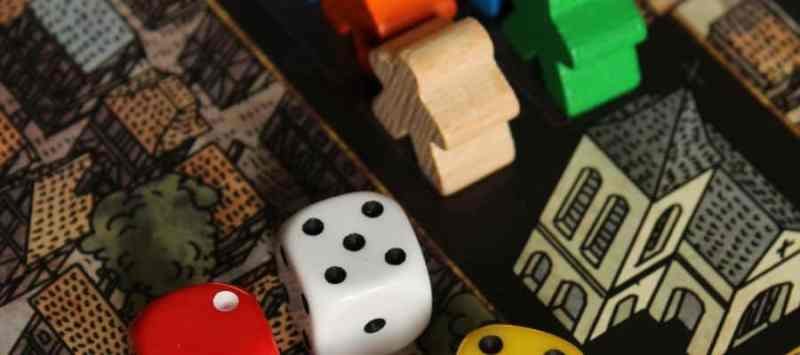
To protect your board game’s unique expression, you can’t copyright the game’s mechanics or rules, but you can copyright its original artwork, text, and design elements.
Ever spent countless hours crafting the perfect board game, filled with unique artwork and a captivating narrative? You are probably wondering how to copyright a board game and protect your creation. It’s not as simple as slapping a copyright symbol on the box.
Copyrighting a board game means focusing on tangible creative expression. You gain protection over your game’s specific visuals, the rulebook’s written content, and the layout that is a part of the game itself. This doesn’t extend to the game’s underlying mechanics.

How to Copyright a Board Game
Creating a board game is a journey filled with imagination and hard work. You’ve poured your heart into designing the perfect mechanics, crafting a compelling theme, and maybe even drawing unique artwork. Now, you’re ready to share your creation with the world! But before you do, it’s crucial to understand how to protect your hard work. That’s where copyright comes in. Copyrighting your board game safeguards your original creations from being copied or used without your permission. This section will explore the steps you can take to protect your board game through copyright.
What Can Be Copyrighted in a Board Game?
It’s important to know that not everything in a board game can be copyrighted. Copyright law protects the expression of ideas, not the ideas themselves. Think of it like this: you can copyright the specific words you use in your rulebook, but not the game mechanic of rolling dice to move. The copyright protection of board games is very important, as it helps protect your creation. So, what exactly can you copyright?
Original Text and Writing
The most straightforward part of your board game to copyright is its text. This includes:
Rulebooks: The specific wording and organization of your game’s rules.
Card Text: The text, descriptions, and instructions on your game cards.
Story Elements: Any written narrative or background stories included in the game.
Box Text: The text on the game box, including descriptions and taglines.
The specific way you put the words together is what’s protected, not the concept of the words. This means someone else could create a game with similar concepts, as long as they use their own original wording.
Original Artwork and Graphics
Visual elements of your game are also copyrightable, such as:
Game Board Design: The unique artwork, layout, and imagery used on your game board.
Card Illustrations: The original artwork on your cards.
Box Art: The artwork and graphic design used for your game’s box.
Game Pieces: Original designs for game pieces (like meeples or custom tokens).
Remember, simple geometric shapes or common artistic elements might not be copyrightable on their own, but the unique way you combine them in your artwork can be. The unique layout and design of your game is also subject to copyright protection.
Original Characters and Character Designs
If your game includes original characters, their visual designs, names, and any specific descriptions of their traits or backstories are also eligible for copyright protection. For example, if you have a character named “Captain Stardust” with a distinct appearance, you can copyright the character’s look and name. This is particularly important if your board game has a rich narrative or detailed characters.
The Arrangement of Elements
The specific combination of the various elements within your game can also be copyrightable. This means that even if individual elements are not novel, the way they work together can be protected. The placement of design and art elements is essential to the user experience, and the arrangement of those elements can be copyrighted. The copyright protection on the specific expression of all of these elements helps your board game from being copied.
What Cannot Be Copyrighted in a Board Game?
Understanding what cannot be copyrighted is just as important as understanding what can. This will help you manage expectations and focus your protection efforts effectively. Let’s dive into what isn’t protected by copyright:
Game Mechanics
The fundamental rules and mechanics of your game are not protected by copyright. This includes:
Rolling Dice to Move: The act of rolling dice to determine movement is a common game mechanic that is not copyrightable.
Trading Resources: The idea of collecting and trading resources is a core game concept that anyone can use.
Drawing Cards: The basic process of drawing cards is also a widely used mechanic.
Set Collection: Collecting a set of items or cards to achieve a goal.
Worker Placement: Placing game pieces on different areas of the game board for actions.
These game mechanics are considered basic game play ideas. Copyright protects the expression of an idea, not the idea itself. You can protect your game mechanics through trademarks and patents.
Generic Ideas and Concepts
General ideas and themes are not copyrightable. You can’t copyright the concept of a space exploration game, a fantasy adventure game, or a game about building a city.
Themes: The general theme of pirates, wizards, or historical events are considered too broad for copyright.
Concepts: The concept of a game about a specific sport or historical period is not unique.
General Categories: Categories of games, such as card games, cooperative games, or party games, cannot be copyrighted.
Copyright protects your specific implementation of those ideas, like your original story, artwork and written rules.
Factual Information
Information that’s considered factual or common knowledge cannot be copyrighted. For example, if your game uses real historical facts, those facts themselves are not protected by copyright.
Historical Dates: You cannot copyright historical dates or events.
Scientific Information: You cannot copyright the names of chemical compounds or scientific data.
Geographical Data: You cannot copyright the names of cities or geographical locations.
You can, however, copyright the way you choose to express those facts within the context of your game.
Short Titles and Slogans
Very short titles, phrases or slogans are not usually eligible for copyright protection. Instead, these fall under trademark protection. For example, titles like “The Game of Life” or common sayings are not copyrightable.
Game Titles: A short, simple title is not generally copyrightable.
Slogans: Short promotional phrases are often trademarked, not copyrighted.
Catchphrases: Small phrases or catchphrases used within the game itself are generally not protected.
To protect your title or slogan, you should consider a trademark. This is separate from copyright protection.
How to Secure Copyright for Your Board Game
Now that you know what can and cannot be copyrighted, let’s look at how to get copyright protection.
Copyright Protection is Automatic
Good news! In many countries, including the United States, your work is automatically copyrighted the moment it’s created and fixed in a tangible form. This means as soon as you’ve written the rules or created your game board design, your copyright is established. There is no need to file any paperwork to receive copyright protection.
Tangible Form: This means the work has to be put down somewhere, like on paper, or on the computer.
Automatic Protection: The protection starts automatically at the moment of creation.
No Filing Required: You don’t need to register your copyright to have it initially.
Even though copyright protection is automatic, there are some extra steps that are beneficial for you and your board game.
Adding a Copyright Notice
While not legally required, adding a copyright notice to your game can help deter infringers. It shows that you are serious about protecting your work. A copyright notice typically includes:
The Copyright Symbol: © or the word “Copyright.”
The Year of First Publication: The year the game was first made available to the public.
Your Name: The name of the copyright owner.
For example: © 2024 Jane Doe. This statement will show everyone that you are the owner of the copyright to this material. A copyright notice can act as a deterrent for infringers.
Registering Your Copyright
Although copyright is automatic, registering your copyright with a government agency such as the U.S. Copyright Office can provide additional benefits. Copyright registration provides the following additional protections:
Public Record: Registration makes your ownership of the copyright official and public record.
Legal Benefits: If you ever need to sue someone for copyright infringement, you can claim more damages if your copyright is registered.
International Protection: Copyright registration can simplify enforcing your copyright in other countries.
Formal Protection: Provides a legal and formalized registration of your copyright.
To register your copyright, you typically need to submit an application, a copy of your work, and pay a fee. It is very beneficial to register your copyright, as it makes it much more difficult for people to make false claims about the authorship of your work.
Keep Records
Make sure to keep records of all important information about your board game, as keeping good records is essential to the protection process.
Development Dates: Note the dates when different components of the game were created.
Version History: Keep copies of different versions of your rules, artwork, and game components.
Emails and Communications: Save any emails, communications, or agreements related to your game’s development.
Having a detailed paper trail will help demonstrate your ownership and when you first created your game. This is particularly useful when you are proving authorship of your game.
Practical Tips for Board Game Creators
Here are some practical tips to keep in mind as you navigate the world of copyright for your board game:
Use Original Content
Always ensure that you are using your original content. This means creating original text, artwork and ideas for your game.
Avoid Plagiarism: Don’t copy someone else’s work.
Create Your Own Style: Develop a unique visual and writing style.
Check for Existing Copyrights: Make sure to check if there are any existing copyrights that are similar to yours.
Always be creative and create your original content. This will make the copyright protection process easier.
Seek Legal Advice
If you’re unsure about copyright law or want legal advice specific to your situation, consult with an attorney specializing in intellectual property. A lawyer will be able to provide specific legal counsel.
Complex Issues: Lawyers can address complex copyright concerns.
Legal Disputes: An attorney can help you understand your legal options for any possible disputes.
Trademark/Patent Advice: Lawyers can help advise you with trademarks or patents as well.
If you have a particularly complex game or intellectual property structure, a lawyer can be a valuable asset.
Consider Trademarking Your Game’s Name
While the game itself might be copyrighted, it is important to protect your game’s title, brand and logo. A trademark can protect your game’s name, logo, and other branding elements.
Distinctive Names: A unique name is vital for trademarking.
Logos: Any unique logos or visual trademarks need to be protected.
Branding: Trademark protects your branding elements for commercial purposes.
Trademarks protect these elements and help make your game stand out.
Be Aware of Infringement
Keep an eye out for anyone potentially copying your work. It is important to make sure that someone is not copying your board game.
Regular Monitoring: Do regular online searches of your game name and other components.
Report Infringers: If you find people copying your game, take necessary action such as sending cease and desist letters or taking legal action.
Documentation: Keep all information of potential infringements and send it to your legal team.
It is very important to make sure that your board game is not infringed upon.
Keep Your Documents in Order
Maintaining a well-organized collection of documents related to the development and copyright of your board game is essential for easy access. Keep everything from development notes to final copies safely stored.
Digital Copies: Make sure to save digital copies of all your files.
Physical Copies: Save any physical copies such as rule books, and game boards.
Storage System: Organize all your files into a system that is easy to navigate and understand.
This will help provide an easy process for any legal proceedings and reference.
Understanding copyright is crucial for any board game creator. By knowing what can and can’t be copyrighted, and by taking the appropriate steps to protect your work, you can ensure that your creative endeavors are safe. Remember, even though copyright is automatic, making use of the extra steps of registration, documenting and vigilance can give you additional legal benefits, and help you fully protect your board game. Your board game deserves this protection!
Creating a board game is a labor of love, so making sure that your creation is protected through copyright is very important for the safety and security of your board game.
What game designers should know about copyrights and trademarks | Zachary Strebeck
Final Thoughts
You cannot directly copyright game mechanics, but you can protect the game’s expression. This includes artwork, written rules, and the game board design. A successful copyright safeguards these creative elements.
To secure your copyright, clearly mark all materials with the copyright symbol, your name, and the year. Registration with the relevant copyright office provides added legal protection. This provides a stronger legal position if disputes arise. The question of ‘how to copyright a board game’ essentially revolves around safeguarding its unique expression.

