
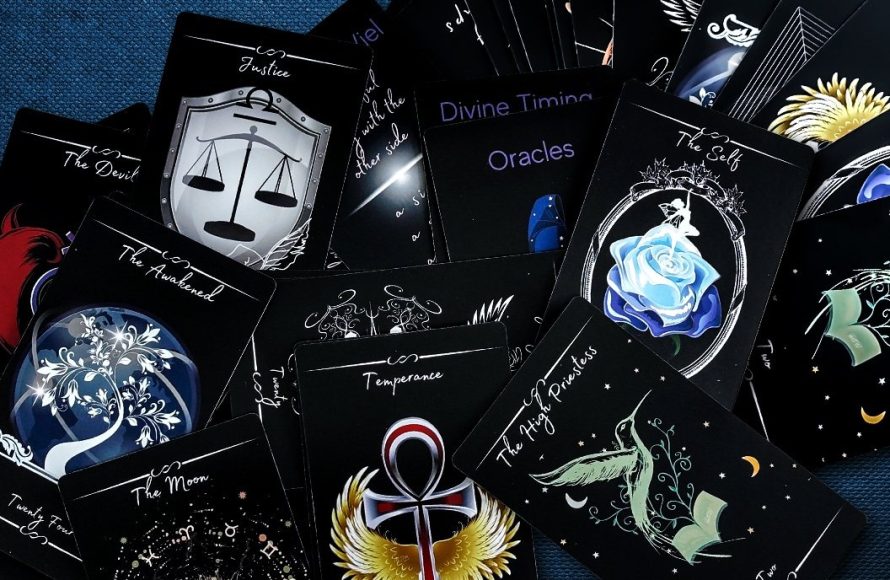
Creating a card game to sell requires a well-defined game concept, playtesting, professional artwork, printing, and strategic marketing to reach your target audience.
Ever dreamed of seeing your card game on shelves? Many people have great ideas, but bringing that concept to reality takes effort. Understanding how to create a card game to sell involves many steps. It’s more than just a cool idea.
You need to consider gameplay mechanics, target audience and the overall experience. After designing, it’s time to test your game with others. This process will give you invaluable feedback.
Finally, you must handle printing and marketing your game to potential customers. These are crucial steps that must be followed carefully.

How to Create a Card Game to Sell
So, you’ve got a fantastic idea for a card game buzzing in your head? That’s awesome! Turning that idea into a game you can sell might seem like a big mountain to climb, but don’t worry. We’re going to break it down into easy-to-follow steps. Get ready to go from idea to a game you can share with the world. This isn’t just about slapping some pictures on cards; it’s about creating an experience people will want to play again and again.
Finding Your Game’s Spark
Every great game starts with a great idea. What makes your game special? Let’s think about that. This stage is all about brainstorming, exploring, and getting the core concepts down. Before you think about rules or fancy artwork, let’s ask some important questions.
What’s Your Game About?
Think about your game’s theme. Is it about dragons and magic? Or maybe it’s a fast-paced game about trading yummy snacks? Maybe it’s educational, teaching about history or science? The theme will help you decide the overall feel of your game and help people who want to buy card games easily identify what type of game it is. Having a solid, interesting theme is the first step toward making a popular card game.
Here are some ideas to get your creative juices flowing:
- Fantasy: Magic spells, mythical creatures, epic quests.
- Sci-Fi: Space exploration, alien encounters, futuristic technology.
- Historical: Events of the past, famous people, ancient civilizations.
- Modern Life: Everyday situations, jobs, relationships, even memes.
- Abstract: No specific theme, focus on patterns, shapes, and numbers.
Don’t be afraid to mix and match themes or create something completely new!
Who’s Going to Play?
Knowing your target audience is really important. Are you making a game for kids, families, or serious gamers? A game for a younger audience will likely need simpler rules and bright, engaging artwork. If it’s for older players, you can make a game with more complex strategies. Thinking about your target audience helps you make choices that will attract the right people to your game.
Here are some audience examples and their needs:
- Young Children (Ages 4-7): Simple rules, bright colors, large cards. Focus on basic concepts like colors, numbers, or matching.
- Older Children (Ages 8-12): Slightly more complex rules, some strategy involved, more engaging artwork.
- Teenagers: More intricate gameplay, deeper strategy, competitive elements, relatable themes.
- Adults: Complex rules, advanced strategies, mature themes, high level of replayability.
- Families: Easy to learn, fun for all ages, cooperative elements, appealing to a wide range of tastes.
What’s the Main Game Mechanic?
Game mechanics are the actions players will take during the game. Is it about collecting sets? Trading cards? Rolling dice? Building something? Understanding the primary mechanism will guide how the rest of the game comes together. Think about mechanics that match your game’s theme and the target audience you’ve defined.
Here are some common card game mechanics to consider:
- Set Collection: Players collect sets of cards to earn points. Think of games like “Rummy.”
- Hand Management: Players manage their hand of cards, using them strategically.
- Trick Taking: Players play cards in rounds, with the highest-ranking card winning the trick (similar to games like “Hearts”).
- Drafting: Players choose cards from a pool, passing the rest on to others.
- Area Control: Players place cards to control different areas on the game board or playing area.
- Variable Player Powers: Players have unique starting abilities or different strategies to explore.
- Engine Building: Players build chains or systems that grant them more resources or advantages.
Designing the Game
Now that you’ve got a strong idea and a solid grasp of your target audience and mechanics, it’s time to start designing the game itself! This is where your idea starts taking shape.
Creating the Card Deck
Every good card game needs a deck of well-thought-out cards. Here’s what to think about:
- Card Types: Do you have action cards, resource cards, character cards, or a mix?
- Card Amounts: How many cards of each type will be in the deck? Don’t make your deck too small or too big.
- Card Values/Ranks: How will cards rank against each other? Numerical value? Special abilities? Symbols?
Balancing your deck is crucial. You don’t want certain cards to be too powerful or useless. Playtesting (which we’ll get to later) is super important to make sure everything feels fair.
Setting Up the Rules
Rules are what make your game playable. They need to be clear, easy to understand, and most importantly, fun. When you’re writing your rules, consider these key points:
- How to Win: What does a player need to do to win the game? How do they accumulate points?
- Game Setup: How do players prepare to begin playing? What should the card layout look like?
- Turns: What actions can players take on their turn? What actions are they not allowed to do?
- Specific Card Instructions: What special things do certain cards do? How do they interact with other cards?
- Ending the Game: When does the game end and how is the winner declared?
Keep it concise but clear. Avoid ambiguity! Use examples and think about every possible scenario. And remember to write them in an order that makes sense for the first time player!
Making it Fun: Adding Layers of Engagement
Don’t just make a game that works. Make one that’s fun! Think about how to create engagement and excitement:
- Strategy: Encourage players to plan moves and think ahead. Add elements that allow them to be clever.
- Surprise: Introduce an element of chance to keep players on their toes. Don’t make your game too predictable.
- Interaction: Have players interact with each other, not just play in isolation.
- Replayability: Design the game to have different outcomes each time. No one wants to play the same game over and over if it always ends the same way.
Testing, Tweaking, and Refining
Okay, your game is designed. Now it’s time for the real test: playing it! This is when you’ll discover what works and what doesn’t. Don’t skip this part; it’s super important! Playtesting and refining are the steps that can make your card game go from being okay to being awesome.
Playtesting with Friends and Family
Start with small groups of people you know and trust. Gather friends and family and play your game with them. Pay close attention to their experiences. Some things to look for during playtesting:
- Understanding: Are the rules clear? Are they easy to understand? Do players get stuck frequently on the rules?
- Fun Factor: Are people enjoying themselves? Does everyone seem engaged?
- Balance: Are some cards overpowered? Are there any cards that seem useless?
- Pacing: Is the game moving at a good pace? Is it too fast or too slow?
- Engagement: Are the players actively engaged in the game? Or are they just going through the motions.
Listen to their feedback, but also watch what they do. Sometimes actions speak louder than words.
Making Changes Based on Feedback
Now comes the hard part: admitting that some things might need changing. This is okay! It’s all part of the process. Some common areas to tweak:
- Rules Clarity: Reword rules that people find confusing. Add more examples.
- Card Balance: Adjust the values and powers of cards based on feedback and observed imbalances.
- Game Length: Shorten or lengthen the game based on how long it takes to play.
- Eliminate Problems: if a rule is confusing, rework it. If the game ends too quickly or too slowly, change the rules.
Playtest again and again after changes, keeping track of the feedback. This cycle will make your game better and better.
Getting the Visuals Right
Okay, you’ve got a fun and well-designed card game. Now it’s time to think about how it looks! Visuals play a big role in making your card game attractive to buyers.
Artwork and Graphic Design
Great artwork can draw people to your game! It helps communicate your game’s theme and makes your cards stand out. Here are some things to consider:
- Style: What style fits your game’s theme? Cartoony? Realistic? Abstract?
- Color Palette: Use colors that are appealing and easy to read. Think about what colors make sense for your game.
- Card Layout: Make sure all the important information on your cards is clearly visible.
- Professionalism: Invest in good quality images and graphic design. It will pay off in the long run.
If you’re not an artist yourself, think about hiring someone to help! Many graphic designers and illustrators would be happy to work with you!
Choosing Materials and Printing
The quality of your cards and packaging can make or break your game. You don’t want cheap materials that fall apart after a few games. Research different printing options to find the best one for your budget and quality.
- Card Stock: Consider thickness, finish, and durability. Some cards are heavier and some have a matte finish.
- Printing Quality: Ensure the cards are printed clearly and with bright colors.
- Packaging: Does it look good on shelves? Does it protect the cards? Does it make sense for your game and price?
- Budget: Balancing cost and quality is important. Shop around for deals.
Legal and Business Stuff
Okay, let’s talk about the not-so-fun but super important stuff. Before you can sell your card game, you need to take care of some business and legal things.
Protecting Your Idea: Copyright and Trademarks
You’ve spent a lot of time and effort on this game, so you need to protect it!
- Copyright: This protects your creative work, like your rules and artwork. You automatically have copyright as soon as you create it, but registering it can make enforcement easier.
- Trademark: This protects your game’s name and logo. If you have a unique name, think about trademarking it. This will make your product more identifiable.
Setting Up Your Business
If you plan to sell your game, think about setting up a small business. Here are some things to consider:
- Business Structure: Will you be a sole proprietor, a partnership, or an LLC?
- Taxes: How will you file business taxes? Do some research and possibly hire a tax professional.
- Sales Channels: Where will you sell your game? Online? In stores? Through conventions?
Doing your research and being prepared can help you avoid headaches down the road.
Pricing Your Game
How much will you charge for your game? Here are some things to think about:
- Manufacturing Costs: How much does it cost to make each game?
- Market Rates: What do similar games sell for?
- Perceived Value: What is your game worth to your customers?
Don’t undersell your game, but also don’t price yourself out of the market. Finding a good middle ground that makes sense for your product and audience is key.
Marketing and Selling Your Game
Okay, your game is ready to go. It’s designed, printed, and you’ve taken care of all the business and legal parts. Now, it’s time to get your game out there. Selling your card game is about more than just putting it on a shelf. You need to get people excited about it!
Building a Brand
Your brand is how people recognize your game. It’s your image and personality. It includes the name, logo, and all the visual and verbal elements of your game.
- Name and Logo: Choose a memorable and unique name and a great logo. Make sure it reflects your game’s theme.
- Website/Social Media: Create a website or social media pages. It’s an easy way to share your game with the world.
- Consistency: Use the same colors, fonts, and overall style in all your branding. People should easily recognize your brand.
A strong brand will help people remember your game. When you make more games, people will see your branding and know it’s you!
Promoting Your Game
You can have the best game in the world, but no one will play it if they don’t know it exists! Here are some ways to market your game:
- Social Media: Share photos, videos, and game highlights on platforms like Instagram, Facebook, or even TikTok.
- Influencers: Reach out to game reviewers or influencers for coverage.
- Conventions: Attend game conventions. Show off your game.
- Local Game Stores: See if local game stores are interested in carrying your game.
- Email List: Build an email list and share updates with your followers.
Marketing takes time and effort, but it’s critical to making sales.
Selling Your Game
How are you going to sell your game? Here are a few options:
- Online Store: Set up your own store on platforms like Shopify or Etsy.
- Amazon: Sell your game on Amazon. It’s an easy way to reach a large number of people.
- Retailers: Partner with game stores and retail shops.
- Direct Sales: Sell your game at conventions or local events.
Selling your game is the final stage in the creation process. Choose the channels that work best for you, your audience, and your game.
Creating a card game to sell is a fun and challenging process. It’s a lot of work, but with planning, a lot of work, and some passion, you can turn your game idea into a reality. From concept to creation and finally to sales, every step is important. Don’t forget that testing and refining are crucial. The better your game plays, the more people will like it. Finally, don’t give up! The card game world can be competitive, but with a good game, solid business and marketing plans, you can find success.
Materials And Mindset – 01 | How To Make And Sell A Card Game | Matthew Boyle
Final Thoughts
Developing a unique concept is essential. Refine your rules and gameplay through playtesting. Artwork and graphic design also require careful consideration for market appeal.
Next, create a compelling prototype and consider your printing options. Marketing and distribution plans are also must; they are crucial to reaching your target audience.
Finally, understanding the entire process of ‘how to create a card game to sell’, from concept to sales, is important for success. It involves balancing creativity with practical business decisions.

