
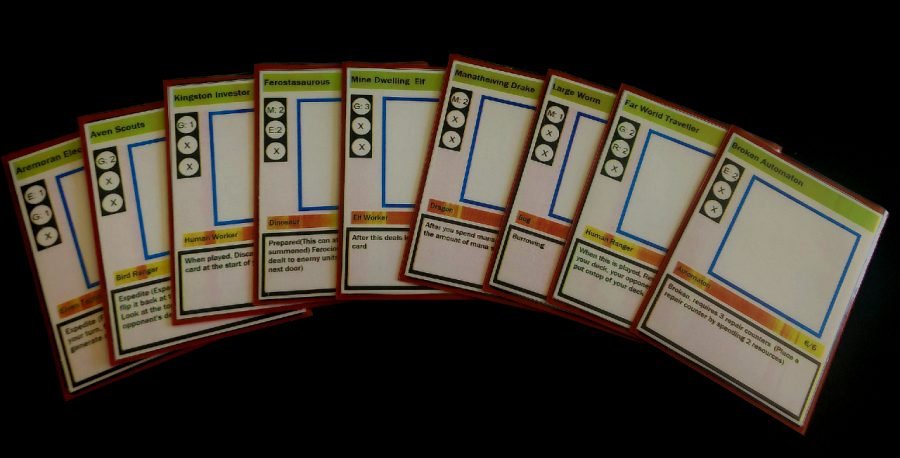
Creating a card game involves defining core mechanics, designing cards with specific rules and values, and then playtesting to refine the experience.
Have you ever wanted to design your own game? Many people are drawn to the idea of bringing a unique experience to life. The challenge of how to create a card game can feel daunting, but it’s actually quite achievable with a step-by-step approach.
This guide will walk you through the essential steps, ensuring you can turn your creative vision into a playable card game. We’ll focus on key areas like mechanics, card design, and playtesting.

How to Create a Card Game: A Step-by-Step Guide
So, you’ve got a fantastic idea for a card game bubbling in your head? That’s amazing! Creating your own card game can be a super fun and rewarding experience. It’s like building a little world of your own, with its own rules and challenges. But where do you even begin? Don’t worry; it might seem overwhelming at first, but if you take it step-by-step, you’ll be creating amazing card games before you know it. We’ll walk you through the process, from the initial spark of an idea to playtesting your creation. So, let’s get started on your card game design journey!
Brainstorming Your Card Game Idea
Every great card game starts with a great idea. This is the fun part where you let your imagination run wild! Think about what kind of game you want to create. Do you want a fast-paced, action-packed game, or something more strategic and thoughtful? Do you want players to cooperate, compete, or maybe even trick each other? Asking yourself these questions will help get you started. Here are some things to consider during this brainstorming phase:
Theme and Setting
A theme can give your game personality. Is it set in a magical fantasy world, a futuristic space station, or maybe even in a backyard? The theme can influence the artwork, card names, and overall feel of the game. Think about popular board games or video games you love. What makes them exciting? How can you bring some of that excitement to your game? A fun theme can make the whole experience more engaging for players.
Game Mechanics
Game mechanics are the rules of your game—how the cards work and how players interact with them. This could include things like drawing cards, playing cards, trading, or using special abilities. Think about what kinds of actions players will take. Some mechanics to think about:
- Card Drafting: Players choose cards from a common pool.
- Set Collection: Players try to collect matching sets of cards.
- Hand Management: Players carefully manage the cards they hold.
- Worker Placement: Players use cards to perform actions or gain resources.
- Area Control: Players try to control specific spaces or regions on the table.
- Engine Building: Players build up their abilities by playing cards that add to their overall power.
Player Interaction
How do you want your players to interact? Will they be directly competing with each other, working together as a team, or doing their own thing separately? Think about different types of player interaction:
- Direct Competition: Players fight each other to win.
- Cooperative: Players work together to beat the game.
- Semi-Cooperative: Players have a shared goal but may have personal secret goals.
- Solitaire: Players focus on achieving their own goals and interact less with others.
Defining Your Card Game’s Components
Now that you have a basic idea of your game, it’s time to get into the nitty-gritty of the physical game components, starting with the cards themselves.
Card Types
What kinds of cards will your game need? Common types include:
- Action Cards: These allow players to perform specific actions.
- Resource Cards: These provide players with resources needed to play other cards or take other actions.
- Character Cards: These represent specific characters with special abilities.
- Event Cards: These can have positive or negative effects on all players.
- Point Cards: These award players victory points at the end of the game.
- Wild Cards: These cards can act as any other type of card.
The number of different card types and the number of each card you have will depend on the complexity of your game.
Card Design and Layout
How will your cards look? Each card needs to clearly show:
- Card Name: What the card is called.
- Card Type: What kind of card it is (action, resource, etc.).
- Card Text: What the card does.
- Card Artwork: A picture that fits the theme of your card game.
Consider your target age group when choosing the font size, artwork style, and the amount of text you use. Keep it clean and easy to understand so that you make it a good user experience for your target audience.
Other Components
Your game may need other components besides cards, such as:
- Game Board: A place where players can move pieces or track their progress.
- Tokens: Small pieces used to represent game elements.
- Dice: To add randomness to gameplay.
- Rule Book: Instructions for playing the game.
- Player Boards: Areas for individual players to track their progress.
Deciding on these components will help finalize how your game will be played.
Writing Clear and Concise Rules
The rules are the heart of your game, and they need to be clear, concise, and easy to understand. You want players to focus on having fun, not struggling to understand how to play. Here are some tips for writing effective rules:
Start with the Basics
Begin with simple instructions on how to set up the game. Explain what each component is and how they are organized. Describe the goal of the game, how a player wins, and how a player loses. Make sure every player has a common understanding of the game’s basic mechanics. Starting with the most fundamental information will give you a good foundation for your game.
Explain Game Play
Next, describe the step-by-step actions players can take during their turn. Go through the turn structure, the timing of each phase of a turn, and how to play cards in your game. Make sure you cover any card or game mechanic, and explain how it works. For example, If you have action cards, describe how they work, how resources are gained, and how they are used. Consider adding examples of a common player turn. This will allow your players to follow along with ease.
Special Card Interactions
Explain how special abilities, card combinations, and specific exceptions to the rules work. Sometimes, a card might break a regular rule; make sure these situations are clearly outlined. Detail how each card type works, especially if there are specific card interactions. Be as thorough as possible here to avoid confusion.
Clarify Common Misunderstandings
Think about parts of your rules that might be confusing. Are there interactions between cards that might be interpreted in different ways? Are there phrases in your rules that might be misleading? Be as specific as you can and try to predict what might confuse players. Including a frequently asked questions section can be helpful in addressing confusing parts. This will make sure your players will have a good experience with your card game.
Keep it Simple
Use simple language and short sentences. Use bullet points and lists to organize information. Break up long passages of text into smaller, more digestible sections. A well-written rule book will greatly enhance player engagement.
Prototyping and Playtesting
Before you invest in making hundreds of copies of your game, you absolutely need to create a prototype. This is a simple version of your game that you can test out with friends and family.
Creating a Simple Prototype
Your first prototype doesn’t need to be fancy. You can use index cards or even pieces of paper to create your cards. If you have tokens and other components, you can use anything available. Use basic shapes as tokens, or borrow them from other games. The point is to have a playable version of your game so you can see if the mechanics are working the way you planned.
Gathering Playtesters
Ask your friends and family to try your game. Choose people who enjoy playing games, and people of different ages and with different gaming experiences. Watch how they play and ask for feedback. Take notes of any problems that they face. Don’t be afraid to make changes based on their opinions!
Analyzing Feedback
Pay close attention to your playtesters’ reactions. Note which parts of the game are fun, which parts are boring, and which parts are confusing. Are the rules clear? Are the cards balanced? Do players understand what they are supposed to do? Write down the issues and brainstorm ways to fix them. This might mean tweaking your game mechanics, card values, or wording in the rulebook. You may have to go through several rounds of testing and feedback before your game is ready. Your goal is to make a fun and engaging card game for others to enjoy.
Iterate and Improve
Based on feedback, make changes to your game. This is called iteration. You may need to change the number of cards, modify abilities, and reword card descriptions. You may even need to redesign some mechanics. Then playtest again. Don’t get discouraged if it takes a few tries! Each iteration will bring you closer to having a polished, well-balanced card game. Each playtest is a step closer to your dream card game.
Balancing Your Card Game
Balancing is crucial for any good game. You want to ensure that no single strategy or card is overly powerful and that each player has a reasonable chance of winning. This is an ongoing process, even after you’ve playtested a lot.
Card Value and Power
Review the power of your cards and make sure they are balanced relative to one another. For example, a very powerful action card should be balanced with a higher cost or a very difficult condition to play. A weak card should have a low cost and/or an easily used condition. Analyze how cards work in combination. Are certain cards working way too well together? If they are, you might need to make some adjustments. Remember, you want a fun, engaging game and not an easily dominated one.
Starting Resources and Conditions
Ensure that all players have similar starting resources or advantages. If some players have a clear advantage at the beginning, it may make the game unfair and discouraging to others. Are some conditions or scenarios very hard for players to overcome? Make sure starting conditions and the overall balance of the game are fair for all players.
Avoiding “Runaway Leader” Scenarios
One common problem is when one player gets a big lead early in the game that is impossible for the other players to overcome. Design your game to make it difficult for one player to gain an insurmountable advantage, and to give other players opportunities to catch up. Some ways to do this include cards that penalize the player in the lead, or strategies that make it easier for players to catch up from behind. A close game is usually more exciting than one that is lopsided.
Ongoing Adjustments
Even after you think you’ve finalized your game, you may still need to make adjustments when more people start playing it. You might discover unintended card combinations or strategies during normal playtesting that require some fine-tuning. Be open to making these changes to keep your game well balanced and enjoyable for everyone.
Finalizing Your Game
Once you are confident that your game is balanced, fun, and easy to understand, you can begin the process of finalizing the design. This includes some final design decisions before publishing your game.
Final Art and Design
Now it’s time to give your cards a polished look. This could mean hiring a graphic designer or creating the artwork yourself. Make sure your art style and theme work together for a unified experience. Use a clear and easy-to-read font, especially for the card text. Make sure all elements on your card are visible and easily understood.
Professional Proofreading
Have someone carefully proofread your rulebook and your card texts. Mistakes in spelling and grammar can lead to confusion, and professional editing will help prevent problems. You might want to have several people review it. Fresh eyes may catch mistakes that you missed yourself.
Printing and Production
You have several choices on how you produce your game. You can print them at home, use a local printer, or look into professional printing services. If you use a local or professional printer, they will likely provide you with a sample for final approval. Consider the materials you’ll use: quality card stock, durable boxes, and a clear finish. The final production quality of your game can impact the player’s experience.
Publishing and Sharing
Once your game is ready, you can begin sharing it with others! You might sell it online, through a website, or sell it at game conventions or local game stores. There are also crowd funding services available that can help to promote and publish your game. Remember to use your network to promote your card game. Creating a card game can be challenging, but it’s an amazing experience to share your passion with the world!
Creating a card game is a journey that involves a lot of creativity, testing, and refining. From the initial spark of an idea to the final printed product, every step is important. Remember to have fun with the process, be open to feedback, and keep iterating until you’re happy with the final result. The world of card games is always looking for fresh, exciting new experiences, and your unique creation could become someone’s next favorite game. By taking a structured approach and focusing on clarity, balance, and playability, you’ll be well on your way to crafting something special.
How to make your own card game in 2024
Final Thoughts
In short, how to create a card game involves outlining a core mechanic, developing balanced rules, and testing repeatedly. You must clearly define the win condition and keep components simple.
Focus on playtesting as much as possible. Gather feedback and iterate on your game to make it better. Refinement is key to a fun design.

