
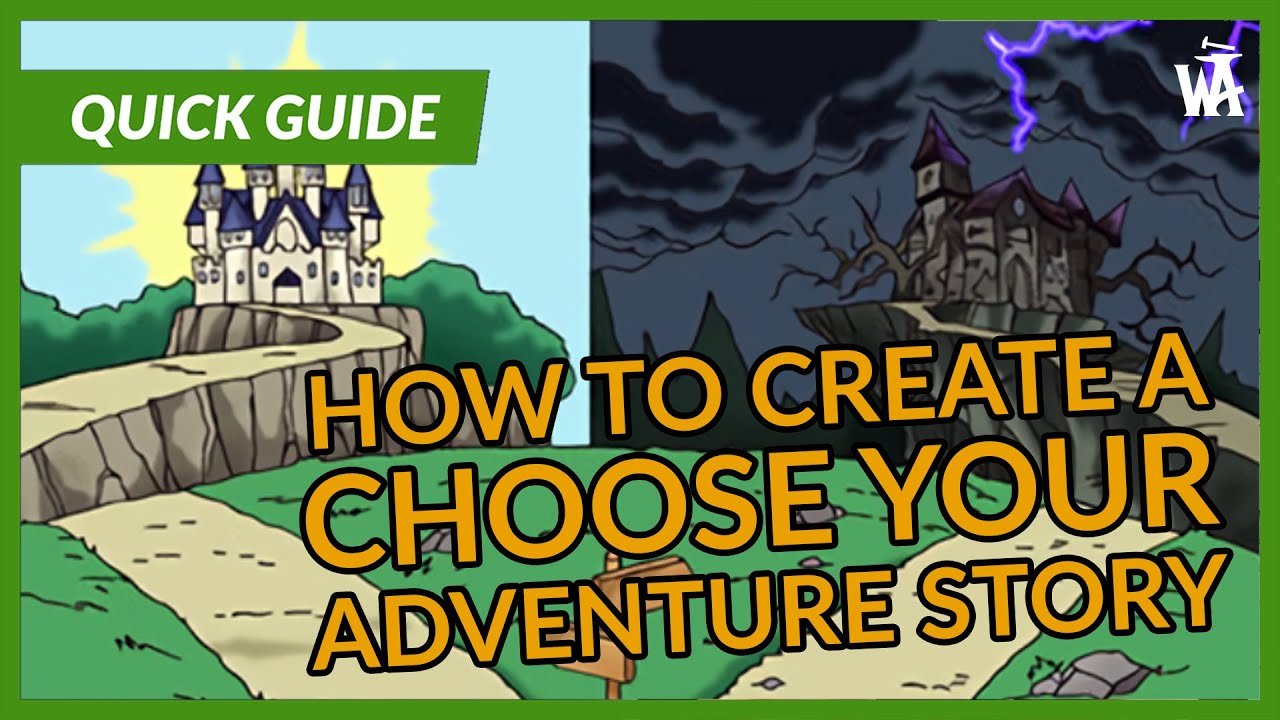
Creating a choose your own adventure game involves writing a story with multiple choices, each leading to different outcomes and subsequent choices.
Ever dreamt of crafting interactive stories where the reader dictates the narrative? The power to shape a tale with branching paths and varied endings is totally within your grasp! This guide explains exactly how to create a choose your own adventure game, turning your creative visions into engaging experiences.
We’ll break down the process into simple steps, focusing on story structure, choice implementation, and building a compelling narrative flow. Get ready to embark on a journey of interactive storytelling!

How to Create a Choose Your Own Adventure Game
Ever dreamed of creating your own amazing story where the reader gets to make the choices? That’s exactly what a choose your own adventure game is all about! It’s like a book, but way more interactive. Instead of just reading what happens, the reader gets to decide what the main character does. This makes reading super fun and engaging. Let’s dive in and see how you can create your own exciting choose your own adventure game.
Planning Your Adventure
Before you start writing, you need a plan. Think of it like building a house – you need a blueprint first! This stage is all about figuring out what your story will be about.
Decide on a Genre and Theme
What kind of adventure do you want to create? Is it a thrilling space quest, a magical fairytale, a spooky mystery, or a fun detective story? Choosing a genre helps set the tone for your game. Think about your favorite books and movies. What kind of story do you enjoy the most? Is it fantasy, science fiction, mystery, or maybe something else? The theme is the main idea of your story. For example, is it about friendship, courage, or solving a puzzle? A good theme will make your game more meaningful.
Here are some popular genres to get you started:
- Fantasy: Think magical creatures, wizards, and quests.
- Science Fiction: Spaceships, robots, and other planets.
- Mystery: Clues, detectives, and solving crimes.
- Adventure: Exploring new places and overcoming obstacles.
- Historical Fiction: Stories set in the past.
Brainstorm Your Story Ideas
Now that you have a genre, you need to come up with a cool story. What problem will the player try to solve? Who will they meet? What kinds of decisions will they make? Don’t worry about getting every detail perfect right now. The goal is to come up with a lot of ideas. It’s like gathering different ingredients before you bake a cake. Write down all the ideas that come to your mind, even if they seem silly or strange. They might become useful later on. To start brainstorming, try answering these questions:
- Who is the main character? What are they like?
- What is their goal?
- What challenges will they face?
- What interesting places will they visit?
- What kind of ending do you want?
Outline Your Game’s Structure
A choose-your-own-adventure game is like a tree with many branches. The main story is the trunk, and each choice the player makes leads them to a different branch. You need a main starting point. This is where the player’s adventure will begin. Then, think of multiple choices that the player can make, and each choice should lead to a different scene or situation. This is how the game branches off. You need to plan where these paths will go. Each path should have its own twists and turns and leads to different outcomes. Try to make the choices fun, interesting, and relevant to the story. Use a flow chart or a diagram to visualize how your story branches.
For example:
- Start: You are in a dark forest.
- Choice 1: Go left (leads to a cave)
- Choice 2: Go right (leads to a river)
- Cave branch: You find a treasure! (end) OR You encounter a monster!
- River branch: You cross the river (leads to a village) OR You follow the river upstream (leads to a hidden valley).
Writing Your Adventure
Now it’s time for the fun part – writing the actual game! This is where you put all your ideas into words. Remember to use clear language, keep it engaging, and make each choice matter.
Crafting Engaging Scenes
Each scene should be like a little story in itself. Start by setting the scene. Describe where the player is, what they see, and what they hear. Make the player feel like they are really there. You can do this by using vivid descriptions and sensory details. For example, instead of saying “You’re in a forest,” try “You stand at the edge of a dark forest, the air thick with the smell of damp earth and pine needles. The rustling leaves and the hooting of an owl fill the air.” Make the descriptions detailed but not overwhelming for the reader. You want to paint a picture in their minds, so they can really feel part of the story. The scenes should be interesting and have their own feel. Use descriptive words that will keep the player engaged and wanting to know more about their journey.
Writing Compelling Choices
The choices are the heart of your choose-your-own-adventure game. Make sure they are clear and easy to understand. Each choice should have consequences, even if some are very small. For example, choosing one path might lead to a friendly character, while another path leads to danger. The choices should matter. Don’t make them seem like a trivial choice. The reader should feel like they are shaping the story. The choices should be directly related to what is happening in the scene. They should make sense in the context of the story. A good choice should make the player pause and think before they decide what to do. Write them in the form of questions that the reader would answer.
Here are some examples of good choices:
- Do you go inside the creepy castle, or do you try to find another way around?
- Do you help the old woman or continue with your mission?
- Do you trust the mysterious stranger or run away?
Creating Different Endings
Not all adventures should have the same ending. Some choices should lead to happy endings, some to sad endings, and maybe even a couple of surprise endings! Make sure that the ending is a direct consequence of the choices that the player has made. The player should feel that their decisions have impacted the way the story has ended. This makes the game more exciting and encourages them to play again to see what happens if they make different choices. A variety of endings makes your game replayable. Players will want to see all the possible outcomes.
Organizing Your Game
As your story grows, it will become important to keep things organized. Each part of your game is connected, so you need a way to keep track of them so you don’t get lost.
Numbering and Linking Scenes
Assign a number to each scene in your game. This is a very simple and easy way to keep things organized. It’s like giving each room in your house a number. This way, when you write a choice that leads to another scene, you just need to say “go to scene number 5” instead of describing the whole location again. This will make it easy for you to connect different parts of your story. When you write a choice, refer to another scene by its number. In the writing part, you’ve got scenes and choices. Each choice points to a scene with a different outcome. Here’s how to link each choice to the appropriate scene:
For example:
- Scene 1: You are in the forest.
- Choice A: Go left. (Go to scene 2)
- Choice B: Go right. (Go to scene 3)
- Scene 2: You found a cave.
- Scene 3: You found a river.
Using a Flowchart or Diagram
A flow chart is like a map of your story. It shows how all the different scenes and choices are connected. This helps you see the complete structure of your game. Use boxes for scenes and arrows for choices. You can use sticky notes or draw it on paper. You can also find online tools for creating digital flowcharts. A visual representation of your story makes it easier to spot errors or plot holes and is also easier to show to other people. A clear overview can help you write a more cohesive story.
Here is how you can start a flowchart:
| Box | Description |
|---|---|
| Start | You are standing at the edge of a forest. |
| Choice 1 (Arrow) | Go left |
| Scene 2 | You enter a dark cave. |
| Choice 2 (Arrow) | Go right |
| Scene 3 | You reach a rushing river |
Choosing a Format for Your Game
There are many ways to present your game to others. You can put it in a simple word document, a web page, or even a specialized game engine.
Writing in a Simple Document
The simplest way to create your game is to use a word processing program like Google Docs or Microsoft Word. This option is perfect for beginners who want to focus on storytelling without getting bogged down by technology. Just write your scenes and the choices and the numbers of the scenes, and let the reader follow the paths, just like a book with multiple endings. You can easily add some formatting using bold, italics, and different font styles to make it more readable.
Using a Web Page
A web page can make your game look more engaging. You can use simple HTML to structure your game and add some basic styling using CSS. You can link each choice to its own page, making it easy for the player to navigate. This format also lets you add pictures and make the layout more appealing. There are also a lot of easy online tools and services that help you create a website without coding knowledge.
Here is a basic HTML structure:
    <!DOCTYPE html>
    <html>
    <head>
    <title>Your Adventure Game</title>
    </head>
    <body>
    <h2>Scene 1: The Forest</h2>
    <p>You are standing at the edge of a dark forest. What do you do?</p>
    <ul>
        <li><a href="scene2.html">Go left</a></li>
        <li><a href="scene3.html">Go right</a></li>
    </ul>
    </body>
    </html>
Using Game Creation Tools
For more advanced options, there are game creation tools like Twine or Inklewriter. These tools are specifically designed for making interactive stories. They have interfaces that make it easy to write scenes, create choices, and link them together. They also allow you to add other features like pictures, sounds, and different types of variables. These tools are ideal if you want a more polished or interactive game without needing extensive coding knowledge.
Testing Your Game
After you have finished writing and organizing your game, you need to test it. This makes sure that your story flows correctly, that the links are working correctly, and that the choices are fun. Ask friends to play your game, give you some feedback, and see if they can follow it all. Make any changes or corrections based on their feedback.
Play Testing and Feedback
Playing your own game can reveal errors that you might have missed. Test each path and each ending to make sure everything works correctly. Ask your friends and family to play it. Watch them play and see if they have any difficulties understanding your game. Ask them questions like:
- Was the story interesting?
- Were the choices clear?
- Were there any confusing parts?
- Did they have fun playing the game?
Making Revisions
Based on your own testing and other feedback, go back to your game and make the necessary changes. It’s normal to have some changes, so don’t worry if your game needs a little work. Revise your writing, improve your choices, and fix any issues with links. Be open to suggestions and make the changes that will improve your story. The first version of anything is rarely the best. Review, refine, and retest to make your story the best it can be.
You’ve now created a choose your own adventure game! It may take time and effort, but the end result is so satisfying. Enjoy sharing your story with others.
How to Create a Choose Your Own Adventure Game Book | World Anvil Quick Guide
Final Thoughts
Creating branching paths is key. You must meticulously plan the story’s different outcomes and choices. Write engaging text and ensure clear instructions at each decision point.
Use simple tools like word processors or presentation software to structure your narrative. This straightforward approach helps with visually mapping the game’s flow.
Remember, how to create a choose your own adventure game centers around player agency. Prioritize clear options and ensure a fun, interactive experience.

