
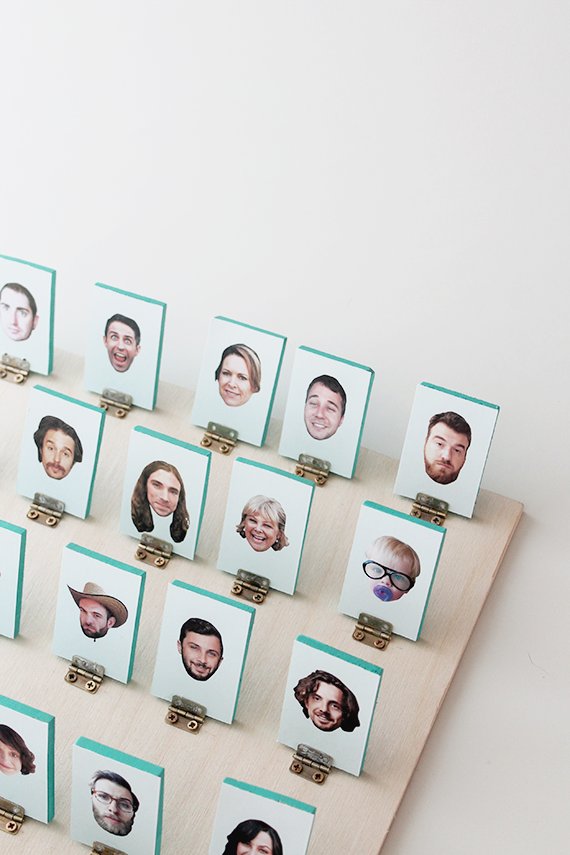
Creating a Guess Who game involves designing character cards, a game board with matching characters, and establishing a question-based elimination process.
Have you ever wanted to make your own version of a classic guessing game? You’re not alone! Many people are curious about how to create a guess who game from scratch. It’s a fun project that allows for endless customization and personal creativity.
Making this game provides a unique opportunity to tailor the characters to your interests. You can use family members, friends, or even fictional characters as inspiration. This is a great way to personalize a classic game for family gatherings or parties.

How to Create a Guess Who Game: A Step-by-Step Guide
Creating your very own Guess Who game is a fun and rewarding project! It’s a great way to personalize a classic game, making it even more enjoyable for family and friends. Forget buying a new one; you can easily make one using materials you probably already have around the house. This guide will walk you through each step, so you can create your own version of this popular guessing game.
Gathering Your Materials
Before you start building your game, you’ll need to gather all the necessary supplies. This will make the process smoother and more efficient. Here’s what you’ll need:
- Cardboard or Poster Board: This will serve as the base for your game boards. You’ll need two pieces, one for each player. A sturdy material is best.
- Photos or Drawings of People/Characters: These are the stars of the show! They can be photos of family members, friends, cartoon characters, or even drawings you create. Aim for 24 unique faces for a good variety.
- Small Cardstock or Paper Squares: You’ll need enough squares to match the number of faces in your game. These will become the individual cards that players use to guess.
- Tape or Glue: For attaching the photos or drawings to your game boards and cards.
- Scissors: To cut out the photos, squares, and any other necessary pieces.
- Markers or Pens: For writing character names and any other needed text on cards and boards.
- Optional – Clear Contact Paper: This will provide added protection and make your game more durable.
Designing Your Game Boards
The game boards are crucial for the game’s functionality. Here’s how to create them:
Preparing the Board Structure
First, take your cardboard or poster board and make two identical rectangles. A good size is around 12 x 15 inches, but you can customize this to suit your liking. Once you have your base boards, you will design the layouts.
Creating the Character Slots
Now, it’s time to plan where the character faces will go. You will need to create equally sized slots to place each face. Draw a grid on the board with enough squares to fit all your pictures or drawings. A good arrangement is a grid of 4 rows and 6 columns, accommodating 24 character pictures. Be sure to leave a little space between the slots to make it easy to flip the character cards up and down.
Attaching Photos or Drawings
Once your grid is drawn, carefully stick the pictures or drawings of your characters inside each rectangle or slot. Make sure to adhere the photos or drawings correctly so they don’t fall off easily. Use tape or glue to attach each character to its designated slot on the board. Make sure the attachments are firm. Allow the glue to dry to ensure proper hold. After that, you will move on to creating the character cards.
Making the Character Cards
The character cards allow you to make your guesses about the other player’s character, and those cards will be picked randomly to be the mystery character that each player guesses. It’s a key part of the whole game process and must be handled with care.
Preparing the Card Squares
Take your cardstock or paper squares. Each square should be sized to accommodate one of the faces you’ve used on your boards. Be sure all the cards are of same dimension to maintain consistency.
Adding the Character Photos or Names
Attach each of your character photos or drawings to one of the card squares, so that the character card corresponds to a character image on your main board. Or you can simply write the name of each character onto a card, instead of attaching the pictures if you prefer. Either method is fine. Make sure the names are legible. After this, you can move on to play the game.
Adding Finishing Touches for Durability
If you want to make your game more durable and long-lasting, here are a few tips that will make the game more protected from wear and tear.
Laminating Cards and Boards
Using clear contact paper is a simple way to laminate your boards and cards. This will make them resistant to spills and bending. Carefully apply the contact paper over each board and card, smoothing out any bubbles and trimming the edges. This extra step will help your game last longer, especially with enthusiastic players!
How to Play Your Homemade Guess Who Game
With your game complete, it’s time to play! Here’s a breakdown of how the game works:
Setting Up the Game
First, each player will take one of the game boards. Next, shuffle the individual character cards and then each player will draw one card, but keep it a secret from the other player. This card represents the mystery character the other player needs to guess. Place the rest of the character cards face down.
Asking Yes or No Questions
Players take turns asking questions about the appearance or characteristics of the mystery character. The questions must be answerable with a simple yes or no. For example, “Does your character have glasses?” or “Is your character wearing a hat?”. Based on the answer, each player will flip down the character faces that don’t fit the description.
Making a Guess
When a player thinks they know who the mystery character is, they can make a guess. If their guess is right, they win the game. However, if they guess incorrectly, they lose. Usually, players can guess once per game or choose to keep asking questions if they’re not sure.
Playing Variations of the Game
There are so many ways you can play the game. Here are some variations you can try:
Team Play
If you have more than two players, you can divide into teams and play as a group. This adds a cooperative element to the game and encourages teamwork.
Theme Your Game
Instead of people, you can use animals, objects, or even places as the characters. This adds a fun, fresh twist to the game.
Add Difficulty
Create a system where players will lose if they ask the wrong questions or give an incorrect answer to a question. This increases the intensity of the game.
Making Up Your Own Rules
There are no hard rules in making your own games, so feel free to make up your own rules, which is what makes homemade games so special. For instance, add more complicated characteristics like “Does your character love sports?” or “Does your character like pizza?” The possibilities are endless.
Tips for a Successful Game Creation
Making your own Guess Who game can be a great learning experience. Here are some extra tips to help you create a wonderful game:
Choosing the Right Images
Use clear, well-lit photos or drawings so it’s easy to distinguish between characters. Ensure all the images are of similar size and quality. This will enhance the playing experience. If you’re using drawings, make sure they are not too abstract, or it may be too difficult for players to distinguish between the characters.
Creating Accurate Descriptions
When adding names or any text, ensure that the descriptions are clear, concise, and easy to read. Use a consistent font size to maintain uniformity across all the cards and boards. This will make it easier for players to refer to the character descriptions. This is critical when making name cards instead of photos.
Proper Game Storage
After you create your game, remember to store it carefully to prevent any wear and tear of the game pieces. When not in use, store the boards flat and the cards in a box or pouch. This will keep everything in good condition and ready for the next game.
Testing Your Game
Before finalizing your design, try playing your game to identify any problems. This will help you identify design flaws or parts of the game that might be too confusing for others to use. Adjust as needed and you’ll be able to create a smooth and enjoyable gaming experience.
The Educational Benefits
Creating a Guess Who game isn’t just fun; it’s also educational! Here are some skills that it will teach:
Enhancing Critical Thinking Skills
Players must think strategically and formulate smart questions. This will help them think logically and make them more comfortable problem-solving.
Improving Language Skills
Formulating questions also helps with practicing language and description skills. Children who play this game will also build up their vocabulary and communication skills.
Developing Observation Skills
Paying close attention to details and noticing minor differences between characters enhances observation skills. Players will be able to notice details more easily as their observation skills improve.
Encouraging Social Interaction
Playing together promotes social interaction and turn-taking. This will help players improve their ability to socialize, especially with others of the same age.
Creating your own Guess Who game is a wonderful way to combine creativity and fun. It’s a project that can involve the whole family, and it gives you a unique and personalized game that you will treasure. From gathering materials to playing the final game, every step is an opportunity to learn and be creative. Enjoy making your custom version of this classic game and have fun playing with your loved ones!
DIY CUSTOM GUESS WHO BOARD GAME TUTORIAL! How to make your own Guess Who game with your friends!
Final Thoughts
To create a Guess Who game, first, gather images and print them. Then, make corresponding character cards. Create a grid board to hold the face cards. The process must be organized for a playable game.
Next, ensure you have a question system. Players use yes/no questions to eliminate characters. How to create a Guess Who game requires careful planning of your components. It should be fun and engaging.
Finally, enjoy your custom game. This straightforward process lets you quickly make your own version. Remember to think about your chosen theme and images.

