
Designing a card game involves defining a core mechanic, creating card types with specific effects, establishing win conditions, and playtesting rigorously.
Ever thought of creating your own game? The satisfying click of a shuffled deck, the anticipation of drawing a powerful card – imagine bringing that to life. Many people have wondered about how to design a card game.
It’s not as daunting as it seems! The process begins with understanding your game’s core, then slowly adding layers of complexity. Think about a core mechanic and the feel you want to create.

How to Design a Card Game
So, you want to make your very own card game? That’s awesome! Designing a card game can be a really fun and creative project. It might seem tricky at first, but if you take it step by step, you can absolutely do it. Think of it like building with LEGOs – you start with the basic pieces and then put them together to create something amazing. Let’s break down the process of how to design a card game into smaller, more manageable chunks, so you can get started on your fantastic creation.
Brainstorming Your Card Game Idea
Before you even think about drawing pictures or writing rules, you need a great idea. This is where the fun begins! What kind of game do you want to make? Think about some of your favorite games, and what you like about them. Here’s how to get those creative juices flowing:
What’s Your Theme?
First things first: what is your game about? Is it about exploring a jungle, building a city, collecting funny monsters, or something else entirely? The theme is the story or idea that ties everything together. A strong theme will make your game more exciting and engaging for players. For example, a game about space exploration would have a very different feel from one about a baking competition.
- Think of interesting worlds or scenarios.
- Consider things you love, like animals, history, or science fiction.
- Look at what other games have done, but come up with your own unique twist.
Decide on Your Target Audience
Who are you making this game for? Kids? Adults? Families? This matters because it will influence how complex your game is, how long it takes to play, and the type of artwork you might use. A game for very young kids will be much simpler than a game designed for teenagers or adults.
- If it is for kids, make sure it is not too complicated and easy to understand.
- If for adults make sure it has enough depth and decision making opportunities.
- If you aim for families, make sure it is enjoyable for all age groups.
Figuring Out Core Mechanics
Core mechanics are the basic actions that players will take in the game. Will they be drawing cards, matching symbols, collecting sets, or something else? Think about the basic actions you want people to perform throughout the game. These mechanics drive the flow of the game and will determine a lot about its feel and pacing. Core mechanics are the actions players take regularly.
- Deck building: Players start with basic cards and add better ones as they play.
- Hand management: Players hold and use cards to achieve goals.
- Set collection: Players try to gather matching cards or card sets.
- Worker Placement: Players assign their worker cards to different locations.
If your game is based on resource collection, consider how those resources are used. It is good to think about what happens when players run out of resources. In a worker placement game, think of what different locations do and which actions are most valuable.
Designing Your Game Cards
The cards are the heart of your card game! Here’s how to make them interesting and useful.
Card Types
Not all cards need to be the same. Some might be for resources, others for actions, and others for scoring points. Consider how different card types add variety and strategic elements to the game. Think about what you want to happen during your game. For example if you want to allow players to use actions, you need to create action cards.
- Resource Cards: These give players materials or items to use in the game.
- Action Cards: These let players do something special, like attack or heal.
- Character Cards: These can be the main characters of the game and have special abilities.
- Event Cards: These can cause changes or challenges in the game.
- Objective Cards: These are the goals players try to reach.
Card Attributes
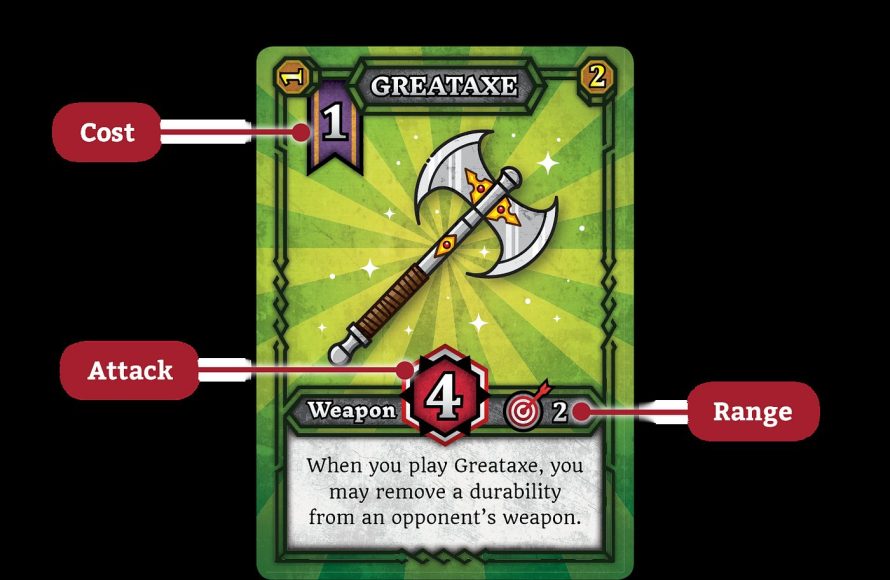
Each card should have specific information on it, such as names, artwork, or special abilities or strengths. You might also include a cost or points value. These details make each card unique and play a particular role in your game. Card attributes are vital for game play.
- Name: What you call the card, should relate to the card’s role.
- Picture or Illustration: The artwork should fit the game theme and card purpose.
- Ability: what action it perform in the game.
- Cost: How much does it cost to use it?
- Points: How many points does it score?
Balancing the Cards
It’s really important that no card is too powerful or useless. This is called “balancing.” If some cards are always chosen, and others are always avoided, your game will become less fun. You can try adjusting values, cost, points to keep the balance. You want each card to feel like a useful option, and for all of the cards to have a role in your game. Balance makes your game fair and fun for everyone. Here are some things to think about when balancing cards:
- Test all your cards and see if any are too strong or too weak.
- Adjust the values of the cards to keep the balance.
- Make sure there is a good variety and not all cards do the same thing.
Writing Clear Game Rules
Your game could be amazing, but without clear rules, nobody will know how to play! Here’s how to write rules that are easy to understand.
Simple and Direct Language
Use simple words and short sentences. Avoid complicated language that might be hard to grasp. Imagine you’re explaining the game to a younger child – that will help you keep the language clear and easy to understand. It is important to use simple, clear words.
- Use short sentences.
- Avoid complicated words.
- If you have to use a special term, explain it clearly.
Step-by-Step Instructions
Think about the game step-by-step. Start from the beginning of the game and work your way through to the end, explaining each phase of the game. Divide the rules into clear sections, like setup, gameplay, and ending. Numbering these sections might help players keep track of where they are. The clearer the rules are, the easier it is to learn the game.
- Explain how to set up the game.
- How to start the game and take turns.
- How to win the game.
- Explain any actions clearly.
Examples and Illustrations
Sometimes, seeing something in action is much easier than just reading about it. If a rule is complex, add an example or a picture to demonstrate how it should be done. These visuals can be very helpful for players, especially those that learn better when things are visual. Examples and illustrations help players understand faster and correctly.
- Use diagrams to illustrate complex steps.
- Add examples of actions.
- Use pictures to explain game concepts.
Playtesting and Iteration
You’ve got your cards, you’ve got your rules… now it’s time to play! This is a very important step in game design. Playtesting is the process of trying out your game with others and making changes. This is a continuous process, you must repeat it to make your game as fun as possible. This phase is essential to find out flaws in your game and get feedback from players.
Getting Feedback
Playtesting helps find out what people think of your game. Watch how players play your game and listen to what they say. Their feedback is very important and helps you make improvements to your game. Encourage them to be honest with their opinions. Here are some things to pay attention to:
- Are they having fun?
- Are the rules clear?
- Are some cards too strong or too weak?
- Is anything confusing?
- What do they like the most and the least?
Making Changes Based on Feedback
You might have to make some changes according to the feedback received. This could mean changing some cards, adjusting some rules, or even adding a whole new element to the game. Don’t be afraid to change things, as it is an important part of making your game the best it can be. Consider these actions:
- Adjust card values.
- Change or add new rules.
- Simplify game actions.
- Make artwork better if necessary.
Iterating and Refining
Don’t expect your game to be perfect after the first playtest! The iterative process of play testing, getting feedback, and making changes is how you refine and perfect your game. Keep testing, getting feedback, and making improvements. The more you test and improve, the better your game will become. You can test with different people and even different player counts to ensure your game is fun and engaging for many different play styles.
Adding Unique Elements to Your Game
What can make your game special? After making sure the basics are okay, you can think about some creative ideas that will help your game stand out from other games.
Special Abilities and Powers
One cool thing to add could be cards with special abilities or powers. These abilities could allow players to do something unique, like blocking other players or giving themselves extra resources. Unique abilities can make the game very exciting and offer strategic layers to it. Special powers keep the players on their toes.
Unique Scoring Mechanics
Scoring should be more than just adding up points. Maybe you can score bonus points for collecting specific sets of cards, reaching milestones, or completing certain tasks. Creative scoring can make the game more interesting. A different scoring method can make your game stand out.
Introducing Game-Changing Events
Think about adding game-changing events or cards to your game, that can totally change how the game is played. This can add variety, challenges, or even cause unexpected twists. This can make the game more unpredictable and fun. A twist can add a bit of excitement.
Designing Card Art and Layout
The look of your cards is very important too. The card art and layout helps bring the game to life. Here’s how to make your cards look good and clear.
Choosing a Style
Choose an art style that matches the theme of the game. Will it be colorful and cartoonish, serious and realistic, or something completely different? The art style needs to help set the mood and feeling of the game. Consider these styles:
- Cartoon style: If it is a fun and light hearted game.
- Realistic style: If it is a serious game.
- Abstract style: If the theme is creative and abstract.
- Pixel Art: If it is a retro game.
Clear and Easy to Read Layout
Make sure your text is big and easy to read, and the symbols are clear. Don’t overcrowd the cards with information, keep them clean and simple. A good layout makes your game easy to learn and play. Clear text and symbols are a must.
- Use clear fonts.
- Arrange elements in an organized way.
- Keep the cards simple and easy to understand.
Using Symbols and Icons
Symbols and icons can help players quickly grasp what the cards do without needing to read a lot of text. Use them smartly to make the game smooth and easy to learn. Well designed symbols can help make gameplay smoother.
- Use symbols for resources, actions, points, etc.
- Keep the symbols simple and easy to understand.
- Make sure the symbols are consistent through out the game.
Designing your own card game is a creative process, and it can be a lot of fun. With these steps in mind, and continuous play testing, you should be well on your way to crafting a game that is exciting and enjoyable for everyone!
I Made A TCG From Scratch! – Episode 1
Final Thoughts
Start by defining your game’s core mechanic. Then, create cards that support this mechanic. Playtest extensively and adjust as needed.
Remember, simplicity often makes a game more enjoyable. Think about how players interact with each other. The process of ‘how to design a card game’ requires patience and iteration. This is must.
Refine your rules to ensure clarity. Finally, focus on balanced gameplay to provide a good experience.

