To fix the issue of NBA 2K26 not recognizing your external hard drive, ensure the drive is properly formatted (NTFS for PC, exFAT for compatibility), connected securely, and that your system recognizes the drive itself. You may also need to update drivers or reinstall the game.
Frustrating, right? You’re ready to jump into NBA 2K26, but the game isn’t seeing your external hard drive where it’s installed. This can halt your gaming excitement.
We’re tackling how to fix the issue of NBA 2K26 not recognizing your external hard drive in this guide. Let’s get your game back on track quickly.
We will cover troubleshooting steps that address the connection, formatting, and software configurations. Read on and resolve the NBA 2K26 external drive problem!

How to Fix the Issue of NBA 2K26 Not Recognizing Your External Hard Drive
NBA 2K26 is finally here, and you’re ready to hit the virtual court. However, a frustrating problem arises: your console or PC isn’t recognizing your external hard drive where you’ve installed the game.
Don’t worry; you’re not alone. Several factors can cause this, and many solutions exist.
Understanding Why NBA 2K26 Might Not Recognize Your External Hard Drive
Several reasons could explain why NBA 2K26 isn’t detecting your external storage device. Identifying the cause is the first step to fixing it.
These reasons range from simple connection issues to more complex formatting problems. Let’s explore some of the common culprits.
Common Causes
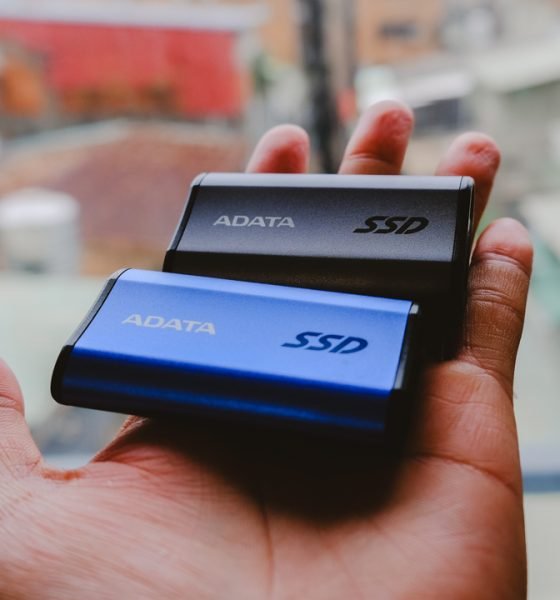
Connection Problems: The USB cable might be loose, damaged, or incompatible. A faulty USB port on your console or PC can also be the problem.
Drive Formatting Issues: The external hard drive might be formatted in a file system that’s incompatible with your gaming platform. This is a common issue.
Power Supply Problems: The external hard drive might not be getting enough power, especially if it’s a bus-powered drive (powered by the USB port). This can prevent it from being detected.
Outdated Drivers/Firmware: Outdated drivers on your PC or outdated firmware on the external hard drive can cause compatibility issues. Keeping everything updated is vital.
Game Installation Errors: Sometimes, the game wasn’t installed correctly on the external drive. A corrupted installation can lead to recognition problems.
Conflicting Devices: Other USB devices connected to your system might be interfering with the external hard drive’s connection. Try disconnecting unnecessary devices.
Preliminary Troubleshooting Steps
Before diving into more advanced solutions, let’s try some quick and easy fixes. These often resolve simple connection or power issues.
These steps are generally safe and can save you a lot of time and effort.
Check the USB Connection: Ensure the USB cable is securely plugged into both the external hard drive and your console/PC. Try a different USB port.
Restart Your Device: A simple restart of your console or PC can often resolve temporary glitches that might be preventing the drive from being recognized. Power cycle your device.
Power Cycle the External Hard Drive: Disconnect the external hard drive from the power source (if it has one) and the USB port. Wait for a minute, then reconnect everything.
Try a Different USB Cable: A faulty USB cable can prevent the drive from being recognized. Try using a different USB cable known to be working correctly. Use a high-quality cable.
Solutions for PlayStation Consoles (PS5, PS4)
If you’re playing NBA 2K26 on a PlayStation console and experiencing this issue, here are some specific solutions. PS5 and PS4 have different requirements, so we’ll cover both.
PlayStation consoles can be picky with external storage. Follow these steps carefully.
PS5 Specific Solutions
Check Drive Compatibility: Ensure your external hard drive meets the PS5’s requirements. Only USB drives are supported and can be used to store and play PS4 games. PS5 games cannot be directly played from external storage.
PS5 Extended Storage Format: The external drive must be formatted as exFAT or FAT32. To format, go to Settings > Storage > Extended Storage > Format as Extended Storage. Formatting erases all data on the drive.
Reinstall NBA 2K26: If the game was not installed correctly on the external drive, try uninstalling and reinstalling it. Ensure you select the external drive as the installation location. Verify the installation.
Update System Software: Make sure your PS5 system software is up to date. Go to Settings > System > System Software > Update and Software. Always update to the latest version.
PS4 Specific Solutions
Check Drive Compatibility: Ensure your external hard drive meets the PS4’s requirements. It must be USB 3.0 and have a capacity between 250GB and 8TB. Check the specifications.
PS4 Extended Storage Format: The external drive needs to be formatted specifically for PS4. Go to Settings > Devices > USB Storage Devices. Select your drive and choose “Format as Extended Storage”.
Rebuild Database: Rebuilding the PS4’s database can resolve file system errors that might be preventing the drive from being recognized. Turn off your PS4 completely. Then, press and hold the power button until you hear two beeps. Select “Rebuild Database” from the Safe Mode menu.
Update System Software: Make sure your PS4 system software is up to date. Go to Settings > System Software Update. Keep the system updated.
Solutions for Xbox Consoles (Xbox Series X/S, Xbox One)
If you’re facing this issue on an Xbox console, here are some potential fixes tailored to the Xbox ecosystem. The steps are similar but have platform-specific nuances.
Xbox consoles are typically more forgiving with external storage, but issues can still occur.
Xbox Series X/S Specific Solutions
Check Drive Compatibility: External drives must be USB 3.0 or higher. They can be used to store and play Xbox One, Xbox 360, and Original Xbox games. Xbox Series X/S optimized games require the internal SSD or a Seagate Storage Expansion Card.
Format the Drive Correctly: The drive needs to be formatted as NTFS. If not, connect it to a PC and format it using the NTFS file system. Ensure data is backed up.
Power Mode Settings: Sometimes, the Xbox’s power mode can affect external drive recognition. Go to Settings > General > Power mode & startup and try changing the power mode. Experiment with different settings.
Offline System Update: If there’s a persistent issue, perform an offline system update. Download the update files from the Xbox website onto a USB drive, then follow the instructions on your console to install it. Consult the Xbox support website.
Xbox One Specific Solutions
Check Drive Compatibility: Ensure the external hard drive meets the Xbox One’s requirements: USB 3.0 and at least 256GB in size. Verify compatibility.
Format the Drive Correctly: Similar to the Series X/S, the drive should be formatted as NTFS. Connect it to a PC and format it using NTFS if necessary. Back up data before formatting.
Hard Reset: Perform a hard reset of your Xbox One. Press and hold the power button on the console for 10 seconds until it turns off. Then, unplug the power cord for 30 seconds and plug it back in. Try this reset method.
Manage Storage Devices: Go to Settings > System > Storage. Ensure your external drive is listed and correctly recognized. If not, try removing and re-adding it. Re-add the external drive.
Solutions for PC
If you’re playing NBA 2K26 on a PC, several factors could be causing the issue. Here’s a breakdown of potential solutions.
PCs have more flexibility, but that also means more potential problems.
General PC Troubleshooting Steps
Check Device Manager: Open Device Manager (search for it in the Windows search bar). Look for your external hard drive under “Disk drives”. If it has a yellow exclamation mark, there’s a driver issue. Update the drivers.
Update USB Drivers: Outdated USB drivers can cause recognition problems. Update your USB drivers through Device Manager. You can also download the latest drivers from your motherboard manufacturer’s website. Keep the drivers updated.
Disk Management: Open Disk Management (search for it in the Windows search bar). Check if your external hard drive is listed. If it is, but doesn’t have a drive letter assigned, right-click on it and select “Change Drive Letter and Paths” to assign one. Assign a drive letter.
Check for Drive Errors: Run a check disk utility to scan for and fix errors on the external hard drive. Right-click on the drive in File Explorer, select “Properties”, go to the “Tools” tab, and click “Check”. Perform a disk check.
Advanced PC Solutions
BIOS Settings: In rare cases, the BIOS settings might be preventing the external hard drive from being recognized. Consult your motherboard manual for instructions on accessing the BIOS and checking the USB settings. Check USB configurations.
Driver Rollback: If the issue started after a recent driver update, try rolling back to the previous driver version. Go to Device Manager, right-click on the device, select “Properties”, go to the “Driver” tab, and click “Roll Back Driver”. Roll back the driver.
Disable USB Selective Suspend: This feature can sometimes cause external drives to disconnect unexpectedly. Go to Control Panel > Hardware and Sound > Power Options > Edit Plan Settings. Click “Change advanced power settings”, expand “USB settings”, and set “USB selective suspend setting” to “Disabled”. Disable selective suspend.
Check Event Viewer: The Event Viewer can provide more information about the error. Search for “Event Viewer” in the Windows search bar and look for any errors related to the external hard drive. Analyze the event logs.
Formatting Your External Hard Drive (Last Resort)
If all other solutions fail, formatting your external hard drive might be necessary. This will erase all data on the drive, so back up any important files first. Choose the correct file system (NTFS for PC/Xbox, exFAT for PS5/PS4).
Formatting is a drastic step, so use it only as a last resort.
Windows Formatting: Right-click on the drive in File Explorer, select “Format”, choose the desired file system (NTFS, exFAT, etc.), and click “Start”. Quick format is generally faster.
Diskpart Command: Open Command Prompt as administrator. Type `diskpart`, then `list disk`, then `select disk X` (where X is the number of your external hard drive), then `clean`, then `create partition primary`, then `format fs=NTFS quick` (or `format fs=exFAT quick`), then `assign letter=Z` (or any available letter). Use caution with Diskpart.
Preventing Future Issues
Once you’ve resolved the issue, take steps to prevent it from happening again. Proper maintenance and handling of your external hard drive will ensure a smoother gaming experience.
Prevention is always better than cure. Follow these tips.
Safely Eject the Drive: Always use the “Safely Remove Hardware” option (on PC) or the console’s equivalent to eject the external hard drive before disconnecting it. This prevents data corruption. Eject safely.
Regularly Check for Updates: Keep your console/PC’s system software and external hard drive’s firmware (if applicable) up to date. Updates often include bug fixes and compatibility improvements. Stay up-to-date.
Avoid Overcrowding the Drive: Leaving some free space on the external hard drive can improve its performance and stability. Keep some free space.
Use a Dedicated Power Supply: If your external hard drive requires external power, ensure it’s connected to a reliable power source. Inconsistent power can damage the drive. Ensure stable power.
Handle with Care: Avoid dropping or subjecting the external hard drive to extreme temperatures or humidity. Physical damage can lead to data loss and recognition problems. Handle carefully.
How do download NBA 2k25 Arcade Edition #nba2k25arcadeedition#nba2k25
Final Thoughts
To fix NBA 2K26 failing to recognize your external hard drive, ensure the drive is properly formatted (NTFS for PC, exFAT for compatibility across platforms). Then, verify the USB connection and update your drivers.
Next, check the game’s settings to confirm it’s pointed to the external drive. Restarting your system is also a must.
Ultimately, how to fix the issue of NBA 2K26 not recognizing your external hard drive boils down to proper formatting, connection checks, and ensuring the game recognizes the device as a storage location.