
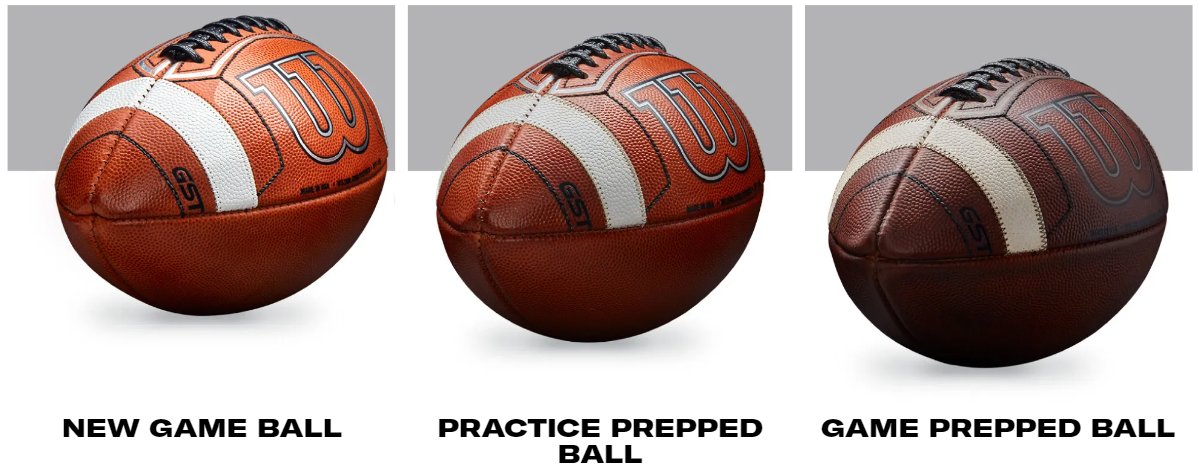
To game prep a football, inflate it to the correct pressure, ensure the laces are clean and grippy, and condition the leather for better handling.
Ever wonder what goes into making a football ready for game day? It’s more than just grabbing it out of the bag, that’s for sure. Proper preparation impacts both performance and the lifespan of the ball. Let’s delve into how to game prep a football effectively.
This process ensures consistent grip and allows the ball to behave predictably. Taking these steps can make a real difference on the field, improving your throws and catches. Let’s explore each element and see how easy it is.

How to Game Prep a Football
Okay, so you’ve got your football, and you’re ready to play. But wait! Is that ball ready for the big game? Probably not! Just like a race car needs to be tuned up, a football needs some love before you throw that spiral. Game prepping a football isn’t hard, but it makes a big difference in how well it flies and how easy it is to catch. Think of it like getting your cleats tied just right or wearing your lucky socks – it’s all about getting ready to perform your best. Let’s dive into the details and learn exactly how to get your football ready for action.
Why Game Prepping Matters
You might be wondering, “Why can’t I just grab a ball and go?” Well, you can, but it won’t be the best experience. A new football, straight out of the box, is often slippery. The leather can be stiff and difficult to grip. Think of it like trying to write with a brand new pencil that hasn’t been sharpened; it’s just not comfortable or effective. Game prepping helps soften the leather, making it easier to hold onto and control. A well-prepped football will lead to:
- Better grip
- More accurate throws
- Fewer drops
- Increased confidence
- A more enjoyable playing experience
Let’s break down the steps to get your football game-ready!
The Essential Steps: Preparing Your Football
The journey to a perfect game-ready football has a few steps. It might seem like a lot, but trust me, it’s not hard, and once you get the hang of it, it becomes second nature. Let’s start with the basics.
Step 1: Cleaning Your Football
Before anything else, let’s start with a clean slate. Sometimes, footballs can be a little dusty or dirty. A clean football is easier to work with. Here’s how you can do it:
- Grab a Soft Brush: A soft brush (like a shoe brush) is perfect.
- Lightly Brush: Gently brush the entire surface of the football. This removes loose dirt and dust.
- Damp Cloth (Optional): If your football is really dirty, use a damp cloth to wipe it down. Don’t soak it! Just a little dampness will do.
- Let it Dry: Let the football air dry completely. This is important for the next steps.
Step 2: Conditioning the Leather
Now comes the most important part: conditioning the leather. Leather needs moisture and care to become soft and pliable. Think of it like your skin. If it gets too dry, it can crack; if it is moisturized, it’s soft and flexible. The same is true for the leather on your football. Here’s how you can condition the leather:
Using a Football Leather Conditioner
A good football leather conditioner is your best friend for this step. There are a few kinds to choose from:
- Leather Cream or Paste: These are great for adding moisture.
- Leather Oil: A light oil can also work but be careful not to use too much.
- Towel/Cloth: Get a clean towel or cloth ready for this task.
Here’s how to apply the conditioner:
- Apply a Small Amount: Put a small amount of conditioner on your cloth. A little goes a long way.
- Rub it In: Use the cloth to rub the conditioner into the leather of the entire football. Make sure you cover all areas.
- Massage the Leather: Use your fingers to massage the conditioner in, paying attention to the seams.
- Let it Absorb: Let the conditioner sit and absorb into the leather for a few hours or even overnight.
- Wipe Off Excess: After it has absorbed, wipe off any excess conditioner with a clean, dry cloth.
Alternative Methods (If You Don’t Have Conditioner)
If you don’t have football leather conditioner, don’t worry! Here are a few other options you can try, but they might not work as well as a leather-specific product:
- Neatsfoot Oil: A little bit of neatsfoot oil can help soften leather, but use it sparingly because it can darken the color. Apply it in the same way as leather conditioner.
- Petroleum Jelly (Vaseline): A very small amount of petroleum jelly can also work. Don’t use too much, or your football will become greasy.
- Towel/Cloth: Get a clean towel or cloth ready for this task.
Use any of the alternative methods in the same way you would use leather conditioner.
Step 3: Working the Leather
Now that your football is nice and moisturized, it’s time to help it become more pliable and give it that nice “broken-in” feel. This step involves handling and playing with the football. Here’s how to do it:
- Throwing Drills: The best way to work the leather is to simply throw and catch the football. This flexes the leather and helps it soften.
- Kicking and Punting: Get in some kicking and punting practice. Kicking also flexes different areas of the leather.
- Wall Drills: Throw the football against a wall to practice catching, this helps the leather flex.
- Play Games: Play a game of catch with a friend or family member to help work the leather.
- Rotate the Football: Be sure to rotate which side of the football you use, so every part gets equal treatment.
Step 4: The Lacing Treatment
The laces on your football also need attention. A stiff lace can be hard to grip, which makes throwing more difficult. Here’s what you need to do:
- Use a Soft Brush: Use the same soft brush or toothbrush to brush any dirt or debris out of the laces.
- Use Leather Conditioner: Take a small amount of leather conditioner, and work it into the laces. This will help them become more flexible and less likely to break or be stiff.
- Work the Laces: Use your fingers to bend and twist the laces. This helps work in the conditioner and softens them.
Step 5: Pressure Check and Adjustment
The last thing you need to do is ensure that your football has the correct amount of air pressure. This affects how well it flies. A football that is too soft won’t travel far, and a ball that is overinflated might feel too hard and be tough to grip. Here’s what to do:
- Use a Pressure Gauge: A football pressure gauge is very important to make sure that you have the right pressure.
- Check the Recommended PSI: Look on the football itself. Usually, the recommended PSI is printed somewhere on the ball near the valve. The recommended air pressure is usually between 12-13 PSI.
- Inflate or Deflate as Needed: Use a football pump with a needle to add air if needed. If there is too much air, gently let some out using the same needle.
- Recheck After: Recheck the pressure using the gauge to make sure it is correct.
Tips for Maintaining Your Game-Prepped Football
Getting your football ready is just the first step; keeping it in good shape is just as important. Here are some tips on how to keep your football ready to go at any time:
- Regular Cleaning: After each game or practice, use the soft brush to remove any dirt.
- Reapply Conditioner: Every couple of weeks, reapply a little conditioner. This keeps the leather nice and flexible.
- Proper Storage: Keep your football in a cool, dry place when you’re not using it. Don’t leave it out in the hot sun or extreme temperatures. This can cause damage.
- Handle with Care: Try not to throw your football at hard surfaces like concrete. This can cause scratches and damage.
- Check the Pressure Regularly: Always check the air pressure before each use. This will help your football perform at its best.
Common Mistakes to Avoid
Even with the best intentions, sometimes we make mistakes when prepping our football. Here are some common mistakes and how to avoid them:
- Over-Conditioning: Using too much conditioner can make your football too greasy. Always start with a small amount.
- Using the Wrong Products: Avoid using harsh chemicals or household cleaners on your football. Always use products designed for leather.
- Ignoring the Laces: Don’t forget about your laces. They need care just like the rest of the football.
- Neglecting Air Pressure: Always check the air pressure of the football before you play. If it’s too high or too low, it will have a negative impact on your game.
By avoiding these mistakes, you’ll keep your football in top condition for longer.
The Benefits of Consistent Game Prepping
You might be thinking, “Is all of this really worth it?” The answer is a resounding yes! Consistently game prepping your football will make a big difference in your performance and enjoyment of the game. Here are some benefits:
- Improved Grip: A softer, conditioned leather is easier to hold onto, which means fewer fumbles and better throws.
- More Accurate Throws: A well-prepped football will fly more accurately because of the improved grip and the correct pressure.
- Increased Confidence: When you know you have a football that you can rely on, you will feel much more confident.
- Better Playing Experience: A well-maintained football simply feels better to play with, making the whole experience more fun.
Consistent game prepping takes practice but is crucial for improving the quality of your game.
So, there you have it! Game prepping your football might seem like a lot, but it’s worth the effort. Remember the steps: clean, condition, work the leather, treat the laces, and check the pressure. With a little care and attention, your football will be ready for every game, every practice, and every throw. You’ll notice the difference in how your football feels and how you play. So, go ahead, get your football ready, and hit the field!
how to break in an nfl football
Final Thoughts
Properly inflating the football is key. Use a gauge for accurate pressure. Ensure the laces offer a good grip.
Next, brush off any dirt or debris. This keeps the football performing well. Conditioning the leather can also improve the feel.
In short, knowing how to game prep a football requires checking pressure and cleaning. Careful attention to detail maximizes the ball’s performance.

