
Preparing for a basketball game involves proper warm-up, stretching, mental focus, hydration, and reviewing your game plan.
Do you feel the pre-game jitters and wonder how to get prepared for a basketball game? It’s more than just showing up. It’s about aligning your body and mind for peak performance. Let’s explore some essential steps.
Proper preparation greatly enhances your game. We’ll go through a simple checklist of what you should focus on before tip-off. It helps reduce the chances of injury and improves your success.

How to Get Prepared for a Basketball Game
Getting ready for a basketball game isn’t just about showing up in your jersey. It’s about making sure your body and mind are ready to play your best. Think of it like preparing for a big test – you wouldn’t just walk in without studying, right? The same goes for basketball! Good preparation can help you move faster, shoot better, and avoid injuries. So, let’s dive into all the things you need to do to get game-day ready.
Pre-Game Nutrition: Fueling Your Body
What you eat before a game is super important. Think of your body like a car – it needs the right fuel to run well. You wouldn’t put soda in your car’s gas tank, would you? The same idea applies to your body. We need foods that give you energy that lasts throughout the game, not foods that make you feel sluggish.
The Right Foods to Choose
Avoid heavy, greasy meals before a game. Things like burgers and fries might taste good, but they take a long time to digest and can make you feel slow. Instead, focus on foods that are high in carbohydrates for energy and have some protein for muscle power. Here are some great options:
- Whole-wheat pasta or bread: These give you long-lasting energy.
- Fruits like bananas, apples, and berries: These are full of natural sugars and vitamins.
- Oatmeal: A great source of slow-releasing carbs that keeps you feeling full.
- Lean protein: Chicken, turkey, or fish provide the building blocks for muscle.
- Vegetables: Include some veggies to get all the extra vitamins and minerals you need.
Timing Your Meals
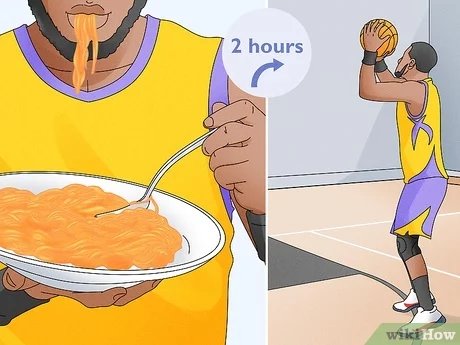
It’s not just about what you eat, but also when you eat. You want to give your body enough time to digest the food so it can turn it into energy. Aim to eat a meal two to three hours before the game. If it’s a shorter time before the game you can choose a smaller snack or fruits, some energy bars, or small quantities of nuts.
Key takeaway: Think about fuel, not just food. Eat smart and time it right to play your best.
Hydration: Staying Watered Up
Water is like the magic juice for athletes. It keeps your body working properly, helps regulate your temperature, and prevents you from getting dehydrated. Being dehydrated during a game is a big problem – it can make you feel tired, slow, and even cause muscle cramps. So, staying well-hydrated is essential.
How Much Water Do You Need?
You should be drinking water throughout the day, not just right before the game. A good rule is to sip water regularly and definitely get enough during the hours before the game, but avoid chugging large amounts. Drinking too much water right before a game can make you feel uncomfortable. You can also drink sports drinks which have electrolytes to replenish the ones you lose while sweating. But remember, water is still the best choice for most of the time.
Here’s a simple hydration plan:
- Throughout the day: Sip water consistently.
- 2-3 hours before the game: Drink a good amount of water.
- During the game: Keep sipping water when you’re on the sidelines.
- After the game: Continue to drink water to replenish.
Signs of Dehydration
Pay attention to your body! If you feel any of these, it’s a sign that you need to drink some water:
- Feeling thirsty
- Headache
- Feeling dizzy
- Muscle Cramps
Key takeaway: Drink water regularly, not just when you feel thirsty, to stay on top of your game.
Mental Preparation: Getting Your Head in the Game
It’s not all about physical preparation. What goes on in your mind is just as important. You need to be focused, confident, and ready to handle the challenges that come your way. Thinking positive thoughts can make a big difference in how you perform.
Visualizing Success
Before the game, take some time to imagine yourself playing well. Picture yourself making great passes, scoring points, and playing good defense. It sounds simple, but this kind of mental rehearsal can really help. When you visualize, you’re creating a mental picture of how you want things to go. When you’re out on the court and you’ve seen it in your mind’s eye, you’re already half way there.
Positive Self-Talk
Talk to yourself in a positive way. Don’t say things like, “I’m not good enough” or “I’m going to mess up.” Instead, say things like, “I’ve got this!” or “I’m going to play my best!” This helps build confidence and keeps you from getting negative thoughts before the game. It is important to have a strong and positive mindset when facing any challenge, especially sports.
Focusing on the Game
Before the game, try to focus on the upcoming match. Put away your phone, try not to have any distractions, and try to keep your thoughts on the game. Thinking about the game strategy and the team game plan can help you be focused and ready. Stay concentrated and have tunnel vision only on the game.
Key takeaway: Your mental game is just as important as your physical game. Practice positive thinking to play at your best.
The Pre-Game Warm-Up: Getting Your Body Ready
Warming up before the game is essential because it prepares your muscles for exercise and can help reduce risk of injury. You wouldn’t just start sprinting without stretching, right? Warming up helps increase blood flow to your muscles, making them more flexible and ready to go. A good warm-up includes light cardio, some stretches, and sport-specific exercises.
Light Cardio
Start with some light cardio, like jogging or jumping jacks, to get your heart rate up. This could be 5-10 minutes of easy activity to help your muscles get warm. Don’t run to the point of tiring yourself, the aim is just to get your blood flow going.
Dynamic Stretching
Dynamic stretches involve moving your body through a range of motions. These stretches are better before a game than holding a stretch. Here are some good dynamic stretches for basketball players:
- Arm circles: Move your arms in small circles, then increase the size.
- Leg swings: Swing each leg forward and back, and then side to side.
- Torso twists: Gently twist your body side to side.
- High knees: Bring your knees up to your chest while jogging in place.
- Butt kicks: Kick your heels toward your butt while jogging in place.
Sport-Specific Drills
Next, do some drills that are specific to basketball. These drills help you get used to the movements you’ll be doing in the game. Here are a few examples:
- Dribbling: Practice dribbling the ball with both hands.
- Passing: Practice different types of passes with a teammate.
- Shooting: Take some practice shots from different spots on the court.
- Layups: Practice layups on both the right and left side of the basket.
Key takeaway: Warm up properly to prepare your muscles for action and reduce the risk of injuries. A proper warm up makes you feel more ready to give your best.
Gear Check: Make Sure You’re Ready
Having the right gear is important for both comfort and performance. You wouldn’t want to show up for a game with the wrong shoes or a ripped jersey, would you? Check all of your gear before you leave for the game so you are not scrambling to find it last minute.
Basketball Shoes
Make sure your basketball shoes fit well and provide good support. Worn out or ill-fitting shoes can cause discomfort and could possibly cause injuries. Check the treads to make sure they’re not worn down, because good traction is very important for court play.
Uniform/Jersey
Make sure you have your complete uniform with all of the correct apparel. This includes your jersey, shorts, socks, and any other specific items you need. Check to see if they are clean and don’t have any rips or tears. Also make sure they fit correctly and are not too tight or too loose because it will interfere with your movements.
Other Gear
- Mouthguard: If you use a mouthguard, make sure you have it with you.
- Water bottle: Keep it full and handy.
- Towel: To wipe off sweat and keep your hands dry.
- Any support items: If you need any type of ankle support, etc., be sure that it is with you.
Key takeaway: Always check your gear before a game. Having everything you need will make you feel prepared and will prevent any last minute stress.
Game Day Routine: What To Do On The Day Of The Game
Having a set routine on game day can help keep you calm and focused. Just like you have a set time for school and homework, you can make a schedule for game day to stay organized. Sticking to a consistent game-day schedule can help reduce stress and ensure you have enough time to get everything done before you head to the game.
Morning Checklist
- Wake up early enough: Avoid rushing.
- Have a good breakfast: Eat something that will give you energy.
- Stay hydrated: Drink water throughout the morning.
- Review the game plan: Think about the strategy.
Afternoon Checklist
- Have a pre-game meal: Remember to eat 2-3 hours before the game.
- Pack your gear: Check everything before you leave home.
- Travel to the gym: Be sure to arrive on time.
At The Gym
- Check in: Make sure you let your coach know you’ve arrived.
- Do pre-game warm-up: Take your time and don’t rush it.
- Focus: Try to keep your mind focused on the game.
Key takeaway: Following a consistent game day routine will make you feel more organized and relaxed, which can also help you play better.
Post-Game Recovery: Taking Care of Your Body
The game is over, but your job isn’t done. Post-game recovery is essential for helping your muscles repair and to prevent soreness. Ignoring your body after a game can lead to muscle issues down the road, which will impact your ability to play future games. Taking some time to cool down and rehydrate will help you get ready for your next match.
Cool Down Stretches
After the game, do some gentle static stretching. These are different than dynamic stretches, static stretches involve holding the stretch for a period of time. Holding each stretch for 20-30 seconds can help your muscles relax. Here are a few good options:
- Hamstring Stretch: Touch your toes or reach as far as you comfortably can.
- Quadriceps Stretch: Pull your heel towards your butt.
- Calf Stretch: Lean against a wall with one leg straight back.
- Shoulder Stretch: Reach one arm across your chest and pull it with the other.
Rehydration and Refueling
After the game, it is very important to rehydrate with water and sports drinks. Also, eat some nutritious food to help your body recover and refuel. Protein helps to repair muscle damage and carbohydrates replace lost energy.
Rest and Sleep
Make sure you get a good night’s sleep after a game. Resting gives your body the time to repair itself, and helps your muscles recover faster. Aim to get 8-10 hours of sleep to recover from the game so you’re ready for the next challenge.
Key takeaway: Taking care of your body after a game is important to recover and to avoid injuries. Post game recovery is just as important as any other preparation step.
Being prepared for a basketball game takes effort, but it’s totally worth it. It’s like practicing for a school presentation, you might be a little nervous at first, but when you are ready, you are more confident and perform better. When you take the time to eat right, stay hydrated, think positively, warm up properly, and take care of your body after the game, you’re setting yourself up for success. Remember, every great player follows these tips. Now you are ready to take the court and give it your best!
The Key to Playing BETTER in Your Basketball Games
Final Thoughts
To get prepared for a basketball game, you must warm up your muscles properly and do dynamic stretches. Hydrate well and fuel your body with a light, nutritious meal. Review plays and your role in the team.
Mentally prepare by visualizing success and focusing on your individual goals. You must also pack your gear, including shoes, uniform, and any necessary accessories. This preparation greatly improves your performance and confidence.
Following these steps is crucial for your success. This outlines how to get prepared for a basketball game effectively.

