
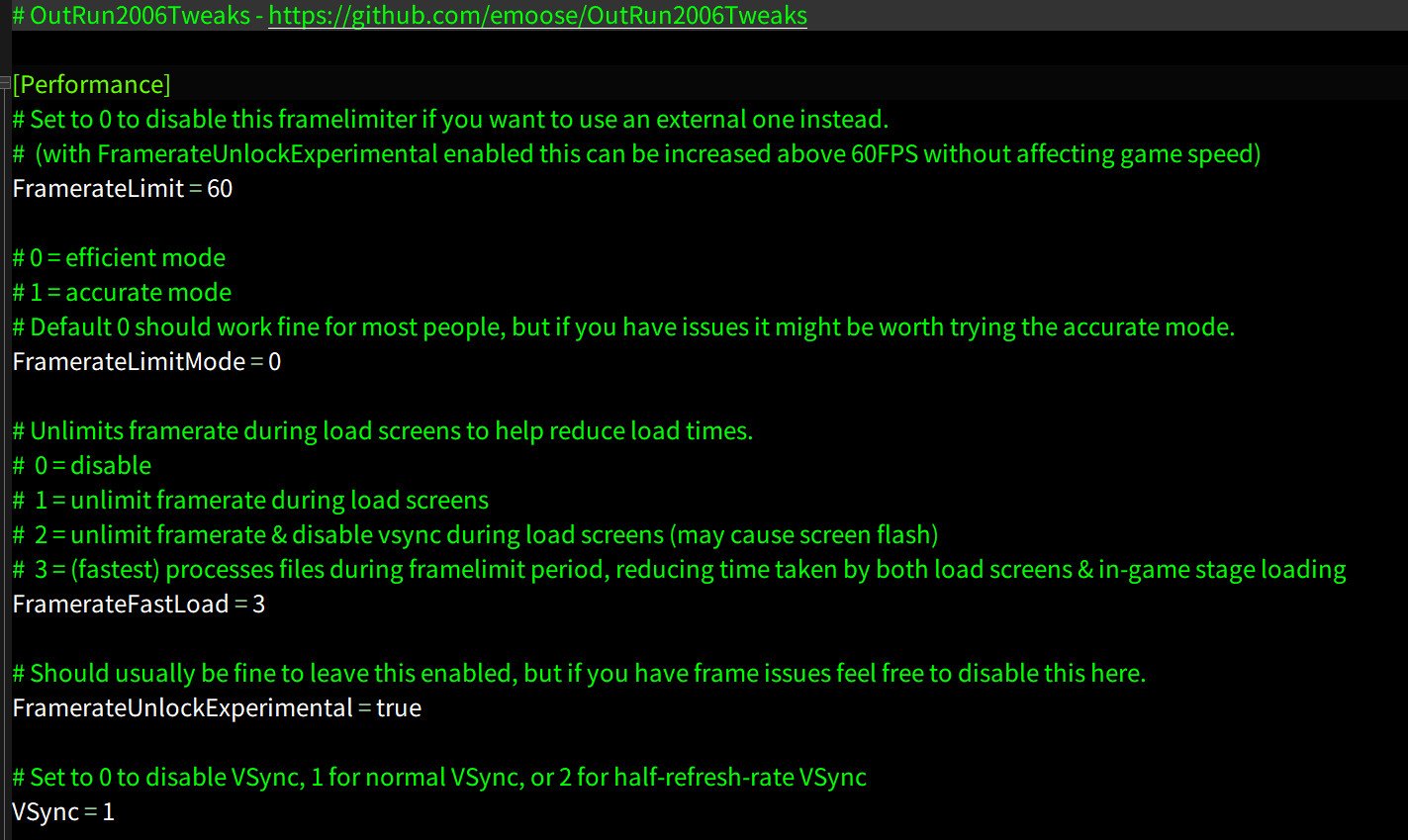
To increase framerate in flash games, optimize your code by reducing complex calculations and graphics, limit unnecessary redraws, and use vector graphics when possible.
Ever felt that sluggishness when playing your favorite flash games? The frustration of jerky movement and slow response can really dampen the fun. We understand the desire for a smooth gaming experience. Many players wonder exactly how to increase framerate in flash games for a better playing experience.
Improving performance boils down to efficiency. By making small, careful changes, you can often see significant improvements. Let’s examine some techniques that can boost your game’s performance.

How to Increase Framerate in Flash Games
So, you love playing flash games, but sometimes they get a bit choppy, right? That’s because of a low framerate. A good framerate makes the game feel smooth, like you’re watching a movie. A bad framerate makes it look jumpy, like an old flipbook. We’re here to help you make your flash games smoother and more enjoyable. Let’s dive into how you can increase the framerate and get your game running like a dream!
Understanding Framerate and Why It Matters
Before we get into the “how”, let’s talk a little bit about what framerate actually is. Think of a movie; it’s actually lots and lots of pictures shown one after the other, very quickly. The speed at which those pictures change is the framerate. We measure it in frames per second, or FPS. A higher FPS means the images change more often, making the game look smoother. Typically, 30 FPS is considered playable, but 60 FPS or more is what makes games feel really nice and responsive. Low framerate can make games feel laggy and unresponsive, which means your character might not move when you press the button, or it might move a little later.
For many flash games, having a smoother gameplay makes a big difference. Games that require precise timing, like platformers or shooters, especially benefit from higher framerates.
Why Flash Games Sometimes Struggle with Framerate
Flash games, while super fun, sometimes face challenges that can reduce the framerate. These challenges come from different sources, and understanding them can be a great first step towards fixing the problems. Let’s explore some key reasons why you might be seeing a low FPS in your favorite flash titles.
Processing Power
One big reason for poor framerate is your computer’s processor, or CPU. Think of the CPU as the brain of your computer. It does all the calculations needed to run the game. If your CPU is working really hard running other programs while you’re trying to play a game, it may not have enough “brainpower” to run your flash game smoothly. That leads to low frame rates. Just like your brain gets tired when you do too much, your CPU can too.
Graphics Card
Another key player is your graphics card (GPU), which draws images on the screen. If you’re playing games with lots of detail, the graphics card has to do a lot of work. Just like having too many drawings to finish in a small amount of time. If your graphics card is not up to the challenge, it could struggle to display the game at a high FPS. A weak or older graphics card can bottleneck the process, causing frames to drop, leading to choppy, unpleasant game play.
Browser Limitations
The web browser itself can also play a part. Different browsers handle flash games differently, and some are better than others at running them smoothly. Some browsers might use up more of your computer’s resources than other browsers, slowing things down. Additionally, outdated browsers and browser plugins can cause compatibility issues, leading to performance problems.
Game Complexity
Some flash games are just more complicated than others. Games with lots of characters, moving parts, animations, or special effects take more effort from your computer. If a flash game has really detailed graphics or many things happening on the screen at once, it requires more processing and could reduce your game’s frame rate. It’s like trying to juggle many balls at the same time – it’s harder and sometimes you drop a few.
Background Processes
Sometimes, the problem isn’t just the game itself. Other programs running in the background can steal your computer’s power. Things like open browser tabs, music programs, file downloads, and other applications all use your computer’s resources. The more things your computer is doing at once, the less power it has for your game. It’s like trying to run a race while carrying heavy bags – it’s going to slow you down.
Practical Ways to Boost Framerate in Flash Games
Now that we understand some of the reasons for low frame rates, let’s talk about what you can actually do to get your flash games running smoother. Here are some practical tips and tricks to increase your games’ FPS.
Close Unnecessary Programs
One of the simplest and often most effective things you can do is close any programs you aren’t currently using. This frees up resources that your computer can then dedicate to your game. Here’s what you can do:
- Check your system tray (usually at the bottom-right of your screen) and close any apps that are running in the background.
- Use your computer’s task manager to see what programs are using up the most resources, and close them.
- Close extra browser tabs that you’re not currently using.
Think of it like removing extra stuff from your backpack before a race; it will make it easier and faster for you to run.
Update Your Web Browser
Keeping your web browser up-to-date is super important for both security and performance. Web browsers get updates frequently that might include speed and performance enhancements, as well as fixes for older bugs, that could be causing slowdowns. Here’s how to update:
- Go to the settings or menu option on your web browser.
- Find the option that mentions “About,” “Help,” or “Updates.”
- Click on it, and your browser should automatically check for and install any available updates.
It’s a simple step that can make a big difference.
Use Hardware Acceleration
Most modern web browsers have something called “hardware acceleration”. This feature allows your browser to use your computer’s graphics card to help display web pages and flash games. This can make them run much faster. To enable hardware acceleration:
- Open your web browser settings.
- Look for the “Advanced” or “System” settings section.
- You should find an option that says something like “Use hardware acceleration when available”. Make sure it’s turned on.
This one is like getting an extra helper to carry some of the load.
Try a Different Browser
Sometimes, simply switching browsers can help. Some browsers are better optimized for flash games than others. If you’re having trouble with one browser, try a different one such as Chrome, Firefox or Edge. Experimenting with multiple browsers can help determine if a specific browser is causing problems, or is simply not ideal for flash game gameplay.
Reduce Game Quality (If Available)
Some flash games have options to change the graphics quality, just like other video games. If available, try turning down the graphics settings. By lowering game resolution or texture details, the game requires less processing from your computer, helping it run smoother and faster.
Clear Browser Cache and Cookies
Over time, web browsers save data to improve speed. But sometimes, this cached data can slow things down or cause problems. Regularly clearing your browser’s cache, cookies, and history can help increase speed and reduce errors.
- Go to your browser’s settings.
- Find the “Privacy” or “History” section.
- Look for an option to clear browsing data.
- Select “Cache”, “Cookies”, and browsing history, and make sure you know what to delete. Then click the option to delete your selected data.
It’s like cleaning up your room, it can make everything run smoother.
Update Your Graphics Card Drivers
Just like updating your browser, updating your graphics card drivers is important. Drivers are like the instructions that tell your computer how to use your graphics card. Outdated or incorrect graphics card drivers can cause performance issues. You can usually find the latest drivers on your graphics card manufacturer’s website such as NVIDIA, AMD or Intel.
- Go to the website of your graphics card manufacturer.
- Look for a section called “Drivers” or “Support.”
- Find your graphics card model and download the correct drivers for your operating system.
- Install the downloaded drivers and restart your computer.
Think of this like giving your graphics card an instruction manual for the latest games.
Ensure Adequate Computer Cooling
If your computer gets too hot, it can slow down and cause performance problems. This is like your computer having a fever. Making sure your computer is not overheating is crucial for smooth operation. Ensure proper air circulation around your computer. Try not to block any vents. Using a laptop cooler can also be helpful in preventing overheating, especially when running games that demand lots of processing power.
Use a Flash Game Booster
Certain third-party software can increase performance for Flash games. These programs will do things like disable unnecessary windows features or background process to make more computer resources available for the Flash game.
- Look up different game boosters online.
- Choose one that works for you and try it out.
- Make sure it is safe and reliable before using it.
Limit Plugins/Extensions
Browser plugins or extensions can sometimes conflict with Flash games or use up resources in the background. Try disabling any extensions that you don’t need to see if it improves your framerate. Look at your browser’s “Extensions” section and disable all extensions or browser addons. See if this improves performance and enable back any extensions you do not want to lose.
Disable Any Active Downloads
While playing a game, you do not want to download anything else at the same time. It will steal resources and slow your game. Make sure you cancel any active downloads or make sure they are completed before trying to play the Flash game.
Close Any Streaming Video or Audio
Try to avoid streaming video or music while playing a Flash game, because it will definitely cause a performance decrease. If it is something you can’t live without, then at least make sure you are not watching HD videos. Try using lower video settings like 360p, or just disable video for the time being.
Ensure Enough Memory
If you have too many apps or programs open, your computer may be trying to use memory it doesn’t have. This will cause lag and slow downs. If you have very little RAM in your computer, then you will need to try to limit the number of apps you have open, or consider upgrading your RAM if that is possible.
Advanced Techniques (For the More Tech-Savvy)
If you’re a bit more comfortable with computers, there are some extra steps you can take to boost performance even further. These are a bit more advanced, so try them only if you feel comfortable doing so. Do not start messing with these options if you do not understand what you are doing.
Adjusting Graphics Card Settings
You can sometimes tweak your graphics card settings for better performance. Here’s how:
- Right-click on your desktop and open your graphics card control panel (like the NVIDIA Control Panel or AMD Radeon Settings).
- Look for settings related to 3D graphics or game performance.
- Try turning off or lowering settings like anti-aliasing, texture filtering, and vertical sync. Experiment to find the best combination of visual quality and performance.
This will only help if your graphics card is causing performance bottlenecks. If the game is running slow because of your CPU, this will likely have no noticeable impact.
Optimize Your Operating System
There are many ways to optimize your operating system, so that it will perform better while gaming. These are some of the things you can try:
- Disable visual effects: In Windows, go to system settings and adjust visual performance for best performance. This will disable animations and other effects that can make your system work harder.
- Manage startup programs: Many applications open on system startup, and they are running in the background. They take system resources and slow the computer down. You should disable any non essential applications from the “Startup” section of the Task Manager.
- Run a Disk Cleanup: Files and temporary files may slow down your computer. You should run disk cleanup utility in your operating system to remove these files and improve performance.
These techniques can make your computer work faster and more efficiently, allowing more resources for your games.
Use a Game Mode in Windows
Windows has a “Game Mode” feature that helps improve performance by dedicating more resources to your game. To use it:
- Go to your system settings.
- Find “Gaming” and then “Game Mode.”
- Make sure it’s turned on.
Game mode prioritizes your game’s performance, which can lead to a higher frame rate.
Improving the framerate in flash games can be a bit like detective work, sometimes you’ll need to try a few things to find what works best for you and your setup. Try the techniques, and remember, patience is key to get things running smoothly! Hopefully, by using these tips, you will have more fun playing your favorite Flash games. Go and enjoy your smooth-running games.
How to play Flash Games Tutorial (2024)
Final Thoughts
To increase framerate in flash games, reduce the complexity of visuals. Simplify graphics and animations to ease the processing load. Use efficient code.
Avoid unnecessary calculations and optimize your scripts. Lowering the game’s resolution can also provide a noticeable boost. These steps show how to increase framerate in flash games.

