
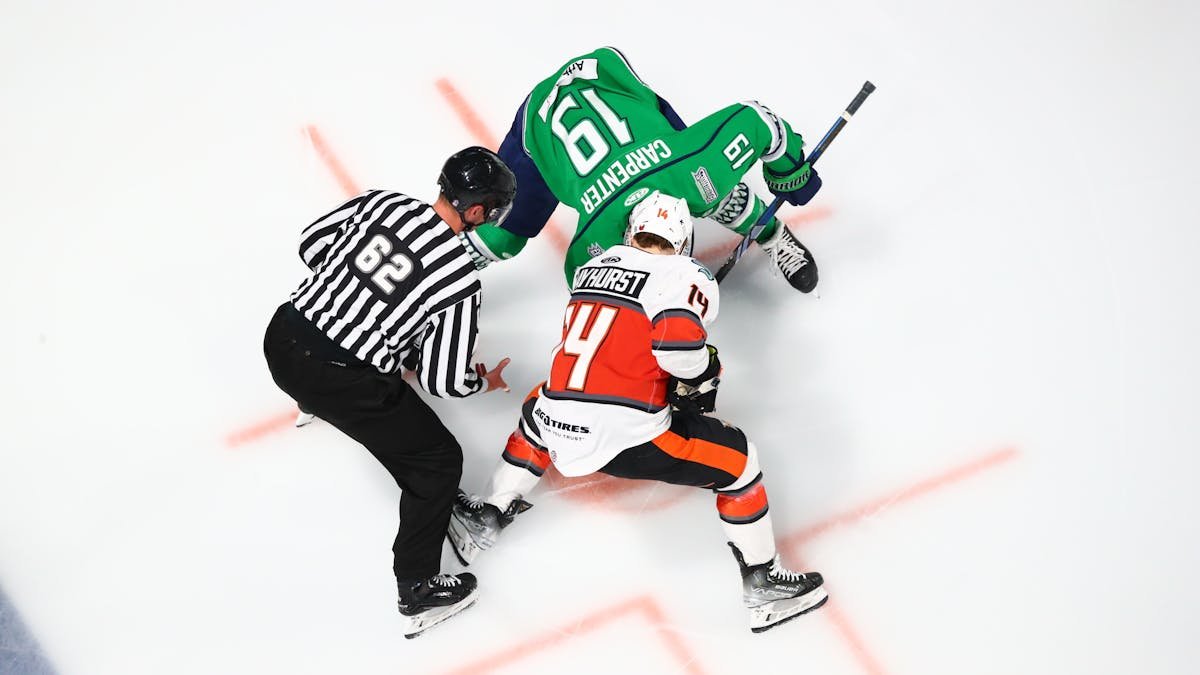
If a hockey game is tied after regulation time, it goes to an overtime period, and if still tied, a shootout.
Ever found yourself wondering what happens if a hockey game is tied? It’s a question that often pops up for both new and seasoned fans of the sport. The exciting conclusion isn’t just a simple end to the match.
Instead, a tie leads to extra play. We’ll explain this and detail what the additional periods mean, including the intense finish of a shootout. This is how hockey settles a tied score.

What Happens If a Hockey Game is Tied?
Okay, so you’re watching a super exciting hockey game, the clock is ticking down, and the score is all knotted up. It’s a nail-biter! But what happens next? Does the game just end in a tie? Well, the answer depends on the kind of hockey you’re watching. It’s not always as simple as a tie game; there’s usually more to it! Let’s explore this exciting aspect of hockey.
Regular Season Games and Overtime
In most professional and major junior hockey leagues during the regular season, if the game is tied at the end of the normal three periods, things get a little more thrilling. Instead of ending in a draw, the game goes into an extra period called overtime. Think of it as a bonus round! This is designed to avoid ties and determine a winner.
How Overtime Works
Overtime isn’t just an extra period played the exact same way. Here’s how it usually goes:
- Shorter Periods: Overtime periods are shorter than the regular 20-minute periods. They’re often just 5 minutes, and in some instances 3 minutes.
- Sudden Victory: The most important part of overtime is that it uses a “sudden victory” format. This means the first team to score wins the game. No more waiting until the end of the period to see who wins—as soon as a goal goes in, it’s game over!
- 3-on-3 or 4-on-4: Often, to increase the chances of scoring, the number of players on the ice for each team is reduced in overtime. This is where you’ll often see either a 3-on-3 or a 4-on-4 format instead of the usual 5-on-5. Less players mean more open ice and more opportunities for exciting scoring chances.
Imagine a wide open ice surface, with fewer players zooming around. It’s a recipe for some really thrilling hockey, where a single mistake can cost the game, and a brilliant play can be the difference between winning and losing. This makes overtime extra exciting for fans and players alike.
Why Overtime Instead of Ties?
You might be wondering why leagues choose to go to overtime instead of just accepting ties. There are a few reasons:
- More Excitement: Overtime is much more exciting for both fans and players than a tie. Nobody wants to see a game end without a winner! The sudden victory aspect adds a lot of drama.
- Competitive Spirit: Overtime helps maintain a strong competitive spirit. Teams play to win, and overtime gives them another chance to come out on top.
- Points System: In leagues that award points for wins and losses, overtime allows for a clear outcome, awarding more points to a winner than a tie.
So, even though a game might be tied after three periods, overtime provides a chance for one team to take home the victory and the added points.
Shootouts: When Overtime Isn’t Enough
Sometimes, even after a nail-biting overtime period, neither team manages to score. What then? Well, some leagues use another method to decide a winner: the shootout. Not all leagues implement shootouts, but they are common in the NHL and many other professional and amateur leagues. The shootout is an exciting way to settle a game that won’t settle in the normal timeframe, where individual players have the pressure to score.
How a Shootout Works
A shootout is a skills competition, a bit like a penalty shot, but with several rounds and players. Here’s how it usually happens:
- Designated Shooters: Each team picks a certain number of players (usually three) to take a penalty shot against the opposing team’s goalie. The players are usually those skilled in stickhandling and scoring, not defensemen.
- Alternating Shots: The teams alternate taking their shots. One player from Team A will skate in on the goalie, then one player from Team B, and so on.
- Goal Wins: If one team scores more goals than the other team after each team has had their allotted shots, that team wins the game.
- Sudden Victory (Again!): If the score is still tied after each team has taken all their designated shots, the shootout continues with another round of shooters, one from each team, and continues until one team scores and the other does not in the same round. This is known as “sudden victory” in the shootout as well.
The shootout is often a thrilling moment in the game. It becomes a mental battle between the shooter and the goalie, and the crowd often erupts when a skilled player manages to score. The pressure is intense.
Why a Shootout?
The shootout is used to ensure there is always a winner. It is a way to add an exciting conclusion to a game that has not yet had a winner decided. While some purists don’t like the shootout because it’s not regular game play, it’s a popular format because:
- Entertainment: It’s entertaining! The shootout provides an exciting, dramatic way to finish a game, and it’s always a spectacle.
- Clear Result: A shootout provides a clear winner. No more tied games and everyone has their team to cheer for.
- Fan Favorite: Many fans enjoy shootouts, they make for a tense and engaging finish to a game and create great moments and memories.
While the shootout isn’t exactly regular hockey, it certainly adds to the excitement for many fans.
Playoffs: The Intensity Ramps Up
When it comes to playoff hockey, the rules around tied games are often different and even more intense. This is where things get REALLY exciting!
Overtime in the Playoffs: No Shootouts
In playoff hockey, particularly in the NHL and many other professional and major junior leagues, the shootout is tossed out the window. Instead, playoff games continue into overtime periods until a goal is scored. Here’s what that looks like:
- Full Overtime Periods: Overtime periods in the playoffs are played to the full 20 minutes instead of the shorter, 5-minute periods used in regular season games.
- Sudden Victory: Just like in the regular season, the first goal scored in overtime wins the game.
- No Player Shortage: Unlike regular season overtime, playoff overtimes usually stick to 5-on-5 hockey.
- Multiple Overtime Periods: If no goals are scored in the first overtime period, the game goes into a second overtime period, then a third, and so on until a goal is scored. This can go on for a very long time!
Imagine watching a game that keeps going into overtime periods. It becomes a test of endurance, skill, and determination. The players are exhausted, but they keep pushing to get that winning goal. It’s a real test of will.
Why No Shootouts in Playoffs?
The reason there are no shootouts in playoff hockey is pretty straightforward.
- Fairer to the Teams: Many believe that deciding a playoff series by shootout is not truly reflective of which team is better. It’s considered to be a less hockey focused way to determine a winner. Playoff games are about strategy, stamina, and teamwork, not individual skill-based shootouts.
- Creates Greater Drama: The endless nature of playoff overtime creates unmatched drama. It creates intense moments and gives one team an opportunity to make a statement and secure a victory through true hockey performance.
- More Traditional: Many fans feel playoff hockey should be determined through gameplay, not an event like a shootout.
The long overtime periods of playoff hockey can be a nail-biting experience. It pushes the players to their absolute limit and provides thrilling hockey entertainment. These games are the stuff of legends!
Different Rules for Different Leagues
It’s important to remember that the rules of tied games can be a bit different depending on the league, level, or the specific competition being played.
Youth Hockey
In youth hockey leagues, the rules can be different from professional leagues. For example:
- Ties are Possible: Some youth leagues might allow games to end in a tie, particularly at younger age groups.
- Shorter Overtime: When overtime is used, it might be shorter than in professional leagues.
- No Shootouts: Many youth leagues do not use shootouts.
These variations are often designed to fit the different levels of competition, allowing for a more fair and enjoyable experience for younger players. The goal here is often to balance player development, game time, and a fair outcome.
International Hockey
International hockey tournaments and events have their own unique set of rules:
- IIHF Rules: The International Ice Hockey Federation (IIHF) has specific rules about overtime and shootouts that may vary from those in the NHL.
- Tournament Formats: The overtime and shootout rules in international events often depend on whether the game is in the group stage or the playoff portion of the tournament.
These international rules often aim to create a level playing field for all nations and often prioritize a format that creates the most excitement for the global audience.
College Hockey
College hockey has its own unique rules for tied games, typically within the NCAA:
- Overtime Differences: NCAA overtime rules are very similar to the NHL regular season overtime rules.
- Shootouts Sometimes Exist: Some conferences use shootouts to decide a winner. Others play a 5-minute overtime and declare a tie if no goals are scored.
- Differences within Divisions: Some different conferences within college hockey may have differences in their overtime and shootout rules.
The variations in overtime and shootout rules in college hockey often vary on a conference-by-conference basis.
The Bottom Line
So, when a hockey game ends in a tie, it’s not the end of the story. It’s actually just the beginning of a new chapter, a bonus round, and a chance for a team to come out with a win. Overtime and shootouts (when applicable) add an extra layer of excitement and drama to the game, and in the playoffs, the intensity of long overtimes makes hockey more exciting than ever. Each league and each level of hockey has its own specific ways of dealing with tied games, but the ultimate goal remains the same: to decide a winner and provide a great experience for players and fans alike. Knowing the rules can help fans understand how tied games are resolved, and enjoy the extra excitement the different methods provide.
What if Every Team TIED Every Game?
Final Thoughts
If a hockey game is tied after regulation time, it enters an overtime period. This period features sudden-death play; the first goal wins the game.
If the score remains tied after overtime, a shootout takes place. Each team sends a set number of players to take penalty shots against the opposing goalie.
The team with more shootout goals wins. So, what happens if hockey game is tied? It first goes to overtime, then the shootout is a must if overtime does not determine a winner.

