To make a build with a high strength rating in NBA 2K26, prioritize physical attributes during the build creation process. Focus on maximizing the strength stat and selecting a player profile that naturally leans towards physical dominance.
Want to dominate the paint and bully opponents in NBA 2K26? Then you’ll want to learn how to make a build with a high strength rating in NBA 2K26.
A high strength rating is critical for rebounding, post moves, and defending bigger players. It gives you a significant advantage in physical battles.
Follow our guide to craft a player that is a force to be reckoned with on both ends of the court.

How to Make a Build with a High Strength Rating in NBA 2K26
Strength is a vital attribute in NBA 2K26. It impacts your ability to bully opponents in the paint, secure rebounds, and finish strong at the rim.
This guide will walk you through creating a dominant build with exceptional strength. We’ll cover everything from choosing the right position to maximizing your attribute points.
Understanding Strength’s Impact
Strength affects several key areas of your player’s performance. It’s not just about being physically imposing.
Driving and Finishing: A high strength rating allows you to absorb contact and finish layups and dunks through defenders. You’ll see fewer missed layups due to contact.
Rebounding: Strength helps you box out opponents and secure rebounds, especially on the offensive end. Positioning is important, but strength wins those 50/50 battles.
Defense: Strength enables you to push opponents off their spots, deny them the ball, and contest shots more effectively. It’s crucial for interior defenders.
Post Game: If you plan to play in the post, strength is essential for backing down defenders, establishing position, and scoring in the paint. Post moves benefit greatly from a high strength rating.
Bodying Opponents: High strength allows for better bodying of opposing players on both offense and defense. It helps create space and disrupt plays.
Choosing the Right Position
Certain positions naturally lend themselves to high strength builds. Think about players who dominate the paint.
Center (C): Centers are the most obvious choice for a strength-based build. They need to be strong to rebound, defend, and score inside.
Power Forward (PF): Power Forwards are another great option. They need to be strong enough to play inside but also have some perimeter skills.
Small Forward (SF): While less common, a strong Small Forward can be a matchup nightmare. They can overpower smaller defenders and create mismatches.
Guards (PG/SG): Building a guard with high strength is possible, but requires sacrificing other attributes. It can be effective for bully-ball playstyles.
Attribute Allocation: Prioritizing Strength
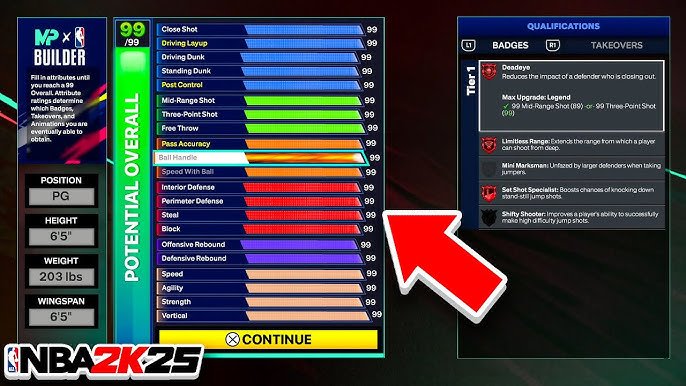
The most important step is allocating your attribute points effectively. You need to make strength a top priority without completely neglecting other essential skills.
Maxing Strength: Aim to maximize your strength attribute as much as possible within the build limitations. This is the foundation of your build.
Core Attributes: Determine the other core attributes you need for your playstyle. For example, a scoring center might prioritize close shot, driving layup/dunk, and post control.
Balancing Attributes: Be mindful of attribute caps and diminishing returns. Spreading your points too thin will weaken your overall build.
Playmaking and Defense: Don’t neglect playmaking and defensive attributes. Passing, ball handling, perimeter defense, and block are often crucial for overall effectiveness.
Badges That Boost Strength
Badges can significantly enhance your strength and its impact on the court. Choose badges that complement your playstyle and maximize your strength advantage.
Bully (Finishing): This badge is a must-have for any strength-based build. It increases your ability to finish through contact and initiate contact on drives.
Brick Wall (Playmaking): Essential for setting effective screens and knocking defenders off balance. A high strength rating combined with Brick Wall makes you a screen-setting monster.
Boxout Beast (Rebounding): This badge improves your ability to box out opponents and secure rebounds. Strength makes this badge even more effective.
Post Lockdown (Defense): For interior defenders, this badge helps you defend the post and deny easy scoring opportunities. Strength and Post Lockdown create a formidable defensive presence.
Intimidator (Defense): Helps affect your opponent’s shots and makes them miss more often. Strength complements this badge by making you a more imposing defender.
Height, Weight, and Wingspan Considerations
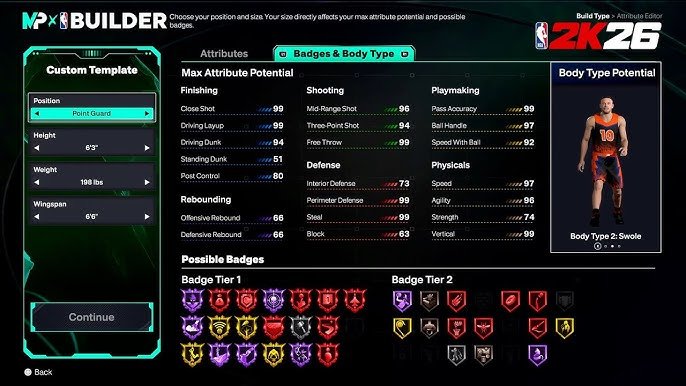
Your player’s physical profile also plays a crucial role in maximizing strength. Height, weight, and wingspan all impact your player’s effectiveness.
Height: Taller players generally have a natural advantage in rebounding and interior defense. However, taller players can sometimes be slower.
Weight: Increasing your weight will directly impact your strength rating. Heavier players are harder to move and can bully opponents more effectively.
Wingspan: A longer wingspan improves your reach for rebounds, blocks, and steals. It can also help you finish over defenders.
Finding the Balance: Experiment with different combinations of height, weight, and wingspan to find the optimal balance for your playstyle. There’s no one-size-fits-all answer.
Example Builds with High Strength
Here are a few example builds that prioritize strength. These are just starting points, so feel free to adjust them to fit your preferences.
The Paint Beast Center
Position: Center
Height: 7’0″ – 7’3″
Weight: 270 – 290 lbs
Wingspan: Max
Attributes: Max Strength, High Rebounding, High Interior Defense, Decent Finishing
This build focuses on dominating the paint. It excels at rebounding, defending, and scoring inside.
The Bully Ball Small Forward
Position: Small Forward
Height: 6’7″ – 6’9″
Weight: 230 – 250 lbs
Wingspan: Average
Attributes: High Strength, Good Driving Dunk, Decent Shooting, Solid Playmaking
This build is designed to overpower smaller defenders and create mismatches on offense. They are surprisingly versatile.
The Interior Defender Power Forward
Position: Power Forward
Height: 6’9″ – 6’11”
Weight: 240 – 260 lbs
Wingspan: Long
Attributes: High Strength, High Interior Defense, Good Rebounding, Decent Shooting
This build is a defensive anchor. They can guard multiple positions and protect the paint.
Testing and Refining Your Build
Once you’ve created your build, it’s essential to test it out in various game modes. This will help you identify any weaknesses and make adjustments as needed.
Practice Mode: Use practice mode to get a feel for your player’s animations and tendencies. Experiment with different moves and strategies.
MyCareer: Play MyCareer games to test your build against AI opponents. Focus on utilizing your strength to your advantage.
Online Play: The ultimate test is playing against other players online. This will reveal any flaws in your build and help you refine your playstyle.
Adjusting Attributes: Don’t be afraid to tweak your attribute allocations based on your experiences. You can always respec your build (if available in the game).
Strength Training and Progression
Your player’s strength will also improve over time through training and progression. Focus on activities that specifically target strength development.
Weightlifting Drills: Complete weightlifting drills in practice to increase your strength attribute. Choose drills that focus on different muscle groups.
Gym Rat Badge: Obtain the Gym Rat badge to permanently boost your physical attributes, including strength. This is a significant advantage.
Consistent Performance: Consistently performing well in games will also contribute to your player’s overall development. The better you play, the faster you’ll progress.
Countering High Strength Builds
If you’re facing a strong opponent, there are several strategies you can use to counter their strength advantage. Don’t be intimidated!
Spacing and Movement: Use spacing and movement to avoid direct physical contact. Force them to chase you around the perimeter.
Passing and Cutting: Utilize passing and cutting to create open looks. Don’t allow them to dictate the pace of the game.
Double Teams: Double team the strong player when they have the ball in the post. Force them to pass out of the double team.
Weak Side Help: Provide weak side help to contest shots and prevent easy scoring opportunities. Rotate effectively on defense.
Exploit Weaknesses: Identify any weaknesses in their game and exploit them. They might be strong, but they’re not invincible.
Advanced Tips for Maximizing Strength
Here are some advanced tips to further enhance your strength-based gameplay. These will help you take your game to the next level.
Understanding Animations: Learn the specific animations that are triggered by high strength. This will allow you to anticipate and react accordingly.
Mastering Post Moves: If you’re playing in the post, master post moves like drop steps, hooks, and fades. Strength makes these moves even more effective.
Effective Screen Setting: Become a skilled screen setter to create open looks for your teammates. Brick Wall badge and high strength are crucial for this.
Strategic Rebounding: Position yourself strategically to secure rebounds. Anticipate where the ball will bounce and use your strength to box out opponents.
Mind Games: Use mind games to intimidate your opponents. Be physical and assertive, and let them know you’re not afraid to mix it up.
WHAT IS THIS BUILD ON NBA 2K25???
Final Thoughts
To make a build with a high strength rating in NBA 2K26, prioritize physical attributes during creation. Focus on strength, weight, and height to maximize the rating.
You must allocate points wisely. Remember that increased strength impacts finishing and rebounding.
Lastly, experiment with different attribute combinations. Finding the perfect balance makes a dominant and physically imposing player. Therefore, to make a build with a high strength rating in NBA 2K26, plan your attribute allocation carefully.