
Practice mindful breathing, take short breaks, and adjust your expectations; these techniques will help you control your emotions and understand how to not rage at games.
Ever felt your controller about to meet the wall? The frustration when a game goes sideways is real. It’s something many players face. So, how to not rage at games?
It’s not about being a robot but managing your reactions. Recognizing triggers helps you get a grip. Step away if needed, calm down, and remember it is just a game.

How to Not Rage at Games
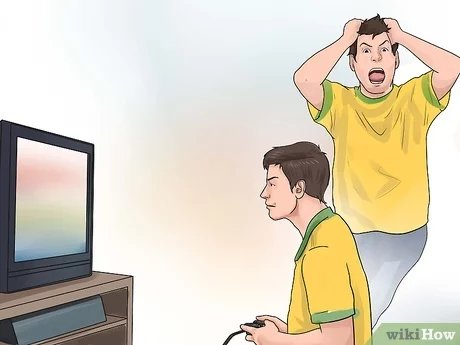
Okay, let’s be real. We’ve all been there. You’re in the middle of an intense game, things aren’t going your way, and suddenly, BAM! The controller goes flying, you’re shouting at the screen, and your blood pressure is through the roof. It’s game rage, and it’s not a good feeling. But guess what? It doesn’t have to be this way! Learning how to manage those angry feelings when gaming is totally doable, and we’re going to explore some super helpful strategies.
Understanding Game Rage
Before we dive into fixing the problem, let’s understand why we get so mad at games in the first place. It’s not just about losing; there’s more to it than that. Sometimes, frustration builds slowly, like a drip, drip, drip, until you explode. Other times, it can feel like a sudden, unexpected jolt of anger.
The Psychology Behind the Tilt
Think of your favorite game. You might love it because it’s challenging, right? That challenge can be fun, but it also activates the part of your brain that loves competition and reward. When you feel like you should be winning, but you keep losing, it messes with those expectations. This can lead to frustration because your brain doesn’t get the reward it was expecting. Here are some common triggers for that feeling:
- Feeling Unfairly Treated: A glitch in the game, a teammate who isn’t helping, or someone who seems to be using unfair tactics can all make you feel like the game is rigged against you.
- Loss of Control: Games are about having control, and when you feel like you don’t have control over what is happening in the game, It can be very frustrating.
- High Stakes: if you have a lot on the line like a really high ranked match or are very close to completing a hard task, losing can be much more frustrating.
- Personal investment: When you put a lot of time and effort into the game, it can be more frustrating when things don’t go your way.
It’s important to remember that games are meant to be fun. Feeling frustrated is normal, but letting that frustration turn into full-blown anger isn’t helpful to yourself or others around you.
Recognizing the Signs of Approaching Rage
One of the first steps in learning how to manage your anger is recognizing when it’s starting. You can’t stop the rage if you don’t know that it’s coming. It’s like trying to stop a snowball that’s already rolling down a hill. The key is to catch it when it’s just a tiny snowball.
Physical Signs
Our bodies tell us a lot about how we’re feeling. Here are some signs to look out for:
- Clenched fists or jaw: When you are getting frustrated, your muscles tighten.
- Increased heart rate: If your heart starts beating super fast, you’re probably getting worked up.
- Sweaty palms: This is another sign your body is getting ready to fight or flight.
- Shallow breathing: If you are not breathing normally, this is a sign that you are getting frustrated.
Emotional Signs
Your feelings also give you clues when rage is approaching. Here are some signs of emotional distress to look out for:
- Feeling agitated: Feeling restless and like you need to do something.
- Increased irritability: When small things bother you and your patience is short.
- Negative self-talk: Thinking bad thoughts about yourself or others in the game.
- Feeling the urge to yell: This is a very big sign of the anger and rage that’s building up.
The earlier you can spot these signs, the easier it is to take a step back and not lose control.
Practical Strategies to Cool Down
Now that we know what to look for, let’s get to the action part of how to not rage at games! These are some practical strategies that you can put to use right away.
Take a Break
Seriously, this is probably the most effective thing you can do. When you feel those anger signals start popping up, pause the game. Walk away from the screen. Do something totally unrelated to gaming.
- Go outside for a walk: The fresh air and change of scenery will do wonders.
- Listen to some music: Put on some chill music and just relax for a few minutes.
- Read a book: Lose yourself in another world for a bit.
- Do some stretches: Moving your body will help you get rid of some of that pent-up energy.
- Talk to someone: Having a casual conversation with someone can help shift your attention.
Just a 5 or 10 minute break can make a big difference. You’ll come back to the game feeling much calmer.
Deep Breathing Exercises
You might be rolling your eyes at this, but deep breathing really does work. It helps slow your heart rate and calm your mind. Here’s a simple exercise you can try:
- Breathe in slowly: Breathe in slowly through your nose for about 4 seconds.
- Hold your breath: Hold your breath for 2 seconds.
- Breathe out slowly: Slowly breathe out through your mouth for about 6 seconds.
- Repeat: Do this several times until you feel a bit calmer.
Do this a few times, and you’ll notice how much calmer you start to feel. It’s like giving your body a big sigh of relief.
Change Your Perspective
Sometimes, we get so caught up in winning that we forget games are meant to be fun. Here are some ways to change your perspective:
- Focus on the fun: Remember why you started playing the game in the first place. Were you having fun?
- Focus on Learning: Think about what you can learn from the loss. Did you make any mistake?
- Focus on Improvement: Instead of dwelling on the loss, try to look at it as a chance to get better.
- Don’t take it personally: Remember, it’s just a game. Losing isn’t a reflection of you as a person.
- Set realistic goals: Don’t expect to be perfect right away. Focus on the small victories.
Communicate Instead of React
If you’re playing with other people, instead of getting mad at them, try communicating instead. Tell them what you need or what you’re experiencing.
- Ask for Help: If you’re struggling, ask your teammates for help.
- Be Constructive: If someone on your team is making a mistake, try to give them tips instead of yelling.
- Praise Good Play: Make sure to show your appreciation for good plays that your teammates are doing.
Create a Gaming Environment That’s Right For You
Your surroundings can play a big part in your gaming experience. Here are some things you can do to improve your gaming setup:
- Make sure you are comfortable: If you’re in a comfortable chair and setup, it can make you more calm and relaxed while playing.
- Adjust your room temperature: If your room is too hot, or too cold, it can make you feel uncomfortable and irritable.
- Adjust lighting and sound: If you’re playing in a loud environment, or bright light, it can make you very distracted, annoyed, and irritable.
A comfortable setup can make it much easier to stay calm while playing.
Long-Term Strategies for Managing Anger
Now let’s talk about strategies that aren’t just quick fixes but long term habits you can put in to place.
Practice Mindfulness
Mindfulness is all about being present in the moment, not dwelling on the past or worrying about the future. It can help you better manage your emotions while gaming. Here is a simple excercise:
- Focus on the present: As you are playing the game, focus on what’s happening in the present moment.
- Accept Your Feelings: If you feel yourself getting annoyed, accept that you feel that way and don’t judge yourself for it.
- Don’t get carried away by the moment: Don’t get completely swept away by the emotion, and remind yourself that this emotion will pass.
Mindfulness can make a huge difference, even though it might feel strange at first.
Limit Your Gaming Time
Sometimes, the more you play, the more prone to rage you might become. It’s like when you’ve been eating sweets for too long and start feeling sick. It can be a good thing to set limits for yourself.
- Set Time Limits: Decide how long you will play a game, and stick to that.
- Take Breaks: Don’t just play for a long time without taking any breaks.
- Don’t game when you’re tired: Playing when you’re tired can make you more irritable.
Exercise and Physical Activity
Getting your body moving does way more than just keep you physically healthy. It’s a great way to reduce stress and improve your overall mood.
- Make time to exercise: Incorporate physical activity into your life.
- Go for a walk or run: This helps clear your head and get some fresh air.
- Play sports: Sports can be a fun way to work out while having fun.
- Any type of movement helps: Moving your body helps burn off pent up energy and tension, reducing overall stress and making you more calm.
Identify Patterns
Think back about when you get angry at games. Is there a pattern? Do you get more angry during certain types of games, or at certain times of day?
- Keep a journal: Write down when you feel angry, what triggered it, and how you reacted.
- Look for Trends: See if you notice any patterns that might help you understand what to do to calm yourself down.
Talk to Someone You Trust
Sometimes, just talking about how you feel can help a lot. Find someone you trust – a friend, a family member, or even a counselor – and talk to them about your game rage. They might have some good suggestions, or just being able to vent can help.
Remember it’s Just a Game
At the end of the day, games are meant to be enjoyable. They’re a way to unwind, challenge yourself, and have fun. Reminding yourself this every now and then can make a big difference. Try thinking of games like this:
- Games are not your life: Remember that there are more important things in life than winning a game.
- Don’t let a game get to you: Don’t let a video game control how you feel and make you angry.
- Focus on the fun: Focus on the fun instead of focusing on winning.
Learning how to manage your anger while gaming is a process. Be patient with yourself, and keep working at it. With practice, you can turn those frustrating moments into opportunities for growth and maybe even a good laugh. And always, remember, you’re not alone in this, and everyone is capable of improving with time and effort.
Teaching Everyone How To Not Rage Quit #RageQuit
Final Thoughts
Ultimately, managing your emotions is key to a better gaming experience. Take breaks, acknowledge your frustration, and remember it’s just a game. You must cultivate a positive mindset.
Focus on improving skills instead of fixating on losses. This will help you develop better coping mechanisms. Understanding how to not rage at games requires practice.
Accepting defeats and learning from mistakes are essential aspects. These steps will significantly reduce gaming-related anger.

