
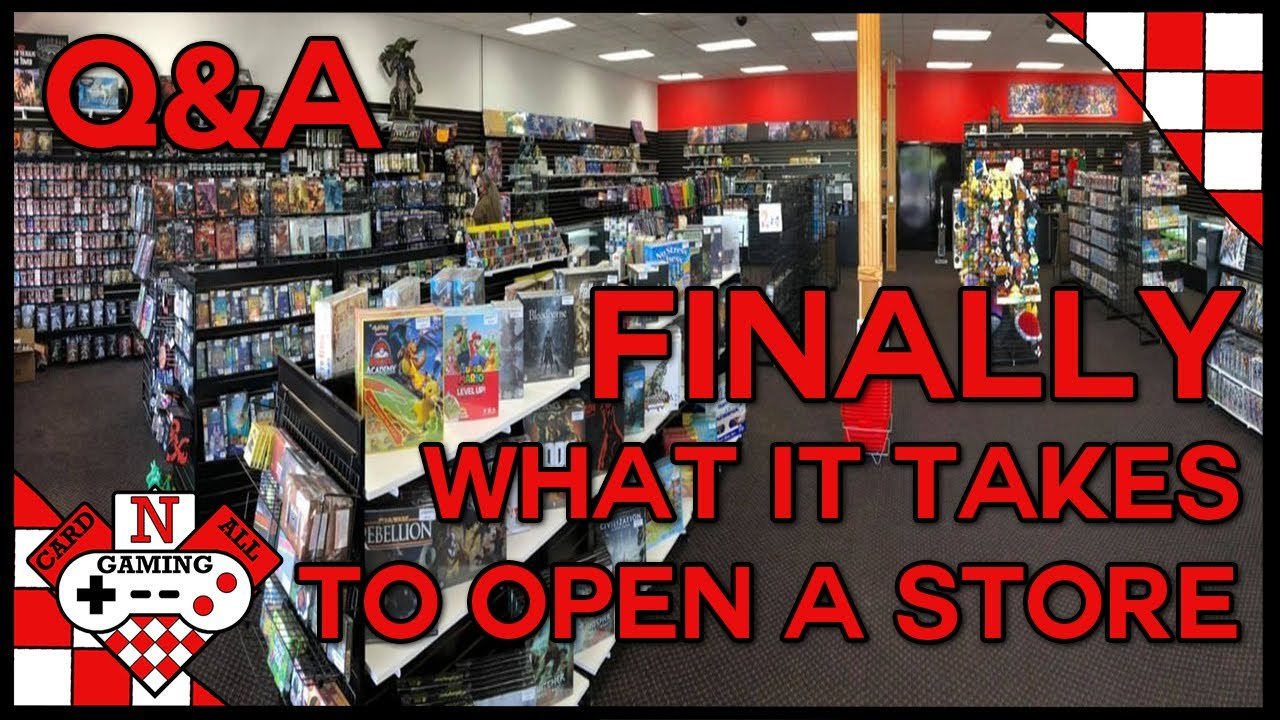
Opening a game store requires creating a detailed business plan, securing funding, finding a suitable location, sourcing inventory, and marketing to your target audience.
Have you ever dreamed of turning your passion for games into a thriving business? It’s not just about playing; it is about building a community. If you have, then you might be thinking about how to open a game store. This journey is exciting, but it needs careful planning.
We’ll explore key steps, from crafting a solid business plan to stocking the shelves. Let’s get started on making that dream a reality!

How to Open a Game Store: Your Step-by-Step Guide
So, you dream of opening a game store? That’s awesome! It’s a fun business where you get to share your passion for games with others. But, just like any business, it takes careful planning and hard work to make it successful. This guide will walk you through all the key steps of how to open a game store.
Planning Your Game Store Adventure
Before you start stocking shelves with the newest board games or trading card packs, you need a solid plan. Think of it as the instruction manual for your game store.
Developing Your Business Plan
A business plan is like a roadmap. It shows you where you are going and how to get there. It helps you think about everything carefully. Here are some things to include:
- Executive Summary: A short overview of your entire business plan. It’s like the movie trailer for your game store.
- Company Description: Describe the type of game store you want to open. Will it focus on board games, card games, video games, role-playing games, or a mix of everything?
- Market Analysis: Who are your customers? Are they kids, teens, adults, families, or serious gamers? Where do they live? This is like understanding the other players in your gaming world.
- Products and Services: What will you sell? Just games, or will you offer things like snacks, drinks, or game nights?
- Marketing Strategy: How will you tell people about your store? Will you use social media, local events, or flyers?
- Management Team: Who will be in charge? Will it just be you, or will you hire others to help?
- Financial Plan: How much money do you need to start? How much will it cost to run the store each month? How will you make money?
Thinking through each of these will give you a clear picture of your business. It’s important to be realistic about what you can accomplish and to look for potential challenges early on.
Choosing Your Niche
Not all game stores are the same! Some focus on specific types of games. Here are some ideas to consider:
- Board Game Cafes: Customers can play games while enjoying food and drinks.
- Trading Card Game (TCG) Focused: Specializes in games like Magic: The Gathering, Pokemon, or Yu-Gi-Oh!
- Video Game Retailers: Sells new and used video games, consoles, and accessories.
- Role-Playing Game (RPG) Hubs: Offers books, miniatures, and space for RPG game sessions.
- Retro Game Stores: Focuses on older video games and consoles from past generations.
- General Game Stores: A mix of different types of games, appealing to a broader audience.
Selecting a niche will help you cater to a specific group of gamers. It can help you focus your marketing and inventory. Think about what you are most passionate about. It will help you when you interact with the customers.
Setting a Budget
Starting any business involves money. You need to figure out how much you have to spend and where the money will come from. Here’s how to approach this:
- Startup Costs: Include things like rent, initial inventory, furniture, and licenses.
- Ongoing Expenses: These are things you need to pay for every month, like rent, utilities, and payroll.
- Funding Sources: Will you use your own savings, take out a loan, or find investors?
Make a detailed list of your expenses. This will make it easier to see how much money you need. You can also look for options that don’t cost you too much in the beginning.
Finding the Right Location
Location matters a lot for a game store. A good location can bring in lots of customers. Here is what to think about when looking for a spot:
Choosing a Location
- Visibility: Can people easily see your store from the street?
- Foot Traffic: Are there many people walking by your store each day?
- Accessibility: Is it easy for people to get to your store by car, bike, or public transportation?
- Nearby Businesses: Are there other stores nearby that might attract your target customers?
- Rent and Lease Terms: Is the rent affordable? Is the lease term reasonable?
- Size and Layout: Is there enough space for your store and potential events?
A great location can make it easier for customers to find you and become regular shoppers. It’s worth taking your time to find the best place for your store.
Setting Up Your Space
Once you have a location, it’s time to get it ready. This means making it look good for your customers. Here’s what to consider:
- Layout and Design: How will customers move around your store? Make sure aisles are wide enough and shelves are at the right height.
- Shelving and Displays: Choose displays that show off your products. Use shelves, racks, and display cases to make items stand out.
- Lighting: Good lighting can make the store look inviting and make it easier for customers to see products.
- Decor: Consider colors and decor that match the theme of your store. Make it fun and inviting.
- Game Space: If you plan on hosting game nights, make sure there is a comfortable place to play.
The look and feel of your store is important. It can make a big difference to customers’ experience and make them want to come back.
Inventory and Suppliers
What you sell in your store is a crucial part of your success. You need to have the right products at the right prices.
Sourcing Your Products
Where do you get your games and accessories? Here are some common options:
- Distributors: These companies buy from manufacturers and sell to retailers. They often have a wide selection.
- Manufacturers: You can buy directly from the companies that make the games, but this is usually better for larger stores.
- Wholesalers: They offer bulk products at a discount, good for items you want to purchase frequently.
- Used Markets: Buy and sell used games and accessories. This can be a good option to offer unique and cheaper products.
- Local Creators: Feature games and accessories made by local creators in your community.
Choosing the right suppliers will affect how much you pay for your inventory and what products you have to sell.
Managing Your Inventory
Keeping track of what you have in stock is crucial. This helps you know what to reorder and avoids running out of popular items. Here is what to keep in mind:
- Tracking Sales: Keep track of which products are selling well and which are not.
- Reordering: Set up a process for reordering products when they get low.
- Storage Space: Make sure you have enough storage space for your inventory.
- Organized System: Keep the items organized so you can easily find them.
Good inventory management will make sure you always have the products your customers want.
Legal and Financial Stuff
Setting up a business also means dealing with some legal and financial tasks. Here’s what you need to do:
Business Licenses and Permits
Every city and state has different rules about starting a business. Here’s what you need to consider:
- Business License: This is like permission to operate in your area.
- Sales Tax Permit: You need this to collect sales tax from customers.
- Zoning Permits: Make sure your location is zoned for retail use.
- Local Requirements: Check for any specific local rules or permits you might need.
It’s a good idea to talk to your local authorities to make sure you have everything you need.
Setting Up Your Finances
Managing your money is essential to your store’s success. Here’s how to manage the money side:
- Business Bank Account: Keep your business money separate from your personal money.
- Accounting Software: Use software to track your income and expenses.
- Payment Processing: Set up credit card and debit card payment options for your customers.
- Financial Planning: Keep track of how much money is coming in and going out.
Good financial management helps you stay in control and plan for the future.
Marketing and Getting the Word Out
A game store can’t be a success if no one knows about it! You need to actively let people know that you are open.
Creating a Brand
Your brand is how people see your store. Here’s what to think about when creating your brand:
- Name and Logo: Come up with a name and logo that fits your store’s vibe.
- Store Theme: Decide on a theme that sets your store apart from others.
- Customer Experience: The feeling your customers get when they visit your store. Is it fun and welcoming?
Your brand should make people excited to come to your store.
Promoting Your Store
Getting your name out there is important. Here are some ways you can promote your store:
- Social Media: Use platforms like Facebook, Instagram, and Twitter to connect with customers. Post about new products, events, and news.
- Local Events: Participate in community events, fairs, and festivals.
- Partnerships: Team up with other businesses in your area.
- Loyalty Programs: Give rewards to regular customers.
- Local Advertisements: Consider advertising in local newspapers, magazines, or radio stations.
Effective marketing can bring in new customers and keep your regular customers engaged.
Customer Service and Community
A game store is more than just a place to buy things. It is also a place for people to connect with others.
Building a Community
Creating a fun, welcoming community is important. Here is how to do that:
- Game Nights: Host regular game nights for board games, card games, or RPGs.
- Tournaments: Organize tournaments for popular games.
- Meetups: Create space for gamers to meet up and socialize.
- Friendly Staff: Have staff that are knowledgeable and helpful.
Having a strong community can help make your store a place people want to visit regularly.
Providing Excellent Customer Service
Good customer service is important to keep customers happy. Here are some tips:
- Be Friendly: Greet customers when they enter the store.
- Be Knowledgeable: Be able to answer questions about games and products.
- Be Helpful: Assist customers with finding what they need.
- Solve Problems: Address customer concerns quickly and fairly.
Happy customers are more likely to return and recommend your store to others.
Staying Competitive
The game market is always changing. You need to stay on top of the latest trends.
Keeping Up with Trends
- New Games: Pay attention to new releases and make sure you have them in stock.
- Popular Games: Stock popular games to ensure that you have the products customers want.
- Customer Feedback: Listen to what your customers are interested in.
Adapting to Changes
The world of gaming changes all the time. Here is what you should keep in mind
- Be Flexible: Be willing to change your business model or product selection as needed.
- Online Presence: Make sure you have a website and that it is easy to use.
- Continue Learning: Stay up to date about gaming trends and new releases.
By always keeping your finger on the pulse of the market, you will remain a competitive game store.
Starting a game store is a big adventure that needs good preparation and consistent hard work. By following this detailed guide, you’ll be on the right path toward turning your passion into a successful business. Remember to enjoy the process, and good luck!
How to Open A Local Game Store- Motivation
Final Thoughts
To open a game store, you must first create a solid business plan. This plan should include market research and financial projections. Secure funding and select a good location.
Obtain necessary licenses and permits. Purchase inventory from reputable suppliers. Focus on marketing efforts to reach your target audience.
Managing your finances and providing excellent customer service are essential. Effectively managing inventory and engaging with your community are important, too. These are key elements to consider when thinking about how to open a game store.

