
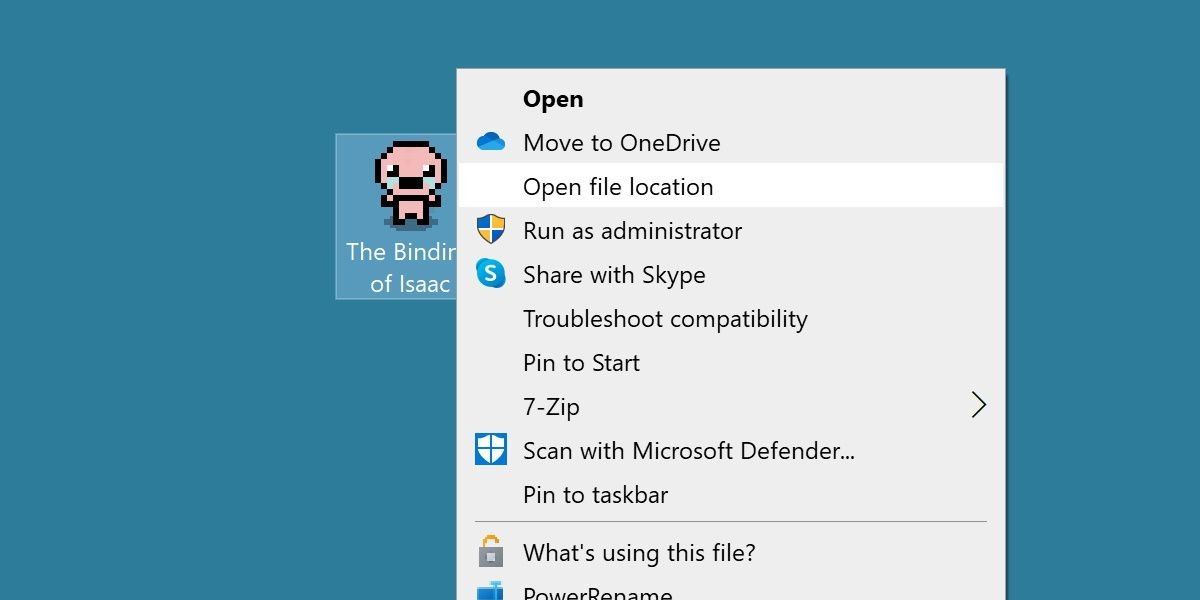
To open the game directory, typically you can right-click the game’s shortcut or executable and select “Open file location”.
Ever felt the need to peek behind the scenes of your favorite game? Perhaps you need to mod it, or adjust configuration files. Knowing how to open a open the game directory can grant you access to these deeper parts of the gaming experience. It’s a fairly straightforward process, and this guide will get you there.
We’ll show you the common method used for many games on Windows. This simple tip can make a big difference for gamers. Let’s get started right away with that.

How to Open a Game Directory
Ever wondered where all the magic happens when you play your favorite video game? That’s right, we’re talking about the game directory! It’s like the backstage area of your game, holding all the important files that make the game run. Think of it like a secret treasure chest filled with everything from game levels and character designs to sound effects and music. Knowing how to find this directory is a super useful skill. Maybe you want to add some cool mods, fix a problem, or even just poke around. Don’t worry, it’s not as tricky as it sounds! Let’s take a look at how you can access this hidden world of your games.
What is a Game Directory?
Before we jump into how to open it, let’s understand what a game directory actually is. Simply put, it’s a folder on your computer where all the files related to a specific game are stored. This folder contains everything the game needs to work, like the game’s main program (often called the executable), pictures, sounds, level data, and configuration settings. Think of it as the control center for your game. Each game has its own unique directory. It’s like each game has its own house, and that house is the game directory. Understanding the directory’s contents can help you understand how the game works under the hood and even modify it in some cases.
Why Would You Need to Open a Game Directory?
You might be thinking, “Why do I even need to go there?” Well, there are lots of reasons! Here are a few common situations:
- Modding Your Game: Adding mods, which are special tweaks that change the game, is a really popular thing to do. These mods often need to be placed directly into the game directory to work. So, finding the directory is the first step in your modding journey.
- Troubleshooting Problems: Sometimes, games have issues. If something isn’t working right, technical support might ask you to find certain files in the game directory for them to help you fix the problem.
- Backing Up Game Saves: If you want to keep a copy of your game progress (saves) safe, you will often find those files inside the directory. Copying them to another location ensures you won’t lose your hard-earned progress.
- Customizing Game Settings: Some games store their configuration settings in files inside the game directory. If you need to make changes that aren’t available in the game’s main options menu, you might need to edit these files.
- Just Being Curious: Sometimes, people just like to look around and see how things are put together. Exploring the game directory can give you a better idea of how your favorite games are structured.
Ways to Open a Game Directory on Windows
Windows is the most popular operating system for gaming, so let’s look at how to find those game folders! There are a few ways to do it.
Method 1: Using the Start Menu
One of the easiest ways is through the Start menu. Here’s how:
- Click the Start button (the Windows logo in the bottom-left corner).
- Scroll through the list of programs until you find the game you are looking for.
- Right-click on the game’s name. A menu should appear.
- Hover over the “More” option (if available), then click “Open File Location”. This will take you to the shortcut location.
- If step 4 has taken you to the shortcut location, right-click on the game shortcut again.
- In this menu, click “Open file location”. This should take you directly to the game directory.
Method 2: Through the Game’s Launcher (Steam, Epic Games, etc.)
Many games are installed using launchers like Steam, Epic Games, or GOG Galaxy. These launchers usually have a built-in way to open the game directory. Let’s check out how to do this with a few of the popular launchers:
Opening Game Directory Through Steam:
If your game is on Steam, it is very easy to find it’s directory.
- Open the Steam app and go to your library.
- Find the game you want in the library.
- Right-click on the game’s name and hover the mouse cursor over “Manage.”
- In the menu that appears, click “Browse local files”. This will open the game directory.
Opening Game Directory Through Epic Games Launcher:
Epic Games Launcher makes it simple to open the directory for your games.
- Open the Epic Games Launcher.
- Go to your “Library”.
- Find the game. Click on the three dots (…) next to the game’s title.
- In the menu that appears, select “Manage.”
- Click on the folder icon next to “Installation”. This opens the directory.
Opening Game Directory Through GOG Galaxy:
If you use GOG Galaxy, here is how to access the directory.
- Open the GOG Galaxy app.
- Find your game in the “Owned games” section.
- Click on the game. Then select the “More” button (the three horizontal lines) on the right side of the play button.
- Hover your mouse cursor over “Manage Installation” in the menu.
- Then select “Show folder” to open the game’s directory.
Method 3: Using File Explorer’s Search Bar
If you know a little bit about how the game is named in the files on your computer, you can use the File Explorer search bar. Sometimes the game installer puts the name of the game into a folder with its name in the install location.
- Open File Explorer by clicking the folder icon on the taskbar or pressing the Windows key + E at the same time.
- In the search bar at the top, type the name of the game, or part of the name you may know. For example, if you know that your game install folder contains the word ‘examplegame’, type this in.
- Press Enter. File explorer will search the hard drive for anything with that name.
- Look through the results and find the game’s folder. The right folder will usually have the game’s main application file, which can be identified by the game logo as its icon.
This method requires that you know what your game directory is named or how it’s installed, so it might not be the most user-friendly for everyone. But it can work in a pinch, if you can find the right name.
Method 4: Finding the Default Install Location
Sometimes, if you know where most games are installed by default, you can find the game directory by checking these locations directly in File Explorer.
- For most games (installed by programs, not necessarily by Steam/Epic/GOG): Look in the “Program Files” folder or “Program Files (x86)” folder on the C drive, or wherever you installed the game during the installation process. You may have to check in multiple locations if you do not know where you installed the game to. Many games install into a folder made for the game in these locations.
- For Steam games: The default path is usually something like:
C:\Program Files (x86)\Steam\steamapps\commonHowever, you may have chosen a different location when you installed Steam. To find out where you are installing Steam games, check the settings in Steam.
- For Epic Games games: The default path is usually something like:
C:\Program Files\Epic GamesAgain, you might have chosen a different location during the install of the games or the launcher, so check your settings in the epic launcher if necessary.
When you find these folders, look for a folder that has the name of the game you are interested in. If your game was not installed by one of these methods, it may have its own folder somewhere on your hard drives.
Finding the Game Directory on MacOS
If you are using MacOS, finding the game directory can be a little different than on Windows.
Method 1: Using Finder
Like File Explorer in Windows, Finder is the file management application for Mac. Here’s how you can find the directory using it:
- Open Finder, which is the app with the blue and white face icon on the Dock.
- Click on “Applications” in the sidebar.
- Find the game’s app.
- Right-click on the game’s icon and click “Show Package Contents”. A new folder window will appear.
- Inside the contents folder, open the “Contents” folder. Inside there, look for a folder such as “Resources” or similar, and your game directory should be inside.
Method 2: Finding Default Install Locations
Some games install into the Applications folder. Others install somewhere different, but you can check:
- Applications folder: This is the most common install location. Look inside the Applications folder as mentioned above.
- Steam: If you installed the game using Steam, look here:
~/Library/Application Support/Steam/steamapps/commonYou may have to press and hold the option key and select ‘Go’ then ‘Library’ in the Finder menu to get access to the library folder. The ‘~/Library’ means the library folder within the user folder. It’s usually hidden, so you’ll need to either type this path out in the Go to Folder command, or press the option key when selecting the Go menu to open it.
Like with Windows, the game directory might be found in a different place based on how you installed it, but these locations are the most common. Also like with Windows, the folder you are looking for will likely have the name of the game in the title. Be sure to look closely.
Method 3: Using Spotlight Search
Spotlight is a super fast search feature on MacOS. Here’s how to use it:
- Click the magnifying glass icon in the upper-right corner of the screen, or use the keyboard shortcut command + space to open Spotlight.
- Type in the name of the game.
- Look for the game’s app in the search results.
- Right-click on the app name, and choose “Show in Finder”.
- Follow the method described previously for Finder, by right-clicking the game and choosing “Show Package Contents”.
Important Things to Remember When Exploring Game Directories
While exploring game directories is fun and helpful, remember these important points:
- Be Careful What You Change or Delete: The files in the game directory are very important. Do not delete or change files unless you know what you’re doing. Accidentally deleting the wrong file can stop your game from working or cause other problems. Always make a backup before making changes.
- Read Tutorials and Guides: When adding mods or making changes, follow the instructions carefully. Many resources online provide guides to help you through the process.
- Use Caution With Downloaded Files: Only download files from trusted places. Files downloaded from the internet can sometimes contain viruses or other malware, which can harm your computer.
- Don’t Modify Game Files Illegally: Do not modify or distribute game files without permission from the game’s developers. This can get you into trouble. Modding is usually allowed, as long as it is within the rules set by the game’s developers.
Understanding File Extensions
As you explore, you will see many files with different endings. These endings are called file extensions. File extensions let your computer know what type of file it is. Here are a few examples of file extensions you might find in a game directory:
- .exe: This is an executable file, which is the game’s main program on Windows.
- .dll: These are dynamic link library files that contain special instructions the game uses.
- .pak: These are archive files, kind of like zip files, and are used to store game resources such as textures, models, and sound effects.
- .ogg, .mp3, .wav: These are common audio file formats used for sounds and music in the game.
- .png, .jpg, .dds: These are image file formats used for character and environmental textures.
- .ini, .cfg, .json: These are configuration files that store settings for the game.
By understanding file extensions, you can get a basic idea of the different types of files in a game directory.
Finding the game directory is a key skill for any gamer who wants to do more than just play games. Whether you want to add mods, fix problems, or just get a look at what is going on behind the scenes, knowing how to open the game directory can come in handy. So next time you need to find that secret area, you will be all prepared.
How To Open Steam Game Folder
Final Thoughts
Locating a game directory is often simple. Usually, right-clicking the game’s shortcut and selecting “Open file location” does the trick. Alternatively, within the game launcher, settings often have an option.
Another effective method involves checking installation paths. Commonly, games install in the “Program Files” or “Program Files (x86)” folders. Knowing this path is essential.
In conclusion, these steps should help you with how to open a open the game directory. The shortcut method is frequently the quickest way, but checking settings provides an alternative.

