
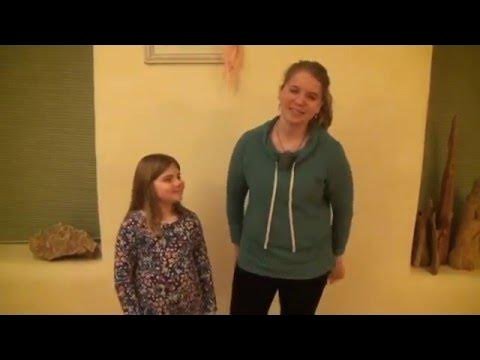
To play concentration hand game, two players clap hands together rhythmically while saying “Concentration.” Then, each player holds out either one or two fingers; if the total fingers matches the number of syllables in the word they are trying to say next (following a theme), they win that round.
Ever found yourself needing a quick, engaging game to pass the time? How about learning how to play concentration hand game, a simple activity that requires nothing but your hands and a little coordination? This classic game is a great way to sharpen your focus and test your memory, all while having some fun with friends or family.
It’s amazing how such a straightforward set of actions can become so captivating. Plus, because it’s so easy to learn the rules, anyone can quickly join in the laughter and fun of playing.

How to Play Concentration Hand Game: A Step-by-Step Guide
The concentration hand game, also sometimes called the clapping game or the rhythm game, is a fun and simple activity that can be enjoyed by kids and adults alike. It’s a fantastic way to improve focus, coordination, and even memory. This game requires no equipment, just your hands and a little bit of concentration. Ready to learn how to play? Let’s dive in!
Understanding the Basics of the Concentration Hand Game
Before we get into the step-by-step instructions, let’s talk about the core elements of the game. The basic version involves a series of hand motions and rhythmic claps. Players follow a pattern, and the key is to keep up with the rhythm and movements without making a mistake. The game relies on building a consistent pattern and maintaining focus on each movement. Here’s what you should know:
- Rhythm: The game has a fundamental beat that all players must follow. This can be a steady clapping pattern or any chosen rhythm.
- Motions: Specific hand movements are paired with the rhythm, such as clapping, patting, snapping, or crossing hands.
- Concentration: Players need to concentrate to perform the movements in the correct order and at the right time.
Setting Up the Game
The beauty of the concentration hand game is its simplicity. There’s very little to do before starting. Here’s what you need to set up:
Number of Players
This game can be played with as few as two players or in larger groups. The larger the group, the more challenging it might become to maintain consistency in the pattern. Groups of 2 to 4 work great for beginners. More experienced players can definitely handle larger groups.
Choosing a Space
You don’t need much space to play. A living room, classroom, or even outdoors will work just fine. The only requirement is that everyone has enough room to comfortably move their hands without bumping into each other. Make sure that everyone can see each other to better follow the movements.
Starting Position
Players should either stand in a circle or sit in a circle facing each other. This will help everyone follow the hand motions and rhythms effectively. Start with everyone’s hands on their laps.
Step-by-Step Instructions: How to Play
Alright, now for the most important part – how to actually play the concentration hand game! We’ll break it down into simple steps for you to follow. Here’s how a basic version is usually played:
The Basic Pattern
Let’s start with the basic pattern that uses four distinct movements:
- Clap: Clap your hands together.
- Pat: Pat your thighs with both hands.
- Right Snap: Snap the fingers of your right hand.
- Left Snap: Snap the fingers of your left hand.
These four movements make up the basic pattern. Start slowly at first, allowing everyone to get used to each motion before going on to the full pattern.
Introducing the Rhythm
Now it’s time to add the rhythm. The most common way to add rhythm is to use a consistent beat count, such as counting 1, 2, 3, 4 along with the movements. This helps everyone stay on track, ensuring that each action coincides with a specific count. Here is an example:
- Count 1: Clap (hands together).
- Count 2: Pat (both hands on thighs).
- Count 3: Right Snap (fingers of the right hand).
- Count 4: Left Snap (fingers of the left hand).
You can repeat this pattern continuously, making sure everyone follows the same rhythm and movements. It is important to keep a steady beat, like the ticking of a clock. If you are in a group, it might be good to select one person to lead the rhythm, at least until the group gets familiar with the pattern.
Practicing the Pattern
The first few rounds will be all about learning the pattern. Start very slowly, clearly demonstrating each movement. Everyone should practice each part of the sequence before speeding up. Don’t worry if it takes some time; that’s absolutely normal! Here are some tips to ensure everyone learns effectively:
- Start Slowly: Go through the pattern very slowly at first, focusing on proper movements and keeping the rhythm consistent.
- Verbal Cues: For beginners, call out each movement (like “clap,” “pat,” etc.) along with the rhythm.
- Practice Repeatedly: Repeat the sequence multiple times, slowly increasing the speed as you become more comfortable.
- Patience: Be patient with new players. Everyone learns at their own pace. Make sure to offer encouragement and support to each other.
Adding Complexity
Once everyone can consistently perform the basic pattern without errors, it’s time to add complexity. This is where you can get creative and make the game more engaging. Here are some ideas to add variations to the game:
Changing the Order of Motions
Instead of keeping the original order of clap, pat, right snap, left snap, you can change the sequence. For instance, try: pat, clap, left snap, right snap. Another variation could be right snap, pat, left snap, clap. This shift in the order challenges players to remember the new sequence and think more actively. You could write these new sequences on a paper for everyone to look at and remember. Remember to start slow when trying out these variations.
Introducing Different Hand Motions
There are many other hand motions that you can introduce to the game. You could use finger points, a double clap, a chest tap, or even a shoulder tap. The key is to make sure that everyone understands the new motions and that the actions are simple enough to perform while keeping to the rhythm. You could consider adding these motions into the game:
- Double Clap: Clap your hands together twice.
- Chest Tap: Tap your chest with both hands.
- Finger Point: Point with your index fingers of both hands.
- Shoulder Tap: Tap your shoulders with your hands.
Try replacing the original moves with some of these new moves. For example, you could replace the original right snap with the double clap or replace the thigh pat with the chest tap. Have a group discussion and see what kinds of actions everyone likes. Add new moves frequently so that the game always feels new and engaging.
Adding a “Pause”
Another way to make the game more challenging is to add a “pause” or a “rest” to the sequence. For example, you could add an extra count in between each action where you are not moving but still keeping the rhythm. For example, the rhythm could be like this : 1 – Clap, 2- Rest, 3- Pat, 4 – Rest, 5 – Right Snap, 6 – Rest, 7 – Left Snap, 8 – Rest. These little pauses will make the game more difficult.
Speeding Up the Game
Once everyone has a strong understanding of the hand motions, the best way to make the game more engaging is to increase the speed. If everyone is having a blast with the game, increase the speed of the rhythm slowly to see how fast everyone can follow. But always be ready to slow down if you feel like that the game is getting too challenging. The key is to find the perfect speed, where it is challenging but still fun.
Adding Sound
Another great way to change the game is by adding sound to the game. You can add sound by saying the names of movements, like ‘Clap’, ‘Pat’, ‘Snap’. Or you can add sounds like ‘tick’, ‘tock’, ‘boom’, ‘bah’ to accompany the actions. It’s your game, and you can add any sound that you want to add. This will be a great way to bring up some creative ideas from the group members.
Using a Table for New Patterns
If you want to try many different variations, using a table can be helpful. For example, you could write down the different movements and the sequences on a table so everyone can follow them. Here’s an example of what a table could look like:
| Pattern # | Count 1 | Count 2 | Count 3 | Count 4 |
|---|---|---|---|---|
| 1 | Clap | Pat | Right Snap | Left Snap |
| 2 | Pat | Clap | Left Snap | Right Snap |
| 3 | Right Snap | Pat | Left Snap | Clap |
| 4 | Double Clap | Chest Tap | Finger Point | Shoulder Tap |
Tips for a Successful Concentration Hand Game
Here are a few useful tips to keep in mind to have a better game experience and make the concentration hand game as fun and beneficial as possible:
- Start Simple: Begin with the basic pattern and a slow rhythm. Introduce new movements and speeds only after players become comfortable.
- Stay Focused: Concentration is key! Remind everyone to pay close attention to the movements and rhythm to avoid mistakes.
- Be Patient: Not everyone will pick up the pattern at the same pace. Encourage players to be patient and supportive of each other.
- Practice: The more you play, the better you’ll become. Regular practice improves coordination, memory, and rhythm.
- Have Fun: This is a game, so make sure everyone is enjoying themselves! Don’t take mistakes too seriously, and encourage a positive atmosphere.
- Clear Communication: Talk to each other about what works and what doesn’t, and how to improve the game experience for everyone.
- Take Breaks: Especially with kids, don’t play for too long. Short games with some break times will help everyone be focused.
Benefits of Playing the Concentration Hand Game
The concentration hand game isn’t just fun; it also offers many great benefits, especially for children. Here are some of the key advantages:
- Improved Focus: Players must pay attention to the rhythm and hand movements, improving concentration skills.
- Enhanced Coordination: The game helps improve hand-eye coordination and motor skills.
- Better Memory: Remembering sequences and rhythms boosts memory.
- Development of Rhythm: It enhances a child’s sense of rhythm and timing.
- Fun Exercise: Playing the game gets kids moving and makes physical activity enjoyable.
- Team Building: When played in groups, it encourages cooperation, patience, and teamwork.
- Cognitive Development: This activity challenges cognitive skills, helping children think and learn better.
Whether you’re looking for a fun indoor activity for a rainy day, a way to engage students in the classroom, or just something to enjoy with friends, the concentration hand game is an amazing choice. It’s a simple, yet effective, way to improve focus, coordination, memory, and, most importantly, have fun! So gather a group of friends or family, get your hands ready, and start playing!
Concentration Handclap Game
Final Thoughts
To summarize, you must clap once, then use your right hand to tap the table, left hand to tap the table, and then clap again, repeating the sequence. The game continues by speeding up, but each player must maintain correct hand motion. The key is to stay focused. How to play concentration hand game requires attentiveness.

