
Playing games involves understanding the rules, following instructions, and interacting with the game’s mechanics or other players.
Ever wondered about how to play games and get the most fun from them? It’s actually quite simple to jump into any game with just a little guidance.
The first thing you need to do is familiarize yourself with the game’s specific instructions and objectives. This will guide you towards success.
Different games use different controls, so understanding these will help you control your character or actions. Remember that practice helps you improve the more you play.

How to Play Games: A Complete Guide for Everyone
Playing games is super fun, but sometimes it can feel a little tricky to get started. Whether it’s a brand-new video game, a classic board game, or even a simple card game, there are a few things to keep in mind to make sure you have a great time. This guide will help you become a game-playing pro, no matter what kind of game you choose. We’ll go through different types of games and some simple steps you can follow to learn them easily.
Understanding Different Types of Games
Games come in all shapes and sizes! Knowing what kind of game you are about to play is the first step. Here are some common types you might encounter:
Video Games
Video games are played on a computer, game console (like a PlayStation or Xbox), phone, or tablet. They can be anything from fast-paced action games to puzzle games that make you think hard. Video games often have storylines, characters, and challenges to overcome.
- Action Games: These games are about quick reflexes and fast movements. Think of games where you might jump, run, or fight enemies.
- Adventure Games: In these games, you often explore a big world and follow a story. You might solve mysteries or talk to characters.
- Puzzle Games: These games are all about solving problems or figuring out patterns. Some examples are stacking games, matching games, or logic games.
- Sports Games: You can play many sports in video games, like basketball, soccer, or racing.
- Strategy Games: These games require thinking ahead and planning. You might build a city or lead an army.
- Simulation Games: These games let you experience something realistically, like flying an airplane, managing a farm, or building a whole world.
Board Games
Board games are played on a special board, usually with tokens, cards, or dice. You play these games with other people, often around a table. They can be anything from simple counting games to complex strategy games.
- Roll-and-Move Games: These involve moving your token around a board based on the roll of dice. Examples include Chutes and Ladders or Monopoly.
- Strategy Board Games: Here, you’ll need to think about your moves carefully to win. Some examples are chess or Settlers of Catan.
- Party Board Games: These games are fun for groups and can involve acting, drawing, or trivia questions.
Card Games
Card games are played with a deck of cards. There are many different types, from simple games like Go Fish to more complex games like Poker.
- Trick-Taking Games: You try to win the best cards, like in the game Hearts.
- Matching Games: This includes games like Go Fish or Memory.
- Shedding Games: You are trying to get rid of all your cards first like Crazy Eights.
Outdoor Games
Outdoor games get you moving outside! These can include tag, hide-and-seek, or sports games like kickball or soccer.
- Tag and Variations: These games involve chasing and tagging other players like freeze tag or flashlight tag.
- Sports Games: These include soccer, baseball, or basketball.
General Steps for Learning Any Game
While every game is different, there’s a basic process that you can use to learn any of them. Let’s break down those steps.
Step 1: Gather Your Supplies
Before you start playing, make sure you have everything you need. For video games, this means your console, controller, and the game itself. For board games, you might need the board, tokens, cards, and dice. For card games, you’ll just need the deck of cards. Having everything ready before you start playing helps you avoid any delays or confusion.
Step 2: Read the Rules or Instructions
This is super important. Every game has its own set of rules, and it’s important to know them before you start. If you are playing a video game, there might be an instruction manual or a tutorial within the game itself. For board games and card games, the rules are often included in the box. Read them carefully, and don’t be afraid to ask for clarification from an adult or friend if something doesn’t make sense. Some rule books may seem long and complicated but try reading them bit by bit and do it multiple times if required.
Here’s a guide on tackling those rule books:
- Read Slowly: Don’t rush through the rules. Read each part carefully, especially when it defines key words for that particular game.
- Look for Pictures: Many rule books have pictures or diagrams. They can help you understand how to set up the game and how the gameplay will look.
- Pay attention to definitions: Some rules will define special keywords for that game, try understanding and remembering them.
- Highlight Important Things: Use a highlighter or pencil to mark the important rules or steps. This makes them easier to find when you need to refer back to them.
- Focus on the objective: Look at the end goal of the game, this can help to make sense of why some rules are in place.
- Start with Setup: Begin by reading the setup section which will usually be towards the start of the rules. This will explain how to set up the game correctly.
- Understand the Flow: Pay attention to the flow of the game. How do turns work? What do you do on your turn? How do other players interact during your turn?
- Ask for help: If you still have questions, don’t be afraid to ask an adult or someone who has played the game before.
Step 3: Start Simple and Practice
Don’t expect to be an expert right away! Start playing slowly, focusing on understanding the basic rules. If the game has different levels or modes, start with the easiest one. You can always make it harder later. Practice is key to getting better at any game. Most games will be more fun after you understand how to play.
First Game Tips:
- Play a practice round: Before you play a whole game, try playing a practice round with the most basic rules to make sure everyone understands the key elements.
- Don’t Worry About Winning: Your first time playing the game is for learning purposes. Don’t worry about winning; focus on trying to understand the game and follow the rules.
- Ask questions: If you’re unsure about a move or rule, ask another player or a grown-up. Asking questions is an important part of learning.
- Learn from Mistakes: If you make a mistake, that’s okay! It’s part of the learning process, try to understand why it was a mistake and correct it for the next time.
Step 4: Observe Others Play
Watching someone else play can be a great way to learn. It can help you understand the rules better, show you new strategies, and give you ideas about different ways to play.
- Watch and Learn: Observing more experienced players will show you how the game is intended to be played.
- Look for Strategies: Pay attention to how other players make their choices and the results.
- Ask questions: if they do something interesting or you don’t understand why, ask.
Step 5: Be Patient and Have Fun
Learning a new game takes time, so be patient with yourself and others. Not everyone will understand everything at the same rate and it’s okay. The most important thing is to have fun! Playing games should be a joyful experience, so relax and enjoy the process.
Specific Game Play Tips
Let’s dive into some specific tips that will help you to start playing different games, they will be easy to understand and help to give you a good start.
Video Game Tips
- Tutorials Are Your Friend: Most video games have tutorials that show you how to play. Pay attention to these tutorials and follow them carefully. They are designed to teach you the basics step-by-step.
- Start with Easy Difficulty: If the game offers difficulty settings, start with the easiest one. This will allow you to get used to the controls and the gameplay without getting too frustrated.
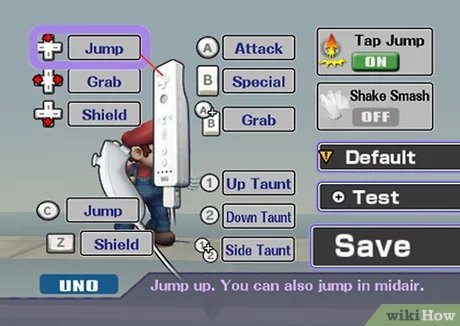
- Use the Controller or Keyboard Effectively: Learn the controls for the game. Find out what each button does and how they affect the character or gameplay. Practice using the controls until they become second nature.
- Practice makes perfect: As you keep playing you will get better over time.
Board Game Tips
- Set up Properly: Make sure the board and pieces are set up correctly. A proper setup is vital before you can start playing.
- Be mindful of others: When you are playing with other players try to be considerate of their feelings.
- Manage Pieces Carefully: Keep your game pieces organized, whether it’s tokens, cards, or dice, keep them within your play space.
- Follow the Turn Order: Pay attention to whose turn it is. Make sure you are following the correct order so that the game plays smoothly.
Card Game Tips
- Shuffle Well: Before playing any card game, shuffle the deck thoroughly to ensure that the cards are mixed up. This will lead to a more fun game as the cards will not be in sequence.
- Understand the Card Values: Many card games have values assigned to the cards. For example, face cards might be worth ten points. Make sure you know the value of each card.
- Hold Cards Carefully: Keep your cards hidden from other players. Develop a method of holding your cards so that they are difficult to see.
- Know your rules: Understand how to play the different games. For example, understand the different ways to play some common games like “Go Fish” or “Snap”.
Outdoor Game Tips
- Safety First: Make sure the area where you are playing is safe. Remove any obstacles or hazards that might cause an injury.
- Understand the Boundaries: Make sure you understand the game’s boundaries, know where you can play and where you can not.
- Use the proper attire: wear appropriate clothes and shoes so you don’t get too hot or too cold, you also don’t want to wear anything that might cause you to fall.
- Play Fairly: Play by the rules. If you’re playing a team sport, work together and support your teammates.
Learning From Mistakes
It’s okay to make mistakes when you’re learning. In fact, mistakes are one of the best ways to learn! If you make a wrong move, try to understand why it was wrong and what you could do differently next time.
- Don’t get frustrated: Making mistakes is part of learning and it will happen often, don’t get discouraged because of it.
- Look for patterns: try to recognize mistakes that you make often. If there is a recurring mistake, then focus on that to overcome it.
- Review the Rules: If you make a mistake and are not sure why, review the rules, there may be a section that you missed.
- Try Again: After you know why you made a mistake, try again, you will soon become an expert with practice.
Adapting to New Games
Each game is unique, and you’ll get better as you practice. With every game you play, your understanding of games in general will improve. This adaptability will make it easier to learn all games going forward.
- Be Open-Minded: Approach each game with an open mind. Be ready to learn new rules and strategies.
- Take it slow: Don’t expect to understand everything at once, it is better to learn gradually than to rush.
- Be flexible: Every player and game is different, so try adapting your strategy each time you play.
- Ask Questions: When in doubt, ask for help. Don’t be afraid to seek clarification about rules or gameplay.
Playing games is more than just winning; it’s about learning, thinking, and having fun with others. By following these simple steps and tips, you’ll be able to dive into any game with confidence. Remember, the most important part is to enjoy the experience. Now, go and start playing!
HOW TO PLAY ROBLOX AT SCHOOL
Final Thoughts
To play games, begin with the basic rules and instructions. Understand the objective. Practice is key; you will improve with time and effort. Playing with friends or other people helps with learning new strategies.
Don’t be afraid to experiment with different approaches. Many games offer tutorials or starting guides. Remember, the key is to enjoy the process. How to play games effectively comes with experience.

