
Playing head games with a narcissist is not advisable; instead, focus on establishing and maintaining strong personal boundaries and minimizing interaction.
Navigating a relationship with a narcissist can feel like walking through a minefield. They often use manipulation tactics and emotional games, leaving you feeling confused and drained. The question of how to play head games with a narcissist often arises when trying to understand their behavior.
It’s tempting to meet their manipulation with your own strategies. However, engaging in such tactics will likely only escalate the situation. Instead, prioritize self-care and emotional safety. The best defense involves avoiding the game altogether.

How to Play Head Games with a Narcissist
Dealing with a narcissist can feel like walking through a minefield. They often use manipulation tactics to get their way, leaving you feeling confused, frustrated, and even questioning your own reality. But what if you could turn the tables? While it’s crucial to prioritize your own well-being and consider professional help, understanding the games a narcissist plays can equip you to better protect yourself. This section delves into the tricky world of “head games” – the manipulative strategies narcissists use, and how you can learn to navigate them.
Understanding Narcissistic Manipulation
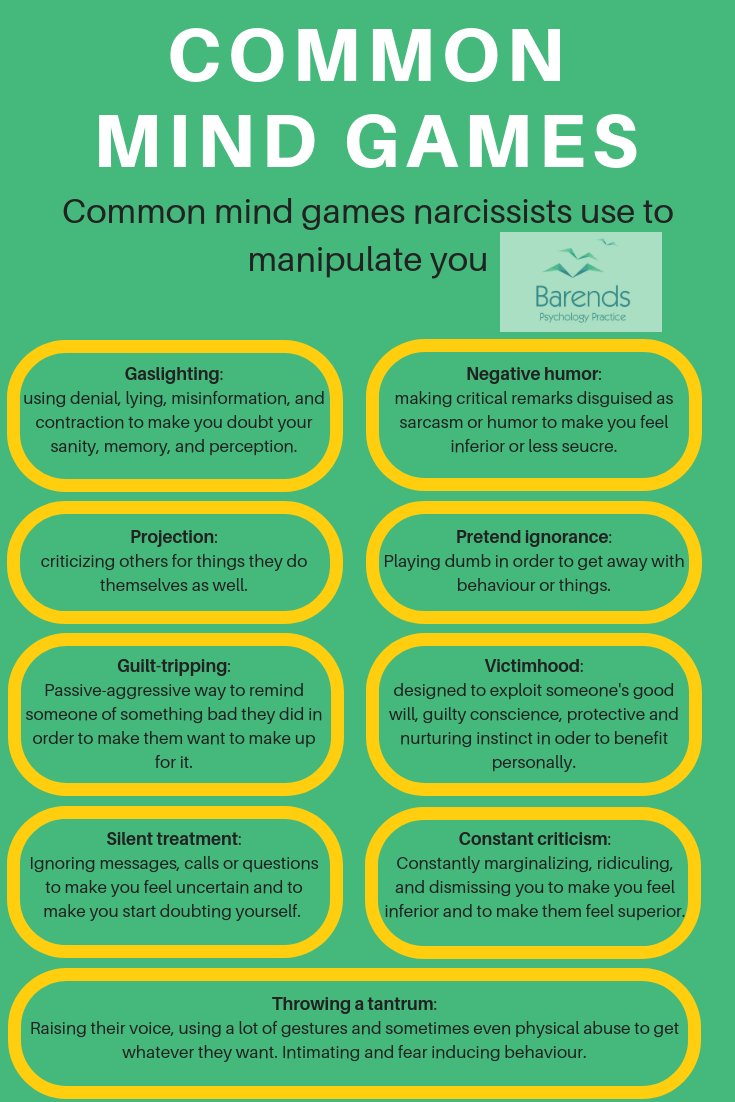
Before we discuss how to “play,” it’s important to understand what you’re dealing with. Narcissists often have a fragile ego beneath their arrogant exterior. They need constant validation and will go to great lengths to get it. They use manipulation techniques like gaslighting, guilt trips, and emotional blackmail to control others. It’s not really about “winning,” it’s about survival and protecting yourself from these damaging behaviors.
Gaslighting: Twisting Your Reality
Gaslighting is a powerful tool for narcissists. They make you doubt your own memories, perceptions, and sanity. They might say things like, “That never happened,” or “You’re imagining things.” This can be incredibly disorienting and makes you more dependent on them for “truth,” which they often manipulate to their advantage. Here are some common gaslighting phrases:
- “You’re too sensitive.”
- “I never said that.”
- “You’re overreacting.”
- “You’re just trying to start an argument.”
- “Are you crazy? Why are you making things up?”
When you hear these phrases, try to pause and recognize them as potential attempts at gaslighting. It helps to write things down to keep track of what actually happened, and to have a trusted person to talk with.
Emotional Blackmail: Pushing Your Buttons
Narcissists are experts at identifying your emotional vulnerabilities. They use your fears, your love for them, or your sense of responsibility to get what they want. For example, they might threaten to harm themselves or someone else if you don’t comply with their demands. They might give you the silent treatment to punish you, or make you feel guilty to get your attention.
Recognizing these patterns is very important to prevent you from giving in to emotional blackmail. If you find yourself feeling intensely manipulated, take a step back from the situation.
Playing the Victim: Shifting Blame
Narcissists avoid accountability at all costs. They often play the victim in situations, even when they are clearly in the wrong. They might blame you for their mistakes or act helpless, so that you will feel guilty for challenging them. This way, they avoid taking responsibility for their actions, and often make you feel like you are the one in the wrong.
Strategies to Navigate Narcissistic Head Games
Now that you understand some common narcissistic manipulation tactics, you can start to strategize how to navigate these interactions. It’s not about “winning,” but more about protecting yourself and setting healthy boundaries. Remember, the goal isn’t to change them, it’s to manage your interactions in a way that minimizes the damage.
The Gray Rock Method: Becoming Uninteresting
The “gray rock” method involves making yourself as uninteresting as possible to the narcissist. They thrive on drama and emotional reactions. When you interact with them, give short, boring responses and don’t engage in emotional discussions. By becoming boring, you deny them the emotional supply they crave. For instance:
- When asked about your day, respond with “It was fine.”
- If they try to start an argument, say “Okay,” and change the subject.
- Don’t offer personal information, good or bad.
This approach might feel unnatural at first, but it can be very effective at reducing their attempts to manipulate you.
Setting Firm Boundaries: Protecting Your Space
Narcissists often push boundaries, but it is crucial to establish and enforce yours. A boundary is a clear limit on how you’ll allow someone to treat you. Once you set the boundary, you need to stick to it, even if the narcissist tries to test you. You can set boundaries like:
- Ending phone calls when someone is being abusive.
- Leaving a conversation when they’re gaslighting.
- Declining to discuss personal topics.
For example, you can say, “I am not going to continue this conversation if you keep raising your voice.” It is essential that if they violate your boundary, you follow through with the consequence you have set. This shows them you mean what you say.
The Power of Detachment: Separating Yourself Emotionally
Detachment doesn’t mean that you don’t care. It means that you learn to separate yourself emotionally from the narcissist’s drama. You can observe their behaviors without allowing yourself to be sucked into the emotional turmoil. This will allow you to react less emotionally. Think of it like watching a play. You see the drama unfold but are not actively involved in it.
You can practice this skill by:
- Being aware of your emotional reactions.
- Recognizing when you feel the urge to defend yourself or get drawn into an argument.
- Choose to not respond emotionally in these situations.
This helps you stay grounded and not get swept away by their manipulation tactics.
Strategic Communication: Deflecting and Diverting
When you have to communicate with a narcissist, try to keep conversations brief and focused on facts. Don’t offer personal details or emotions, which will be used against you. Deflect their attempts to start arguments by not taking the bait.
Examples:
- Instead of getting into a debate, say “I understand your point of view”.
- Don’t answer questions that they use to try and trap you.
- Keep responses short and neutral, and switch the subject whenever you can.
This helps to keep them from gaining control of the conversation.
Documenting Everything: Creating a Record
Keeping a record of interactions can be incredibly helpful, especially if you’re dealing with gaslighting. Write down the dates, times, and specifics of conversations and events. This serves as evidence against their attempts to distort reality. You can use a journal, a notes app on your phone, or a voice recorder (where legal and appropriate).
This record will serve as evidence, and help you in gaining the validation of your own thoughts.
Seeking Support: Talking to Someone Who Understands
Dealing with a narcissist can be isolating and emotionally draining. Reach out to trusted friends, family members, or a therapist who understand the dynamics of narcissistic behavior. Talking to someone who understands can offer validation and support. They can also provide new perspectives and coping strategies.
When to Step Away
While it’s helpful to know how to navigate narcissistic head games, it’s also vital to recognize when it’s time to step away. If your mental and emotional well-being is constantly at risk, you need to prioritize your safety. This might mean limiting contact, creating a safety plan, or ending the relationship completely.
Recognizing the Signs of Emotional Abuse
Emotional abuse is as damaging as physical abuse. Some common signs include:
- Constant criticism or put-downs
- Controlling behavior
- Isolating you from friends and family
- Threats or intimidation
- Guilt trips
- Gaslighting
If you’re experiencing these signs, it’s important to acknowledge that you are not alone, and that professional help can provide the best means of escaping that abuse.
Prioritizing Your Well-being: Making a Choice
Your health and happiness are essential. Do not feel guilty if you choose to prioritize them, even if that means ending a relationship. Sometimes, cutting contact is the best way to protect yourself from further abuse. It’s important to remember, you have a right to be happy and safe. The cycle of manipulation stops when you choose to break it.
Navigating a relationship with a narcissist can feel like a complex game, but equipping yourself with an understanding of their tactics and strategies can give you an advantage. It’s important to remember that you are not the problem, and you are not responsible for changing them. Your priority should always be your own well-being, and that starts with having healthy boundaries and seeking support.
5 Tricks To Throw A Narcissist Off Their Game | DISARM A Narcissist
Final Thoughts
Playing head games with a narcissist demands a strategic approach. You must understand their need for control and attention, so you can manipulate it. This involves mirroring their behavior and using calculated emotional responses.
Never reveal your true feelings; keep them guessing. This maintains a crucial power dynamic, allowing you to influence their actions. Remember, engaging in this kind of behavior can be draining.
Knowing how to play head games with a narcissist is about shifting the power balance, but it’s vital to prioritize your emotional well-being throughout the process.

