
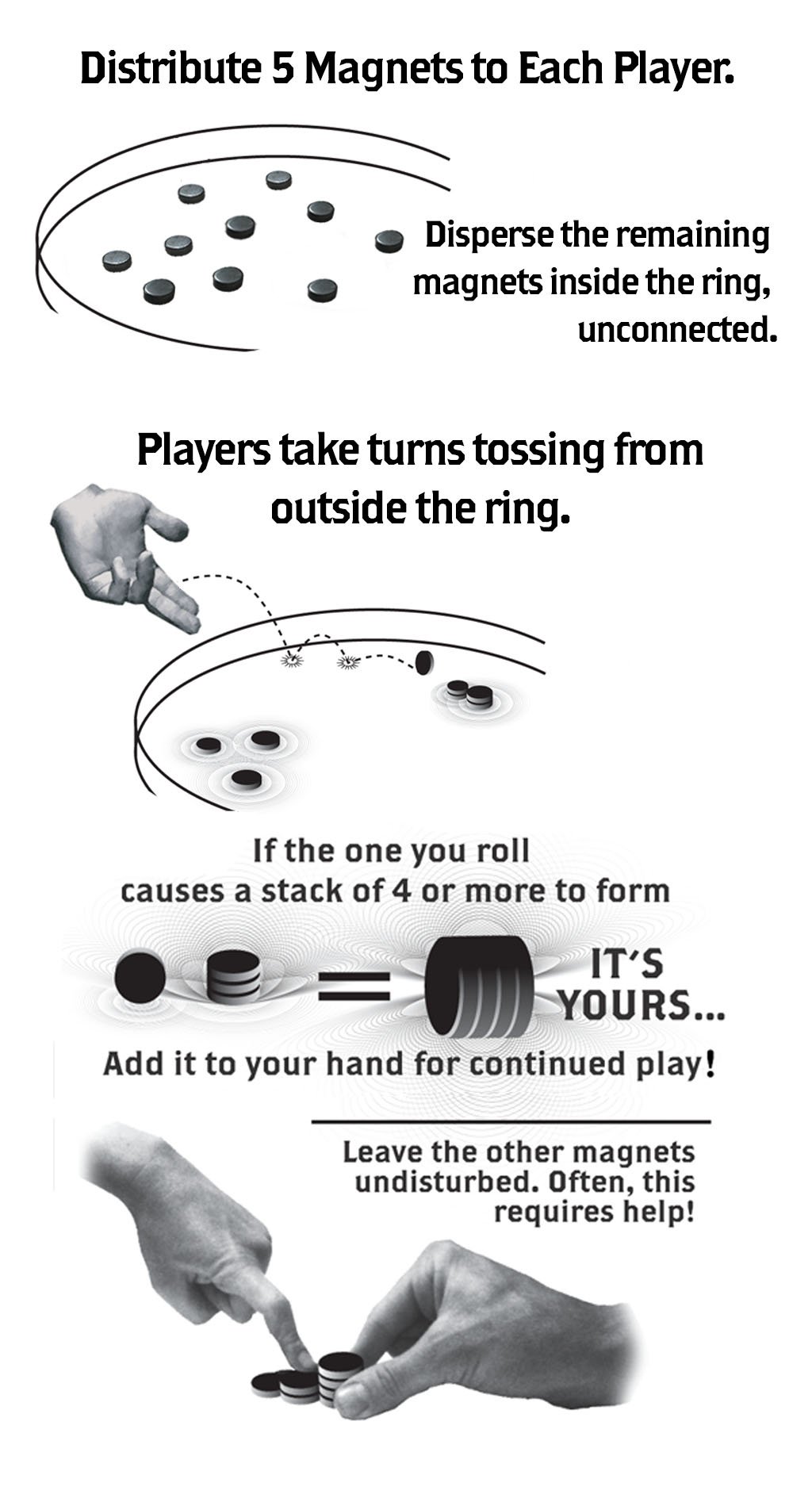
Playing a magnetic game involves using magnetic pieces to interact with a designated surface or other magnetic components, typically following a set of rules or challenges.
Ever wondered about the simple fun of magnets? It’s amazing how those little forces can create hours of play. This article dives into the world of magnetic games, and we will explore exactly how to play magnetic game.
From puzzles to building sets, these games offer a tactile and engaging experience for all ages. Let’s see how easy it is to get started and enjoy the magic of magnets.

How to Play Magnetic Games: A Fun Guide for Everyone
Magnetic games are super cool! They use magnets to make things stick together, move, or even build amazing structures. They’re not just fun; they can also help you learn about science and how magnets work. In this guide, we’ll explore different types of magnetic games and how to play them. Get ready for some magnetic magic!
Understanding the Basics of Magnetism
Before we dive into specific games, let’s talk a little bit about magnets. Magnets have two sides, called poles – a north pole and a south pole. Here’s the simple rule to remember:
- Opposite poles attract (north attracts south, and south attracts north).
- Like poles repel (north repels north, and south repels south).
This basic principle is what makes all magnetic games work. Some games use this to make things stick, and others use it to make things move or float! Understanding these basic concepts is key to having the best experience with any magnetic plaything.
Types of Magnetic Games
There’s a whole universe of magnetic playthings out there. Let’s explore some popular types:
Magnetic Building Blocks and Tiles
These are some of the most popular magnetic games around. They come in different shapes, like squares, triangles, and rectangles, and they have small magnets inside their edges. Here’s how you can play with them:
- Building Structures: You can connect the blocks or tiles to create towers, houses, or even abstract art. Let your imagination run wild!
- 2D Designs: You can also lay the pieces flat on the table to make patterns and pictures. Try making a rainbow or a funny face.
- Following Plans: Some sets come with instruction cards to help you make specific models. These are great for learning to follow directions.
- Mix and Match: Many sets can connect to each other, even if they have different shapes. Experiment to see what combinations you can make.
Tips for Building:
- Start with a strong base to prevent your structure from falling over.
- Use different colors to make your design more interesting.
- Don’t be afraid to try new things and see what happens.
Magnetic building blocks and tiles are not just for kids. Many adults also enjoy their creative and relaxing properties. They are fantastic for developing fine motor skills and spatial reasoning. There is often more to these simple toys than meets the eye.
Magnetic Fishing Games
These games are a classic for younger children. They usually involve a “fishing pole” with a magnet at the end and a collection of toy fish or other objects with metal parts inside them.
- The Goal: Your goal is to use the magnetic pole to “catch” the fish.
- Setting Up: You typically scatter the fish around on a flat surface and use the pole to pick them up one by one.
- Challenges: You can add extra challenge by:
- Using a timer to see how many you can catch in a certain amount of time.
- Assigning point values to each fish.
Magnetic fishing games are fantastic for practicing hand-eye coordination. They also help little ones learn about different types of creatures. It is a simple way to enjoy and learn at the same time.
Magnetic Board Games
Many traditional board games now come with magnetic versions. These are perfect for travel or playing in the car because the pieces stick to the board and don’t easily fall off. Some common examples are:
- Magnetic Chess or Checkers: The pieces are magnetic so they stick to the board. You can play these games just like the original versions, but without the worry of pieces sliding off the board when the surface is not completely flat.
- Magnetic Puzzles: Some puzzles are magnetic, so the pieces stick to a metal board. This is great for younger children because it makes puzzles much less frustrating and also the pieces won’t be misplaced.
- Other Games: You can find magnetic versions of many strategy and word games. Look for magnetic bingo, tangrams, and more.
These magnetic versions of board games make playing more accessible and less prone to mistakes. The magnetic pieces secure themselves to the board so that the gameplay is smooth. They often make a very enjoyable and relaxing option.
Magnetic Science Kits
These kits provide hands-on experiments that demonstrate the power of magnets. They often include:
- Magnets of Various Shapes and Sizes: Experiment with different types of magnets to see which are the strongest.
- Metal Objects: See which objects are magnetic and which are not.
- Instructions and Experiments: Learn how to make a compass, make objects float, and more.
Magnetic science kits are great ways to make learning fun. By conducting experiments you can gain hands-on experience that makes science concepts easier to grasp. These kits transform science from a difficult subject into an enjoyable activity.
Magnetic Maze Games
These games usually involve moving a magnetic ball or piece through a maze using a magnetic wand.
- The Goal: Use the wand underneath the maze to guide the magnetic piece to the finish.
- Challenges: These games come in varying difficulty levels.
- Fine Motor Skills: This is great for practicing fine motor skills and problem-solving.
Magnetic maze games are challenging and captivating, requiring focus and concentration. They are an excellent tool for improving focus and hand control.
Tips for Playing Magnetic Games
Whether you are using magnetic building blocks or an educational kit, here are some general tips to get the most out of your magnetic games:
Safety First
- Supervision for Young Children: Small magnetic pieces can be a choking hazard for young children. Always supervise kids during playtime.
- Keep Magnets Away from Electronics: Magnets can damage electronic devices, so keep them away from computers, phones, and other similar items.
Storage
Proper storage will help keep your magnetic games in good condition. Use storage containers to keep all the pieces together. This will help them to be safe and easily found.
Creativity
- Think Outside the Box: Don’t just build what’s in the instructions, try making your own designs.
- Combine Games: If you have different types of magnetic games, try combining them to create something new and unique.
Magnetic games offer endless opportunities for creativity and learning. They can teach simple lessons about polarity and also encourage problem-solving through construction. Always consider the age of the user when choosing a game for maximum safety and enjoyment.
Learning Through Magnetic Play
Playing with magnets is not just fun; it can also teach you a lot! Here are some of the key learning areas:
Science Concepts
- Magnetism: You will learn about north and south poles, how magnets attract and repel, and what materials are magnetic.
- Gravity: By building structures, you’ll start to understand how gravity affects balance and stability.
Cognitive Skills
- Problem Solving: You’ll need to figure out how to put pieces together to build something or complete a puzzle.
- Spatial Reasoning: Magnetic games help you understand space and shapes.
- Critical Thinking: When experimenting with different arrangements, you learn to assess which options work best.
Fine Motor Skills
- Hand-Eye Coordination: Games such as magnetic fishing and mazes help improve your control over your hand and eye movements.
- Dexterity: Picking up small magnetic pieces and connecting them improves dexterity of your hands and fingers.
By playing with magnets, you are gaining knowledge in a very natural and enjoyable manner. These games promote overall learning development in a simple and stress-free way. The experience is not just about playing a game. It is also about engaging with science and enhancing skills.
Expanding Your Magnetic Play Experience
Here are some ideas to take your magnetic play to the next level:
Create a Magnetic Play Area
Set up a special area in your house where you can play with your magnetic games. You can use a metal board or a refrigerator door as a base for magnetic construction. Consider creating a display for your most impressive creations.
Magnetic Art
Use small magnetic objects and place them on a metal board to create a magnetic work of art. You can arrange the magnetic pieces into shapes, patterns, or just random combinations. You can use colorful magnetic pieces to create a truly stunning display of artwork.
Make Your Own Magnetic Games
Try creating your own magnetic game or toy. You can make magnetic puppets or use magnetic pieces to decorate a box. This activity also encourages you to become more imaginative by transforming common items into a creative tool.
Share Your Magnetic Creations
Take photos of your most impressive builds and share them with your friends or online. You can post your pictures on social media platforms or in online forums to engage with others who have similar interests.
Join a Magnetic Game Group
Look for local groups or online forums that are interested in magnetic play. Sharing your ideas with others can inspire you to be more creative. It will also help you connect with more people who share your interests and passions.
These tips will help you explore more possibilities with your magnetic games. It can open the door to a new world of creative opportunities. The possibilities are only limited by your imagination.
Choosing the Right Magnetic Game
When picking out magnetic games, consider these factors:
- Age Appropriateness: Make sure that the game is designed for the age of the child playing with it. Look for toys with larger pieces for toddlers or any younger children that could be a choking hazard.
- Interest Level: Choose a game that aligns with the interests of the child. If a child enjoys puzzles, look for a magnetic puzzle set.
- Safety Standards: Ensure that the toy meets safety regulations and is made from non-toxic materials. This helps to safeguard the child and ensures a great play experience.
- Educational Value: Consider if the game also has educational value.
Picking a magnetic game that fits a child’s age and interests will ensure a more captivating and successful play time. The goal is for them to have fun while learning. Choosing the correct toy can bring a lot of enjoyment to children.
Magnetic games are an amazing way to learn and have fun at the same time. They are suitable for all ages and offer a wide variety of learning and creative opportunities. Whether you are building towers, fishing for toys, or conducting science experiments, you are bound to have a great experience. Always prioritize safety and make sure you store the pieces correctly. With these simple steps, you can continue to enjoy magnetic games for many years to come. Remember to be creative, think outside the box, and never stop learning. Have fun!
How To Play Magnetic Chess: Magnetic Stone Game Review
Final Thoughts
To play a magnetic game, simply connect magnetic pieces to build structures or complete puzzles. Some games involve following patterns while others encourage free creative play. The magnetic properties hold pieces together.
Remember to carefully place each part and sometimes use light pressure. Experiment with different arrangements to achieve goals. This is how to play magnetic game; practice makes perfect.

