
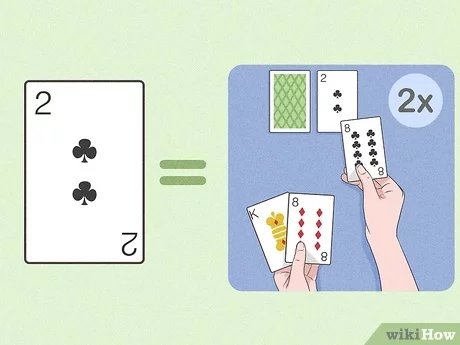
Playing Mao involves following secret rules that change as the game progresses; players aim to get rid of all their cards, while figuring out the ever-evolving restrictions through observation.
Have you ever wanted to play a card game where the rules are a mystery, and change without warning? That’s the charm of Mao! It’s a game of observation, adaptation, and a little bit of cunning. Learning how to play mao card game is all about figuring out the unwritten rules as you go.
There’s no rulebook to consult at the start, that’s part of the fun. Each round is a unique challenge, testing your ability to decipher the current restrictions by observing other player’s actions. The goal is simple: be the first to empty your hand.

How to Play Mao Card Game: A Complete Guide
So, you’re curious about Mao, the card game with no set rules… or so it seems! Mao is a wild and wacky game where the rules are learned by playing. It’s a game of observation, deduction, and a little bit of sneaky rule-making. Sounds fun, right? Let’s dive into the mysterious world of Mao and learn how to play!
The Core Concept of Mao
At its heart, Mao is a shedding-type card game. This means the goal is to get rid of all your cards before anyone else. Seems simple, but here’s where the magic (and sometimes the confusion) happens: you learn the rules as you go. The person who starts the game usually knows the basic, unwritten rules. They are responsible for enforcing the rules – and sometimes making new ones! Each game of Mao is slightly different because the rules aren’t written down. This makes it a truly unique experience every time you play.
The Initial Setup
Before the fun begins, you’ll need a standard 52-card deck. Here’s how to get started:
- Gather Players: You can play with as few as 2 players, but Mao is more fun with 3 or more.
- Shuffle the Deck: Make sure the cards are well mixed up.
- Deal the Cards: Deal out a specific number of cards to each player. A common starting hand is 7 cards, but you can use a smaller number for a faster game or a larger number for a longer game. The important thing is that everyone starts with the same number of cards.
- Place the Discard Pile: Place the remaining cards face down in the center. This is the draw pile. Then flip the top card of the draw pile face up to start the discard pile.
Basic Gameplay
Now for the tricky part, the actual playing! Here’s the basic flow of a turn, although keep in mind, the real rules will emerge as the game unfolds:
- Matching: To start, you’ll try to match the card on top of the discard pile, either by number/rank (e.g., a 7 on a 7) or by suit (e.g., a heart on a heart).
- Playing a Card: If you have a card you can play, place it face up on the discard pile.
- Drawing a Card: If you can’t play a card, you’ll usually draw one card from the draw pile and add it to your hand. Then your turn is over.
- Going Out: The first player to get rid of all their cards wins! But there are often secret rules that can make going out much more difficult than you’d think.
Commonly Used Unspoken Rules (But Don’t Rely on Them!)
While every Mao game is unique, there are certain rules that tend to appear. These are not always present, and often, different versions exist. It’s more about what you and your friends learn along the way. Here are some common examples:
- Skipping: Certain cards might make the next player lose their turn. Often this is a jack or some other face card.
- Reversing: Some cards might reverse the direction of play. This often happens with an 8.
- Drawing Multiple Cards: Some cards might make the next player draw multiple cards. This can get pretty intense when you have a bad run of cards!
- Card Rank Rule: Certain ranks might have special rules. For example, a 7 might require the next player to say something special before playing.
- Suit Rule: Similar to rank, some suits might trigger certain actions or penalties. For example, diamonds might be wild.
- Talking Penalty: Often, you aren’t allowed to talk during the game, except for during specific situations (like announcing the next turn is skipped or drawing penalty cards).
- False Declarations: Some rule variations require you to announce you are on your last card, and if you are wrong (for example, you still have one card after announcing you are out), you might have to draw penalty cards.
Important note: These rules aren’t guaranteed. They may or may not apply in your game. The only way to find out is to play and pay attention to what happens!
Learning the Rules: Observation and Deduction
The real skill in Mao comes from figuring out the rules as you go. It’s like being a detective in a card game. Here’s what to focus on:
Paying Attention to Play
Watch other players carefully. What did they do when they played a particular card? How did the game change when a specific card was played? How did the other players react? Did anyone get penalized, and why? This is how the rules are often established and enforced. The initial rules of the game are usually explained by the person who starts, but you should always watch and be open to new developments.
Deduction and Experimentation
Based on what you observe, try to deduce the rules. For example, if every time someone plays a Queen, the next player has to draw 2 cards, you can guess that playing a Queen has a negative consequence. Then try testing your hypotheses by playing cards and watching how they are played. If you get penalized when you thought you wouldn’t, then that rule is probably not the one you thought it was. You may need to adjust your theory.
Asking Questions (Carefully!)
In most variations of Mao, you aren’t allowed to verbally ask directly about the rules during the game. However, you can often ask questions using specific terminology, which is part of the game. For instance, you might ask “What happens next?” when you’re not sure, or you can make a statement, for example, “I will play this card and get one extra card”, and see how the other players react. If it’s a rule, you might get the ‘card drawing penalty’, if it’s not, you may get away with it. Be cautious though, as you might reveal your lack of knowledge!
The Role of the Rule-Keeper
Typically, the person who knows the basic rules will be the rule-keeper. Here’s what they do:
- Enforce Existing Rules: The rule-keeper makes sure that everyone follows the rules that have already been established. This often means pointing out when someone breaks a rule.
- Add New Rules: The rule-keeper can add new rules during the game. These could be specific to a particular card or situation. This keeps the game fresh and unexpected.
- Explain Penalties: When someone breaks a rule, the rule-keeper will usually enforce the penalty, which can often be drawing more cards.
The rule-keeper is not always a fixed role. It sometimes changes from game to game, or it can change hands mid-game. Usually, the person who last broke a rule takes on the position. The role of the rule-keeper is crucial to the game, so it’s important to be paying attention when it’s your turn.
Strategies for Success
While luck plays a role, there are ways to improve your chances of winning at Mao:
Observation is Key
Again, really pay attention to what’s happening, what cards other players are holding, and what actions are happening when a player plays a specific card. The better you are at observing, the faster you’ll learn the rules, and the better decisions you’ll make.
Strategic Card Play
Don’t just play the first card you can. Think ahead. If you know a card has a negative consequence, try to save it for the person after you, or for a player with fewer cards than you. Also, try to anticipate what rules might come next. Knowing how other players are acting can provide clues.
Keeping a Poker Face
Try not to show too much emotion when you have a good or bad hand. If you look excited when you get a certain card, others might guess that it’s important in the game, which may make others change how they play their cards. Mao is a game of secrets, so acting like you know the secret can sometimes be an advantage.
Managing Your Hand
Try to get rid of cards as fast as possible, but also try to hold onto the cards that might have special rules. You may need to play one of those cards to test whether it has the rule you suspect it might have. Getting out is important, but not if you’re going to break a rule when you try to get out.
Adaptability
Because the rules change often, you have to be able to adapt quickly. What was true at the beginning of the game might not be true by the middle or end of the game. Stay flexible, and be prepared for anything.
Variations on Mao
Because of its nature, there are lots of variations to the game of Mao. It can be fun to play different variations and try to come up with your own new rules. Here are some common variations:
- Specific Card Rules: In some variations, a certain card can have multiple effects, such as the “Ace Switch” which reverses the direction of play, but only when it’s played as a suit.
- Talking Restrictions: Some versions use very strict talking rules, with penalties even for laughing or using “the wrong words”.
- The Rule of Three: In some versions of the game, when a player gets down to three cards, that player must announce “three cards.” If not, they might have to draw more cards.
Why Mao is So Much Fun
So, why do people enjoy the game of Mao, even though it can be confusing? Here are a few reasons:
- It’s Unique: Every game of Mao is different. You will never play the exact same game twice.
- It’s Challenging: Figuring out the rules is a fun mental exercise. It’s like solving a puzzle, but the puzzle pieces keep changing.
- It’s Social: Mao is a great game to play with friends and family. It encourages interaction and laughing, and sometimes friendly competition.
- It’s Hilarious: The confusion, the rule-breaking, the surprise rule changes, all these factors contribute to the hilarity of Mao. It’s a game that’s fun even when you’re not winning.
Mao isn’t just a card game, it’s an experience. It encourages you to be observant, think creatively, and be ready for the unexpected. It’s a game that is as much about the journey of learning the rules as it is about winning. So, gather your friends, grab a deck of cards, and prepare to enter the wonderful and wacky world of Mao.
How to Play Mao
Final Thoughts
Remember, the goal is to discard all your cards by following the secret rules. Players must carefully watch the actions of others to deduce those rules. This game requires quick thinking and adaptation.
Figuring out how to play mao card game is the real challenge since no one will tell you outright. It’s about paying attention to the consequences of your actions. Each misstep adds more cards.

