
Playing mind games with a narcissist is generally not recommended as it often escalates conflict and can be emotionally draining; focusing on setting boundaries and disengaging is a healthier approach.
Navigating interactions with a narcissist can feel like walking through a minefield, a constant dance of manipulation and control. It’s natural to wonder if you can turn the tables, if learning how to play mind games with a narcissist could offer some sense of control. However, this path often leads to more turmoil.
Instead of engaging in a battle of wits, consider focusing your energy on self-preservation. Setting clear boundaries and minimizing contact often proves more effective. These strategies help protect your emotional well-being.

How to Play Mind Games with a Narcissist
Dealing with a narcissist can feel like you’re trapped in a never-ending game. They often use manipulation, gaslighting, and other tactics to get their way. While it might seem tempting to try and “beat” them at their own game, it’s important to approach this with caution and understanding. Instead of thinking about winning, consider these strategies as ways to protect yourself and maintain your own emotional well-being. It’s about navigating a tricky situation with awareness, not about becoming a manipulator yourself.
Understanding the Narcissist’s Game
Before you even think about strategy, it’s crucial to understand what makes a narcissist tick. They operate from a place of deep insecurity, even if they seem confident on the surface. Narcissistic traits include:
- A Need for Admiration: They crave constant praise and attention.
- Lack of Empathy: They struggle to understand or care about other people’s feelings.
- Sense of Entitlement: They believe they deserve special treatment.
- Manipulation: They use others to get what they want.
- Grandiosity: They have an exaggerated sense of their own importance.
- Sensitivity to Criticism: They react poorly to any perceived slight.
Recognizing these patterns can help you predict their behavior and react more effectively. They often have specific triggers. When you understand their pattern, you can navigate interactions with them more thoughtfully.
Identifying Their Tactics
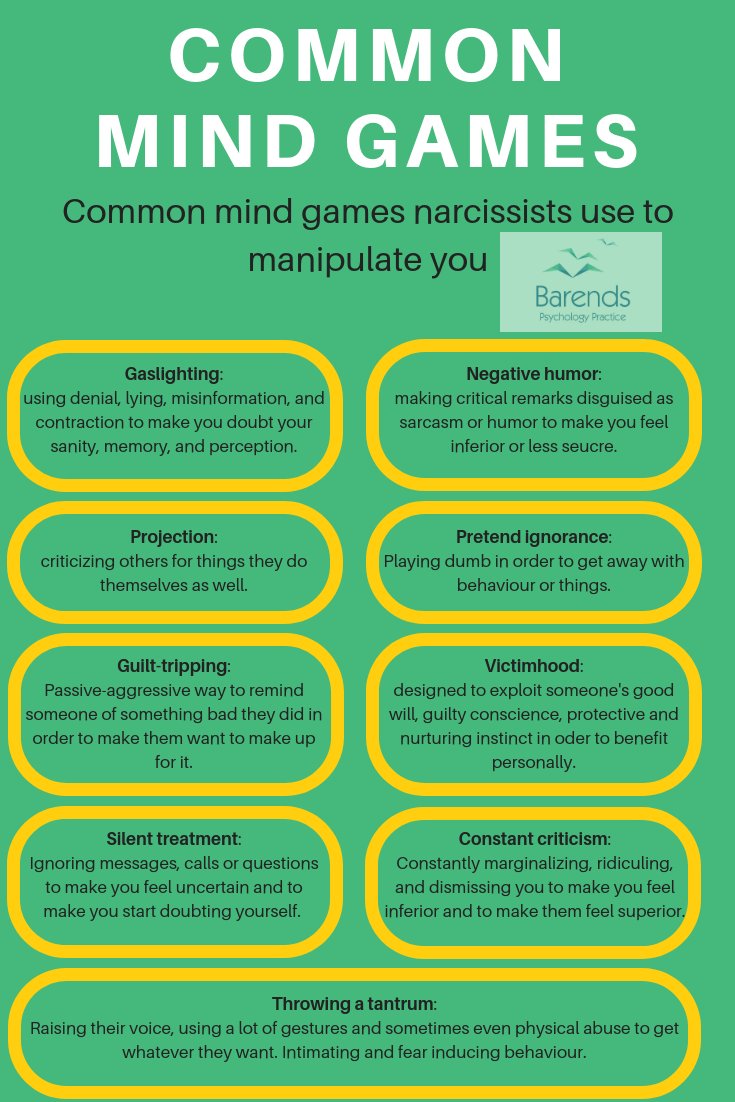
Narcissists are masters of manipulation. Here are some common tactics they use:
- Gaslighting: Making you question your own sanity or memory. For example, they might deny saying something they clearly said or tell you that your feelings are invalid.
- Love Bombing: Showering you with affection and attention early on, only to withdraw it later.
- Playing the Victim: Trying to make you feel sorry for them, even when they are the ones in the wrong.
- Triangulation: Involving a third party to create drama and conflict, often to make you feel jealous or insecure.
- Emotional Blackmail: Using guilt or threats to get you to do what they want.
- Silent Treatment: Refusing to communicate to punish or control you.
Understanding that these are their tactics and not a reflection of your worth is very important for your wellbeing. Once you can see through these manipulations, it becomes easier to disengage.
Strategies for Navigating Narcissistic Interactions
Now, let’s talk about some specific strategies you can use. Remember, the goal isn’t to try to out-manipulate them. It’s to protect yourself and maintain your mental health.
The Gray Rock Method
This involves becoming as uninteresting as possible. When you interact with the narcissist, keep your responses short, neutral, and emotionless. Avoid engaging in their dramas or giving them any emotional reaction, whether positive or negative. Think of yourself as a gray rock – boring and unstimulating. They will often move on to someone who offers more of a reaction.
Example:
Narcissist: “You never appreciate anything I do.”
Your Response: “Okay.” or “I understand.”
By not feeding their need for drama and attention, you make yourself less of a target.
Setting Clear Boundaries
Narcissists often try to push your limits. It is very important to establish boundaries and stick to them. Make sure you let them know what you will not tolerate. Be consistent with these boundaries. When a narcissist learns that certain behaviors will not work with you, they may learn to behave in a different manner or they may go away to find someone who will tolerate their behavior.
Examples of Boundaries:
- “I will end this conversation if you start name-calling.”
- “I am not going to discuss this further.”
- “I need space. I will reach out to you when I am ready.”
Be prepared for the narcissist to test these boundaries. Do not get into a fight. Stick to your established boundaries and avoid trying to explain or justify them. The key is to be consistent, and eventually, they will likely realize that their manipulative tactics aren’t working on you.
The Power of Detachment
Detachment doesn’t mean you stop caring; it means you stop allowing the narcissist’s actions to impact your emotions. They thrive on your reactions. When you detach, you deny them the satisfaction of controlling your feelings.
Practical Tips for Detachment:
- Don’t take things personally. Remember, their behavior is about them, not you.
- Focus on your own well-being. Engage in activities that make you happy and relaxed.
- Limit your exposure. Reduce time spent with them as much as possible.
- Build a support system. Talk to friends, family, or a therapist who understands what you’re going through.
Detachment is not always easy, especially if you are emotionally invested in the relationship, but it is very important for protecting your sanity.
Strategic Communication
Communication with a narcissist requires a specific approach. Avoid emotional language or defensiveness. Instead, focus on facts and use neutral phrasing.
Effective Communication Techniques:
- Use “I” Statements: Focus on your feelings and experience, not on blaming them. For instance, instead of saying “You always make me feel bad,” try saying “I feel hurt when…”
- Keep it Brief: Don’t give them any unnecessary information or details. The less they know, the less ammunition they have.
- Don’t Get into Arguments: Arguing with a narcissist is usually pointless. It just gives them more attention, which they crave.
- Stick to Facts: Narcissists often twist things around. When you need to speak to them, focus on verifiable facts.
- Avoid Justification: Do not fall into the trap of justifying your actions or feelings. This just gives them more material to argue with.
Remember, your goal is not to convince them of anything, but to communicate what you need and set boundaries.
Playing the “Positive” Card
Narcissists thrive on validation. One somewhat counterintuitive approach is to strategically give them genuine praise when they actually deserve it. This can make them feel good, but be very careful not to overdo it, as you don’t want to reinforce their negative behaviors.
Important Considerations:
- Genuine Praise Only: Don’t fake it. They can often sense insincerity.
- Be Specific: Instead of saying “You’re great,” say, “I really appreciated your help with that project.”
- Keep it Brief: Don’t give them too much praise. A little can go a long way.
- Maintain Boundaries: Giving them praise does not mean letting them violate boundaries.
This method can help de-escalate situations and make them more likely to cooperate, but it should be used sparingly and strategically.
Turning the Tables (Carefully)
There may be a time, although rarely recommended, that you need to use a bit of their own tactics against them. But do it with extreme caution and only when you are sure it will get a positive result. The goal here is not to become like them, but to use their tactics in a very limited way for your protection.
Example:
- Mirroring: If they interrupt you, interrupt them. If they use a specific word or phrase to manipulate you, use that same word or phrase back at them. This may sound a little juvenile, but sometimes they may find their behavior when mirrored to be irritating.
- Strategic Silence: Use silence to make them uncomfortable and force them to fill the void.
It’s very important to remember that playing mind games with a narcissist can be exhausting and potentially harmful. Use these tactics sparingly and only as a last resort. It is better to focus on strategies that help you protect yourself and maintain your well-being.
When to Walk Away
Ultimately, the most important thing to remember when dealing with a narcissist is to prioritize your own mental and emotional health. There are times when you might find that no amount of strategic play will make the situation better and the best thing to do is to end the relationship. If the interaction is causing you extreme stress or harm, it might be time to disengage completely.
Recognizing When Enough is Enough
It’s critical to be honest with yourself. If you notice the following, it may be time to leave the relationship:
- You’re constantly walking on eggshells.
- Your self-esteem is dropping.
- You’re feeling anxious or depressed a lot of the time.
- The relationship is taking up all of your time and energy.
- You feel more alone when you’re with the person.
- You are starting to feel hopeless.
It’s essential to acknowledge that you cannot change a narcissist. Trying to fix them or trying to “win” in their game will often lead to frustration and pain. Choosing to walk away may be the bravest and best thing you can do for yourself.
Seeking Support
Leaving a narcissistic relationship is a very hard decision and often comes with many complex emotions. Don’t be afraid to reach out to friends, family, or a qualified therapist for support. They can provide guidance, understanding, and help you process your experience and heal. They can also offer valuable coping strategies that can assist you in moving forward.
Remember, your emotional and mental well-being is very important. Protecting yourself is never a bad thing.
Navigating interactions with a narcissist is a complex task. It requires understanding their behavior, setting boundaries, and prioritizing your own well-being. The techniques discussed can be helpful tools, but they aren’t a cure-all. The most effective strategy is to protect yourself and, when necessary, to choose to disengage for your own peace and health. Remember that you deserve healthy and respectful relationships.
5 Mind Games Narcissists Play | Narcissistic Abuse
Final Thoughts
To play mind games with a narcissist, you must strategically employ their own tactics. Mirror their behavior; however, do not engage in direct confrontation. Instead, use subtle manipulation to redirect their focus and protect yourself from their control.
Remember, the key is not to fuel their ego, but to disarm it. Carefully choose your battles, and prioritize your own well-being above all. Understanding their psychology is critical for success.
This approach is about self-preservation, not about winning. Knowing how to play mind games with a narcissist can help you maintain boundaries. It requires patience, skill, and awareness of your own emotional state.

