
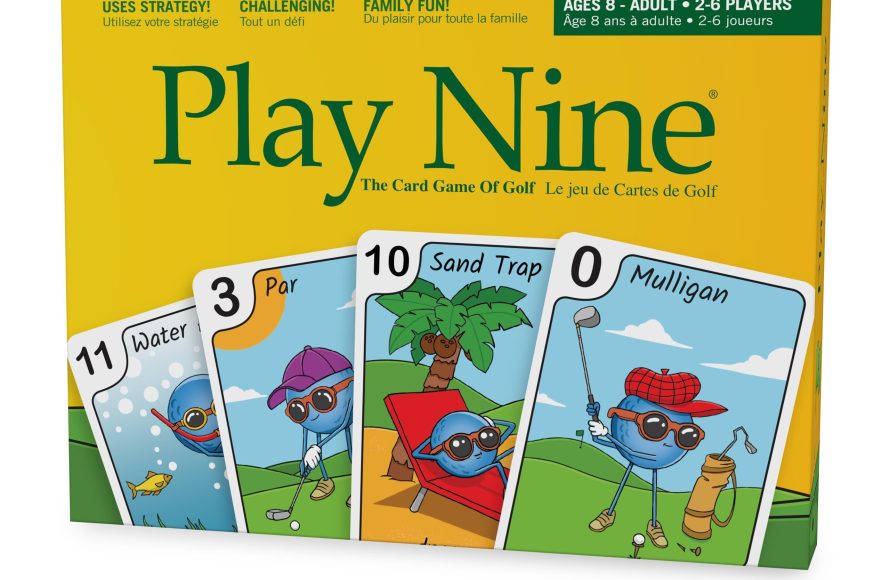
Playing Nines the card game requires players to strategically discard cards, aiming to be the first to empty their hand or have the lowest total point value when a player goes out.
Ever found yourself needing a quick, engaging card game? Then learning how to play nines the card game could be perfect for you. It is a simple game with a surprising level of strategic depth.
This card game is not only fun but also quite easy to pick up. We’ll walk through the rules and provide tips to help you win. Get ready to add another great card game to your repertoire.

How to Play Nines the Card Game: A Comprehensive Guide
Let’s jump into the exciting world of Nines, a card game that’s simple to learn but offers plenty of strategic depth. It’s a perfect game for family game nights, a quick round with friends, or even a solo challenge. Nines is all about getting rid of your cards as fast as you can, and the first player to do so wins. But hold on; there’s a twist! You’ll need to be clever and pay close attention to the cards being played.
Understanding the Basics
Before we get started, let’s understand the basic structure of the game. Nines uses a standard deck of 52 playing cards. The cards rank from high to low: Ace (high), King, Queen, Jack, 10, 9, 8, 7, 6, 5, 4, 3, and 2 (low). There are four suits – hearts, diamonds, clubs, and spades – but these suits don’t matter for the gameplay itself.
The Objective of the Game
The goal in Nines is to be the first player to get rid of all your cards. Players take turns playing cards onto a discard pile, following certain rules. Each time you play a card, you change the highest value allowed to be played. Let’s look at how this works.
Setting Up the Game
Ready to play? Here’s how you get the game ready.
- Shuffle the Deck: Start by shuffling the deck of cards thoroughly. It’s important to make sure the cards are well mixed.
- Deal the Cards: Deal each player a set number of cards. The number of cards dealt varies, usually 4 or 5 cards per player. If you’re playing with only 2 players, you might want to use a larger starting hand like 7 cards to make the game more challenging.
- The Stock Pile and Discard Pile: The remaining cards form the stock pile, and it is placed facedown in the center of the playing area. The top card from the stock pile is flipped face up and begins the discard pile. The first card on the discard pile begins the game with a set number. This number sets the initial rule for the beginning of the gameplay.
Gameplay Mechanics
Now for the most important part – playing the game! Nines is based on quick thinking and making smart choices. Remember, your goal is to use up all your cards before anyone else. The card on top of the discard pile changes the rule for the next player. Here’s how it works:
Playing Your Cards
On your turn, you must play a card onto the discard pile that matches either the suit or the number of the card on top of the discard pile. If you have a card that matches, place it on top of the discard pile. If you do not have a match you need to pick up one card from the stock pile. If the stock pile runs out, then the discard pile will be reshuffled and become the new stock pile, leaving the top card of the original discard pile as the first card on the discard pile.
The Number Nine: The Magic Card
This is where the name of the game comes in. The number nine is special in this game. When a player plays a ‘9’, the direction of play reverses. If it was going clockwise, it will now go counter-clockwise and vice-versa. When a nine is played, this card also changes the value you need to match, allowing the next player to play any number that matches the suit of the 9, regardless of what card was previously played.
Special Card Values and What They Do
- Number Cards: These cards are played normally, matching either suit or number.
- 8 Card: When an eight is played, the next player must skip their turn.
- Jacks: When a Jack is played, the player must pick up one card from the stock pile and play continues as normal.
- Aces: When an ace is played the number range is shifted. If the range was 1-9 it now goes to 10-A, if the range is A-9 then it will shift to 1-9.
Playing a Two
The two card acts as a restart. When a 2 is played, the card changes the suit of the discard pile, and if a two is played as the first card of the discard pile, the player who first draws the card gets to select a suit to start the game with.
Winning the Game
The first player to get rid of all their cards is the winner of the round. Usually, the game is played as a series of rounds, and the player who has won the most rounds is the overall winner.
Basic Strategies and Tactics
While Nines is easy to learn, some simple strategies can give you an edge. Here are some tips to help you out:
Thinking Ahead
Try to look at the cards in your hand and anticipate what you might draw from the stock pile. If you have a lot of one suit, you might want to hold onto cards that match that suit as the game progresses. Sometimes, playing a lower number card can be better than playing a high one if it clears out more cards from your hand. For example, if there is a 7 on the discard pile, and you have two 7s and a 9, it might be better to play the 7s first, in the hope of drawing a card that will allow you to play the 9 later on.
Using the Special Cards Wisely
The 8s and 9s are powerful cards, so use them at the right time. If you’re last in the turn order, an 8 could be used to give you a bit more time to pick up the cards you need to play. The same can be said for the 9 card, since you get to change the direction of play, if it is favorable to you. Don’t forget, the 9 can also change the suit of the card, which is a great way to get rid of a bunch of unwanted cards at once. Pay close attention to when other players use special cards and try to guess why.
Managing Your Hand
Try to get rid of your high cards first. They are often the hardest to get rid of because there are so few cards that match a high number. If you’re drawing lots of cards that match the discard pile, try to play out those cards, even if it doesn’t clear the majority of your hand. It is important to clear up your hand as much as possible to avoid being stuck with a bunch of cards.
Keep an Eye on Other Players
Watch what cards other players are discarding, and what they’re picking up. This can give you a clue about what kind of cards they are holding. Are they only picking up a single card? This could mean that they have an easier time matching cards on the discard pile and might be close to winning the round, or they are holding onto special cards. Watching other players will let you think about what cards you will want to try to hold onto. If you see them pick up 3-4 cards at once, then that would mean they are having a difficult time matching cards from the discard pile.
Advanced Techniques
Once you get the hang of the basic gameplay, you might want to try some more advanced strategies. These can help you become a more skilled Nines player:
Card Counting
As you play, try to remember what cards have been played. If you notice that most of a particular suit has already been discarded, then you know that your chances of drawing that suit are reduced. The same can be said about numbers. If you notice that many 7s have been played, it would be beneficial to not hold onto 7s unless you have 2 or more of them. Understanding what has already been played will allow you to make better choices.
Controlling the Flow
Sometimes, it’s advantageous to change the suit or direction of play even if it doesn’t immediately benefit you. This can throw off other players and slow their progress down. If they have a good hand, this will make it more difficult for them to clear out their cards, and if you have a handful of cards that match a number or suit, then you could clear a significant portion of your cards. This technique relies on predicting the other players movements.
Knowing When to Hold
Sometimes, not playing a card is the best option. If you have a hand full of special cards, it can be advantageous to hold onto them until the right opportunity arises. It’s not just about how fast you play, but also about how well you position yourself to win.
Adapting to Different Player Styles
Every player has their own way of playing. Some players may be aggressive and want to play as many cards as quickly as possible, while others might play more conservatively. When playing with different people, it’s important to adapt your approach to how they play. If they are playing very aggressive, then you should be more conservative and vice-versa.
Variations on Nines
Just like many card games, Nines has different variations. Here are a couple of the most common:
Progressive Nines
In this version, players start with a small number of cards, perhaps 3, and the number increases by one each round. So, in the second round, you will get 4 cards, and in the third round, you will get 5, and so on. This variation can sometimes lead to longer games, but it can also give newer players more opportunities to learn the game.
Partners Nines
If you want to play with a larger group, you can play with partners. Players are paired up, and you must play in such a way that helps your partner get rid of all of their cards before the other team. You are still responsible for getting rid of your own cards, but the main focus is to help your partner get rid of their cards.
Nines is a really fun card game that everyone can enjoy! It’s all about matching the discard pile, using special cards at the right time, and outsmarting your opponents. Remember the core mechanics, practice your strategy, and most importantly, have a blast!
How to Play Nine
Final Thoughts
To win at nines, you must aim for the lowest score. Players discard and draw cards, trying to reduce their hand’s total value. Remember, face cards equal ten and aces count as one.
The game continues until someone knocks, then everyone reveals their hand. The lowest total wins the round. How to play nines the card game involves this simple strategy. Keep practicing to get better.

