
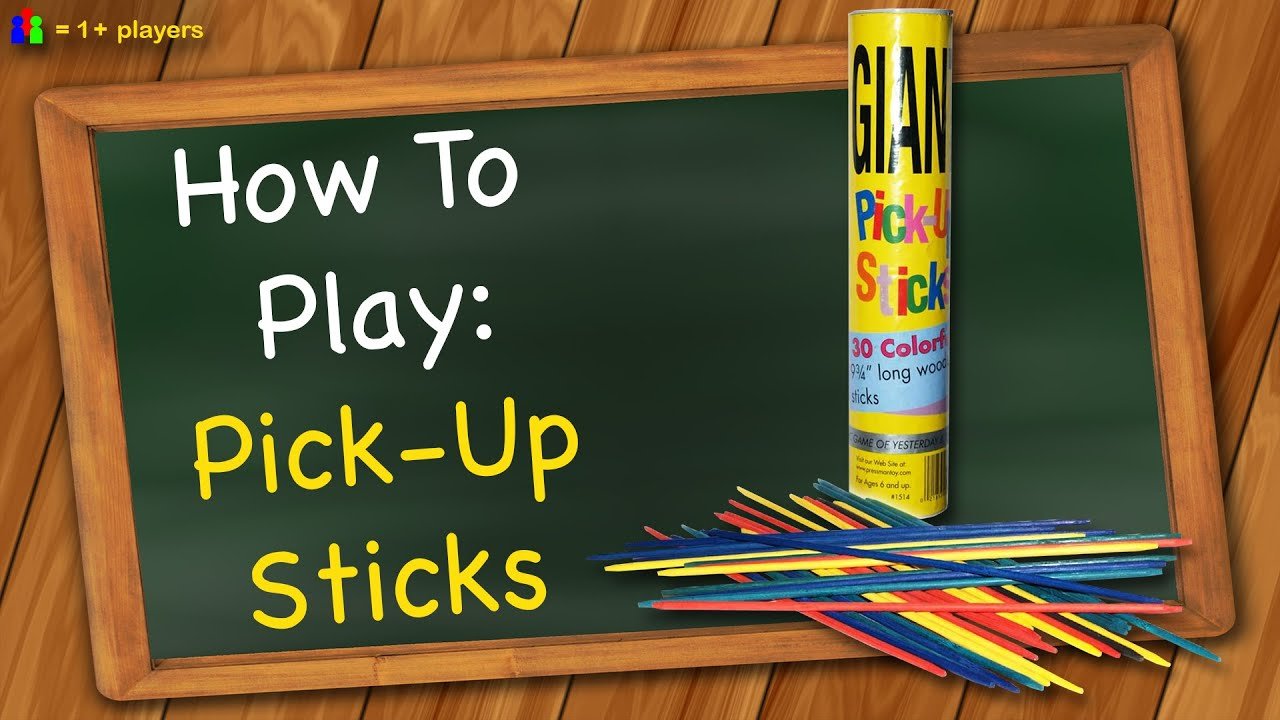
To play pick up sticks game, you scatter the sticks, then carefully remove them one by one without moving any others.
Have you ever seen those colorful, thin sticks and wondered about the game? It’s called pick up sticks, and it’s a classic game of skill and patience. Many people have enjoyed learning how to play pick up sticks game. The rules are simple, making it a perfect pastime for all ages.
You can easily play this at home with a simple set. The game promotes focus and gentle handling, offering both entertainment and skill development. This article will guide you on how to play this fun game and become a pro in no time.

How to Play Pick Up Sticks Game: A Detailed Guide
Let’s dive into the fun world of pick up sticks! It’s a classic game that’s been around for ages, and it’s super easy to learn. You probably have a set somewhere in a drawer or you’ve seen one at a friend’s house. This game isn’t about speed or strength, but about focus, gentle hands, and a little bit of strategy. It’s a great game for kids and adults alike, and it only takes a few minutes to learn the basic rules. So, let’s get started!
What You Need to Play Pick Up Sticks
Before you can start playing, you need a few things. Luckily, pick up sticks is a simple game that doesn’t require much equipment. Here’s what you’ll need:
- A Set of Pick Up Sticks: This is the most important thing! Pick up sticks sets typically come with around 20 to 50 sticks. These sticks can be made of wood, plastic, or even bamboo. They’re usually about 8 to 10 inches long. Some sets have different colors or patterns, and some even have special scoring markings.
- A Flat Playing Surface: You’ll need a smooth, flat surface to play on. A table, desk, or even the floor will work well. Make sure the surface is clear of any obstacles that could interfere with the game.
Setting Up the Game
Setting up the game is quick and easy. Follow these simple steps:
- Gather the Sticks: Make sure all the pick up sticks are together in a neat bundle.
- Hold the Sticks: Hold the bundle of sticks vertically in your hand, with the bottom ends resting on the playing surface.
- Release the Sticks: Carefully let go of the sticks, allowing them to fall freely onto the surface. This is called “scattering” the sticks. The goal is to create a jumbled pile of sticks that overlap and intertwine with each other. The more scattered, the better.
That’s all it takes to set up the game. Now the real fun can begin!
The Rules of Pick Up Sticks
Now that you’re all set up, it’s time to learn the game rules. The goal of pick up sticks is to pick up as many sticks as possible without moving any other stick. Here’s a breakdown of how to play:
Starting the Game
- Decide Who Goes First: You can decide who goes first using any method you like. You can toss a coin, draw straws, or simply let the youngest player start.
- The First Turn: The first player starts by carefully trying to remove a stick from the pile.
How to Pick Up Sticks
- One Stick at a Time: You can only pick up one stick at a time. Don’t try to grab multiple sticks at once.
- No Moving Other Sticks: You can only remove a stick if it is free to move without disturbing any other sticks in the pile. If a stick moves while you’re picking up another, your turn is over.
- Use Your Fingers: You can only use your fingers to pick up the sticks. Don’t use any other objects or tools. Sometimes, if a stick is very hard to pick up, you can use a stick you’ve already collected to help you pick up another stick. However, once you use a stick to help you collect another, your turn is over even if that stick has moved another one.
Ending a Turn
- Turn Over: Your turn ends if you move another stick in the pile while trying to pick up a stick.
- Pass the Sticks: Once your turn ends, it’s the next player’s turn. You pass the playing area to them.
Scoring the Game
Scoring in pick up sticks can vary, but here’s a common way to do it:
- Different Points: Each color or type of stick may be worth a different number of points. For example, a red stick might be worth 5 points, while a blue stick is worth 1 point.
- Tally Points: At the end of the game, each player counts up the points they have collected.
- Winner: The player with the most points at the end of the game is the winner.
If your set doesn’t have different point values marked on the sticks, you can assign values based on color, stripes, or how long they are. It’s completely up to you.
Advanced Strategies and Tips
Once you get the hang of the basic rules, you can start trying some advanced strategies to help you become a pick up sticks pro. Here are some tips:
Careful Observation
- Study the Pile: Take a moment to look at the whole pile of sticks before you make your move. Look for sticks that are easy to pick up and avoid the ones that are surrounded by others.
- Look for Open Spaces: Identify the sticks that are not touching or underneath another stick. These are your best bets for a successful pick up.
Gentle Movements
- Slow and Steady: Don’t rush! Move your hands and fingers slowly and carefully to avoid disturbing any other sticks.
- Light Touch: Use a very light touch when picking up sticks. Avoid any sudden or jerky movements.
Picking Up Techniques
- Lifting Technique: Instead of trying to slide the stick out, try lifting it up. Sometimes, this is easier than sliding it.
- Turning Sticks: Try rotating the sticks when picking up. Sometimes the angle at which the stick is is making it difficult. You can rotate it slowly to try to collect it.
- Using Other Sticks: As mentioned earlier, in some versions of the game, you can use a stick that you have already picked up to help you nudge another stick free. This can be helpful, but remember if you move the stick you are trying to pick up with the stick you are holding, you turn is over.
Strategic Picking
- Go for the High Value Sticks: If your sticks have point values, prioritize picking up sticks with higher points first if you see that they are easily available.
- Think Ahead: Before you pick up a stick, take a moment to consider how it might affect the rest of the pile. Sometimes it’s better to leave a tricky stick for another turn if it seems likely to create an opportunity later.
Variations of Pick Up Sticks
While the basic rules of pick up sticks are pretty standard, there are some fun variations you can try to add a little spice to the game:
Time Challenges
- Timed Rounds: Try timing each round. You can set a timer for each player to see who can pick up the most sticks in a specific amount of time.
- Speed Challenge: See who can pick up the most sticks in the shortest amount of time. Make sure you don’t move other sticks!
Team Play
- Team Competition: Divide into teams and take turns. Combine each team’s points at the end to see which team wins.
- Partner Play: Work with a partner. One person can pick up a stick and hand it to their partner who will then continue with the turn. This can be a fun way to play together.
Alternate Scoring
- Color Scoring: You can give each color of stick a specific point value, or use a scoring system that’s not dependent on the color.
- Bonus Points: You could give bonus points for picking up all sticks of a specific color in a turn, or for picking up a specific pattern.
Why Pick Up Sticks is a Great Game
Pick up sticks isn’t just a fun way to pass the time; it’s also a fantastic game for developing various skills. Here are some reasons why pick up sticks is so great:
Improves Fine Motor Skills
Picking up the sticks requires using small muscles in your fingers and hands, which helps improve fine motor skills. This is very important for developing writing, drawing, and other everyday skills.
Enhances Concentration
The game requires players to focus and concentrate on the task. You need to be careful and deliberate in your actions. This focus helps improve attention span.
Promotes Patience
Pick up sticks isn’t a game of speed. You need to be patient and careful. This helps children (and adults) learn the value of patience and precision.
Encourages Strategic Thinking
Players learn to analyze the pile of sticks and make strategic decisions about which stick to pick up. This kind of problem-solving is great for mental development.
Easy to Learn, Difficult to Master
The rules of pick up sticks are simple and easy to understand, but the game can be difficult to master. The complexity of the stick pile makes for hours of game play.
Fun for All Ages
Pick up sticks is a game that can be enjoyed by people of all ages. It’s a great activity for family game nights and can be played with small groups.
Accessible and Inexpensive
Pick up sticks sets are readily available and usually inexpensive. You can play the game anywhere that has a smooth surface. The game doesn’t need a lot of set up, which makes it perfect for traveling and on the go.
Creative Ways to Play Pick Up Sticks
Pick up sticks doesn’t just have to be played with the traditional sticks you buy. There are a few fun ways you can change things up and add your own unique twist to the game:
DIY Pick Up Sticks
- Use Popsicle Sticks: You can easily make your own pick up sticks using craft sticks or popsicle sticks. You can decorate them with different colors, patterns, or even add numbers for point values.
- Use Twigs: If you are outside and have a lot of twigs, you can make your own set of sticks using them.
- Use Straws: Plastic or paper straws can be used as your pick up sticks. This is great for younger children because they are more pliable and safer. You can cut the straws in half for a smaller playing set.
Themed Games
- Color Theme: When making your set, only use specific colors for your sticks. When playing the game, give each color a certain value for each of the sticks.
- Holiday Theme: You can theme your game based on upcoming holidays. Use different color sticks to represent the holiday.
Storytelling
When picking up a stick, you could use it to start a story. Each person can add to the story each time they pick up a stick. This can be a fun way to make story telling a game.
The Legacy of Pick Up Sticks
Pick up sticks has been around for a very long time. It’s a timeless game that has entertained people for generations. From simple beginnings, it has become a game that helps develop fine motor skills, concentration, and strategic thinking. Its simple design allows for endless variations and fun for people of all ages. The game has been brought around the world, and even played by royalty. Now is a perfect time to bring pick up sticks into your home or on your next trip. It’s a great activity to connect with friends, family, or even enjoy a quick game by yourself. So grab a set of sticks, gather around, and start a new game of pick up sticks!
Pick up sticks is more than just a game; it’s an opportunity to enjoy a simple, yet challenging activity with friends and family. The game provides learning opportunities in disguise. It’s easy to set up, requires minimal materials, and provides hours of entertainment for a wide range of age groups. Pick up sticks is an excellent addition to any collection of games, offering both fun and a chance to develop important skills.
How to play Pick-Up Sticks
Final Thoughts
To play pick up sticks game, first scatter the sticks randomly. Players take turns removing sticks one at a time without moving others. A player’s turn ends if they move any other stick. The player with the most sticks at the end of the game wins.
Careful hand-eye coordination and strategy are key to successfully playing. Remember, patience is crucial. The core aspect is to learn how to play pick up sticks game methodically.

