
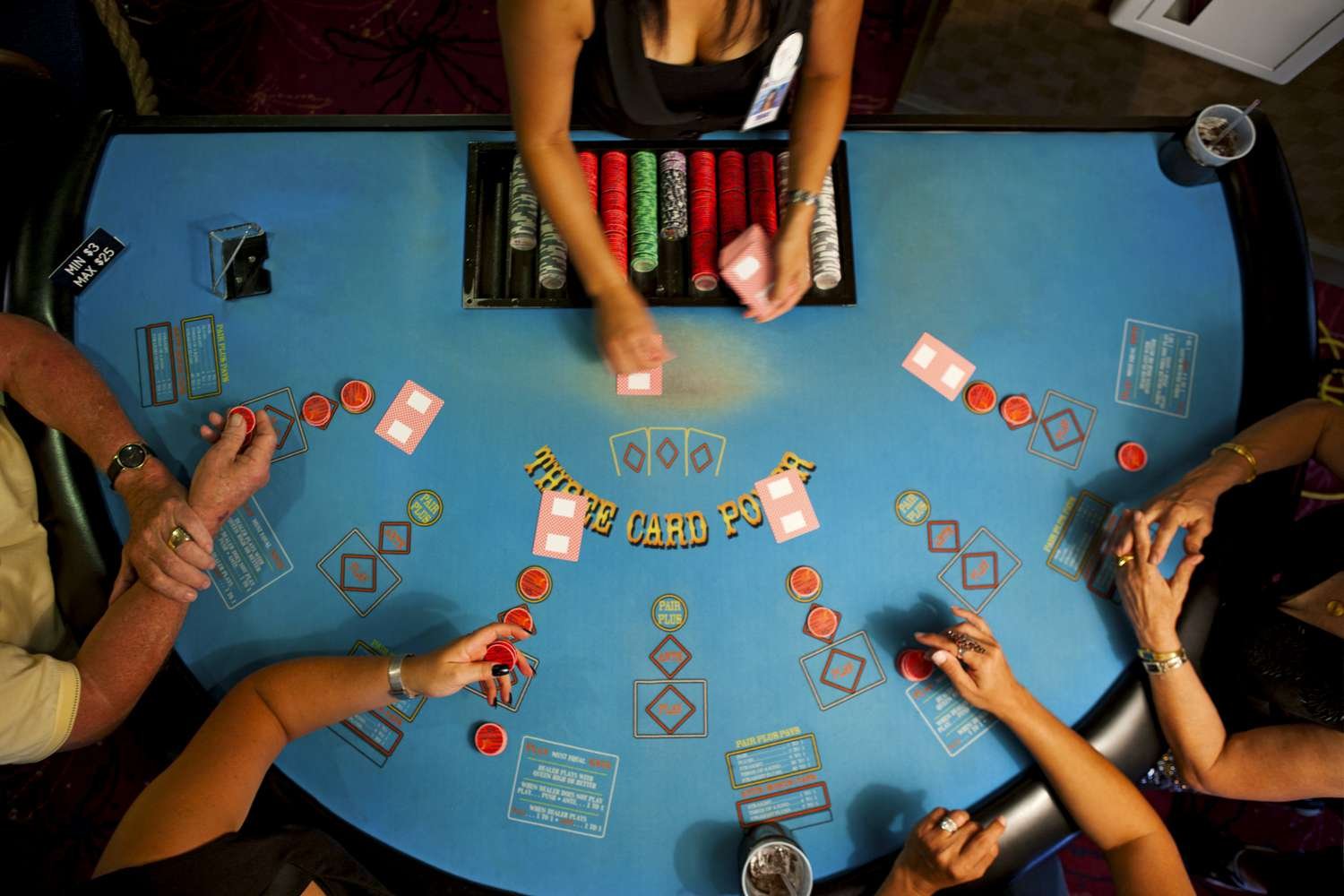
To play poker game in casino, you need to understand hand rankings, betting rules, and the specific variant being played, such as Texas Hold’em, before participating in the game.
Ever wondered about the excitement surrounding the poker tables? Learning how to play poker game in casino can seem daunting, but it’s quite achievable. You’ll find yourself immersed in a world of strategy and calculated risks very quickly.
Understanding basic poker hand rankings, such as a flush beating a straight, is crucial. Then you need to grasp the betting structure used in your chosen variant. Once you get the hang of that, you can confidently take a seat and participate in the game.

How to Play Poker Game in Casino
So, you’re ready to try your hand at poker in a real casino? That’s awesome! It can seem a little intimidating at first, but don’t worry, it’s actually quite fun once you get the hang of it. This guide will walk you through everything you need to know to play poker confidently at the casino.
Understanding the Basics of Casino Poker
Before we dive into the specifics, let’s talk about the basics. Casino poker is different than playing with your friends at home. You’ll be playing against other people, not the house, and a dealer manages the game. The most common type you’ll find is Texas Hold’em, so that’s what we will focus on. The goal is simple: create the best five-card hand using your two private cards and the five community cards on the table.
The Poker Hand Rankings: What Beats What?
Knowing which hand beats which is super important. Here’s a rundown from strongest to weakest, so you can always check:
- Royal Flush: Ace, King, Queen, Jack, and Ten, all of the same suit. (For example, all hearts). This is the best hand.
- Straight Flush: Any five cards in a row, all of the same suit. (Like 5, 6, 7, 8, and 9 of clubs).
- Four of a Kind: Four cards of the same rank. (Like four Kings).
- Full House: Three of one rank and two of another. (Like three 7s and two 4s).
- Flush: Five cards of the same suit, but not in a sequence. (Like five hearts that aren’t in order).
- Straight: Five cards in a row, but not all of the same suit. (Like 4, 5, 6, 7, and 8, mixed suits).
- Three of a Kind: Three cards of the same rank. (Like three Queens).
- Two Pair: Two different pairs. (Like two Jacks and two 5s).
- One Pair: Two cards of the same rank. (Like two 10s).
- High Card: If no one has any of the above, the highest card wins.
Memorizing these will give you a strong foundation for your poker journey. Don’t worry if you don’t remember them all right away; most casinos will have a hand ranking chart available for reference.
Getting Started at the Casino Poker Table
Now, let’s talk about how to actually join a game at a casino.
Finding a Table
When you arrive at the poker room, look for the sign-in desk or a host. They will guide you to a table that fits your skill level and the stakes you want to play. You can often choose between different stake levels, like low stakes, mid-stakes and high-stakes. It’s generally a good idea to start with lower stakes to get comfortable with the environment and the flow of the casino game.
Buying Chips
Once you’re seated, you’ll need to buy chips. You give the dealer cash, and they will exchange it for casino chips of equal value. The denominations and colors of the chips will depend on the specific casino.
The Role of the Dealer
In casino poker, the dealer does not participate in the game. Instead, the dealer manages the table, shuffles and deals the cards, keeps track of the betting, and ensures a smooth game flow. It’s very important to listen to the dealer and follow their instructions to avoid any confusion.
The Flow of a Texas Hold’em Game
Okay, let’s get into the step-by-step of how a hand of Texas Hold’em plays out in the casino:
The Blinds
Before any cards are dealt, two players to the left of the dealer button must place mandatory bets called ‘blinds’. The player immediately to the left of the dealer button posts the ‘small blind’, and the next player places the ‘big blind’, which is usually double the small blind. These force action into the game, preventing everyone from just waiting for a great hand. This rotating button and the blinds are a feature of Texas Hold’em.
Dealing the Hole Cards
Next, each player receives two cards face down. These are your “hole cards” and only you can see them. It is important to keep them hidden from other players and the dealer.
The First Betting Round: Pre-Flop
After the hole cards are dealt, the first betting round begins. Starting with the player to the left of the big blind, each player can do one of the following:
- Fold: Give up your hand and lose any chips you may have put in.
- Call: Match the current bet. For example, if the big blind was $2, you would need to bet $2 to call.
- Raise: Increase the current bet. This forces other players to call the higher amount to stay in the hand or fold.
Betting continues until all active players have had a chance to either call the highest bet, raise further, or fold. Note that if the big blind is raised, he is able to then call, raise, or fold.
The Flop
After the pre-flop betting round, the dealer deals three cards face-up in the middle of the table. These are called the “flop” and they are community cards, meaning all players can use them along with their two hole cards to make a five-card hand.
The Second Betting Round
After the flop, there is a second round of betting. Starting with the player to the left of the dealer button, each player can check (pass on betting if there is no current bet) or bet, call the bet, raise, or fold. Again, betting continues until all remaining players have called the highest bet or folded.
The Turn
Following the second betting round, the dealer deals a fourth community card face-up next to the flop. This card is called the “turn”.
The Third Betting Round
With four community cards now on the table, there’s another round of betting, following the same pattern as the previous rounds. Players check, bet, call, raise, or fold based on the strength of their hand.
The River
The final community card is dealt face-up, known as the “river”. There are now five community cards in play alongside each player’s two hole cards.
The Final Betting Round
This is the final chance to bet. The action proceeds just like the previous betting rounds, starting with the player to the left of the dealer button. Once the betting is completed, the hand goes to a “showdown”.
The Showdown
If more than one player remains at the end of the final betting round, all players reveal their hole cards. The player with the best five-card hand (using any combination of their two hole cards and the five community cards) wins the pot.
Collecting Your Winnings
The dealer pushes the pot to the winner. If there is a tie in hand strength, the pot is split evenly between those players.
Understanding Betting and Hand Play
Knowing when to bet, check, call, raise, or fold is key to poker. Let’s explore this a little more.
Checking
Checking is when you don’t want to bet right now but still want to stay in the hand, if there are no current bets made in the round. You can only check if there hasn’t been a bet in the current round. Checking is often used when you’re unsure of the strength of your hand, or if you want to see if you can get the next card for free.
Betting
Betting is when you put chips into the pot. This is usually done when you think you have a good hand or you are trying to force your opponents to fold. There’s a general etiquette surrounding bet sizing, so generally don’t bet drastically lower, or drastically higher than the typical bet. Also, keep in mind if others are betting often, you might need to be willing to bet frequently as well.
Calling
Calling is when you match the amount that someone else has already bet. This means you want to stay in the hand to see the next card or get to the showdown. If you have a decent hand and you want to see how it stacks up, calling might be your play.
Raising
Raising is increasing the current bet, forcing other players to call the higher amount or fold. This is typically done when you feel confident in the strength of your hand and you want to increase the size of the pot. However, some people also bluff by raising even with a weak hand.
Folding
Folding means you give up on your hand and you don’t want to spend any more money on the round. It’s always better to fold a bad hand instead of losing more money trying to make it work. A fold allows you to wait for better cards before committing to a pot.
Poker Etiquette and Tips for New Players
Before you start playing, here are some quick tips and rules to keep in mind:
- Be Respectful: Be courteous to the other players and the dealer. Don’t talk when someone else is considering their play.
- Be Patient: Poker is a slow game. Don’t rush your decisions, and don’t get frustrated when things don’t go your way.
- Keep an Eye on Your Cards: Always make sure you know where your cards are, and keep them hidden from others.
- Avoid Slow Rolling: Slow rolling is a way of trying to trick or be cruel to the other players, by waiting until the last possible minute to show a very strong hand that you had from earlier.
- Learn the Rules: Be familiar with the rules of the game and the specific casino rules.
- Manage Your Bankroll: Only play with what you can afford to lose. Don’t go in with too much money, and try not to go over your bankroll.
- Be Observant: Watch your opponents. This can give you a clue on how they are playing.
- Don’t Be Afraid To Fold: Folding is part of the game. You will lose your money quickly if you don’t fold, when you should.
- Have Fun! Poker should be enjoyable. If you’re not having fun, it might be a good idea to stop playing for a while.
Understanding Different Poker Variations
While Texas Hold’em is the most common form of poker in casinos, there are other popular variants that you might encounter. These variations have slightly different rules, but the basic hand rankings will usually apply. Some of these popular variations include:
Omaha
Omaha is quite similar to Texas Hold’em, but the biggest difference is that each player is dealt four hole cards instead of two. However, at the showdown, players can only use two of these hole cards with three of the five community cards to make the strongest five-card hand. It also usually has a higher minimum raise than the big blind, so the action tends to happen quickly in Omaha games.
Seven-Card Stud
In Seven-Card Stud, each player is dealt two cards face down, and one face up. There is then a number of betting rounds, and more cards are dealt face up and face down each round. The player with the strongest five-card hand from their own seven cards, wins.
Razz
Razz is a low-ball version of poker, where the lowest hand wins. It’s also very similar to Seven-Card Stud, but players are trying to make the lowest possible hand, and flushes and straights do not count against the hand. This is a very different type of game from Texas Hold’em, where the highest hand wins, and it can be a lot of fun to play.
Furthering Your Skills
Poker is a game where you are always learning. There are countless books, articles, videos, and other materials that will help you improve at poker. Some ways to improve at poker are:
Practice
Practice makes perfect! The more you play, the better you’ll get at poker. It will help to improve your understanding of the hands, and the way the betting goes. It also helps with reading your opponents and understanding the flow of the game.
Study
Watch other people playing, read some articles, or watch some poker videos online. All of these can help your overall poker knowledge, and allow you to improve your game.
Join Online Poker Games
Many online poker sites offer low-stakes games. These games can be a great, comfortable way to practice and improve your game without the pressure of a casino environment.
Analyze Your Games
After each game, try to analyze your actions and whether they were the right decisions. You can even ask other poker players what they think, as long as they are not trying to give you bad advice on purpose.
Playing poker in a casino is an exciting experience, but it’s best to go in with some knowledge. Take your time, ask questions if you need to, and remember to have fun. With a little patience and practice, you’ll be playing like a pro in no time!
How to Play Poker for Beginners | PokerStars Learn
Final Thoughts
To summarize, learn the basic hand rankings. Understand betting rounds like pre-flop, flop, turn, and river. Pay attention to the community cards that are shared.
Practice good bankroll management which helps you play longer. Remember to observe your opponents to understand their playing style. You should know how to play poker game in casino.
Finally, be patient and don’t chase losses. Practice often improves your game. Enjoy learning this very popular card game.

