
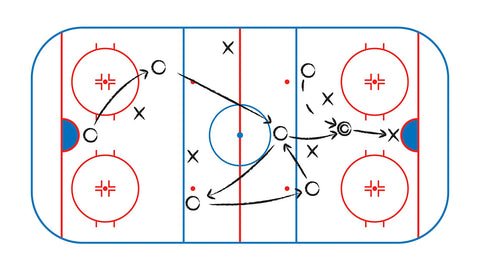
There are three periods in a standard hockey game.
Ever wondered about the structure of a hockey match? The fast-paced action and strategic plays might leave you curious about its core elements. One common question that pops up is: how many periods to a hockey game?
Understanding the game’s timeline can enhance your viewing experience. It helps you follow the flow of the game and anticipate key moments. So, let’s delve into the standard format.

How Many Periods to a Hockey Game?
Let’s dive deep into the exciting world of hockey and answer a question that’s fundamental to understanding the game: how many periods are there in a hockey game? The answer might seem simple, but there’s more to it than just a number. We’ll explore the standard game structure, the rules that govern it, and even how things can change in special situations. So, grab your skates, or maybe just a comfy chair, and let’s get started!
The Standard Hockey Game Structure
A typical hockey game, at most levels, is divided into three main parts, called periods. Each of these periods is 20 minutes long, but we’ll talk about why the total game time often ends up being longer than an hour a little later. These periods aren’t just random breaks, they are carefully designed to allow for players to rest, change strategies, and for the excitement to build up throughout the game.
The Length of a Period
As I mentioned before, each period is 20 minutes of actual playing time. This means that if the clock stops because of a penalty, a puck going out of bounds, or other stoppages, the clock is stopped too, and game clock only counts down when the action is happening on the ice. This 20-minute duration is a standard across most professional leagues and major amateur leagues, ensuring consistency and fairness.
Intermissions Between Periods
After each 20-minute period is finished, there is a break called an intermission. This is a time for players to go back to the locker room, rest, rehydrate, and listen to their coaches for adjustments to their game plan. Usually, the first and second intermissions are 15 to 17 minutes long. During this break, you might see some arena entertainment, like mini games or special presentations on the big screen for the crowd. It helps keep the energy high while the teams gear up for the next period.
Why Are There Three Periods?
So, why three periods instead of two or four? It’s a good question. The three-period format creates a natural rhythm for the game. It allows for enough time for players to strategize, for the momentum to shift multiple times, and for fans to witness a full range of emotions. This number balances the physical demands on the athletes with the need for an engaging spectator experience. Each period is a fresh start, offering teams a new chance to compete and fans the opportunity to see shifts in play. It keeps every match exciting.
Understanding Game Time and Clock Management
It is important to know that although each period is 20 minutes long, a game’s total time can be much longer than 60 minutes. This is because of all the stops during the action.
Stop Time vs. Running Time
In most professional and high-level hockey, the clock stops every time there’s a stoppage in play. This includes things like penalties, icings, and when the puck goes out of play, or even a timeout. This ensures that the 20-minute period only counts the time the puck is in play. This method, which ensures 20 minutes of true playing time, is sometimes referred to as “stop time”.
However, in certain lower-level leagues, some kids’ leagues, or recreational play, they might use a “running time” format. In this version, the clock only stops for very specific reasons, such as injuries or timeouts, as agreed before by the teams involved. This makes the games shorter and more focused on learning and fun.
Factors That Affect Game Duration
Many different reasons can make a hockey game last much longer than the scheduled time. Here are a few:
- Penalties: When a player commits a penalty, the game stops, and play is only resumed after the player’s penalty time. This stops the clock and adds to the length of game.
- Icing: When a player shoots the puck from behind their own blue line and it travels all the way to the other team’s goal line without being touched, it’s called icing. This causes a stop in play to face-off in their own defensive zone.
- Puck out of play: If the puck goes out of the rink, a play stops and the clock stops until the face-off happens.
- Injuries: If a player gets injured, play stops immediately until the player receives attention.
- Timeouts: Each team is allowed one timeout per game. When a team calls a timeout, the clock stops, and this affects the total time of the game.
Overtime: What Happens When the Score is Tied?
Sometimes, even after three full periods, the score remains tied. In this case, we go to overtime. Overtime is an extra period of play that determines the winner of the match. The rules for overtime can vary quite a bit, depending on the league or tournament.
Overtime in the NHL
In the National Hockey League (NHL), the regular-season overtime format is a five-minute, 3-on-3 sudden-death period. This means the first team that scores in this period wins the game. If no one scores within the five-minute period, the game goes to a shootout. In the playoffs, the overtime rules are different, with 20-minute, 5-on-5 sudden-death periods played until one team scores.
Other Overtime Formats
Different leagues will have different overtime rules. Sometimes, overtime is 5-on-5 and will continue until someone scores. Other times it could be just a shorter period of time, or it could also go to a shootout if no one scores during the extra play.
The Shootout
If the overtime period does not produce a winner, in some leagues (like the NHL regular season), there’s a shootout. The shootout involves each team picking three players to take penalty shots. The team that scores the most penalty shots wins the game. If there is still a tie after three rounds, then the teams select players in a round robin style format until there is a goal by one of the teams and other team fails to score. The shootout is always very exciting for fans, as it is high stakes and fun to watch.
Variations in Period Lengths and Rules
While the standard three-period, 20-minute format is common, there are some variations you might encounter. These are particularly true in younger age groups, or even in some international competitions.
Youth Hockey
In youth hockey leagues, the length of the periods is often shorter to accommodate the players’ physical abilities and shorter attention spans. You will often see period lengths of 10, 12, or 15 minutes rather than the full 20 minutes. This allows for younger players to learn the game and enjoy playing without being too tired.
International Hockey
In international hockey tournaments, like the Olympics or the World Championships, the period structure usually aligns with NHL standards, but there can be slight variations on overtime rules, and rules about stoppages. It’s important to know the specific rules of the event before watching.
Other Leagues
Different leagues around the world, such as those in Europe or other professional leagues in North America, may have slight differences in rules and period structure. For the most part, they will all be very similar, with three periods as a standard for most leagues.
Why These Rules Matter
The rules about the length and number of periods, stoppages in play, and overtime are not random. They create fairness and give the best experience to the fans and the players. The rules help with:
- Fairness: The rules are the same for all teams, so every team has the same opportunity to win the game.
- Player safety: The rules on stoppages and the ability for a team to have a break help the players rest, which is important for player safety.
- Entertainment: The format with three periods with breaks helps keep the fans engaged and excited to watch the game.
- Strategic play: The different periods help a coach plan and adapt to how the game is progressing.
So next time you watch a hockey game, remember the three 20-minute periods aren’t just random numbers. They’re part of a system created to balance fair play, player safety, and overall excitement. From the intensity of each 20-minute battle to the tension of sudden-death overtime, the structure of a hockey game is fundamental to what makes the sport so captivating for all.
How Many Periods In Ice Hockey? (Explained)
Final Thoughts
A standard hockey game features three periods of 20 minutes each. These periods are the main segments where the action unfolds. There are intermissions between each period. These breaks allow players to rest and regroup.
Knowing how many periods to a hockey game is fundamental. This helps to understand the flow and timing of the sport. Each period brings its own unique dynamic. This makes the game exciting to watch.

