
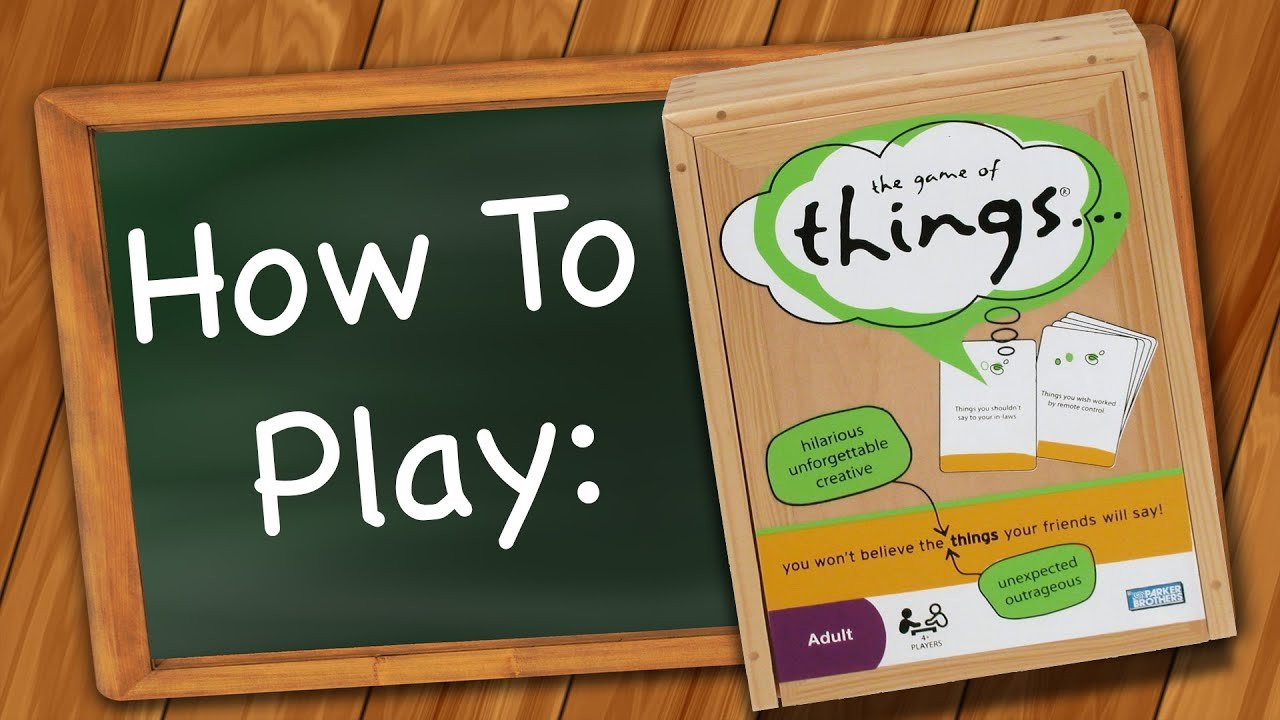
How to play the game of things involves writing down a response to a given topic or prompt, then guessing which player wrote which answer.
Ever sat around with friends, wanting a game that sparks laughter and reveals hidden quirks? “The Game of Things” does just that. It’s simple to learn but offers endless entertainment. This game tests your wit and your ability to predict what others might say.
You’ll need paper, pens, and a topic or prompt. The game’s charm lies in its straightforward structure. Knowing how to play the game of things will bring your group together in surprising ways.

How to Play the Game of Things: A Complete Guide
The Game of Things is a super fun party game that’s all about creativity and thinking outside the box. It’s perfect for family game nights, get-togethers with friends, or even a classroom activity. The basic idea is simple: someone reads a topic card, and everyone else writes down an answer they think fits. Then, you guess who wrote what! It’s a hilarious way to see how your friends think and often leads to some seriously funny answers. Ready to learn how to play? Let’s dive in!
Gathering Your Crew and Supplies
Before you start, you’ll need a few things and some eager players. This is where you get all set up for an amazing game session. It’s super easy, so don’t worry!
What you’ll need:
- Game of Things cards: These cards have the different topics. The official game comes with cards, but you can also make your own which we will cover later.
- Paper or small notepads: Everyone needs something to write their answers on. Small pads or even pieces of paper work great.
- Pens or Pencils: So you can write down those wonderful answers!
- A way to track scores (optional): If you are playing to win, grab a sheet of paper to track scores.
- At least 3 players: While you can play with fewer, 4 or more makes it more fun.
The Basics: How The Game Works
The core of the game is super simple to understand. Here’s how it usually goes:
Round By Round
- Pick a Reader: One person starts as the reader. This person picks a card and reads the topic aloud.
- Answer Time: Everyone else writes down an answer that fits the topic on a piece of paper. The key here is to try to come up with answers that aren’t too obvious but still seem plausible.
- Fold and Pass: Once everyone has written their answer, they fold their paper and give it to the reader.
- Shuffle and Read: The reader collects all the papers, shuffles them up, and reads each answer out loud.
- Guessing Game: For each answer, everyone tries to guess who wrote it.
- Reveal and Score: After everyone has guessed, the writer of the answer is revealed, and points are awarded if the guess was correct.
- Next Round: Play moves on to the next person as the reader, and everyone continues the game.
Diving Deeper into the Gameplay
While the basics are easy, there are a few tricks and details that can make the game even better. Let’s take a closer look:
Understanding the Role of the Reader
The reader plays a key role, and here’s why:
- Topic Selection: The reader chooses the topic, which is their chance to bring out the best prompts.
- Answer Management: They make sure the answers are all jumbled up before reading.
- Making the Game Fun: They read the answers with enthusiasm, setting the tone for the game.
Crafting Good Answers
This is where the strategy comes in. Think of it like this:
- Be Creative: Try to come up with an answer that isn’t the first thing someone would think of. The goal is to be tricky.
- Be Specific: A vague answer can be hard to guess. Aim for specificity if it fits the topic.
- Know Your Audience: Consider what your friends or family might write. If everyone knows you love pizza, don’t pick ‘pizza’ for a topic like ‘something I can’t live without’. Instead, think of a unique pizza topping.
The Guessing Process
The guessing part can be quite tactical. Here are some thoughts about it:
- Think Like Your Friends: Use what you know about people’s personalities. Do they like to be silly or more serious?
- Listen Closely: Some answers might have clues in the way they are written or the language someone might use.
- Be Observant: Watch the people’s reactions when answers are read aloud. Someone might give themselves away!
Scoring Variations
While there are standard ways of tracking score in the official game of things, you can always make up your own rules! Here are common ways of scoring.
- Standard Scoring: Award points for correctly guessing who wrote each answer. Often, you get one point per correct guess.
- Bonus Points: You can award bonus points for an answer that’s super funny, really creative, or a guess that was surprisingly clever.
- Custom Scores: Try changing the point values for different things!
Making Your Own Game of Things Cards
This is where the real fun starts! Making your own cards can keep the game fresh and very personal to your group. It’s surprisingly easy, and it adds a whole new layer of fun to the game.
Steps to Create Your Custom Cards
- Brainstorming Topics: Think of things that everyone in your group would find funny. Inside jokes, common situations, silly scenarios – these are all fair game.
- Categories to Use: You could create themes! Like “Things that annoy me,” “Things I would take to a desert island,” or “Things that make me laugh,”.
- Write Them Down: Use index cards, small pieces of paper, or even a digital document to write out each of your topics. Make sure they are readable!
- Test it Out: Before playing with a large group, try out a few of your new cards with a smaller group and see if they are good or if they need to be revised.
Tips for Great Custom Topics
- Keep it Broad: Don’t make topics too specific. You want to give people room to get creative!
- Think About Your Audience: Customize topics to the people you are playing with. Make it fun and interesting for your friends.
- Mix it Up: Have a good mix of easy and hard prompts to keep everyone on their toes.
Variations on the Game of Things
Want to add a different twist to the game? Here are some creative variations you can try.
Team Play
Instead of playing individually, form teams. Each team works together to write one answer, and they try to guess which team wrote which answer. This changes the game dynamic! It encourages teamwork and communication.
Silent Play
Try a round where no one can talk during the guessing. You can only use body language to indicate your guess. This can lead to a lot of laughs!
Speed Rounds
Add a timer, so each player has only a short time to come up with a prompt and an answer. This makes the game fast and furious. It can also lead to even sillier answers!
Theme Nights
Play a round with a specific theme, like a holiday or a movie genre. Change your topics to match the theme, for example, a Halloween theme may include “Things that scare me” or “Things I want to see on Halloween night.”
The Game of Things: A Game For Everyone
The real beauty of the Game of Things is that anyone can enjoy it. You don’t need any special skills, and it’s easy to learn. It’s perfect for:
- Family Game Nights: It’s a great way to get the family together.
- Parties: It’s a great icebreaker at parties.
- Classrooms: Teachers love it to help with creative writing exercises.
- Online Gatherings: You can play virtually using online tools and video chat.
Strategies to Win
Want to be the champion of the Game of Things? Here are some strategies for success.
Crafting Winning Answers
- Subtle Humor: Don’t go too wild right away. Build your answer with a touch of humor.
- Misdirection: Try to write something that doesn’t exactly match what people would expect from you.
- Pay Attention: See how others are writing to learn how to write better answers.
Winning the Guessing Game
- Read Between the Lines: Think beyond the words. What does the tone suggest?
- Play the Odds: Sometimes a common answer is a good guess.
- Take Risks: Don’t be afraid to guess something surprising.
The Power of Play
Beyond being a great party game, the Game of Things has some great benefits. Here is why it is good for you:
- Creativity: It encourages creative thinking and coming up with silly answers.
- Communication: You’ll learn to communicate your thoughts and ideas better.
- Fun and Laughter: It creates a fun and engaging atmosphere.
- Social Skills: It promotes social interaction and making new connections.
So there you have it – a thorough exploration of how to play the Game of Things! Whether you are using official cards, making up your own, or changing the rules to suit your group, remember the most important thing is to have fun. It’s a fantastic game that gets people laughing, thinking, and connecting. So gather your friends and family, get those pens and papers ready, and prepare for some hilarious moments. This is a game that keeps on giving, with new jokes and funny stories to create each time you play.
How to play The Game of Things
Final Thoughts
To play, one person reads a category. Everyone else writes down an item that fits. The reader then collects and shuffles the answers. Guess whose answer is whose. The must goal is guessing correctly.
Scores get added for right guesses. Each round changes the category and reader. This simple format makes it fun.
This is ultimately how to play the game of things. Play with friends, laugh lots, and enjoy the silliness.

