
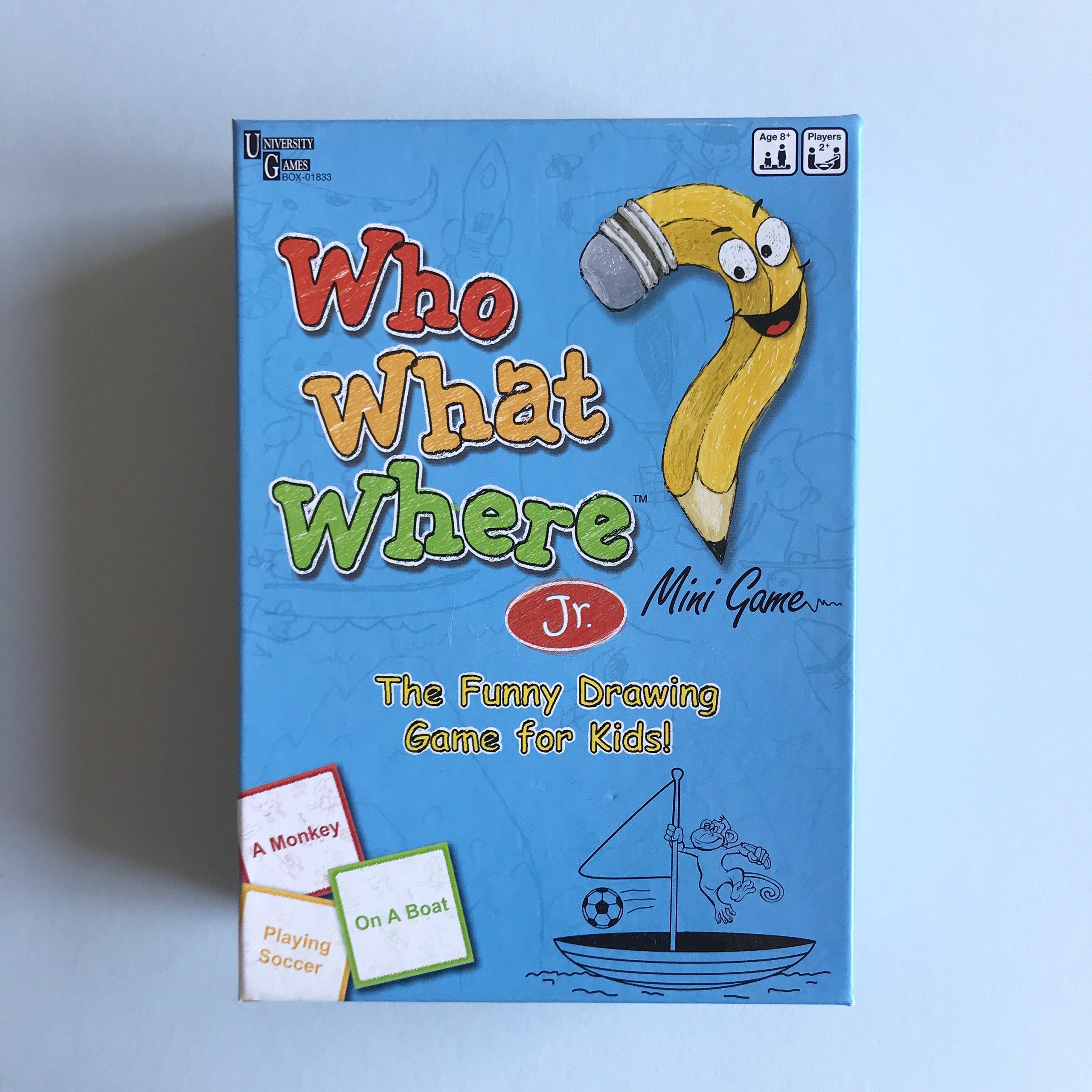
The “who what where game” is a simple activity where players ask questions to guess a person, object, and location.
Ever found yourself needing a quick, engaging activity? The “who what where game” provides just that. It’s a flexible, fun pastime suitable for many ages.
This game helps boost critical thinking and communication. Players will need to ask smart questions to deduce the answers. You can even adapt it to fit various themes.

The Wonderful World of the Who What Where Game
Have you ever played a game that makes you laugh, think creatively, and learn new things, all at the same time? That’s the magic of the “Who What Where” game! This super fun activity is perfect for parties, road trips, family nights, or even just a quiet afternoon when you’re feeling a little bored. It’s a game that bends to your imagination, and there are so many ways you can play. So, let’s dive into the details and explore all the fantastic facets of this engaging game!
Understanding the Basics
At its core, the “Who What Where” game is about crafting a story or scenario using three key elements: a Who, a What, and a Where. These elements are usually written down separately, often on slips of paper, and then mixed up. When you pick one from each category, you create a funny or unexpected phrase, which can be a sentence or a prompt for a story. Let’s break down each of these elements to understand them a little better.
The “Who” Element
The “Who” part of the game involves characters. These can be anything you can imagine! You can use real people, such as your teacher or a famous singer, or you can create your own wacky characters like a dancing pickle or a grumpy cloud. The more imaginative the characters, the more hilarious the game becomes! Here are some examples of “Who” categories:
- People:
- Your best friend
- A superhero
- A grumpy grandpa
- Animals:
- A talking cat
- A dancing bear
- A sneaky fox
- Fictional Characters:
- A space pirate
- A friendly monster
- A wizard
The “What” Element
The “What” part of the game describes an action or situation. It’s what the character from the “Who” category is doing. This can be silly, surprising, or completely normal. The idea is to make it work with the “Who” and “Where” to create something interesting. Here are some “What” examples:
- Actions:
- Eating a giant sandwich
- Flying a kite
- Solving a mystery
- Situations:
- Giving a concert
- Going on a treasure hunt
- Having a tea party
- Funny verbs:
- Wiggling their toes
- Singing loudly
- Doing a silly dance
The “Where” Element
The “Where” part of the game is all about the setting. It’s where the action from the “What” category is taking place. This can be a real place, like the park or the beach, or it can be a make-believe place, like a castle in the clouds or a secret underground laboratory. Let’s explore some options:
- Real Places:
- The school playground
- The grocery store
- The movie theater
- Imaginary Places:
- A candy land
- On the moon
- Inside a giant book
- Funny Locations:
- A bathtub full of jelly
- A giant’s pocket
- A shoe shop
How to Play the Game
Now that we understand the basic elements, let’s see how you can actually play the game! There are a few different ways to enjoy it, and you can even adjust it to suit your group and the level of fun you want to achieve.
The Classic Method: Slips of Paper
This is the most common way to play the “Who What Where” game. Here’s a simple step-by-step guide:
- Prepare the Slips: Grab some paper and cut it into small pieces. On separate pieces, write down your “Who,” “What,” and “Where” ideas, making sure to keep each category separate. For example, one pile of paper will contain all your “Who” options, and so on.
- Separate and Mix: Now, separate the piles into three different containers, like a bowl or a hat. Shuffle each category to mix them up nicely.
- Pick One from Each: Have each person pick one slip of paper from each container, without peeking!
- Create the Phrase: Now read your three slips aloud in order: “Who,” then “What,” then “Where.” This will give you your phrase or mini-scenario for the game.
- Have Fun! : Share your phrases, laugh, and come up with more. you can also act out your phrases, draw pictures, or make up short stories based on them.
Example: Let’s say you pick “A dancing dog” for your “Who,” “Eating a giant sandwich” for your “What,” and “On the moon” for your “Where.” Your phrase becomes: “A dancing dog eating a giant sandwich on the moon!”
The Storytelling Version
This version takes the game one step further, adding storytelling to the mix. Once you have your “Who What Where” phrase, instead of just reading it aloud, you can tell a story that incorporates all the elements. This is a fantastic way to boost your imagination and creativity. Here’s how to play:
- Follow the Classic Steps: Start by following the steps described in the classic method.
- Share Your Phrase: After picking the slips, share your phrase with the group.
- Tell Your Story: Take turns making up a short story based on the phrase. Let your imagination run wild! Add funny characters, interesting challenges, and exciting adventures.
Example: Using our previous example phrase, “A dancing dog eating a giant sandwich on the moon,” you might start your story like this: “Once upon a time, there was a very talented dancing dog named Sparky. One day, Sparky decided to take a trip to the moon. Once he arrived, he was surprised to find a gigantic sandwich floating in the air. Sparky, being a hungry dog, decided to eat it, while continuing his dance…”
The Collaborative Storytelling Variation
This version is great for a larger group or a classroom setting. Instead of each person telling a story individually, everyone contributes to one story collaboratively.
- Follow Classic Steps: Prepare and select the “Who What Where” elements as in the classic method.
- Set the Stage: Pick a person to start. The first person starts the story with the phrase they picked.
- Keep It Going: Then, other players take turns adding to the story, building on what has already been said. Each person adds only one or two sentences.
Example: Continuing with “A dancing dog eating a giant sandwich on the moon,” one person may start: “Sparky, the dancing dog, loved to show off his moves, but that day he was more interested in what appeared in the moon’s orbit. ” Then the next person may continue: “It was a sandwich larger than any building. The sandwich was made from the moon rock.” and the story goes on.
Benefits of Playing the Who What Where Game
The “Who What Where” game isn’t just fun; it also provides lots of educational and developmental benefits for people of all ages. It can improve thinking skills and can be enjoyed by everyone. Let’s take a look at some of its advantages:
Enhancing Creativity and Imagination
One of the most fantastic things about this game is how it boosts creativity. Combining unexpected elements together helps people to think in new ways and imagine possibilities. Each time you play, you are creating new and original situations. This is great for building imagination, which is an important skill in many areas of life, such as creative writing, art, and problem solving.
Developing Storytelling Skills
The storytelling versions of the game are particularly helpful for improving storytelling abilities. By having to craft a narrative that combines the “Who,” “What,” and “Where” elements, people get practice in building plots, developing characters, and creating engaging narratives. This is very useful for language arts and helps people get better at expressing themselves through words.
Expanding Vocabulary
When playing the game, children learn new words and phrases. They might encounter new names, actions, and places they had not thought about before. This can build their vocabulary. Playing this game can also spark curiosity about new topics, which is helpful for learning and language skills.
Improving Problem-Solving Skills
The collaborative storytelling version especially helps with problem solving. By adding to a story in a meaningful way, people must think about how to connect their ideas with what has already been said. They must also come up with solutions within a made-up situation. This strengthens their problem-solving and critical thinking abilities in a fun setting.
Boosting Communication Skills
Sharing ideas, explaining stories, and listening to others are important parts of playing the “Who What Where” game. Whether telling a story or just sharing the phrases, people get a lot of practice in verbal communication. This can be very beneficial for social interaction and builds confidence in expressing thoughts and ideas.
Encouraging Teamwork
The collaborative story telling is fantastic for creating a teamwork atmosphere. You work together to create a story and the game promotes active participation and gives a fun environment for collaborative work. By taking turns, listening, and supporting each other, players build a sense of community and learn how to work together successfully.
Adaptable for All Ages
The “Who What Where” game is very flexible. You can easily change the difficulty of the words to fit different age groups. For younger children, you can use simpler words and situations. Older children and adults can use more complicated words and build complex stories. This adaptability makes the game a great family activity that everyone can enjoy.
Tips for Making the Game More Exciting
Want to add some extra excitement to your “Who What Where” game sessions? Here are a few helpful tips:
- Use Funny and Unusual Words: Include silly characters, strange actions, and unusual places to make the game more hilarious.
- Use Visuals: Draw your characters or places. This adds a visual dimension to the game.
- Add Props: Use items around you as props when acting out the stories. This makes it more interactive.
- Incorporate Themes: Choose a specific theme for your game night, like superheroes, animals, or fairy tales. This will make the game more cohesive.
- Play it in different settings: Play the game in different settings, like on a picnic or on a long car ride, to make it more fun and memorable.
- Record it: Record the stories using a device. It will be great to listen later.
Variations for Different Groups
The basic “Who What Where” game is super adaptable, and you can easily tweak it to suit different groups and interests. Here are some specific variations you might enjoy:
For Younger Children
When playing with younger kids, you can use simpler words and shorter phrases. Focus on everyday actions and familiar places, as it helps them relate with the game more easily. Use pictures instead of words on the paper slips. The focus should be on having fun and building basic vocabulary.
For Older Children
For older children, make the words more interesting by adding difficult and complex ones. Encourage them to tell more elaborate stories. The focus should be on creativity and making a fun narrative, and they can also use this opportunity to improve on their storytelling skills.
For Adults
Adults can enjoy the game by adding more sophisticated humor and complex situations. The storytelling element becomes more advanced. You can make it more enjoyable by adding funny situations and using inside jokes. The adults can use it as a way to relax and have some fun time with their friends and family.
For Classroom Settings
This game is perfect for group activities and classroom settings. You can divide students into small groups and have them create the elements on paper slips. The students can use this game to practice writing, creative storytelling, and team work.
“Who What Where” Game – A Versatile Tool
The “Who What Where” game is more than just a simple game; it’s a fantastic method to boost your imagination and learning skills. It is a wonderful game for everyone of all ages. The game is adaptable, and that is what makes it so fun and usable in different settings. Whether you are looking for a fun activity to do with your friends, family, or students, the “Who What Where” game is a great choice for a long time entertainment.
The game encourages you to think creatively, improve communication, and expand your vocabulary and storytelling skills. This is very useful in the real world, where clear communication and critical thinking are important. So next time when you’re feeling bored, try out the “Who What Where” game! You’ll find that it’s a funny, versatile, and very easy way to have fun, learn something, and create hilarious memories.
Board game Who What Where University Games
Final Thoughts
The ‘who what where game’ proves a simple yet effective method for exploring narrative. This game helps to create stories by defining character, action, and setting. It sparks imagination and builds storytelling skills.
Playing this game provides a fun framework for any creative endeavor. You must use it to generate ideas quickly and efficiently. Consider the possibilities when you structure your next narrative with this game.

