
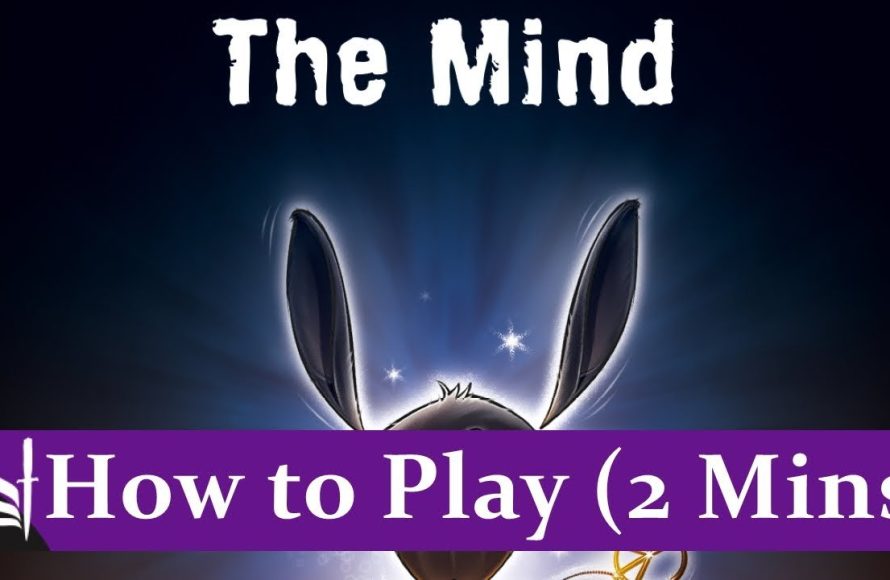
To play the mind card game, players cooperate to discard cards in ascending numerical order without communicating the value of their individual hands.
Have you ever wondered how to play the mind card game? It’s a cooperative card game that tests your intuition and teamwork skills. The goal isn’t to compete against each other, instead, everyone aims to work together.
The challenge lies in discarding cards sequentially. Players can’t reveal their hands, so you must predict the timing of other player’s actions. Playing ‘the mind’ requires a unique kind of connection.

How to Play The Mind Card Game
Alright, let’s dive into the fascinating world of The Mind! This isn’t your typical card game where you compete against others. In The Mind, you work with your fellow players to reach a common goal. It’s a test of focus, intuition, and sometimes, just plain luck! If you’ve ever wanted to try something different from the usual card games, The Mind is perfect for you. The Mind game doesn’t involve talking, making strategies, or anything like that. It’s all about the timing and using your gut feelings.
The Basic Setup
Before we start playing, it’s essential to get things organized. Here’s how you prepare for a game of The Mind:
The Deck
The Mind uses a special deck of cards numbered from 1 to 100. These aren’t your standard playing cards. They’re purely for sequencing and cooperation. Make sure you have all 100 cards accounted for. Give them a good shuffle to ensure they are mixed up.
Dealing the Cards
The number of cards you deal to each player depends on the level you are playing. In the first round, each player receives one card. In the second round, two cards are dealt to each player, in the third round each player receives 3 cards and so on. This number increases each round to make the game harder as you progress. Don’t peek at anyone’s cards! Each player should keep their cards hidden from everyone else until the right time.
The Goal
The main goal in The Mind is to play all of your cards in ascending order, from the lowest number to the highest. It’s important to note that all players contribute to this goal at the same time. And there’s a twist – no one can talk or give any hints about their cards!
How the Game Works
So, how do you play a game where nobody can talk? That’s the magical part of The Mind! Here’s a step-by-step breakdown:
Starting a Round
Once everyone has their cards, the round begins. It can feel a little awkward at first, but everyone will begin to feel the group dynamic. Remember, you can’t discuss your cards with each other! Everyone has to rely on a shared understanding of when to play their cards.
Playing Cards
The key to The Mind is playing cards from lowest to highest, together as a team. There isn’t a specific player turn. Anyone can play a card at any time, if they think it’s the right moment. There isn’t a physical playing area for the cards; they are simply placed down on a central surface where everyone can see them. There is no turn order, the game simply goes on until players have exhausted their deck. Remember, if somebody plays a card that’s lower than a previous card played, the game penalizes you.
The Penalty
If someone plays a card and it’s lower than any of the previously played cards, the round is stopped. This means the game has detected a miscommunication between players. It means the team as a whole didn’t play the cards in sequence. It is necessary that all of the played cards go from lowest to highest. When the penalty occurs, each player loses one “life” and the cards that have been played, up until the failed move, are set aside. The round begins again from that point. Each game is different because the card order changes every game. Remember, the higher levels require more cards. This makes it much harder to make sure your cards are played in the correct order.
Level Progression
If the team successfully plays all of the cards in the round without any errors, they move on to the next level. As the levels progress, each player receives one more card each round. This escalates the difficulty and requires more coordination and timing from the team. Here’s a table to show how the game progresses:
| Level | Cards Per Player |
|---|---|
| 1 | 1 |
| 2 | 2 |
| 3 | 3 |
| 4 | 4 |
| 5 | 5 |
And so on. The game will continue until the team lose all of their lives. The main aim of the game is to reach level 12. It’s a real challenge and tests the players in very interesting ways.
Lives and Shurikens
At the start of the game, the team receives a set number of lives (typically three). When someone plays a card out of order, the team loses a life. If you lose all your lives, the game ends. The number of lives the team gets is based on the number of people playing. The team also starts with ‘shurikens.’ At any time during the game, any player can raise their hand to use a ‘shuriken’. When a shuriken is played, all players place their lowest card face down in the middle of the playing area. These cards are then discarded, and the game resumes as normal. These shurikens are very useful, and can help the team progress through each level. Here’s an example of the lives and shurikens at the start of the game, based on player count.
| Players | Lives | Shurikens |
|---|---|---|
| 2 | 2 | 1 |
| 3 | 3 | 1 |
| 4 | 4 | 1 |
The maximum player count is four. Every player works as one team to reach the end of the game.
Tips for Playing The Mind
The Mind is not your average card game. It takes some time to adjust and learn how it works, even though the rules are quite straightforward. It’s more about feeling than strategy. Here are some tips that can help your team improve:
Observe Your Teammates
Pay close attention to how your teammates are acting. Are they hesitant? Do they seem ready to play? Non-verbal communication is key in The Mind. Since no talking is allowed, you must rely on each other’s body language and overall rhythm. The better you understand each other, the easier the game will become.
Find the Right Rhythm
This game is all about finding the shared rhythm with your team. This means that you need to understand how each player operates. Everyone will play at their own timing. You can try to match your timing to theirs. You’ll see how well it works with each level you play. You can try to go faster or slower depending on how well it’s going.
Patience Is Key
Don’t rush! Sometimes, it’s better to wait a little longer if you’re unsure. Playing cards too soon can cause penalties and waste lives. It’s better to wait than make the wrong move. Be patient and play cards only when you truly think it’s the right time.
Trust Your Gut
There are no right or wrong choices. Often, your gut feeling will guide you in this game. This is the entire essence of The Mind. It’s about understanding the silence. If you feel that it’s time to play, then it might just be. The longer you play the game, the more you’ll feel what timing is the right timing.
Learn From Mistakes
Mistakes are part of the learning process. Don’t get disheartened by playing cards out of order. Use each penalty as an opportunity to learn and improve. It takes time to understand how The Mind works, so don’t worry if it’s not perfect right away. Learn from each round and try to do better in the next.
Experiment
Try different strategies during your games. See what works best for your group. Every group plays in a different way. Perhaps some players need to play faster, or some need to play slower. Perhaps some players need to observe a little more before acting. Try everything and see what style works best. There are many ways to progress through the game. Feel free to experiment.
Practice Makes Perfect
The more you play, the better you’ll become at The Mind. It’s all about getting used to the feeling and flow of the game. The more your team practices, the better your rhythm will become. It also helps each player become more synchronized. Each player will learn their individual role within the team dynamic.
Why The Mind is Unique
The Mind is not like other card games you might have played. Here’s why it stands out:
It’s Cooperative
Unlike many games where players are competing against each other, The Mind promotes teamwork and communication through silence. It’s an excellent way to bond with others as a group. It encourages patience and understanding of others.
It Tests Intuition
This game isn’t about logic and strategy. Instead, it’s about intuition, timing, and trusting your instincts. It’s a different way of thinking and can be very rewarding.
It’s Simple to Learn but Hard to Master
The rules of The Mind are easy to learn. However, playing it well is challenging. This makes it a game that you can come back to again and again.
It’s a Fun Social Experience
Playing The Mind is a great way to spend time with friends and family. It’s a different type of social game that doesn’t involve talking. The silence can create some memorable and funny moments.
The Mind is a unique card game that offers a fresh and different way to enjoy playing. Its simple rules and complex gameplay make it a fun experience that can be enjoyed by anyone, from beginner card players to those with more experience. If you try this game with friends and family, you’ll enjoy a different gaming experience.
The Mind is more than just a card game; it’s an experience. It’s a chance to connect with people on a different level and to explore the power of shared intuition. So, grab a deck, gather your friends, and see how far you can go in this intriguing adventure!
How to Play The Mind
Final Thoughts
To play The Mind card game, players must collaborate silently to discard cards in ascending order. Each player receives a hand, and the level dictates the number of cards. The key is to feel the collective rhythm without talking, predicting when to place your card.
Players must focus on the subtle pauses and body language of others. It’s a game of intuition, timing and shared awareness. Successfully discarding all cards wins the level, moving you to the next.
This unique challenge, focused on nonverbal communication, is how to play the mind card game. Teamwork and a little bit of mind reading will give you the victory.

