
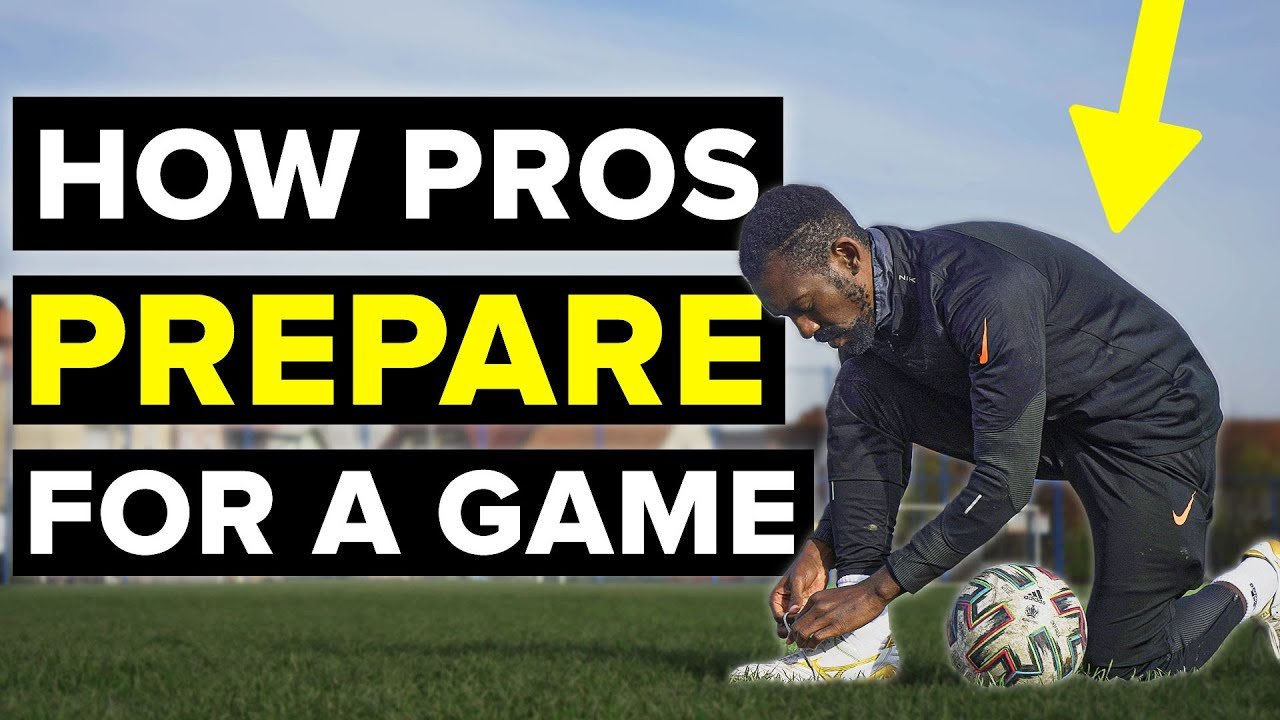
Preparing for a football game involves physical conditioning through workouts and drills, reviewing game strategies, ensuring proper nutrition and hydration, and getting adequate rest.
Game day is approaching, and the excitement is building. Are you wondering how to prepare for a football game so you can perform your best? It’s not just about showing up, but about the focused preparation beforehand.
Proper preparation ensures you’re ready for anything the game throws your way. Think about your physical condition, your mental game, and your overall wellbeing. Let’s get you ready to make an impact.

How to Prepare for a Football Game
Getting ready for a football game isn’t just about showing up on the field. It’s about making sure your body and mind are ready to play your best. Whether you’re a star quarterback, a speedy wide receiver, or a key member of the defense, proper preparation is what separates a good game from a great one. It’s like building with blocks; if you have a solid base, you can build something amazing. Let’s break down exactly what you need to do to get ready for game day.
Physical Preparation: Fueling Your Body
Think of your body as a car. You wouldn’t put the wrong fuel in a car and expect it to run great, right? The same goes for your body. What you eat and drink before a game is super important. It gives you the energy you need to run, jump, and tackle. Let’s dive into the details of nutrition and hydration.
The Importance of Pre-Game Nutrition
What you eat before a game can really affect how well you play. You need food that gives you energy that lasts, not a quick sugar rush that fades away. Avoid heavy, greasy foods that can make you feel sluggish. Instead, focus on foods rich in carbohydrates. Think of carbs as the fuel for your muscles.
- Carbohydrates: These are your main source of energy. Good choices include:
- Whole-wheat pasta
- Brown rice
- Oatmeal
- Whole-wheat bread
- Fruits like bananas and apples
- Protein: Protein helps build and repair your muscles. It is crucial for recovery. Here are some good sources:
- Lean meats like chicken or turkey
- Eggs
- Beans and lentils
- Tofu
- Healthy Fats: Good fats help your body absorb vitamins and keep you feeling full. You could try:
- Avocado
- Nuts
- Seeds
Try to eat a balanced meal about 3-4 hours before the game. This gives your body enough time to digest the food and turn it into energy. Don’t try any new foods right before the game as it may upset your stomach. It’s best to stick to what you are used to eating.
Hydration is Key
Water is your best friend on game day. Staying properly hydrated is as important as your training. When you sweat, you lose fluids, so you need to replenish them. Dehydration can cause cramps, fatigue, and make it harder to focus. That’s a big problem when you are trying to make the game winning touchdown!
- Drink Plenty of Water: Start drinking water the day before your game and continue drinking throughout the day of the game.
- Avoid sugary drinks: Sugary drinks like soda can actually make you more dehydrated. It is better to stick with water or a sports drink. Sports drinks are beneficial because they help to replace the lost electrolytes.
- Sip, Don’t Gulp: Don’t drink a lot of water all at once. Instead, take small sips regularly.
Keep a water bottle with you and drink from it often. It’s a simple way to stay on top of your game. Proper hydration helps with everything from your energy to your decision-making on the field.
Mental Preparation: Getting Your Head in the Game
Football isn’t just a physical game; it’s also a mental one. Being mentally prepared is just as important as being physically ready. It’s all about controlling your focus, managing stress, and having the right attitude. You need to be calm, confident, and ready to go!
Visualization Techniques
Have you ever heard of someone saying, “See it to believe it?” That is how visualization works. It means picturing yourself doing well during the game. Imagine yourself catching that pass, making a great tackle, or scoring a touchdown. The goal is to feel how your muscles feel as you are doing those actions. The best part is you can do this anywhere.
- Find a quiet space: Close your eyes and relax.
- Imagine success: Picture yourself playing your best and imagine what that feels like.
- Use all your senses: What do you see, hear, and feel in your mind when you have success in the game?
This exercise can make you feel more confident and help you perform better because you have already experienced success in your mind.
Managing Pre-Game Anxiety
It’s normal to feel nervous or anxious before a game. But letting those nerves take over can hurt your performance. Learning to manage pre-game jitters is a huge step. One simple way to manage pre-game jitters is to understand where they are coming from.
- Deep breathing exercises: Taking slow, deep breaths can calm your mind and relax your body. Try inhaling through your nose for four counts, hold for four counts, and exhale through your mouth for four counts. Repeat a few times until you feel more relaxed.
- Positive self-talk: Talk to yourself like you would talk to a good friend. Remind yourself of your skills and past successes. Say things like, “I’ve got this,” or, “I’m prepared and ready to play well.”
- Focus on what you can control: Don’t worry about things you can’t control, like the weather or the other team. Instead, focus on your own performance and doing your best.
- Listen to music: Listening to music, especially upbeat music, can be a great way to keep your energy and focus up.
The Power of Focus
It’s easy to get distracted during a game. A player might be thinking about the crowd or something they did earlier that they are now thinking about. When you let distractions take hold, you lose sight of the game, which leads to mistakes. Training yourself to focus can improve your game.
- Stay Present: Focus on the current play. Don’t dwell on past mistakes or worry about future outcomes.
- Block out distractions: Try to tune out the noise from the crowd and other players. Put all of your focus on what is in front of you.
- Concentrate on your task: When you have a specific job to do, focus on doing that job very well.
Practical Preparations: Getting Ready to Play
Okay, now let’s talk about all the practical stuff you need to do before the game. This part is all about making sure you have everything you need, your gear is good, and you are physically warmed up to avoid injuries.
Gear Check: Making Sure You Have Everything
Imagine showing up to the game and realizing you don’t have your helmet or your shoes are too small. That could be a nightmare. Having a checklist will avoid such situations and help with preparing. Here’s what to check.
- Helmet: Make sure it fits properly and that the chin strap is secure.
- Pads: Ensure your shoulder pads, knee pads, and any other protective gear are in good condition and fit correctly.
- Cleats: Make sure your cleats are comfortable and have good traction.
- Jersey and Pants: Ensure they are the correct size and you have all the necessary parts of your uniform.
- Mouthguard: Don’t forget to bring a clean mouthguard.
- Water Bottle: A full water bottle will help keep you hydrated.
The day before the game, lay all your gear out so it’s easy to grab on game day. It’s best to have a gear check with your coach to make sure you have what you need. Having all the gear you need will help you relax, stay focused, and start on time.
Proper Warm-Up Routine
Warming up is just like stretching the rubber band on a catapult. You will want that band loose so it does not snap before you launch your item. Warming up your muscles gets them ready for the intense activity of a game and makes you less likely to get hurt.
- Light Cardio: Start with a light jog or some jumping jacks. This will get your blood flowing and increase your heart rate.
- Dynamic Stretching: Focus on movements like arm circles, leg swings, and torso twists. Dynamic stretches are stretches you do while moving.
- Sport-Specific Drills: Practice some drills that are relevant to your position. For example, a quarterback might throw a few short passes, while a running back might do some agility drills.
- Cool Down: After the game, do some light stretching to help your muscles recover.
A good warm-up routine should take about 15 to 20 minutes. It will help to prevent injuries and get your body ready for game time. Skipping this step is like trying to run a race without stretching first. If you don’t prepare your muscles, it can increase your chances of an injury.
Teamwork and Communication
Football is a team sport. You are part of a team, so working well together can make the game fun. The more you work as a team, the better the results will be.
Pre-Game Team Meetings
Before the game, teams often have meetings to discuss game plans and make sure everyone is on the same page. These meetings are a time to make sure you understand your role and how you are going to work with the rest of your teammates.
- Review the game plan: Make sure you know the plays and your assignments.
- Ask questions: If you are unsure about anything, don’t hesitate to ask your coach or teammates for clarification.
- Encourage each other: A positive team atmosphere can really help. Encourage your teammates and stay positive.
Communication During the Game
During the game, clear and effective communication is key. You need to be able to communicate with your teammates quickly and accurately. It’s how you stay in sync with the other players.
- Use signals: Learn the signals used by your team for different plays.
- Talk to each other: Talk to your teammates during plays. Let them know what you see and what you need.
- Listen to your coach: Pay attention to the coach’s instructions from the sidelines.
Remember, a team that communicates well is a team that plays well together. If you can communicate effectively, you can really step up your game. It is important to remember, there is no ‘I’ in team.
The Day Before: Setting the Stage
Preparation for game day begins long before the kickoff. You will want to make sure you are set up for success. Taking time to prepare the day before can make a big difference in how you feel and perform on game day. It is the first step to having a successful game.
Rest and Relaxation
Getting enough rest the day before a game is important. Being tired can hurt your performance. Make sure you go to bed early and try to get about 8-10 hours of sleep. You need to give your body time to recharge.
- Stick to a regular sleep schedule: Try to go to bed and wake up at the same time, even on weekends.
- Create a relaxing bedtime routine: This might include reading a book, listening to calming music, or taking a warm bath.
- Avoid screens before bed: The blue light from screens can make it hard to fall asleep. It is best to put them away at least an hour before bedtime.
Preparing Your Meals
It is best to make sure you are all set for food on game day. Plan out your meals and snacks in advance. It will be easier to just eat when you have all of your meals and snacks planned.
- Meal planning: Think about what you will eat for dinner the night before, and what you will eat on game day. Make sure you include plenty of those good carbs.
- Pack your snacks: Pack some healthy snacks, like fruits, nuts, or protein bars. Keep them handy in your bag for quick energy.
- Avoid junk food: You will want to avoid sugary and processed snacks. Stick to whole foods.
Planning and organizing your meals will make game day less stressful and ensure your body is fueled up for action. You will not have to stress about finding snacks and meals, and that will help you stay focused on the game.
Light Activity
Don’t spend the whole day resting on the couch. You need to make sure your muscles are still loose and ready to go. Here are a few ways to stay active the day before the game without overdoing it.
- Take a walk: A short walk can help keep your muscles loose without tiring you out.
- Light stretching: Do some gentle stretches to keep your muscles flexible.
- Avoid intense workouts: You will not want to do any intense workouts or play another sport. Save that energy for the game the next day.
Keeping your body active will help you feel more prepared for the game and keep your muscles loose. You are going to want to be at peak performance on game day so you can play your best. Keeping active will help you achieve that goal.
By taking care of all these little things, you set yourself up for a much better game day. Remember, it’s not just about what you do on the field, but also what you do before you even get there. Every little bit counts!
Preparing for a football game is a lot like preparing for a test at school. You can’t wait until the last minute to study, and you can’t wait until the last minute to prepare. It takes time and dedication. When you take the time to prepare properly, you’re not only improving your performance but also showing respect for yourself, your team, and the game itself. Follow these tips, and you will be ready to show up and perform at your best!
How to PREPARE for YOUR FOOTBALL GAME
Final Thoughts
Proper nutrition and hydration are must before a match. Get enough sleep the night before. Arrive early to warm up correctly.
Mental preparation, like visualizing success, is also vital. Stick to your pre-game routine, too. Knowing how to prepare for a football game includes both physical and mental aspects.
Concentrate on your role on the field. Focus and you will perform your best.

