
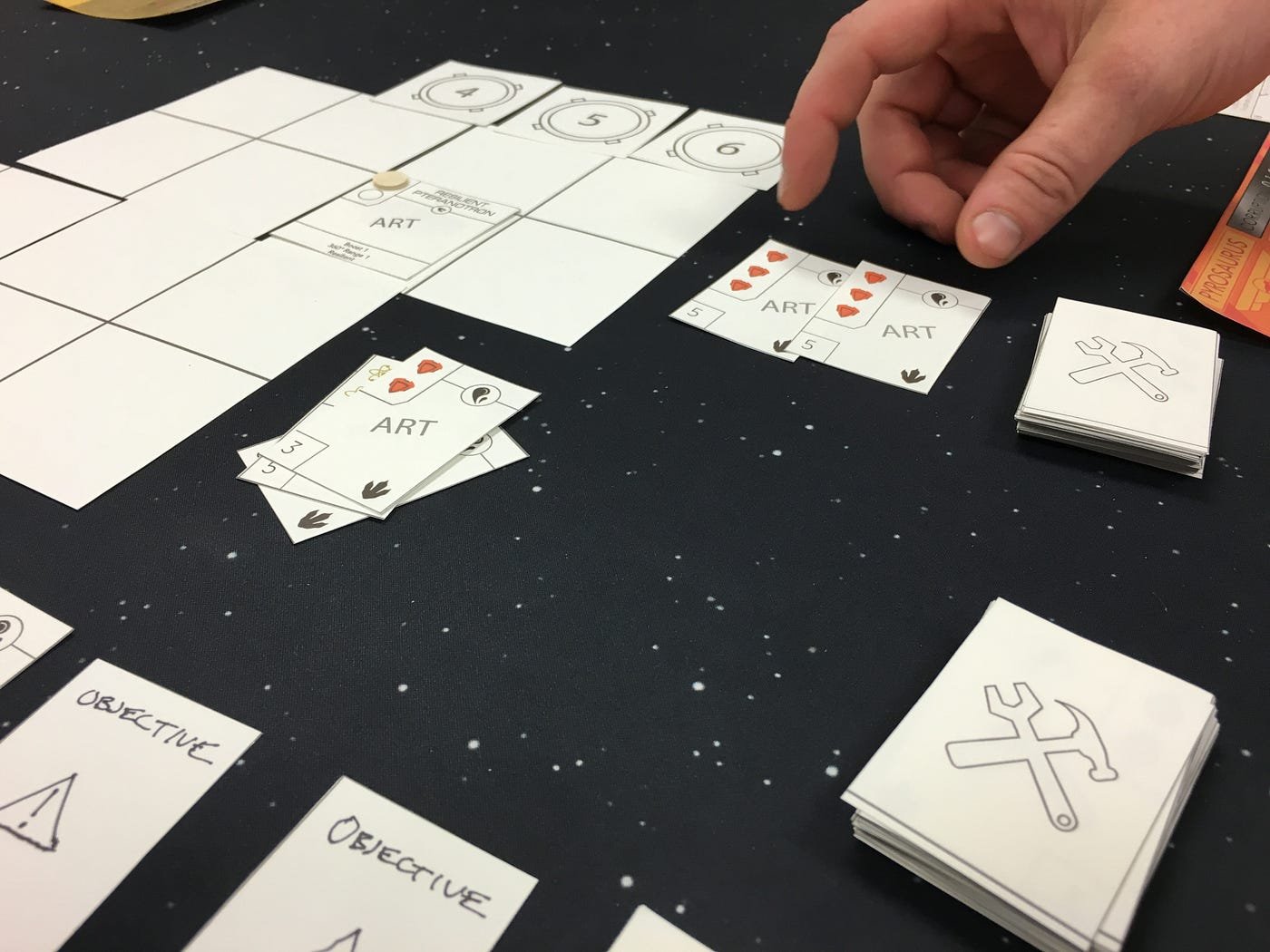
Prototyping a card game involves creating a basic version with simple materials like paper or index cards to test core mechanics before investing in final designs.
Have you ever had an amazing card game idea swirling in your mind? It’s exciting, isn’t it? But how do you actually take that idea and make it playable? That’s where learning how to prototype a card game comes in. This process allows you to test your concepts quickly.
You don’t need fancy equipment to start. Simply using easily accessible resources lets you refine your game’s rules and identify potential issues early on. It’s all about iteration and playtesting.

How to Prototype a Card Game
So, you’ve got a fantastic idea for a card game bubbling in your brain? That’s awesome! But before you start printing thousands of cards, it’s important to test your game and make sure it’s actually fun. That’s where prototyping comes in. Think of it like building a rough draft of your game. You’re not aiming for perfection yet, just a playable version that you can experiment with. This process will help you find problems, tweak rules, and ultimately make a better game. Let’s dive into how to make this happen.
The Importance of Prototyping
Why bother with prototyping? Well, it’s like trying out a recipe before making a huge cake for a party. You want to be sure it tastes good first, right? Prototyping a card game lets you:
- Catch Mistakes Early: It’s much easier to change a rule on paper than after you’ve printed hundreds of cards.
- Test Game Balance: Does one card make someone way too powerful? Prototyping helps you find those imbalances.
- Refine Gameplay: See if the mechanics you planned actually feel fun and engaging during a real game.
- Save Time and Money: Fixing problems now saves you from costly printing mistakes down the line.
- Get Feedback: You can have friends play your prototype and get their valuable ideas.
Simply put, prototyping is your secret weapon for creating a fantastic card game. It’s a necessary step to make sure your game is ready for the world.
Phase 1: The Paper Prototype
The easiest and cheapest way to start prototyping is with paper. You don’t need anything fancy! Just some paper, pens or pencils, and maybe some dice if your game needs them. Here’s how to get started with your paper prototype:
Designing Your Cards
First, grab some index cards or cut up pieces of paper into card shapes. On these, you will write or draw what your cards will look like. Don’t worry about making them perfect; focus on the essential information. Think about what elements each card needs to have:
- Name: What is the card called?
- Type: Is it a creature, an action, an item, etc.?
- Cost: Does it cost anything to play?
- Abilities: What does the card do? Be clear and concise.
- Stats: (If applicable) Things like attack, defense, or health.
- Image/Art: For the prototype, a quick doodle will do, don’t spend time perfecting the drawing. You can use words as substitute.
Use abbreviations and symbols to save space and time. For example, use “ATK” for attack, “DEF” for defense, and “HP” for health. Write down every detail you will want in the card, to ensure your prototype is thorough. You might want to give each type of card different color, it can greatly help in quickly distinguishing them on the table.
Writing Down the Rules
Next, write down the rules of your game. Be as clear as possible! Think of it as a instruction manual for someone who has never seen your game before. Explain:
- Objective: How do you win the game?
- Setup: How do you get the game ready to play?
- Turns: What does each player do on their turn?
- Card Usage: How are the cards played? What do they do?
- Special Rules: Any other important rules that you need to include.
Keep it simple at first. You can add more rules later if needed. Write down all the rules on one or two pieces of paper, so everyone can easily refer to them during the playtesting.
Setting Up Your First Playtest
Now you’re ready for the first playtest. This first playtest is just for yourself, you need to play it alone and see how it feels and how the rules affect the game. Try to play at least two times alone, in different ways. You can pretend to be multiple players and play the game. After a few rounds of solitaire testing, grab some friends or family who are up for trying a new game. Make sure they understand that it’s just a prototype and might have issues.
Playing the Game
During the playtest, you should:
- Take Notes: Write down everything that happens, anything confusing, or any rule that seems unfair.
- Observe Closely: How do players interact with the cards? What choices are they making?
- Listen to Feedback: Ask players what they liked and disliked, and what was confusing for them.
Remember, you’re not trying to win. You’re trying to learn. Be flexible and ready to change things as you go. If something doesn’t work, change it right away and then play again.
Phase 2: Digital Prototypes
Once you’ve played through your paper prototype several times, and have changed the rules and mechanics and have a better idea about how you want your game to be, it’s time to move to a digital prototype. This can be as basic as using a word processor or as advanced as using dedicated game design software. Digital prototyping has advantages, like ease of changing and keeping track of your changes.
Using a Word Processor or Spreadsheet
You can use programs like Microsoft Word, Google Docs, or Google Sheets to create a basic digital prototype. This is good if you only want to keep track of card data and text. Use the following techniques to make it easier to manage your digital prototype:
- Card Templates: Create a table or use text boxes to represent your cards. Put all the information into the respective fields.
- Game Rules: Write down your rules in clear sections with headings. This is helpful for keeping track of the rules and making changes as needed.
- Keeping track of changes: Take the benefits of revision history, so you can track changes, when making them. It will be helpful if something goes wrong.
This is a good way to see how the cards will interact with each other, and if the numbers are balanced. This will allow you to track the changes you made and revert to previous versions, if something went wrong.
Using Online Tools
There are a number of online tools that are designed to help you prototype card games. These tools are often more complex than just using a word processor, but they also have many more features to help you. Some popular tools are:
- Tabletop Simulator: This tool allows you to create 3D models of your cards and then play the game online with other people. It’s more visual and lets you test the game in a simulated environment.
- Component.Studio: A good tool for generating card assets and managing card data.
- Squib: A scripting tool that lets you generate card images from data in CSV or JSON formats.
These tools may have a learning curve, but they offer a very close experience to the final printed game. They can also automate some parts of the prototyping process. These will help you get a good idea how your game feels.
Phase 3: Refining Your Prototype
After using digital prototypes, you should be ready to refine your game. Now you should have played your game with several people, and had plenty of feedback. Now it’s time to incorporate that feedback and make the game even better. The refinements you need to make will depend on the feedback you got, but here are a few things you should consider:
Card Balancing
Are some cards too strong or too weak? Check the numbers carefully and make adjustments. If one card completely defeats all the opponents, it is too powerful. Check if some cards are always overlooked, if that is the case they are likely too weak, and need to be changed. You need to make sure there is a good balance between the cards and every card has its own purpose.
Rules Clarity
Make sure your rules are clear and easy to understand. If people get confused, rewrite the rules to make them clearer. If there are a lot of questions and confusion surrounding one rule, it may be a sign that you need to rethink it or make it more understandable.
Gameplay Flow
Does the game have a good flow? Does it have exciting moments? Adjust the mechanics so they keep the players engaged. Make sure there are not too much long waiting times between turns. Make sure there are many opportunities to make exciting plays that involve a lot of choices.
Iterative Process
Prototyping is not a one-time task. It’s a loop. You test, you learn, you change, and then you test again. Don’t be afraid to keep changing the rules until you make it perfect. Never stop seeking feedback, it is one of the most valuable tools during game development. Do not be afraid to make drastic changes to your game, even if it means making changes to some fundamental mechanics.
Getting Feedback
Feedback from others is crucial for the prototyping phase. Here are ways to get it:
Playtesting With Friends
Your friends and family will be the first people that try your game, ask them what they think. Be open and ask them to give you their honest opinions, both good and bad. Try to see what they do when they play, what their choices are, and if they are excited. Sometimes just observing people can tell you more than their words.
Online Communities
There are many online groups and forums where you can share your game and get feedback. Don’t be shy about sharing your ideas with others. Sometimes someone else can see something that you may overlook. These people are experienced in many card games, and have a good eye for good or bad mechanics, and may have a lot of suggestions you didn’t consider.
Game Design Conventions
Attending game design conventions can help you find others who are interested in helping and giving feedback, and may help you find many people that are willing to play your game and give a valuable opinion.
Tips for Effective Prototyping
- Start Simple: Don’t make your prototype too complicated. Focus on the core elements of your game and then build upon them.
- Be Flexible: Be willing to change things, even if you thought they were perfect at first.
- Take Breaks: If you’re feeling burned out, take a break and come back with fresh eyes.
- Document Everything: Keep a record of your changes and the feedback you received. This will help you see how your game has evolved and can be valuable when you come back to the prototype later.
- Have Fun: Prototyping should be a fun process. Enjoy creating something new!
By following these steps, you can create an effective prototype of your card game and ensure you’re creating something fun that people will enjoy. Remember, it’s all about testing, learning, and iterating, so embrace the process and keep working toward that awesome card game that is in your head!
How to make your own card game in 2024
Final Thoughts
Start with simple paper cards and quickly test core mechanics. Iterate based on playtesting feedback, refining card effects and rules. Focus on functionality over fancy art at this stage; your aim is to make it playable and balanced. This is key to understand how to prototype a card game effectively.
Always prioritize quick, inexpensive methods. Playing with basic versions lets you catch flaws early. Don’t be afraid to make big changes; flexibility is vital during the initial development. The early stage should focus on the core function of the game.

