
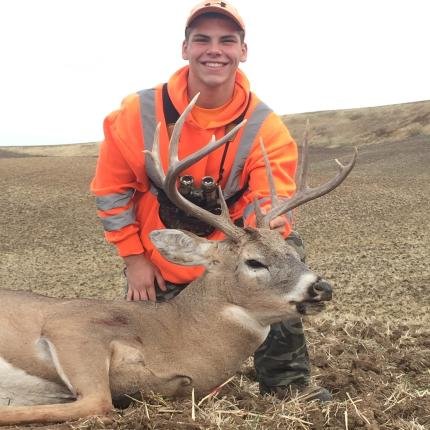
The cost of a big game hunting license varies greatly depending on the state, species hunted, and residency status.
Planning a big game hunt? A key question on every hunter’s mind is, how much is a big game hunting license? The price isn’t fixed; it shifts based on many factors. Different states have different rules and fees.
The specific animal you want to hunt will also impact the license cost. Think about whether you’re a resident or an out-of-state hunter, this impacts pricing too. Be sure to do thorough research!

How Much is a Big Game Hunting License?
Figuring out the cost of a big game hunting license can feel like solving a puzzle. It’s not just one price; it changes based on many things. Let’s explore what makes up the final price and how you can get the information you need. This guide breaks down all the details, so you can get prepared for your hunting trip without any surprise costs. We’ll look at the different types of licenses, where you plan to hunt, and who you are, because these all play big roles.
Understanding the Basics of Big Game Hunting Licenses
Before we dive into the costs, let’s cover what a big game hunting license actually is. This isn’t just a piece of paper; it’s your official permission slip to hunt animals like deer, elk, bear, and moose. Think of it like a fishing license, but for the land. Without it, you could face big fines and penalties. Hunting licenses are essential for wildlife management and conservation, ensuring populations of animals remain healthy for years to come. The money from license sales often goes back into wildlife protection efforts.
Why are Hunting Licenses Necessary?
Hunting licenses are vital for several reasons:
- Conservation: License fees help fund conservation programs, protect habitats, and maintain animal populations.
- Regulation: Licenses help control how many animals hunters can take, stopping overhunting.
- Safety: Hunters are often required to take a hunter safety course to get a license, which makes hunting safer for everyone.
- Funding: The money collected helps pay for research, wildlife management, and habitat improvements.
Factors Influencing the Cost of a Hunting License
The price of your big game hunting license isn’t set in stone. Several key factors influence the final amount you’ll pay. Let’s look into each of them carefully.
Residency Status: Resident vs. Non-Resident Fees
One of the biggest price differences comes from where you live. If you’re a resident of the state where you’re hunting, you’ll almost always pay less than someone who lives in another state (a non-resident). Think of it like in-state versus out-of-state tuition for college. Resident licenses are usually much cheaper because state hunting license revenues often support local wildlife management programs.
For example, let’s imagine a deer hunting license. A resident might pay $30, while a non-resident could pay $300 or even more for the same privilege in the same state. These differences are not just about making money. They help the state support its residents’ hunting activities and encourage people to be good stewards of their own local lands and wildlife. States usually have detailed definitions for residency, including how long you’ve lived there and where you pay taxes, so it’s good to check that out before applying.
Table Example: A comparison of average costs.
| State | License Type | Resident Cost | Non-Resident Cost |
|---|---|---|---|
| Wyoming | Deer License | $40 | $300 |
| Colorado | Elk License | $65 | $650 |
| Montana | Bear License | $25 | $350 |
Type of Animal You’re Hunting
The kind of animal you want to hunt plays a big part in how much you pay for a tag or license. Hunting a common animal, like a deer, will usually cost less than hunting for a more rare or highly sought-after animal, like a bull elk or a bighorn sheep. The cost difference reflects both the demand for certain hunting opportunities and the specific management efforts involved with these species. Some states also have lotteries or drawings for certain types of hunting licenses, which may add to the overall cost.
For instance, a deer tag may be around $20-$50 for residents, but an elk or moose tag could easily reach several hundred dollars, even for a resident. If you’re chasing after trophy animals like mountain goats or bighorn sheep, expect to pay even more, sometimes thousands of dollars. These higher costs come because there are fewer of these animals available and the hunting opportunities are carefully managed. The state also wants to ensure these animals remain for future generations to enjoy, either by hunting them or by just watching them.
Specific Hunting Zones or Areas
Many states divide their hunting lands into zones or specific areas. Some of these zones may be more popular or have more animals, which often means those tags are more expensive, especially if there’s high demand. Think of it like a hotel room with a view. The more attractive areas cost more to hunt. Some areas might have limited hunting tags that are assigned through a draw system. This can affect the price, and you may have to wait several years to get a tag in a high demand area.
For example, an area with many mature, trophy-size elk is likely going to have a higher price tag than a zone with a lower animal population. These zones can also have different rules about when you can hunt, what type of weapon is allowed, and how many animals you can take. It’s important to research the specific regulations in each zone before you apply for a hunting license.
Age and Hunter Education
Younger hunters and those who have not completed hunter education might have different license costs. Some states offer discounted youth hunting licenses to get younger people involved in hunting. These can make it cheaper and more inviting for young hunters to join. Many states also need you to complete a hunter education course before you can get your first license. If you haven’t completed this course yet, you might have to pay additional fees for the training and certification.
These hunter education courses teach essential skills, such as firearm safety, hunting regulations, and respect for wildlife. Successfully completing these courses not only makes you a safer hunter, but it also often qualifies you for a cheaper license. States use these courses to make sure hunters are properly trained and knowledgeable. This helps ensure that hunting stays safe and responsible for all.
Additional Tags and Stamps
You might not just need a license to hunt. You also might need additional tags and stamps depending on the animals you intend to hunt and the areas you will be hunting in. These extras can add to the total cost. For example, if you want to hunt both deer and turkey, you’ll need separate tags for each animal. Waterfowl hunters usually need to buy a federal duck stamp in addition to state license and stamp.
Each tag is usually attached to a particular animal and can’t be used for other animals. This helps track the harvest and make sure that wildlife populations stay healthy. Stamps, on the other hand, are often needed to hunt in particular areas, like areas that are designed for waterfowl or if you are planning on using special hunting tools. It’s necessary to know what’s needed before you go hunting so you don’t have problems with the law.
Navigating the Application Process
Now that you understand what impacts the cost, let’s explore how to actually get a hunting license. The process can seem complex, but usually, it’s pretty straightforward once you understand what steps to follow.
Online Applications vs. Physical Locations
Most states now provide online portals where you can apply for hunting licenses. Applying online is usually quicker and easier, and you can do it from the comfort of your home. You’ll often need to create an account and have some form of payment, such as credit card or debit card. Some states, especially for non-residents, have draw lotteries where you must apply to get a license.
However, you can still go to physical locations like authorized license vendors or the state wildlife agency office to get a license. The application process is usually the same, but you might need to bring more paperwork, depending on the state. If you are unsure about anything, a physical location could be a good option because you can get all your questions answered from the people working there.
Required Documentation
When you apply for a hunting license, you’ll need to have certain documents ready. Here’s a rundown of what’s typically required:
- Proof of Residency: This may include a driver’s license, state ID, or utility bill.
- Hunter Education Certificate: If you’re a new hunter, you need to show that you’ve completed a hunter education course.
- Previous Hunting License: Some states will ask for your previous license to confirm your history.
- Social Security Number: Some states ask for this information.
It’s always good to have these documents ready and accessible before you begin applying, so you can avoid any delays or problems.
Tips for Saving Money on Big Game Hunting Licenses
Hunting can be an expensive hobby, but there are ways you can reduce the costs associated with big game licenses.
Apply Early for Draw Hunts
Many states have a drawing process for high demand tags and hunts, and you may have to apply early to have the chance to receive a permit to hunt those animals or in certain areas. Planning ahead and applying early increases your chances of getting a tag while also avoiding late fees that can be assessed. Sometimes, if you apply early, you might receive a cheaper application fee.
Consider Hunting During the Off-Season
Some states offer reduced prices for hunting licenses during less popular times of the year, such as after the prime season is over. You could also look at hunting during the week because these times tend to be less popular.
Look for Discounted Youth or Senior Licenses
If you’re a young hunter or a senior, look into if your state offers any discounted or reduced price licenses. These discounts could provide big savings on hunting licenses.
Buddy Up
If you can hunt with a friend or family member, you can share many costs. Camping, gas, and supplies can all be split to save money. Plus, it’s usually more fun to have someone to share those hunting experiences with.
Understanding the Legal Aspects of Big Game Hunting
It’s not just about getting a license, it’s about being a responsible hunter. There are many rules and laws that you have to know before you go hunting. Understanding these laws is vital for ethical hunting practices and avoiding any legal trouble.
Regulations on Harvest Limits
Each state has clear rules about how many animals you can harvest in a season. These limits are in place to keep wildlife populations healthy. For example, you may only be allowed to hunt one buck (male) deer, or you may only be allowed to hunt a certain amount of does (female). Each state is different, so it is important to understand your state’s regulations.
Permitted Hunting Zones
Not all land is open to hunting, and it is imperative to hunt in your designated hunting zones. There are usually detailed maps showing where you can legally hunt and where private land is. Hunting on private land without permission is illegal.
Weapon Restrictions
States also have specific restrictions about the type of weapons you can use, such as the type of gun, caliber, and other types of permitted equipment. Make sure you are using weapons permitted in your area, or you may receive a fine or other penalty.
Reporting Your Harvest
Many states require that you report your harvest, whether you’re successful or not. They may also require you to get the animal checked in at a designated check station or by a conservation officer. This information helps them manage the wildlife populations and keep accurate records of harvest in the state.
The Role of Hunting in Conservation
While some may believe that hunting is harmful to animals, the fact is that hunting, when done correctly and legally, plays a big part in keeping wildlife populations healthy and strong. Hunting license fees help provide money to support conservation efforts.
Funding for Wildlife Management
License fees and the money raised by the sale of hunting licenses help state wildlife agencies pay for conservation projects, habitat protection, and species research. This money is critical for ensuring wildlife remains for future generations.
Controlling Overpopulation
Hunting also helps to control the overpopulation of specific animals. Overpopulation can damage ecosystems, cause disease to spread, and lead to an increase in car accidents involving animals. Regulated hunting helps balance populations, keeping the ecosystem healthy.
Promoting Habitat Preservation
Hunting also motivates people to protect habitats. If hunters don’t have good places to hunt, then they can’t pursue their favorite hunting activities. Hunters have been important in the creation of national forests and wildlife reserves over the years.
Understanding the full scope of costs associated with a big game hunting license is important for any hunter. From residency status to the type of animal you hunt, the costs can vary substantially. By carefully researching and planning, you can make the most of your hunting experience while also supporting crucial conservation efforts. So, make sure you always check with the relevant state wildlife agencies to make sure you understand the specific regulations of your state.
How do you get a Fishing/Hunting license? What to do first
Final Thoughts
Big game hunting license costs vary greatly by location and species. Prices often depend on whether you are a resident or non-resident. Fees also differ based on the specific animal targeted.
Furthermore, some areas require additional tags or permits. These additional expenses contribute to the overall hunting cost. Therefore, figuring out exactly ‘how much is a big game hunting license’ needs specific research.

