
Publishing a game requires development, testing, and then distributing it through platforms like app stores or online marketplaces.
So, you’ve poured your heart and soul into creating a game. Now the big question is: how to publish a game? It’s a journey that combines creativity with strategic planning, and can seem daunting at first.
It’s not just about coding and artwork; it involves understanding distribution channels, marketing strategies, and the many steps in between. We’ll guide you through the essential processes to bring your game to a wider audience.

How to Publish a Game: A Step-by-Step Guide
So, you’ve created an awesome game! That’s fantastic! Now comes the exciting part: getting it out there for everyone to play. Publishing a game might seem tricky, but it’s totally doable. Think of it like sharing your favorite toy with the world. This guide will walk you through each step, making the whole process less daunting. We will discuss various ways of publishing a game, from the first steps to making your game shine.
Understanding Your Game and Audience
Before you even think about hitting that “publish” button, it’s vital to understand your game and who it’s for. This is like knowing who your friends are before inviting them to play. Think about the following:
Game Genre and Platform
What kind of game is it? Is it a fast-paced action game, a puzzle game, a story-driven adventure, or something else? The game genre helps you figure out what audience will enjoy it most. Also, where will people play your game? Is it for computers, mobile phones, consoles like PlayStation or Xbox, or even a web browser? Different platforms have different requirements and different audiences. Understanding this helps you to make important decisions.
- Action Games: Usually involve fast-paced gameplay and quick reflexes.
- Puzzle Games: Focus on problem-solving and strategy.
- Adventure Games: Emphasize exploration and storytelling.
- Mobile Games: Designed for playing on phones or tablets.
- PC Games: Played on computers.
- Console Games: Played on gaming consoles.
- Browser Games: Played directly in a web browser.
Identifying Your Target Audience
Who are you making this game for? Kids, teens, adults? Casual players, hardcore gamers? The age range and playing habits of your audience influence how you present and market your game. For instance, a game for young children might need simpler controls and bright visuals, while a game for adults could be more complex with a mature theme. Think about their expectations.
Consider these questions:
- What age group will enjoy your game?
- What other games do they like?
- Are they casual or hardcore players?
- Where do they usually find new games?
Preparing Your Game for Publishing
Now that you know your game and your audience, it’s time to prepare it for the world. This involves making sure your game is fun, works well, and looks great. Think of it as getting your toy ready for show and tell.
Testing and Polishing
Testing is super important. It’s like checking your homework before handing it in. You want to make sure your game works without problems. Get people to play it and give you feedback. Ask them things like: Is the game fun? Is it too easy or too hard? Are there any bugs (glitches or errors) or problems? Their feedback can be really valuable. You need to fix bugs, adjust the difficulty, and smooth the rough edges of the game. It’s important to have a clean, bug free game. This part takes time, but it’s very important.
Here’s a simple checklist:
- Playtest your game thoroughly yourself.
- Have friends and family playtest.
- Get feedback from different types of players.
- Fix bugs and make improvements.
Game Assets and Design
Your game needs to look good. This includes the game graphics (the pictures you see), the sounds, and the user interface (UI). Game assets includes all the artwork, sound effects, music, etc. If you can’t do this, consider working with artists and sound designers who can make your game look and sound fantastic. User interface is important because it should be simple and intuitive. Players should be able to understand easily how to play your game, without having confusion.
Key elements to focus on:
- Eye-catching graphics and consistent style.
- Appropriate sound effects and music for your game’s mood.
- Clear and easy-to-use UI.
- Good quality game assets.
Creating a Demo or Trailer
A demo is a mini version of your game that lets players try it out for themselves. A trailer is a short video showcasing the best parts of your game. These are really important for getting people interested in playing your game. A demo allows players to get a feel for the game. A trailer gives them a sense of what to expect and makes them excited about playing. This is like showing the coolest parts of your toy to your friends, so they want to play with it too!
What to include:
- Highlight the most fun and interesting parts of your game in the trailer.
- Showcase key gameplay mechanics in the demo.
- Make sure they are engaging and leave people wanting more.
Choosing a Publishing Method
Okay, your game is polished and ready to go! Now, how do you get it out there? There are several different ways to publish a game, each with its own advantages and disadvantages. Think of it as different ways of sharing your toy – some are like showing it to everyone in school, and some are like showing it to just a few close friends.
Self-Publishing
Self-publishing means you’re responsible for all aspects of publishing your game, from setting it up on a store or website to marketing it to players. You’re like your own publisher! This can be a lot of work, but you also have full control over your game and keep all the profits. Self-publishing needs more effort on your part. You will be responsible for everything including the release and marketing, but if it is successful then you can keep the entire revenue.
Here’s what self-publishing usually includes:
- Setting up your own website or storefront.
- Creating marketing materials (trailers, screenshots, descriptions).
- Handling customer support.
- Making sure the game reaches your target audience.
Working with a Publisher
Working with a publisher means you’re partnering with a company that will help you with publishing your game. They often have experience with marketing, distribution, and other important things. It’s like teaming up with someone who knows how to put your toy in the best shops. They usually get a share of the profits, but they can help make your game reach a wider audience. A publisher may offer different deals. They may only take care of publishing and marketing and give a smaller share of revenue, while some publishers also offer upfront funding, but also take more of the revenue. Research well before deciding on the publisher.
Publishers usually help with:
- Marketing and promotion of your game.
- Distribution on different platforms.
- Funding for development and marketing.
- Support for quality assurance, localization and other important work.
Publishing on Game Platforms
There are many game platforms where you can publish your game. These are online stores like Steam, Apple App Store, Google Play Store, and the consoles’ online stores. Each platform has its own set of rules, fees, and audience. Think of these platforms as shopping malls for games where lots of people go looking for new things to play. Each platform also requires some fee, when you publish the game. Also, each platform have different requirements when publishing the game.
Popular platforms include:
- Steam (PC).
- Apple App Store (iOS).
- Google Play Store (Android).
- PlayStation Store (PlayStation).
- Xbox Store (Xbox).
- itch.io (Indie Games).
Other Publishing Options
Beyond these popular options, there are other avenues to get your game out there. This might include releasing your game on a website, collaborating with influencers, or participating in game jams. These options may be a better for some games. A lot of developers prefer to release their game on their website, so they can keep all the revenue from sales.
Other Options can be:
- Publishing on your own website.
- Collaborating with influencers to promote your game.
- Participating in game jams or events to gain visibility.
Marketing Your Game
You can have the best game in the world, but if no one knows about it, it won’t get played. Marketing your game is like telling all your friends about your awesome toy so they want to try it out too. You need to make some noise! Good marketing plays a significant role in the success of your game.
Creating a Marketing Plan
A marketing plan is like a map that guides you through all the steps you need to take to get your game seen. It outlines your marketing goals, target audience, and budget. A good plan will help you reach the most number of players that might be interested in your game.
Your marketing plan should include:
- Defining your target audience for marketing.
- Setting clear and achievable goals.
- Choosing the right marketing channels.
- Setting budget for marketing.
Using Social Media
Social media is a powerful tool for marketing your game. You can share updates, post videos, and interact directly with your audience. It is like creating a group for your toy, where everyone can see and talk about it! Social media presence is very important, especially before releasing the game. Share updates, behind the scenes of making game, and all the latest about your game.
Key platforms to consider:
- Twitter for quick updates and announcements.
- Instagram for visual content (screenshots, trailers).
- Facebook for reaching a wide range of players.
- TikTok for short engaging videos.
- YouTube for long trailers and gameplay videos.
Reaching Out to Influencers
Influencers are people with a large following on social media or platforms like YouTube. They can help promote your game to their audience. Getting influencers on board, is like getting popular kids in school to like your toy and share it with their friends. The popularity of influencers can give huge exposure to the game, which can help to get more players.
How to work with influencers:
- Identify influencers who play games similar to yours.
- Reach out and offer them a free copy of your game.
- Ask them to review or showcase your game.
Press Releases and Media Outreach
Write press releases (announcements) to let media outlets know about your game. This can get your game mentioned in articles, reviews, and news stories. This is like getting the local newspaper to write about your awesome toy! Media outreach helps your game get more attention from a lot of different sources. A well written press release can get you some free press coverage.
Elements of a good press release:
- Compelling title to get attention.
- Description of the game and its unique features.
- Release date and platforms.
- Contact information.
Monetizing Your Game
If you want to make money from your game, there are several ways to do so. This is like selling your toy to people who really like it. Monetization is important for all game developers, because, without the money, it will be hard to continue to develop games. Different monetization options need to be properly decided before releasing the game. Some options may be suitable for your game, while other options may not.
Paid Games
A paid game means players have to buy it before playing it. This is like selling your toy at a store. It’s a simple, straightforward way to make money, especially for games that offer a lot of content. This is the best option if you are confident that you will be able to sell a lot of copies of your game.
Advantages:
- Players pay once and then get complete access.
- Clear pricing structure.
- Can lead to more revenue with good game quality.
Free-to-Play Games
Free-to-play games are free to download and play, but usually include other ways to make money, such as in-game purchases, ads, or subscription. This is like giving your toy to everyone for free, but selling some cool extras they can buy. This is a good option if your game can generate continuous revenue with in-app purchases.
How to monetize:
- In-app purchases for extra items or features.
- Ads that are shown at certain times in the game.
- Subscription services for premium access.
In-App Purchases
In-app purchases allow players to buy virtual items, upgrades, or other things within the game. This can be a good way to make money, but it’s important to be fair to your players. It is also important to offer good value for money, which will encourage more players to make purchases. Many free to play games use this option.
Things to consider:
- Offer items that are value for money.
- Don’t make purchases a must to play.
- Make the purchasing system simple and clear.
Ads and Subscriptions
Ads are another option, but they can sometimes bother players. Subscriptions give players regular access to content for a recurring fee. Ads can be a good option, if used in the proper way. Many free to play games use ads to monetize their games. While subscription is used for a premium level service in the game.
Monetization Options:
- Show ads strategically and not too often.
- Offer subscription that add value for players.
- Consider user experience while using monetization methods.
Post-Launch Support and Updates
Publishing your game is just the beginning! It is important to continue to support your game and release updates regularly. This is like making sure your toy is still fun and exciting, even after people have played it for a while. Ongoing support keeps your players happy and coming back for more.
Monitoring Player Feedback
Keep an eye on what players are saying about your game. This can help you find bugs, make improvements, and add new features. It’s like listening to your friends to find out how they’re enjoying your toy. Player feedback is very important to keep improving the game over a period of time. Also, actively respond to player reviews, both positive and negative.
Key Actions:
- Read player reviews and comments.
- Address concerns and fix any problems.
- Collect feedback using different methods.
Releasing Updates and Patches
Release updates and patches (fixes) regularly to keep your game fresh and bug-free. This shows that you care about your game and your players. Updates and patches helps your game feel new and updated, which encourages players to keep playing. Keep the communication open with players and let them know your plans for updates.
What to focus on:
- Regularly fix bugs and issues.
- Add new content and features.
- Improve game mechanics.
- Notify players before making major changes in the game.
Building a Community
Building a community around your game can help keep players interested and engaged. It creates a loyal player base who will continue to support your game. The community becomes the base for support and long term success of your game. Active involvement in your game’s community will create a long term connection with the players.
Ways to build a community:
- Create a forum or Discord server.
- Host contests and events.
- Communicate with your players.
- Organize and participate in the community.
Publishing a game is a journey, not just a single step. It needs commitment, effort, and passion. By following these steps, you can make your dream of publishing a game a reality. Remember to stay positive, learn from your mistakes, and most importantly, have fun. The world is waiting to play your game. Good luck!
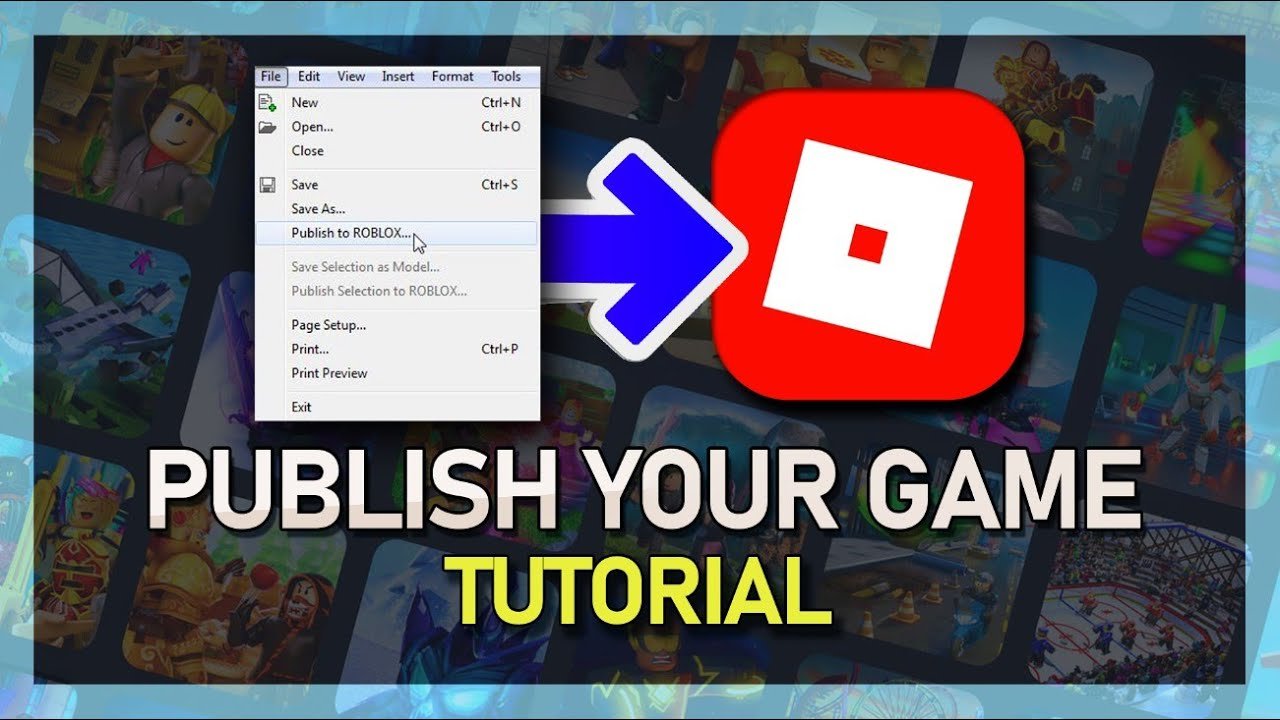
How To Publish A Roblox Game – Full Guide
Final Thoughts
To publish a game, first, finalize your game and its design. Then, select a suitable publishing platform, such as Steam or mobile stores. Prepare all required assets, including marketing materials.
Next, complete the submission process carefully, adhering to guidelines. Marketing is crucial, so actively promote your game. This process covers how to publish a game successfully. Remember, patience is essential.

