
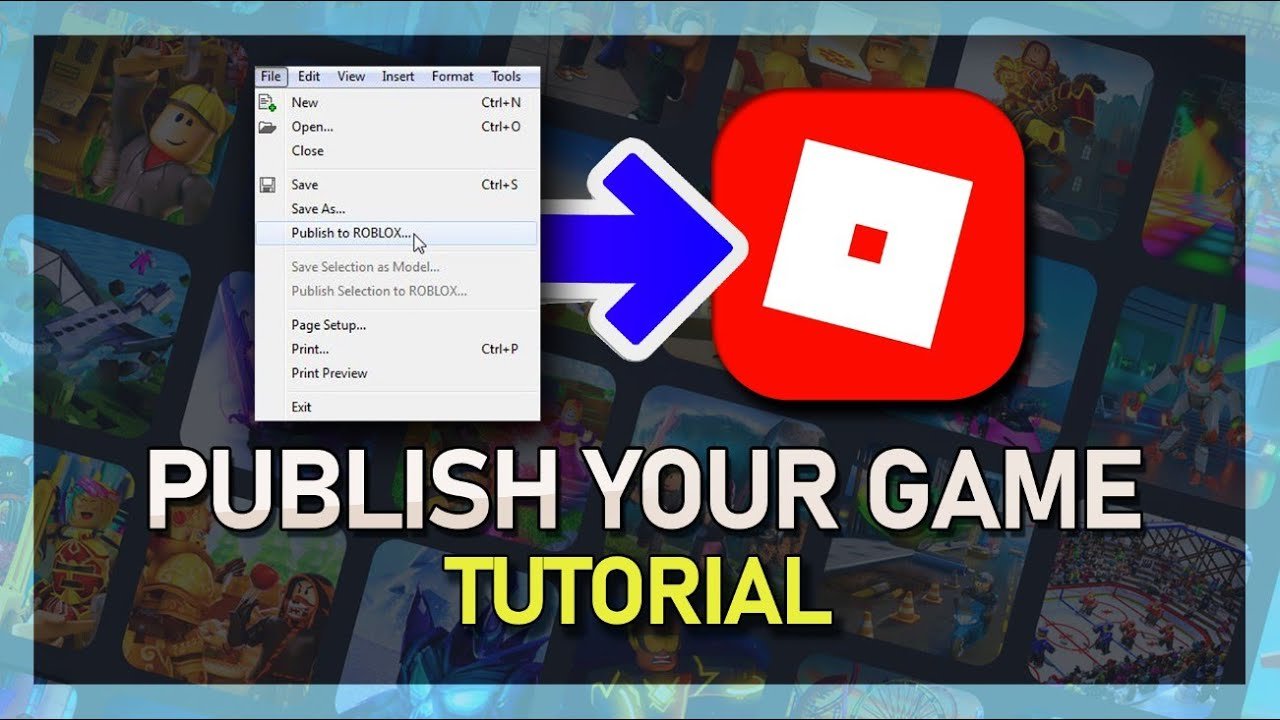
Publishing games typically involves developing your game, choosing a platform, completing necessary paperwork, marketing, and then distributing it to players.
So, you’ve created a game, and now what? The path to getting your creation into the hands of players might seem daunting, but it’s quite manageable with the right approach. Knowing how to publish games is a key step for any developer, be it for PC, mobile or console.
It requires more than just creative talent; it involves understanding the different distribution channels, dealing with legalities, and promoting your work. This guide can help you navigate those areas with ease.

How to Publish Games: A Step-by-Step Guide
So, you’ve poured your heart and soul into creating an amazing game! That’s fantastic! But making a game is just the first step. Now, you need to get it out there for the world to play. That’s where game publishing comes in. It might sound complicated, but don’t worry, we’ll break it down into easy-to-understand steps. Think of it as building a pathway for your game to reach players.
Understanding the Different Paths to Game Publishing
Before we dive into the details, let’s talk about the different ways you can publish your game. There isn’t just one right way, and the best path for you depends on your game, your resources, and your goals. Here are the main options:
Self-Publishing
Self-publishing means you’re in charge of everything. You are the boss! You’ll handle development, marketing, and distributing your game. It’s like starting your own little game business. This route gives you the most control, but it also means you have a lot of work to do. You keep a larger share of the profits when you self-publish, but you’re also responsible for all costs and risks.
- Pros: Full creative control, larger profit share, faster time to market (potentially).
- Cons: Requires significant time, effort, and financial investment, responsibility for all aspects of publishing.
Working with a Game Publisher
Game publishers are like partners who can help you get your game to players. They often have experience in marketing, distribution, and sometimes even funding. Think of them as a team that boosts your game’s chances of success. Working with a publisher can take some of the pressure off of you, but it also means you’ll share some of the profits.
- Pros: Access to resources and expertise, broader reach, potentially greater marketing budget.
- Cons: Less control over your game, shared profits, potential delays in the publishing process.
Hybrid Approach
A hybrid approach means combining elements of both self-publishing and working with a publisher. For example, you might handle some aspects of publishing yourself (like game development) and collaborate with a publisher for marketing and distribution. This can offer a balance between control and support.
The Game Publishing Process: Step by Step
No matter which publishing path you choose, there are some core steps involved in getting your game ready for players. These steps are like the building blocks of a successful launch.
Step 1: Finalize Your Game
Before you even think about publishing, your game needs to be complete. This means:
- Playtesting: Have lots of people play your game! Get their feedback and fix any bugs or problems. Playtesting is like beta-testing – you’re checking for anything that isn’t working correctly. Think of playtesters as your helpful game detectives, finding clues that need solving.
- Polishing: Make your game look and feel its best. This includes graphics, sound, and overall user experience. Polish your game like you’re polishing a gemstone – making it shine and sparkle in all the right places.
- Adding Features: You might want to add extra features, like achievements or leaderboards, to make your game even more fun to play. Adding features are like adding extra spice to a dish – it makes it even more exciting and flavorful!
Step 2: Creating Your Game Marketing Plan
Before anyone can play your game, they need to know it exists! Marketing is all about getting the word out and attracting players. This is where you plan how you’ll spread the news of your game. Here are some key pieces of a good game marketing plan.
- Know Your Audience: Figure out who will be most likely to enjoy your game. Understanding who your target audience is will allow you to make better decisions during marketing.
- Age: Is it made for kids, teens, or adults?
- Interests: What other kinds of games do they like?
- Platforms: Where do they play games (mobile, PC, console)?
- Create a Game Website or Landing Page: A website helps you control how people see your game online. This can be a good place to provide information, screenshots, and videos of your game. It’s like having your own online game store!
- Build a Social Media Presence: Set up accounts on the platforms where your target players spend their time. For example, you can make a Twitter account, Facebook page, or Instagram profile, and begin posting content about your game there.
- Gather Assets: Make sure you have screenshots, trailers, and other game-related media to share online. Having good promotional materials is like packing the best ingredients for your game’s online showcase.
- Plan Your Marketing Budget: How much money can you spend on ads, influencer campaigns, etc.? It’s always wise to plan out how much money you can spend on marketing.
- Start Pre-Launch Buzz: Even before your game is ready to launch, begin telling people about it. Get some excitement going!
Step 3: Choosing a Publishing Platform
Where will you sell your game? There are many choices, and the best one for you depends on your game and your players. Here are the popular game publishing options:
PC and Mac Platforms
- Steam: A very popular digital game distribution service. Think of it as a giant online library for games.
- GOG: Another platform for PC games, specializing in DRM-free games.
- itch.io: A more open platform, great for indie games and experimental projects.
- Your Own Website: You can sell games directly to players from a site you manage.
Mobile Platforms
- App Store (iOS): The place where you download games on iPhones and iPads.
- Google Play Store (Android): The place where you download games on Android devices.
- Third-party app stores: There are other app stores to consider as well.
Console Platforms
If your game is for consoles, like PlayStation, Xbox, or Nintendo Switch, you’ll typically need to go through their publishing programs. This can involve a more in-depth process and will likely mean contacting these companies directly.
Step 4: Setting Up Your Game for Publishing
This is the technical part where you put your game onto the platforms you chose. Each platform has its own way of doing things. This process is like preparing your game for its online debut. Some key tasks during this step are:
- Creating a Developer Account: You’ll need an account on each platform you want to publish on.
- Preparing Game Files: Making sure your game is in the right format for each platform (PC, mobile, console).
- Configuring Game Settings: Setting up things like store pages, price, and other details.
- Adding Descriptions and Screenshots: Make your game sound amazing! Show off how great it looks and plays.
Step 5: Legal and Administrative Tasks
Before you publish your game, it’s important to handle these essential steps:
- Copyright: You own the copyright to your game. This protects your work.
- Trademarks: Consider trademarking your game’s name or logo.
- Age Ratings: Get your game rated for content, if applicable, so people know what to expect.
- Privacy Policies: If your game collects user data, have a privacy policy in place. This is important for being transparent with players.
- Tax Information: Understand how you’ll handle taxes related to game sales.
Step 6: Game Launch and Ongoing Support
Your game is published! But the work doesn’t stop there. Launching your game is like starting a party – you need to make sure everyone’s having a good time! This phase includes:
- Monitoring Player Feedback: See what people think of your game. Respond to questions and concerns.
- Releasing Updates: Fix bugs, add new features, and make your game even better.
- Continuing to Market Your Game: Keep spreading the word and bringing in new players.
This is like making sure your party goes on and on and is fun for everyone!
Funding Your Game Publishing Journey
Publishing a game can cost money. Here are some ways you might fund the process:
Self-Funding
Using your own savings or money from a job can be a way to keep complete control of your project, but it can be risky if the game doesn’t perform well.
Seeking Investors
An investor is like a partner who gives you money in return for a share of the game’s profits. This requires you to have a great game and a solid plan.
Game Publishers
Some publishers offer funding as part of their agreement. This means they give you money to help you complete your game, in exchange for a large share of future profits.
Crowdfunding
Using platforms like Kickstarter or Indiegogo, you can get financial support from players who are excited about your game. This can be a good way to test interest in your game, but it can also be very time consuming.
Tips for Success in Game Publishing
Here are some important things to keep in mind to help you on your game publishing journey:
- Be Patient: It takes time to build a successful game. Don’t give up.
- Be Prepared to Work Hard: Publishing a game is a lot of work. Be ready for some hustle.
- Network: Connect with other game developers and people in the industry. You can learn a lot from others.
- Stay Organized: Keep track of everything. It helps you stay on top of all the details.
- Adapt: Be ready to adjust your plans as you learn new things.
- Learn from Feedback: Take player comments seriously. They help you make your game better.
- Be Honest: Always be truthful with your players and the industry.
Publishing a game is a journey filled with excitement, challenges, and a lot of learning. By understanding these steps and planning carefully, you can bring your game to life and share it with the world!
How To Publish A Roblox Game – Full Guide
Final Thoughts
To summarize, successful game publishing involves choosing the correct platforms and preparing your game accordingly. Plan your marketing strategies carefully to reach your target audience. Finally, remember that networking within the industry plays a significant role in how to publish games.
Properly budgeting will ensure financial stability during development. Testing your game thoroughly is also important. It helps to iron out any bugs that can impact the player experience.

